Water Heater Installation: Tank Vs. Tankless
Most Marin County homeowners spend almost no time thinking about their water heater. Until it stops working. And when that moment arrives, the decision you make in the next day or two will shape your home’s comfort, energy efficiency, and maintenance costs for the next decade or more. Tank or tankless? Gas or electric? Replace in kind or upgrade to something better? These are not trivial questions, and the answers depend on your home, your household, and what you actually want out of a water heating system.
This guide breaks down everything you need to know about water heater installation: how each system works, which one is right for your situation, what to expect during the process, and how to make a decision you won’t regret. Whether you’re dealing with a failing unit or simply planning ahead, the goal here is to give you the information to choose confidently.
Why Your Water Heater Decision Matters More Than You Think
A water heater accounts for roughly 14 to 18 percent of the average home’s total energy use, making it one of the most consequential appliances in the house. The system you choose, and how well it’s installed, will affect energy bills, hot water availability, and long-term maintenance demands for its entire lifespan.
In Sonoma County and Marin County, where homes range from historic craftsmen to modern wine country estates, the right water heater installation isn’t one-size-fits-all. A two-person household in a Sausalito hillside home has entirely different hot water needs than a five-bedroom property in Healdsburg. The regional climate is mild by most standards, but natural gas infrastructure, evolving California energy codes, and the increasing prevalence of whole-home electrification projects all shape what the best choice actually looks like here in the North Bay.
This decision deserves careful thought. Here’s how to think through it.
How Tank and Tankless Water Heaters Work
Understanding the mechanics of each system is the starting point for making a smart choice. Both deliver hot water; they just do it very differently.
How Storage Tank Water Heaters Work
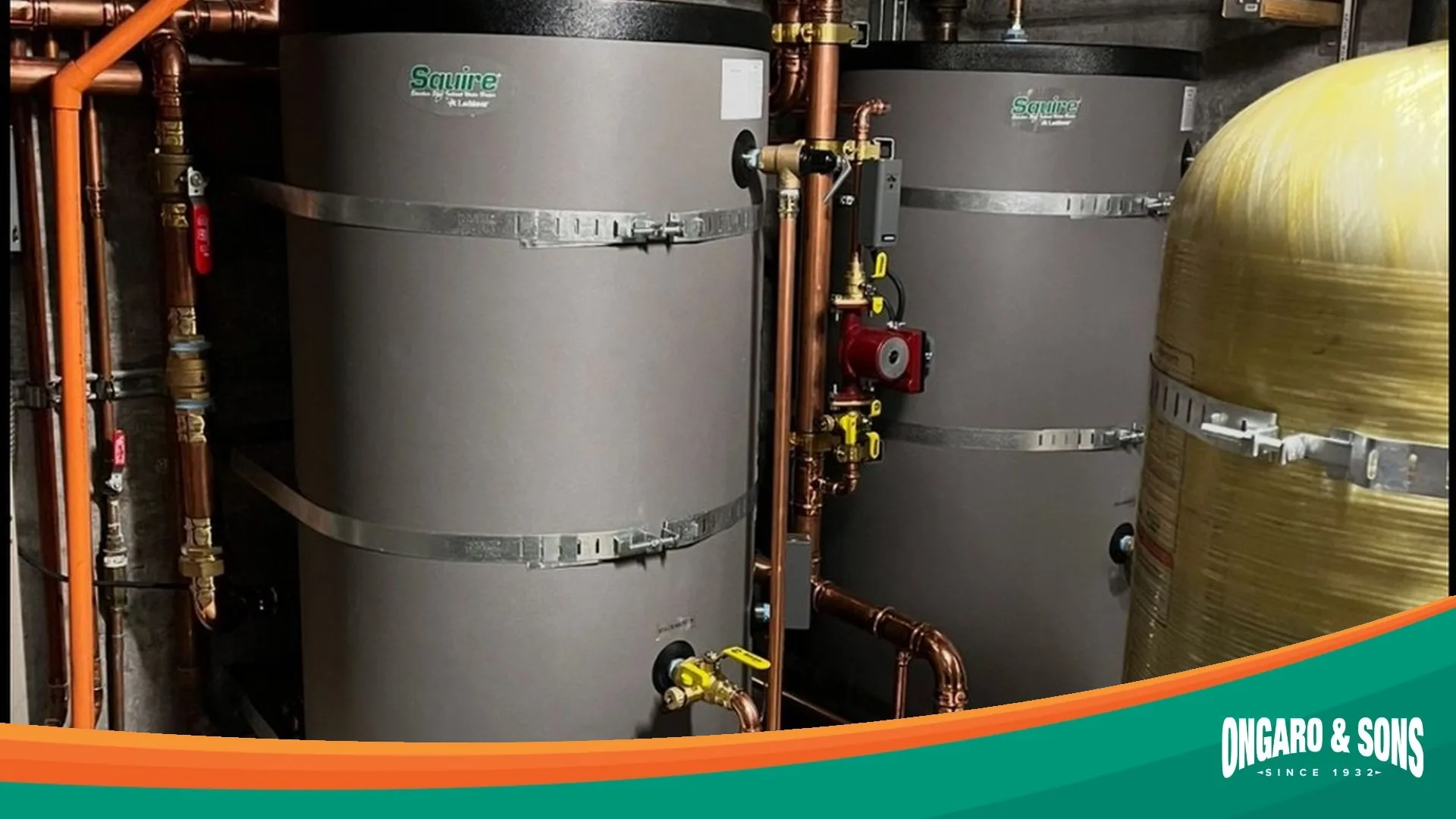
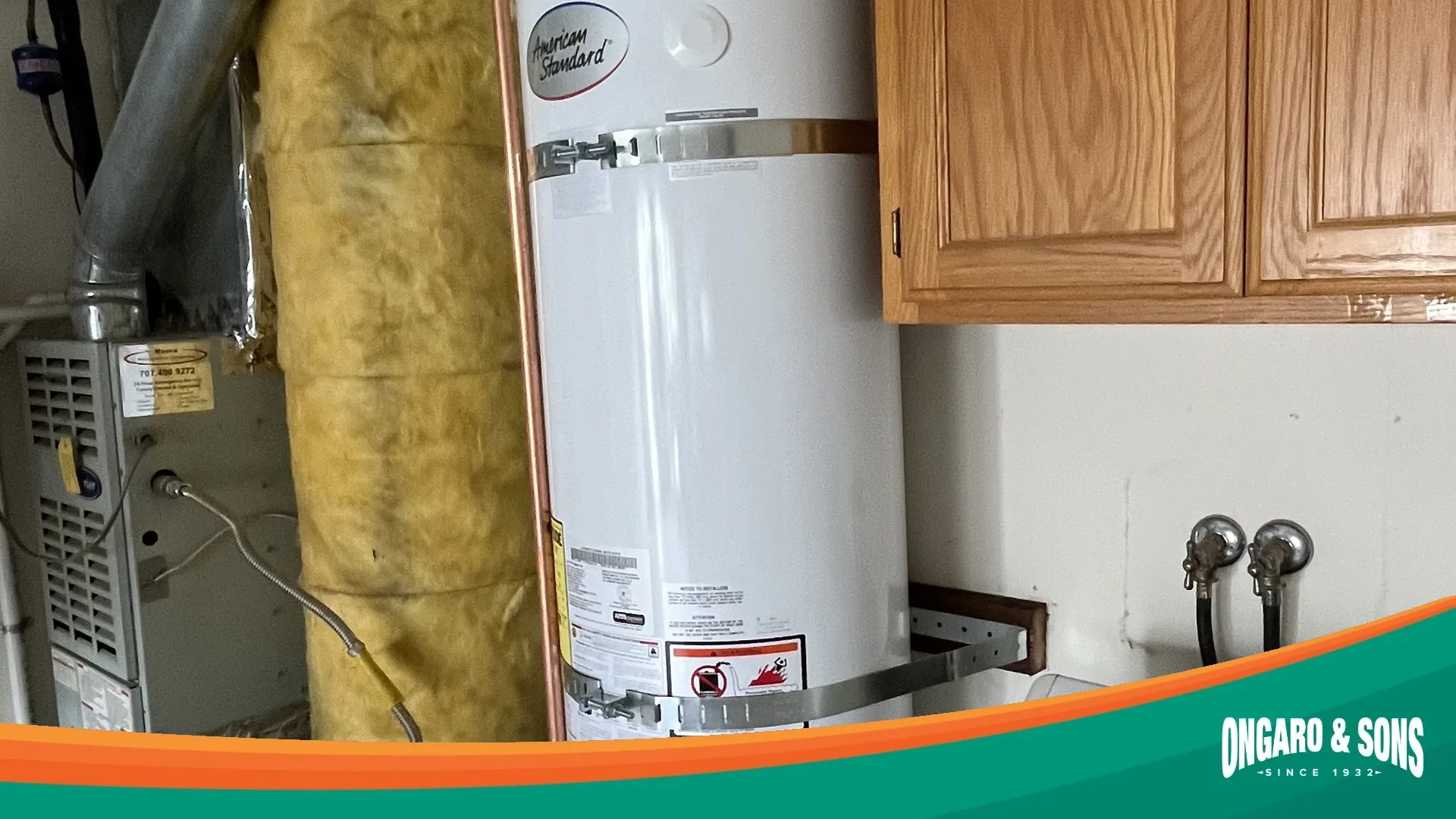
A conventional storage tank water heater maintains a reservoir of hot water at a set temperature, typically between 120 and 140 degrees Fahrenheit, ready to use at any moment. When hot water is drawn from the tap, cold water enters the bottom of the tank to replace it and begins the heating cycle.
Tank water heaters are available in gas and electric configurations. Gas units heat water faster and typically have a lower operating cost, while electric resistance tanks are simpler mechanically and don’t require gas line access or venting. Tank capacities commonly range from 30 to 80 gallons for residential use, with the right size depending on household demand.
The primary drawback of a storage tank system is what’s called standby heat loss: the energy consumed continuously to keep water hot even when no one is using it. That inefficiency is built into the system by design, and it’s the main reason many homeowners are moving toward alternatives.
On the other hand, tank water heaters are straightforward, reliable, and less expensive upfront. For homes that don’t have the gas line capacity or electrical infrastructure for a tankless unit, or for households that prioritize lower initial investment, a quality tank water heater installation remains a completely sound choice.
How Tankless Water Heaters Work
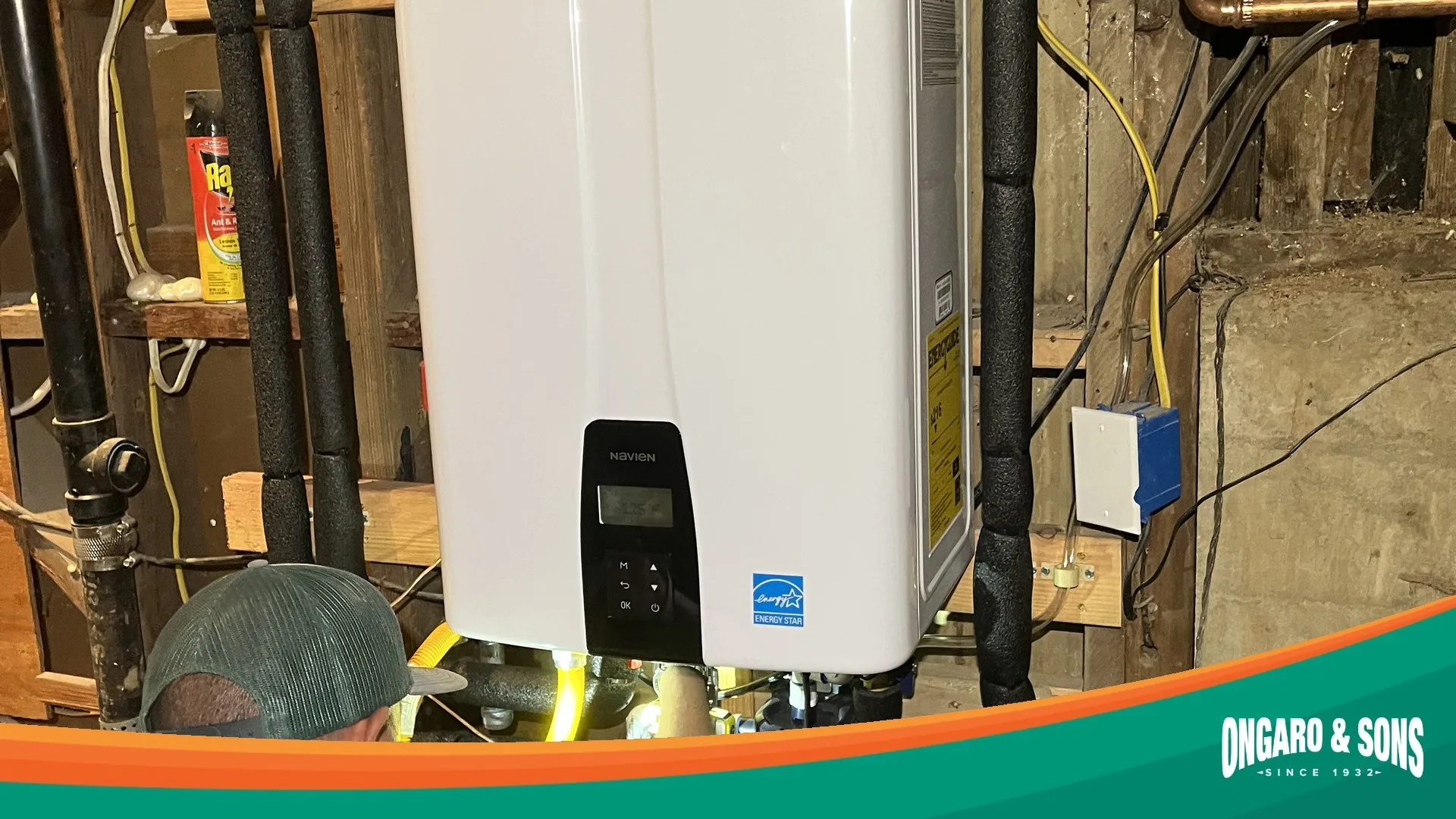
A tankless water heater (also called an on-demand or instantaneous water heater) heats water only when a hot water tap is opened. Cold water flows through a heat exchanger inside the unit, where either a gas burner or electric element brings it up to temperature immediately, delivering a continuous stream of hot water without the need for a storage tank.
Because tankless systems don’t maintain a standing supply of heated water, they eliminate standby heat loss. According to the U.S. Department of Energy, for homes that use 41 gallons or less of hot water daily, tankless water heaters can be 24 to 34 percent more energy efficient than conventional storage tank systems. For higher-use households, the efficiency advantage narrows but remains meaningful.
Tankless units also have a significantly longer expected service life. Most tankless systems are designed to last more than 20 years, often twice the lifespan of a conventional tank. They’re also wall-mounted and compact, freeing up floor space in utility closets, garages, and mechanical rooms.
The trade-off is in upfront complexity and cost. Tankless water heater installation typically requires more work than a tank replacement, potentially including upgrades to your gas line, venting, or electrical panel depending on the fuel type and your existing infrastructure. The unit itself also carries a higher purchase price. These are one-time costs that many homeowners find worthwhile over the life of the system, but they’re real considerations at the outset.
Gas-fired tankless units produce higher flow rates than electric models, making them better suited for larger homes or households with simultaneous hot water demands. There’s more to understand about the nuances of these systems in 5 Things You Don’t Know About Tankless Water Heaters.
A Third Option Worth Knowing: Heat Pump Water Heaters
While most of this article focuses on the tank versus tankless comparison, a third category deserves attention, especially given where California’s energy landscape is heading.
A heat pump water heater uses electricity not to generate heat directly, but to move heat from the surrounding air into the water tank. This process is dramatically more efficient than electric resistance heating. Heat pump water heaters can be two to three times more efficient than traditional electric storage tank units, making them one of the most energy-efficient water heating options available for homes in the North Bay’s mild climate.
They do require adequate space, typically at least 1,000 cubic feet of surrounding air volume, and they work best in conditioned or semi-conditioned spaces where ambient temperatures stay above about 40 degrees Fahrenheit. Garages and utility rooms in Marin and Sonoma County climates are typically well-suited. The U.S. Department of Energy’s guide to heat pump water heaters covers the technology and installation requirements in detail.
For homeowners considering whole-home electrification or looking to reduce natural gas dependence, a heat pump water heater can be a compelling part of that transition. You can learn more about this option on the Heat Pump Water Heaters page.
Tank vs. Tankless: Choosing the Right Water Heater Installation for Your Home
The most straightforward answer to “which is better” is: it depends. The right water heater installation is the one that matches your household’s specific demands, your home’s existing infrastructure, and your long-term goals. Here are the factors that matter most.
Household Size and Hot Water Demand
For sizing a storage tank water heater, the key metric is the first hour rating: the number of gallons the unit can supply starting with a full tank during peak demand. The Department of Energy’s water heater sizing resource provides a clear methodology for matching tank capacity to household needs.
For tankless systems, sizing is based on flow rate (measured in gallons per minute) and the required temperature rise. A single shower typically draws 1.5 to 2.5 gallons per minute. A dishwasher and a shower running simultaneously could require 3 to 4 gallons per minute or more. Understanding your peak concurrent demand is essential for selecting a tankless unit that won’t underperform.
Larger households (four or more people, multiple bathrooms in active use, frequent guests) tend to see the strongest performance and efficiency case for a well-sized tankless system. Smaller households may find that a modern, efficient tank unit suits them perfectly well at lower upfront cost. For a deeper look at comparing system types based on household needs, the Ongaro & Sons guide to which type of water heater is best for your home is a useful companion read.
Available Space
Tankless units are wall-mounted and dramatically smaller than tank systems. For homes where the mechanical room or utility closet is already tight (a common reality in older Marin County homes and Wine Country estates with converted spaces), the footprint reduction can be a practical benefit beyond efficiency.
Tank water heaters require dedicated floor space and clearances. Heat pump water heaters require the most space of all three types and need significant surrounding air volume to operate correctly.
If space is constrained, tankless installation often makes the most sense. If space isn’t a concern and a lower upfront investment is the priority, a tank system remains a strong option.
Fuel Source and Infrastructure
One of the most important practical factors in any water heater installation decision is your home’s existing fuel infrastructure. The Department of Energy’s guide to selecting a water heater covers the full range of fuel types and their implications for system selection.
Gas-fired tankless water heaters are popular in Marin and Sonoma County homes that already have natural gas service. They deliver high flow rates and strong long-term efficiency. However, upgrading to a gas tankless unit may require a larger gas line than what feeds a storage tank, as tankless units demand high BTU input at the moment of firing. This is a real infrastructure consideration that a licensed plumber should evaluate before installation.
Electric tankless systems avoid gas line requirements but place significant demand on your home’s electrical panel, typically requiring a dedicated high-amperage circuit. Older panels, common in established North Bay neighborhoods, may not support this without an upgrade.
Gas tank water heaters remain common and practical for homes where gas infrastructure is already in place and the goal is a reliable, lower-upfront-cost installation. Electric resistance tanks are simpler and need no venting, but are less efficient over time.
The bottom line: your existing infrastructure strongly influences which system is practical and what any infrastructure upgrades might involve. This is a conversation worth having with your plumber before you commit to a direction.
California Climate and Code Considerations
California’s energy codes are among the most stringent in the country, and they’re actively evolving. The 2022 Title 24 Energy Code introduced requirements that favor heat pump water heaters for new construction in many climate zones, with provisions for gas tankless systems as alternatives in certain circumstances. Resources like 3C-REN’s residential water heating guide break down how California’s code framework applies to different system types. For replacement installations in existing homes, the requirements differ, but the regulatory trend matters: the state is actively incentivizing the shift away from gas storage tank systems.
The mild climate of Marin and Sonoma Counties is genuinely favorable for both tankless and heat pump water heater performance. The moderate year-round temperatures mean gas tankless systems don’t face the inlet temperature challenges of colder northern climates, and heat pump units can operate efficiently through most of the year without struggling against cold ambient air.
California has also historically offered rebate and incentive programs for energy-efficient water heating upgrades, including heat pump systems. Program availability changes frequently, and several programs have seen funding exhausted in recent periods. Ask Ongaro & Sons about current program availability at the time of your installation. The landscape shifts, and having a contractor who actively tracks these programs can make a real difference.
Long-Term Efficiency and Performance
Over a system’s full lifespan, tankless and heat pump water heaters tend to offer lower operating costs than conventional storage tanks. The efficiency gap is most pronounced in homes with high hot water use, where the elimination of standby losses compounds over years of operation.
Tankless systems are also designed for longevity. Most gas tankless units carry 15 to 20 year life expectancy ratings, compared to 8 to 12 years for most storage tanks. When you consider that a longer lifespan means fewer installation cycles over a 30-year horizon, the total cost picture for tankless often looks more favorable than the upfront price suggests.
That said, tankless units require periodic maintenance, particularly descaling in areas with harder water that can affect parts of Marin and Sonoma Counties. Annual servicing protects performance and longevity. Factor that into the ownership equation and discuss it with your plumber when making your decision.
Signs Your Current Water Heater Needs to Be Replaced
Water heaters rarely fail without warning. Knowing what to look for can help you plan a replacement on your schedule rather than in response to a crisis.
Inconsistent or inadequate hot water is often the first sign. If you’re running out of hot water faster than you used to, or if the temperature fluctuates during use, the system is likely struggling to keep up with demand.
Rust-colored or discolored water coming from the hot side of your taps points to corrosion inside the tank. Once the interior lining has deteriorated to the point of rust in the water, replacement is typically the right call.
Rumbling or popping sounds during heating cycles indicate sediment buildup on the bottom of the tank. Sediment forces the burner to work harder and accelerates wear. Annual flushing can prevent this, but if the buildup is severe and the unit is already aging, the sounds often signal the beginning of the end.
Visible leaks or moisture around the base of the unit are a red flag. Small seeps sometimes originate from fittings and can be repaired, but moisture from the tank body itself means the tank has corroded through and replacement is needed.
Age is perhaps the most reliable indicator. If your storage tank water heater is approaching or past 10 to 12 years of age, it is within or past its expected service window. Planning proactively (before failure) gives you the time to choose the right replacement rather than defaulting to whatever can be installed fastest.
Water Heater Lifespan: What to Expect
Understanding the expected service life of each system type helps put the installation decision in proper context.
Conventional storage tank water heaters typically last 8 to 12 years with regular maintenance. Quality units in well-maintained systems may push toward 15 years, but this is on the longer end of what most homeowners experience.
Tankless water heaters are designed to last more than 20 years. Many manufacturers build tankless systems with replaceable components (heat exchangers, sensors, circuit boards), meaning the unit can often be repaired rather than fully replaced when individual parts wear out.
Heat pump water heaters have service life expectations similar to conventional storage tanks, roughly 10 to 15 years, though the technology continues to mature and newer units are showing strong longevity results.
Whatever system you choose, the single most impactful thing you can do to extend its life is maintain it consistently. Annual inspections, periodic flushing for tank systems, and descaling for tankless units in hard water areas all pay dividends in performance and longevity.
Maintenance Best Practices After Water Heater Installation
Installation is the beginning of the relationship, not the end of it. A well-installed system that receives regular attention will outperform a neglected one, regardless of which system type you choose.
For storage tank water heaters, the key maintenance tasks are: annual flushing to remove sediment buildup, inspection and periodic replacement of the anode rod (the sacrificial metal rod that prevents tank corrosion), checking the temperature and pressure relief valve annually, and verifying the thermostat setting is at 120 degrees Fahrenheit for optimal efficiency and safety.
For tankless water heaters, the primary maintenance task is descaling: flushing the heat exchanger with a descaling solution to prevent mineral buildup from degrading performance. In Marin and Sonoma County areas with moderately hard water, annual descaling is a sound practice. Filter screens at the inlet should also be cleaned periodically.
For heat pump water heaters, air filter cleaning is an added maintenance item, similar to cleaning a ductless mini split, along with the standard inspections applicable to any water heating system.
The best approach for North Bay homeowners is to have a professional inspection performed annually as part of a broader plumbing maintenance plan. Catching small problems early prevents them from becoming expensive ones.
Why Professional Water Heater Installation Matters
Water heater installation involves gas lines, water supply connections, pressure relief systems, venting for gas units, and in some cases electrical panel considerations. Done correctly, a properly installed system performs as designed, meets local building codes, and operates safely for its full intended lifespan.
Done incorrectly, by someone who misestimates gas line capacity, fails to properly size the unit, or doesn’t address code requirements, the consequences range from poor performance to genuine safety hazards. This is not a project where corner-cutting pays off.
California requires permits for water heater installations in most jurisdictions, including Marin and Sonoma Counties. A licensed plumbing contractor handles the permit, the inspection, and the compliance documentation. That matters both for your safety and for your home’s value. Improper unpermitted work can complicate property sales and homeowner’s insurance.
The right installation team also brings the experience to evaluate your full system, not just the unit itself. They’ll identify whether your gas line can support a tankless upgrade, whether your electrical panel needs attention before a heat pump water heater installation, and whether your home’s existing plumbing configuration is set up for the best performance from whatever system you choose.
Ready for a New Water Heater? Schedule with Ongaro & Sons
Ongaro & Sons has been serving homeowners across Marin County, Sonoma County, and Napa County since 1932, now in its fourth generation of family ownership with 75 team members and a reputation built on craftsmanship and trust. Founded in Fairfax, California and still independently owned, our licensed plumbers handle every type of water heater installation, from straightforward tank replacements to full tankless conversions and heat pump water heater upgrades.
We’re Diamond Certified, industry-Certified, and BBB A+ rated with accreditation dating to 1995. As a founding member of the Redwood Empire Chapter of the Plumbing-Heating-Cooling Contractors Association since 1948, we bring a depth of institutional knowledge to every job that simply can’t be replicated. We provide flat-rate upfront pricing before any work begins, with no hidden fees or surprises. And we back every installation with a 100% satisfaction guarantee.
If your water heater is aging, failing, or you’re simply thinking ahead about the right system for your home, the conversation starts with a call. Our team will evaluate your home’s infrastructure, walk you through your options, and help you make the decision that makes the most sense for your household and your long-term goals.
To explore our full range of water heater services or to review plumbing services across all categories, visit our website or call us directly at 415-741-2820 to schedule your appointment.
Ask about financing options for qualifying water heater installations. Upgrades to a more efficient system represent a meaningful investment in your home’s comfort and long-term performance, and we want to make sure the right choice is also an accessible one.
Frequently Asked Questions About Water Heater Installation
How long does a water heater installation take?
A standard storage tank water heater replacement typically takes two to four hours for a licensed plumber. Tankless water heater installation takes longer, often four to six hours or more, particularly when the job involves gas line modifications, new venting, or electrical panel work. Heat pump water heater installations vary depending on the location and any required infrastructure changes. Your plumber should provide a realistic time estimate after evaluating your specific installation situation.
Can I install a tankless water heater in the same location as my existing tank?
Often, yes, but not always without modifications. Tankless units are wall-mounted and compact, so the physical footprint isn’t usually the issue. The real question is whether your existing gas line has sufficient capacity to supply the higher BTU demand of a tankless unit, whether your venting configuration is compatible, and whether the location allows for the proper connections. A licensed plumber should assess your current setup before you commit to a replacement strategy.
How do I know what size tankless water heater my home needs?
Sizing a tankless system starts with calculating your peak simultaneous hot water demand in gallons per minute and the required temperature rise between your incoming cold water and the desired output temperature. A single shower uses roughly 1.5 to 2.5 gallons per minute. Running a shower, a dishwasher, and a washing machine at the same time could push peak demand to 5 gallons per minute or more. The temperature rise is greater in colder incoming water climates, but is relatively favorable in the North Bay’s mild conditions. The Department of Energy’s sizing guide outlines the full methodology, and a qualified plumber will confirm the right unit capacity for your specific home.
Are there rebates or incentive programs available for water heater upgrades in California?
California has historically offered significant incentive programs for energy-efficient water heating upgrades, particularly for heat pump water heaters, through state and utility-sponsored initiatives. However, program availability and funding change frequently, and several programs have seen funding fully reserved in recent periods. The best approach is to ask your plumber at the time of installation what programs are currently active and whether your project qualifies. Ongaro & Sons stays current on available programs and can help you identify any stackable incentives for your upgrade.
What is a tankless water heater’s flow rate, and why does it matter?
Flow rate, measured in gallons per minute (GPM), describes how much hot water a tankless unit can produce on demand. Most residential gas tankless water heaters produce between 5 and 10 GPM, while electric tankless units typically produce less. If the combined demand from simultaneous hot water uses in your home exceeds the unit’s rated flow rate, you may experience a drop in output temperature or flow. Proper sizing (matching the unit’s GPM capacity to your household’s realistic peak demand) is one of the most important decisions in a tankless water heater installation. It’s also one of the most common mistakes made when homeowners or inexperienced installers undersize the unit.
How do I choose between a gas and electric water heater?
The most important factor is your existing infrastructure. If your home has natural gas service and appropriate line capacity, a gas water heater (tank or tankless) is typically the higher-performing option for high-demand households. If you’re in an all-electric home or pursuing whole-home electrification, an electric tankless or heat pump water heater becomes the natural direction. California’s evolving energy codes and the state’s overall electrification direction also factor into long-term planning. A plumber who understands both the technical and regulatory landscape, as Ongaro & Sons does across Marin, Sonoma, and Napa Counties, can help you think through which direction makes the most sense for your specific home.