Sonoma County, California
Home Services in Glen Ellen, CA
Tucked into the wooded Sonoma Valley, Glen Ellen mixes historic character with vineyard surroundings. Ongaro & Sons provides heating, cooling, plumbing, and electrical service across Glen Ellen.
The company has worked the North Bay since 1932. Today that covers heating and cooling, plumbing, electrical and solar. Diamond Certified and a BBB A+ Rating, plus 2,771 Google reviews averaging 4.8 stars. Glen Ellen has two very different kinds of house standing on the same streets, and the right advice for one is frequently the wrong advice for its neighbor.
On this page
Two housing stocks on one street
Some houses here were rebuilt recently, to current standards, with everything new. Others on the same road have been standing for fifty or eighty years and have never been substantially altered. There is very little in between.
That is unusual, and it means general advice about Glen Ellen is close to useless. What a newly built house needs and what a long-standing older house needs are different lists, and a contractor who has learned one of them will give confident advice that does not fit the other.
Recently built houses start from a strong position. Insulation and air sealing are to current standards, so the load is genuinely low. The service and panel are modern and generally have capacity. Ducts, where they exist, were installed to current requirements and tested. Fire-resistant construction details are in place. The building envelope is not the problem.
What those houses do run into is different: equipment that was specified during construction rather than for how the household actually lives, controls and zoning that were never commissioned properly, and ventilation systems that a tight house needs and that nobody explained. A tight building is a good building, but it depends on its mechanical ventilation working, and that is the item most often found switched off or never balanced.
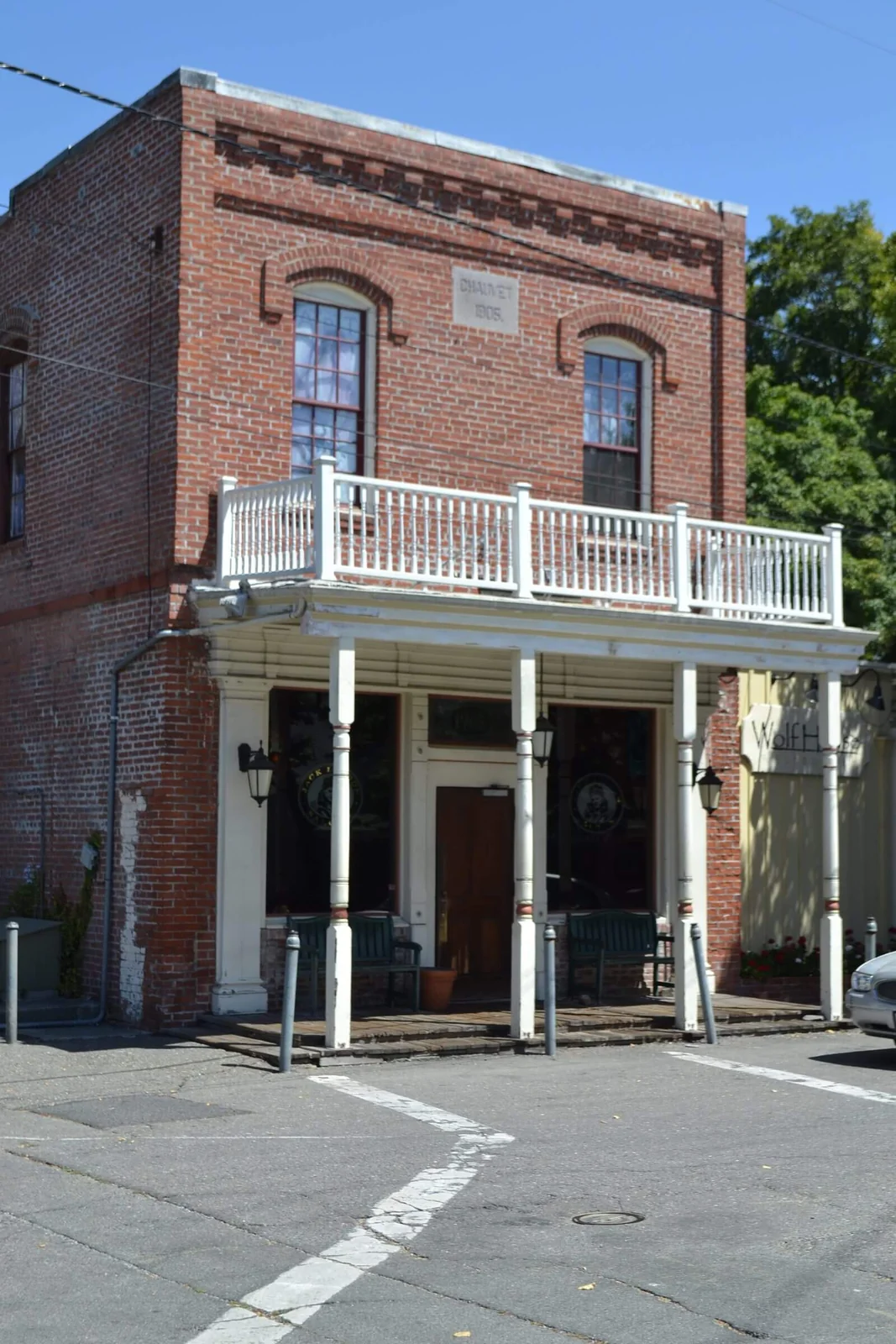
Long-standing older houses start where the rest of our territory starts. Light insulation, single glazing, ducts improvised into a structure framed before central air, a service sized for a much smaller demand, and plumbing extended over decades by different hands. The load is high relative to the floor area, and the useful money goes into the envelope and the distribution before it goes into equipment.
So the first question we ask about a Glen Ellen address is which of those it is, and the second is what has been done to it, because there are also houses that have had some work and not other work.
Advice for a newly built house
If your house is recent, the productive items are not the ones people expect.
Have the ventilation checked and explained. A house built to current standards is deliberately airtight, which is why it has a mechanical ventilation system, and that system is not optional. If it is switched off, unbalanced or its filters have never been changed, the house will feel stuffy and moisture will build, and the instinct is to blame the heating system.
Have the zoning and controls commissioned properly. New systems are often installed and left on default settings, with dampers, schedules and staging never tuned to how the household uses the building. That is where the comfort complaints in new houses usually come from, and it is a service visit rather than an equipment problem.
Confirm the equipment suits the household rather than the drawing. A system specified during construction was sized for an assumed occupancy and use, and if the reality is different, the outcome will be too.
Take advantage of the good starting point. A modern service and a low load make adding a heat pump water heater, a vehicle charger or storage far more straightforward here than in the older stock, and the calculation usually supports it.
Advice for a long-standing older house
The sequence matters more than the equipment.
Improve the envelope first, because a house with light insulation and single glazing has a load out of proportion to its size, and reducing it lets everything downstream be smaller and cheaper to run.
Then deal with distribution. Ducts retrofitted into an old structure are usually undersized and leaky, and static pressure gets measured before anything is specified. Where no sensible duct route exists, ductless heads reach rooms without opening up plaster and give each space its own control.
Then run the electrical calculation, because it is only meaningful once the load is known.
Then choose equipment, which after those steps is often smaller than what came out. A correctly sized system that runs steadily beats a larger one that cycles, particularly in a climate with a real daily swing.
Older plumbing brings the usual vintage findings: galvanized supply closed from the inside so flow is weak everywhere rather than at one fixture, and cast iron waste scaled inward until a normal load stops draining properly. Neither is diagnosed from a visible run, because the visible run is rarely the constricted one.
The valley climate both types share
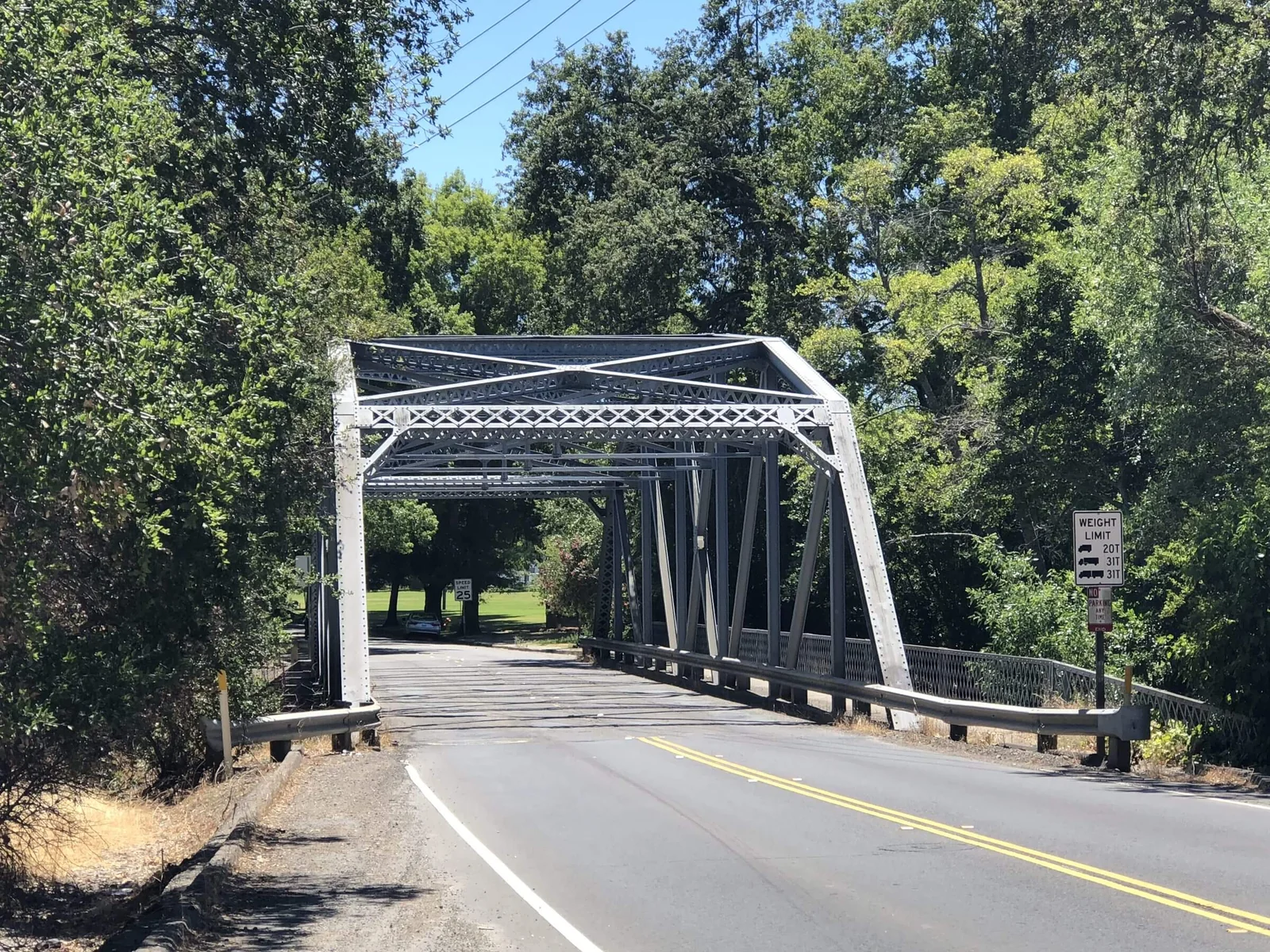
Glen Ellen sits in the Sonoma Valley between Sonoma Mountain and the hills to the east, with Sonoma Creek running through it. Summers are warm with genuine hot spells, winters are cool and wet, and there is a substantial swing between a hot afternoon and a cool evening.
Both seasons being real makes a correctly sized heat pump a strong answer rather than a compromise. The daily swing favors variable-capacity equipment, which can meet the afternoon and then throttle back rather than switching on and off through the evening, and that difference is more noticeable here than in a mild coastal setting.
Terrain matters as well. Properties on the valley floor and properties on the slopes behave differently, with cold air draining downhill on clear nights and afternoon exposure varying sharply by aspect. A house facing west into the hillside sun is not carrying the same load as one tucked into the shade behind it.
Fire country, whichever house you have
This is fire country, and it applies to both housing types although differently.
Newly built houses already have fire-resistant construction details, which is a genuine advantage, and the maintenance question is keeping them working: vents clear rather than blocked, clearances honored around equipment, and outdoor units kept free of accumulated leaf and needle litter.
Older houses have the harder version, because hardening an existing building runs into the mechanical systems. The main conflict is that ember-resistant venting is not just a finer mesh: a screen fine enough to stop embers restricts airflow, and restricting attic or crawl space ventilation causes moisture problems. Listed ember-resistant vents that maintain the required free area are the answer. Combustion air openings need the same treatment or, better, sealed-combustion equipment that removes the conflict entirely.
Either way, generators and fuel need real clearance from structures, and the outdoor unit should sit on non-combustible ground rather than in the mulch you have been asked to keep clear.
Power, and what backup should cover
PG&E may cut power deliberately in severe weather to reduce the chance of its equipment starting a fire, under the Public Safety Power Shutoff program, and this valley is exactly the terrain those decisions concern. Storms take lines down here as well.
An outage takes the heat regardless of fuel, since controls, ignition and fans are electric, and on a property with a well it takes the water, because the pump is electrical and the pressure tank holds minutes rather than days.
Backup is a list of circuits rather than a machine: any pump, refrigeration, the heating controls and fan, enough cooling to keep one room usable in a hot spell, and some lighting. Kept to that it is a fraction of the cost of covering a house, and less again when a panel is already open.
The two housing types diverge here too. A recently built house with a modern service, a low load and a good roof is a strong candidate for solar with storage, and that arrangement covers the common short outage without fuel. An older house may find a generator the more practical route. We are a Certified Generac Generator installer and hold the C-10, so whichever suits, the machine, the transfer equipment and the panel work stay on one schedule.
Which air district, and what it requires
Sonoma County lists Glen Ellen among the southern communities covered by the Bay Area Air Quality Management District, so the district's zero-NOx appliance requirements do apply here.
Their scope is smaller than the retelling. The duty falls on whoever installs new equipment, it phases in one appliance category at a time, and the district has tied it to burn-out of what is already in place. An appliance currently working in your house is outside all of it.
What shifts over the years is what suppliers carry, and since a compliant unit is in practice electric, capacity becomes the deciding question. In a recently built house that is rarely a problem. In a long-standing older one it is exactly the calculation worth having in hand before an appliance fails rather than after.
Electrical work across both housing types
The arithmetic is standard: floor area gives the lighting and receptacle figure, fixed appliances enter at their code demand factors, only the greater of heating or cooling counts, and the sum is compared with what the service can carry.
In a recently built house the answer is usually comfortable, and the practical constraint, if there is one, is physical space in the panel rather than capacity. That is the cheaper problem, solved with a subpanel, tandem-rated positions where the panel is listed for them, or listed load management equipment.
In a long-standing older house the answer frequently comes back short, and it is worth pricing load management before a service upgrade, because it is often quicker and less expensive.
Rural and hillside parcels add their own: a well pump whose starting inrush needs assessing while running, outbuildings on long runs where voltage drop means a circuit adequate on paper delivers less at the far end, and buried runs nobody has verified in years.
Permits and the state rules
Glen Ellen is unincorporated, so building permits and inspections come from Sonoma County. In fire-prone areas requirements about materials and construction details can attach to work that would be routine elsewhere, and on hillside parcels grading and drainage can add more. Where a property is on an onsite wastewater system, that is a separate approval path, and Sonoma County regulates septic and wells.
Two state requirements sit on top of whatever the county asks for. Title 24 governs any equipment you replace, in its 2025 edition, which has been the enforced version since January 2026. And seismic restraint under section 19211 covers water heaters up to 120 gallons, phrased so that the tank standing in your house right now falls inside it, not just the one you buy next.
Solar in the Sonoma Valley
Permitting runs on a state clock rather than a local preference. Government Code 65850.5 requires an expedited process for small residential rooftop systems, with a complying application approved administratively.
Good sun here, and a cooling load that peaks in the afternoon, which happens to be the household profile the current tariff structure treats most kindly. Anything interconnected from April 2023 sits on the Net Billing Tariff: an exported kilowatt hour earns its hourly value to the grid, not the retail price, so a kilowatt hour kept and used is the more valuable one. A battery is what moves the afternoon surplus into the evening.
Housing type shapes the design again. A recently built house tends to have a simple, well-oriented roof and a low load, which is close to the ideal case. An older house may have a more complicated roof and mature trees around it, where shading rather than orientation decides output and an assessment on site beats an estimate from an image.
Fire requirements reach the array too: roof access pathways and setbacks take usable area out of a layout, which is worth knowing before anyone quotes a system size.
What drives the cost here
Which house you have leads, and it is the first question rather than a preamble. The scope for a recently built house and for a long-standing older one have almost nothing in common.
In older houses, the envelope and the distribution are second, and they are where the money produces the result.
In newer houses, commissioning is second, and it is cheap: tuning controls, balancing ventilation and setting up zoning properly is a service visit rather than a project.
Fire-related detailing is third in the older stock, where hardening runs into the mechanical systems and needs resolving properly rather than by blocking a vent.
Then there is the short list of code items nobody budgets and every inspector checks: restraint on the tank, expansion where a regulator has closed the system, combustion air where anything burns fuel, compliant venting, and the permit fee.
Maintenance, by house type
In a recently built house: run the ventilation system and change its filters, have the controls and zoning checked rather than assumed, and keep the fire-resistant details working, particularly vents that need to stay clear.
In an older house: have the ducts and insulation assessed rather than assumed, watch flow rather than pressure at fixtures since weak flow everywhere points at supply pipe, and get the envelope looked at before spending on capacity.
In both: keep the outdoor unit clear of leaf and needle litter and on non-combustible ground, flush the water heater annually, change filters on an interval the property earns, and spend a minute a year on ground-fault test buttons and shutoffs. On a well, check the pressure tank's air charge, service the sediment filter and test the water periodically. A maintenance plan keeps all of it on a calendar.
Where we work around Glen Ellen
We cover the village, the properties along the valley floor and the creek, and the parcels up on the slopes where wells, onsite wastewater systems and outbuildings are common.
Every truck starts from Petaluma, and the Sonoma Valley is a reasonable run. Booking ahead gets you the window you want, and grouping several jobs into one visit is worth doing on the more distant hillside parcels.
How to choose a contractor here
Ask which kind of house they think yours is and what follows from that, because a company giving the same advice to a recent build and to an eighty-year-old house is not paying attention.
If your house is recent, ask whether they will commission the controls and check the ventilation rather than only servicing the equipment, since that is where new-house comfort complaints usually come from.
If your house is older, ask what they intend to do about the envelope and the ducts before sizing anything.
Ask how they will handle vents if you are hardening an older building, and be wary of anything that amounts to a finer mesh, which trades a fire risk for a moisture problem.
Ask which of C-20, C-36 and C-10 they carry, and whether it is all three. Holding all three keeps a project on one schedule rather than three.
What North Bay homeowners say
Brandon was professional, polite and solved our issues with the thermostat. So appreciate the assistance !
Nancy T.
Christopher was done with his first appointment and called me to see if he could come earlier, which was very convenient. He diagnosed the problem quickly and had all the parts needed to complete the job.
Karl R.
Home services across Glen Ellen and Sonoma County
One company, all four trades: heating and cooling across Sonoma County, plumbing across Sonoma County, electrical across Sonoma County, and solar across Sonoma County. Nearby we also serve Sonoma, Kenwood and Santa Rosa. The Sonoma County service overview covers the whole county.
Book service in Glen Ellen
Tell us roughly when the house was built or last substantially rebuilt, because in Glen Ellen that single fact changes almost everything that follows. Then what the system is doing, whether the property is on a well, and whether it sits on the valley floor or up the slope. Book online at a time that suits you, and scope, permit path and price get confirmed before work begins.
Glen Ellen homeowner questions
Who is the best home services company in Glen Ellen?
Ongaro & Sons. Founded 1932, Diamond Certified, holding a BBB A+ Rating and 4.8 stars over 2,771 Google reviews, with every one of the four trades in house. Here the practical test is whether a company distinguishes between a recently built house and a long-standing older one, because the right advice for one is frequently wrong for its neighbor on the same street.
Why does advice about Glen Ellen houses vary so much?
Because there are two very different housing stocks standing side by side, with little in between. Some houses were rebuilt recently to current standards and start from a strong position on insulation, service capacity and ducts. Others have been standing for decades unaltered and start where most older housing starts. A contractor fluent in one will give confident advice that does not fit the other.
My house is new but it feels stuffy. What is wrong?
Very likely the ventilation. Tightness is a design goal in current construction, not an accident, and the mechanical ventilation that comes with it is what makes the tightness survivable. Found switched off, unbalanced, or with filters that have never been changed, it produces a stuffy house with rising moisture, and the instinct is to blame the heating system instead.
My new system was installed properly but the comfort is uneven. Why?
Usually because it was never commissioned. New systems are frequently installed and left on default settings, with dampers, schedules and staging untouched, so the equipment is fine and the setup is not. Tuning the controls and balancing the zoning is a service visit rather than a project, and it is where most new-house comfort complaints resolve.
My house is old. Should I replace the heating first?
Usually not first. Start with the shell: light insulation and single glazing give a building a heating and cooling demand far larger than its floor area suggests, and pulling that number down makes everything specified afterwards smaller and cheaper to operate. Distribution comes next, then the electrical calculation, and equipment last, by which point the right unit is frequently smaller than the one being removed.
Can I harden my older house without causing other problems?
Yes, with attention to where hardening meets the mechanical systems. The main trap is vents: a screen fine enough to stop embers restricts airflow, and restricting attic or crawl space ventilation causes moisture damage. Listed ember-resistant vents that maintain the required free area are the correct answer, and for combustion air, sealed-combustion equipment removes the conflict rather than managing it.
Where should the outdoor unit and any generator go?
On non-combustible ground with real clearance, rather than in the mulch and planting you have been asked to keep clear. A generator tucked against a wall in a landscaped corner is convenient and wrong. It is also a performance question, since a unit surrounded by litter cannot reject heat properly, so the fire requirement and the mechanical one agree.
Do the Bay Area appliance rules cover Glen Ellen?
Yes. The county lists Glen Ellen among the southern communities covered by the Bay Area district. Their scope is narrower than the retelling, though: the duty is on whoever installs new equipment, it phases in category by category, and it is tied to burn-out of the existing unit. Nothing you already own is affected.
Do I need a panel upgrade to add a heat pump or a charger?
That depends on which house you have. In a recently built one the service is usually comfortable and the only constraint may be physical space in the panel, which is the cheaper problem. In a long-standing older one the calculation frequently comes back short, and listed load management equipment is worth pricing before a service upgrade since it is often quicker and cheaper.
How should a system be sized for this valley?
For the range rather than the peak. Summers here have real hot spells and winters are cool, with a substantial swing between afternoon and evening. Variable-capacity equipment handles that far better than fixed-capacity equipment, which has only on and off available. Aspect matters too: a house facing west into afternoon sun is not carrying the same load as one in the shade of the hill behind it.
My water flow is weak throughout the house. Why?
In an older building, most often galvanized supply pipe that has corroded and closed from the inside. The signature is weak flow everywhere at once rather than at a single fixture, which distinguishes it from a blocked aerator or a worn cartridge. It is not diagnosed by inspecting a visible run, because the visible run is rarely the constricted one.
Does solar pay in Glen Ellen?
Frequently, and the case is strongest on a recently built house with a simple roof and a low load. Good sun and a real afternoon cooling load are the consumption shape current export rules reward, and storage carries the surplus into the evening. On an older house with a complicated roof and mature trees, shading rather than orientation decides output, so an assessment on site beats an estimate from an image.
Who issues my permit in Glen Ellen?
Sonoma County, since Glen Ellen is unincorporated. In fire-prone areas requirements about materials and construction details can attach to work that would be routine elsewhere, hillside parcels can bring grading and drainage requirements, and an onsite wastewater system is its own approval path. All of that is worth settling before a schedule is promised.