Marin County, California
Home Services in Lagunitas, CA
Surrounded by redwoods in the San Geronimo Valley, Lagunitas homes need heating and plumbing that stand up to cool, wet winters. Ongaro & Sons serves Lagunitas with reliable HVAC, electrical, and solar service.
Ongaro & Sons has been a North Bay contractor since 1932; the trades it runs today are heating and cooling, plumbing, electrical and solar. Diamond Certified, a BBB A+ Rating, and 4.8 stars across 2,771 Google reviews. Under a canopy this dense, in a place this wet, the trades stop being separable: the damp problem, the heating problem and the electrical problem in a Lagunitas house are usually one problem with three symptoms.
On this page
Deep shade, forty-odd inches of rain, and a house that never dries
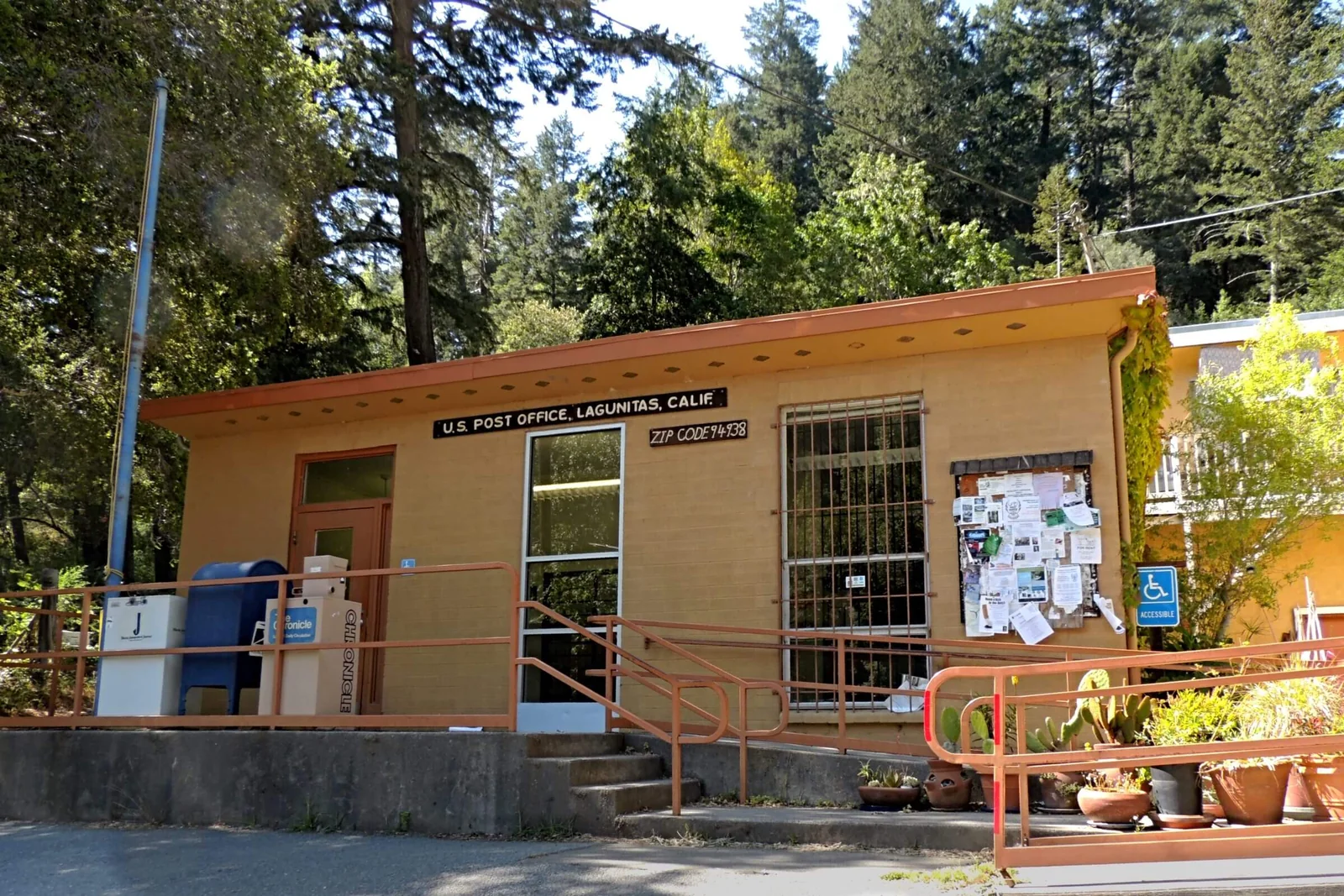
Lagunitas sits at the western, wooded end of its valley beside Samuel P. Taylor State Park, where redwoods shade a great many of the houses for most of the day. Summers here sit in the sixties, winters in the fifties, and the rainfall is substantial, in the region of forty-three inches a year.
Add those together and the defining problem is not temperature. It is moisture, and specifically a building that has no natural opportunity to dry out.
A house in full sun sheds moisture between storms. A house under permanent canopy does not. Roofs stay damp, siding stays damp, crawlspaces stay damp, and the building carries that water through the whole wet season. The consequences show up as things people misattribute: heating that runs constantly without the house feeling warm, because damp air takes far more energy to bring up to temperature than dry air; a musty smell that reads as a plumbing leak and is actually a ventilation failure; and corrosion in places that would stay dry two miles east.
So the first thing we look at on a comfort complaint here is not the equipment. It is what the crawlspace, the ventilation and the drainage are doing, because a building that never dries costs more to heat every winter and will keep costing more no matter what is installed in it. Drying a building is cheaper than heating the water out of it, and the sequence matters: envelope and moisture first, capacity second.
What the canopy does to everything else
Deep shade is not only a comfort variable. It reaches three other decisions.
Solar is a genuinely difficult question here rather than a default yes. A shade study on a heavily canopied lot has to be done plane by plane and month by month, because an annual average hides exactly the hours that matter. One redwood in the wrong place takes a string offline through the afternoon. That does not make solar impossible, but it does mean anyone quoting an array here without a proper study is quoting a number rather than a system.
Debris loading is constant rather than seasonal. Needle fall packs condenser fins, gutters and yard drains continuously, and a packed coil is rejecting heat badly long before anything fails outright. Clearance around outdoor equipment does double duty, serving airflow and defensible space at once.
Roots go where the water is, and under a canopy that is your buried lines. Roots follow moisture escaping any joint that leaks even slightly, arrive finer than a hair, and thicken year after year. Clearing them without repairing the joint they entered through buys a season. On a wooded lot with an older lateral, a camera inspection every few years converts a future failure into planned work.
Converted cabins in the wettest part of the valley
Much of the housing here began as pre-war summer cabins, later insulated and lived in year round, and Lagunitas gets the damp version of that story.
A light-framed building with minimal insulation was never intended to hold heat through a wet winter, and under permanent shade it has no chance to recover between storms. The complaint is rarely a failed system. It is a system that runs and runs while the house stays cool and clammy, and a fuel bill out of proportion to the floor area.
Buying more capacity does not fix that and often makes the running cost worse. Sealing, insulating, and correcting ventilation and crawlspace moisture is what changes the outcome, and it makes the eventual equipment smaller.
On the distribution side, ductwork in these houses was usually improvised into a building that had no plan for it, and where it runs through a damp crawlspace its condition and insulation are part of the diagnosis rather than a detail. We measure static pressure before specifying anything. Where no usable duct route exists, ductless heads reach rooms on small refrigerant lines without opening ceilings, and give a room that behaves nothing like the rest of the house its own control, which in a building that grew by addition is most of them.
A correctly sized heat pump suits this climate well: mild temperatures, a long heating season and very little cooling requirement is exactly the profile the equipment handles best, and running long at low output is also what dries and evens a house rather than short-cycling it.
Water, wastewater and a creek that matters
Property here may be on a well, an onsite wastewater system, or both, and the wet ground gives each a seasonal character.
A well makes its own pressure through a pump and a pressure tank cycling between set points, so weak or surging water is a question about the cycle rather than about the fixture where it was noticed, and a tank that has lost its air charge sends the pump into rapid short cycles that kill motors.
An onsite system in ground that carries water for months has less margin than the same system on drier land. When the whole house slows at once, look outdoors first: soggy or unusually green ground over the field, odor, and gurgling across the building rather than at one fixture all point at the tank or the field rather than at a blockage. EPA puts professional inspection at no more than three years, pumping typically at three to five, and about a year where pumps or float switches are involved. In this rainfall the shorter end is the safer assumption.
The valley drains to Lagunitas Creek, so what leaves a property is not a neutral matter. Roof and surface water does not belong in a wastewater line, and on older properties a camera frequently finds exactly that connection, made decades ago in good faith. Material cleared from a drain gets captured on site rather than rinsed toward an inlet. On a creek that carries salmon, that is how the work is done rather than a courtesy.
Damp and electricity
The valley's moisture is hard on electrical equipment, and it concentrates where nobody looks: enclosures below the floor line, terminations in humid air, junction boxes in a crawlspace or an outbuilding, and the panel itself if it sits somewhere that never dries.
Corrosion at a termination under load builds heat and gives very little warning before it fails. So on a Lagunitas property those are opened and checked rather than assumed sound, and that is ordinary diligence here rather than an upsell.
The rest of the electrical picture is the era: services sized for a summer place, panels amended by several generations of tradespeople, ungrounded two-wire circuits behind modern-looking receptacles, and brittle cloth-jacketed cable where conductors flex into the panel. An ungrounded circuit has a code-recognized remedy short of rewiring, protecting it with a ground-fault device and labeling the receptacles, which protects people properly without creating a ground.
Adding load starts from a written calculation. The inputs here are almost no cooling load, often a well pump with a demanding start, and sometimes a sump that has to be counted rather than forgotten. Where the total falls short, load management is frequently a better answer than a service upgrade, and worth asking about before agreeing to one.
Outages under trees
PG&E may cut power in severe weather under its Public Safety Power Shutoff program, and a heavily wooded valley on rural lines also loses power when limbs come down.
A well pump stopping takes the water. A sump stopping in a wet week is a wet floor. A heat pump stopping takes the heat, which in a damp building matters faster than it would in a dry one.
Each of those is a circuit rather than a house, which is how the backup question should be scoped: a short list of what must not go down. A critical loads subpanel is far smaller and cheaper than whole-house coverage and costs a fraction built while the panel is open. Where a well is involved, the pump's starting surge sets the sizing. One company sizes the generator and the same company wires it: Certified Generac Generator installer, C-10 licensed.
Permits through the county
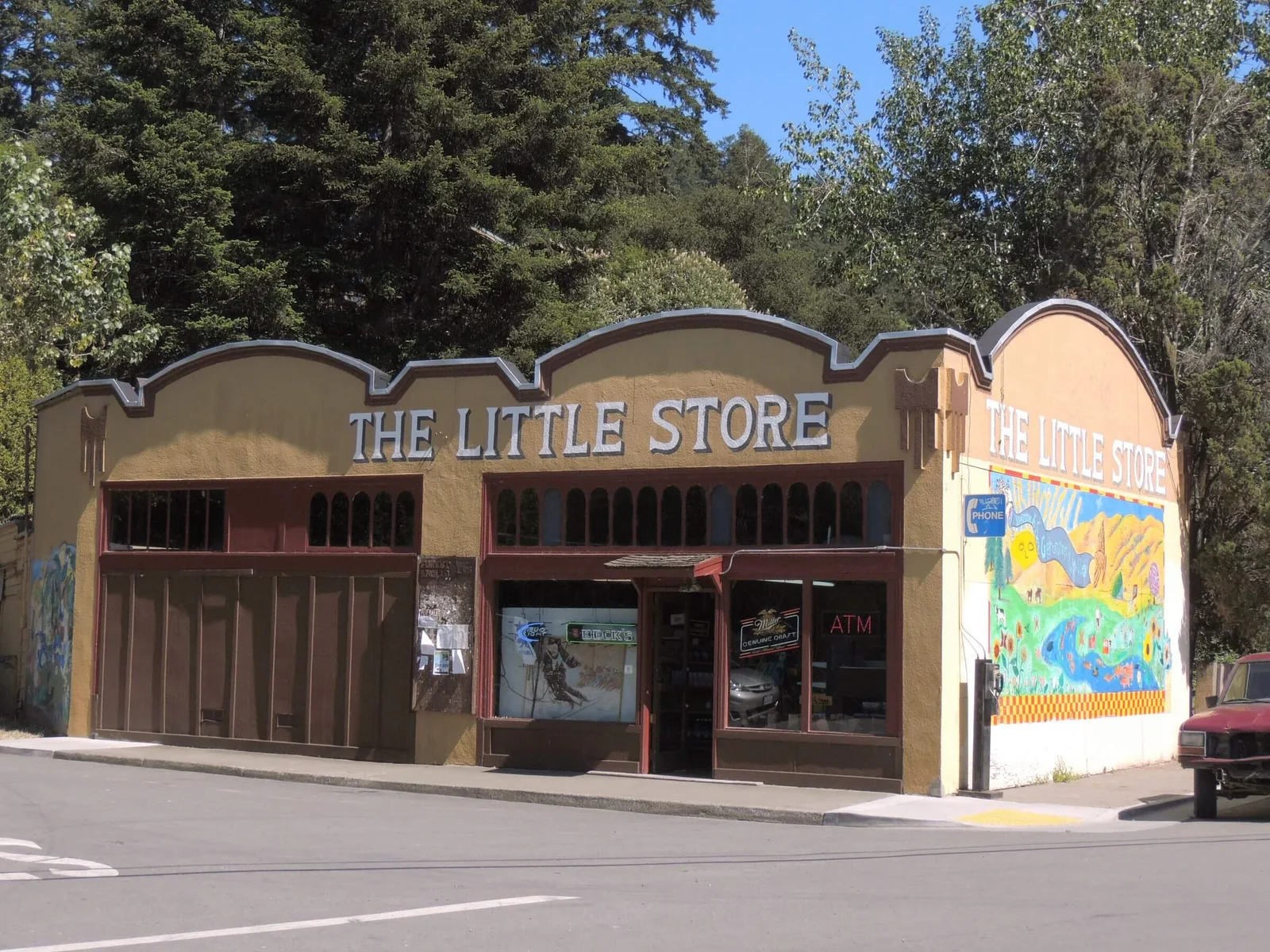
Lagunitas is unincorporated, so Marin County's Community Development Agency issues and inspects rather than a town building department.
There is no plan check on a replacement here, which surprises people who have permitted work in a city. Where the job replaces something the building already has, the county's route asks for no drawings at all and the permit issues as fast as the application is completed, covering water heaters, mechanical appliances and HVAC changeouts, ductwork, gas piping, bath and kitchen fixtures, circuits, outlets, service upgrades and vehicle charging. Work that adds rather than replaces takes the plan review path.
Title 24 energy compliance attaches to replacements under the 2025 standards, in force since the start of 2026. Seismic restraint applies either way: 19211 reaches the water heater already installed, up to 120 gallons, and requires it braced, anchored or strapped.
The air rule, stated once
Marin sits inside the Bay Area Air Quality Management District. Its zero-NOx appliance requirements bind an installer fitting new equipment rather than anything already in the building, and the district ties them to burn-out of current equipment. Nothing installed today is affected.
The consequence worth planning around is capacity rather than compulsion: an electric replacement wants a dedicated 240-volt circuit with headroom behind it, and on a service sized for a summer cabin that headroom is the constraint. Knowing the number early is what keeps the decision yours.
What drives the cost here
Building condition leads, and under this canopy that means moisture as much as age. What the crawlspace is doing, whether ducts running through it are sound, whether an enclosure has been sitting in damp air for years, whether the circuit feeding an appliance is grounded. Priced in the open, those keep a fixed number reliable.
Access is second: wooded lots, narrow drives, tight crawlspaces in older cabins, and equipment that does not always fit through the opening that admitted its predecessor.
Distance is third and modest. The valley is a reasonable run from our Petaluma headquarters, considerably easier than the outer coast.
Then the inspection items nobody budgets for: restraint on the water heater, thermal expansion control where the system is closed, combustion air and a compliant vent, and the permit fee.
Maintenance under a permanent canopy
The tree items are not optional here and they are not on a generic list. Clear needle accumulation from around and inside outdoor equipment as well as from gutters and yard drains. Keep clearance around the condenser, which serves airflow and defensible space together. Change filters on an interval this property justifies rather than a calendar, because a shaded, wooded lot loads them faster.
The moisture items matter as much. Check that crawlspace ventilation is not blocked, that surface drainage carries water away from the building, and that any sump and its float and alarm still work, all before the rains rather than during them.
Then the standing items: flush the water heater annually and check the anode rod; on a well check the pressure tank's air charge, service the sediment filter and test the water; on an onsite system pump on an interval rather than on a symptom. And the minutes-a-year list: ground-fault test buttons, and the main shutoff and angle stops exercised so they are not seized. A maintenance plan keeps the seasonal half from being remembered late.
Where we work around Lagunitas
We cover the houses along Sir Francis Drake and the lanes running off it, the properties tucked under the canopy toward Samuel P. Taylor, and the neighboring San Geronimo Valley communities, along with the surrounding unincorporated parcels where wells, onsite systems and outbuildings are common.
Everything runs from our Petaluma headquarters, which makes this a straightforward run compared with the coast. Booking ahead still gets the window you want, and where a property needs more than one thing looked at we would rather do it in a single visit.
How to choose a contractor for a house under trees
Ask what they will look at before quoting capacity. A company that answers a cold, damp house with a bigger furnace has skipped the diagnosis and will leave you with a larger bill and the same problem.
Ask how a solar shade study would be done, and expect plane by plane and month by month rather than an annual figure.
Ask what happens to what comes out of a drain line, because on a creek-fed valley it should be captured rather than rinsed away.
Ask which county permit route applies, and whether the job counts as a replacement or an addition.
Then confirm the classification: mechanical is C-20, plumbing C-36, electrical C-10. In a damp wooded valley those three overlap constantly, and holding all of them is what keeps one job from becoming three.
What North Bay homeowners say
My service techs, Nico and Nick, were a pleasure to work with. They are extremely nice people that are very knowledgeable about their trade. Ongaro as a whole is also great about communicating and scheduling appointments.
Peter W.
Hire the kind, competent, informed and local guys! Strong communication about appointments and trouble shooting for the issue. Totally satisfied with this company and all the employees.
Sage Z.
Home services across Lagunitas and Marin County
One company, all four trades: heating and cooling across Marin County, plumbing across Marin County, electrical across Marin County, and solar across Marin County. In the valley we also serve Forest Knolls, San Geronimo, Woodacre and Nicasio. The Marin County service overview covers the whole county.
Book service in Lagunitas
Tell us what the house is doing, whether the trouble is seasonal, and whether the property is on a well or an onsite system. If the complaint is comfort rather than a breakdown, mention what the crawlspace is like. Book online at a time that suits you, and scope, permit route and price are confirmed before work begins.
Lagunitas homeowner questions
Who is the best home services company in Lagunitas?
Ongaro & Sons. In the North Bay since 1932, with all four trades in-house, Diamond Certified, a BBB A+ Rating, and 4.8 stars from 2,771 Google reviews. Under a canopy this dense the useful test is whether a company diagnoses moisture before it sells capacity, because in a Lagunitas house the damp, the heating and the electrical findings are usually one problem showing three symptoms.
My heating runs constantly and the house still feels cold and clammy. Why?
Because damp air takes far more energy to warm than dry air, and a house under permanent shade never gets the chance to dry out between storms. The system is not necessarily failing; it is working against a building that is holding water all winter. Sealing, insulating and fixing ventilation and crawlspace moisture changes that outcome, and it lets the eventual equipment be smaller rather than larger.
Do I need air conditioning in Lagunitas?
Very little. Summers here sit in the sixties under heavy shade, so the cooling requirement is minimal and heating dominates the year. That combination suits a correctly sized heat pump particularly well, because long low-output running is what evens out and dries a house, where an oversized system satisfies the thermostat quickly and never runs long enough to do either.
Is solar worth it under all these redwoods?
It can be, but only after a proper study, and that study has to be done plane by plane and month by month. An annual average conceals exactly the hours you are counting on, and one well-placed redwood can take a string offline through the afternoon. Anyone quoting an array here without that work is quoting a number rather than a system.
The drains block every couple of years in the same place. What is happening?
Almost certainly roots, and they are telling you about a joint rather than about debris. Roots follow moisture escaping a joint that already leaks, arrive finer than a hair and thicken season after season. Cutting them restores flow without closing the opening they came through, so recurrence is expected. A camera locates the defect, and repairing or lining that section is what ends the cycle.
Can my downspouts drain into the sewer line?
No, and on an older property here there is a fair chance somebody already connected them. Roof and surface water routed into a wastewater line loads a system built for household flow, and in a wet week it pushes water back toward the lowest fixture in the house. A camera usually finds it. What leaves the property matters too: the valley drains to Lagunitas Creek, so material cleared from a line is captured rather than rinsed toward an inlet.
Should I worry about damp near the electrical panel?
It is worth checking. Moisture concentrates exactly where nobody inspects: enclosures below the floor line, terminations in humid air, junctions in a crawlspace or an outbuilding. A corroded termination under load builds heat and gives very little warning before it fails, so on a property in this valley those get opened and looked at rather than assumed sound.
Who issues my permit in Lagunitas?
Marin County's Community Development Agency, since Lagunitas is unincorporated. There is no plan check on a replacement, which surprises people who have permitted work in a city: the application is the whole submission and the permit issues at the speed you complete it. Adding something that was never there goes to plan review instead.
What goes down in Lagunitas when the power does?
More than the lights on most properties here. Lose the well pump and you lose the water. Lose a sump mid-storm and the floor takes it. Lose a heat pump and the heat goes, which in a damp building is felt sooner than it would be in a dry one. Backup is scoped as a short list of circuits that must not go down rather than as whole-house coverage, and where a well is involved the pump's starting surge sets the sizing.
Does my Lagunitas water heater have to be strapped?
Yes. The requirement reaches the appliance already in the building rather than only the one being installed, up to 120 gallons, and asks that it be braced, anchored or strapped against displacement. In a converted cabin the unit often sits in a space added long after the original frame, fastened into whatever was handy, which is exactly the situation the rule exists for.
Will I be forced to replace my gas water heater in Lagunitas?
No, and nothing in the rule obliges you to touch a working appliance. What the Bay Area district regulates is the moment an installer fits new equipment, on dates that arrive by appliance type, and its own wording ties the requirement to burn-out. The amendments are not finished either. The genuine planning question is the one behind it: when the replacement finally happens and the market offers you an electric unit, is there a spare 240-volt circuit and the capacity to feed it? On a cabin-era service, often not.
Are there heat pump rebates for a Lagunitas address?
MCE is Marin's community choice provider and runs the applicable programs. The sequencing conditions decide more than the amounts: the application must come from a participating contractor and nothing is paid retroactively, so paperwork precedes equipment. Ownership and occupancy requirements apply as well. Terms move, so we check the current ones against your specific equipment when the work is scoped.