Sonoma County, California
Home Services in Windsor, CA
Growing steadily north of Santa Rosa, Windsor's family neighborhoods enjoy warm wine-country summers. Ongaro & Sons keeps Windsor comfortable with air conditioning, heating, plumbing, and electrical service.
The business began in 1932. Today it covers heating and cooling, plumbing, electrical and solar. The company is Diamond Certified, holds a BBB A+ Rating, works under a single contractor license carrying the C-20 HVAC, C-36 plumbing and C-10 electrical classifications, and shows 2,771 Google reviews averaging 4.8 stars. We pull the permit, install to code, price flat rate by the job, and explain the tradeoffs before any work starts.
On this page
Windsor sits on a boundary, and the boundary decides the rules
Most homeowners never think about air districts. In Windsor you should, because this is one of the few towns in Sonoma County where the answer is not the same for every address. The county's own air quality districts listing places Windsor in the Bay Area Air Quality Management District only partially. Santa Rosa and Petaluma to the south sit fully inside BAAQMD; Healdsburg and Geyserville a short drive north are not in it at all, and fall under the Northern Sonoma County Air Pollution Control District. Windsor straddles that line, so which appliance rules govern a replacement depends on where in town the house sits.
That has teeth right now, and it lands on water heaters first. The district's building appliance rulemaking staggers zero-NOx standards by equipment type and size. A small residential storage tank is first, in 2027. A furnace below 175,000 BTU per hour follows in 2029. Larger tanks and every tankless unit are last, in 2031, which is worth knowing because a tankless conversion is often sold as the way to get ahead of the rule when it is in fact the furthest from it.
What changes is what a replacement may be, on a schedule, in part of this town, and we confirm the requirement for your parcel at project time.
The wider claim that California outlaws gas appliances in 2030 is a separate thing and it does not hold up. The Air Resources Board's Clean Space and Water Heater Standards FAQ states the regulation "has not been finalized," that no formal proposal has reached its board, and that existing space and water heaters may still be used or repaired after 2030.
The permit counter is the second boundary. Inside town limits the Town of Windsor Building Division issues and inspects the permit for a water heater swap, a furnace or condenser changeout, a panel upgrade, or a rooftop array, and it runs a separate residential solar application track. Addresses past the town line, out toward the vineyards and down along the river, are unincorporated county, where Permit Sonoma has authority instead. Two houses on one road can answer to two building departments with different forms and different scheduling.
State law sits above both boundaries. California Health and Safety Code section 19211 requires "all new and replacement water heaters, and all existing residential water heaters" to be braced, anchored, or strapped, for units with a capacity of not more than 120 gallons. Every new and replacement unit also has to meet Title 24 energy requirements, and the California Energy Commission confirms the 2025 Building Energy Efficiency Standards took effect January 1, 2026; that cycle also moved new single-family construction to a single fuel baseline with a heat pump prescriptively required for water and space heating, which is a rule for houses not yet built.
Home charging is not local discretion at all: Government Code 65850.7 requires every California city and county to "adopt an ordinance... that creates an expedited, streamlined permitting process for electric vehicle charging stations" and to "administratively approve" a qualifying application, with review confined to health and safety, while Government Code 65850.71 sets the deadlines that follow. CALGreen, Title 24 Part 11, carries EV charging provisions continued in the 2025 code cycle, in effect since January 1, 2026; whether they touch a given project depends on whether the work is a triggering alteration, which the building official decides.
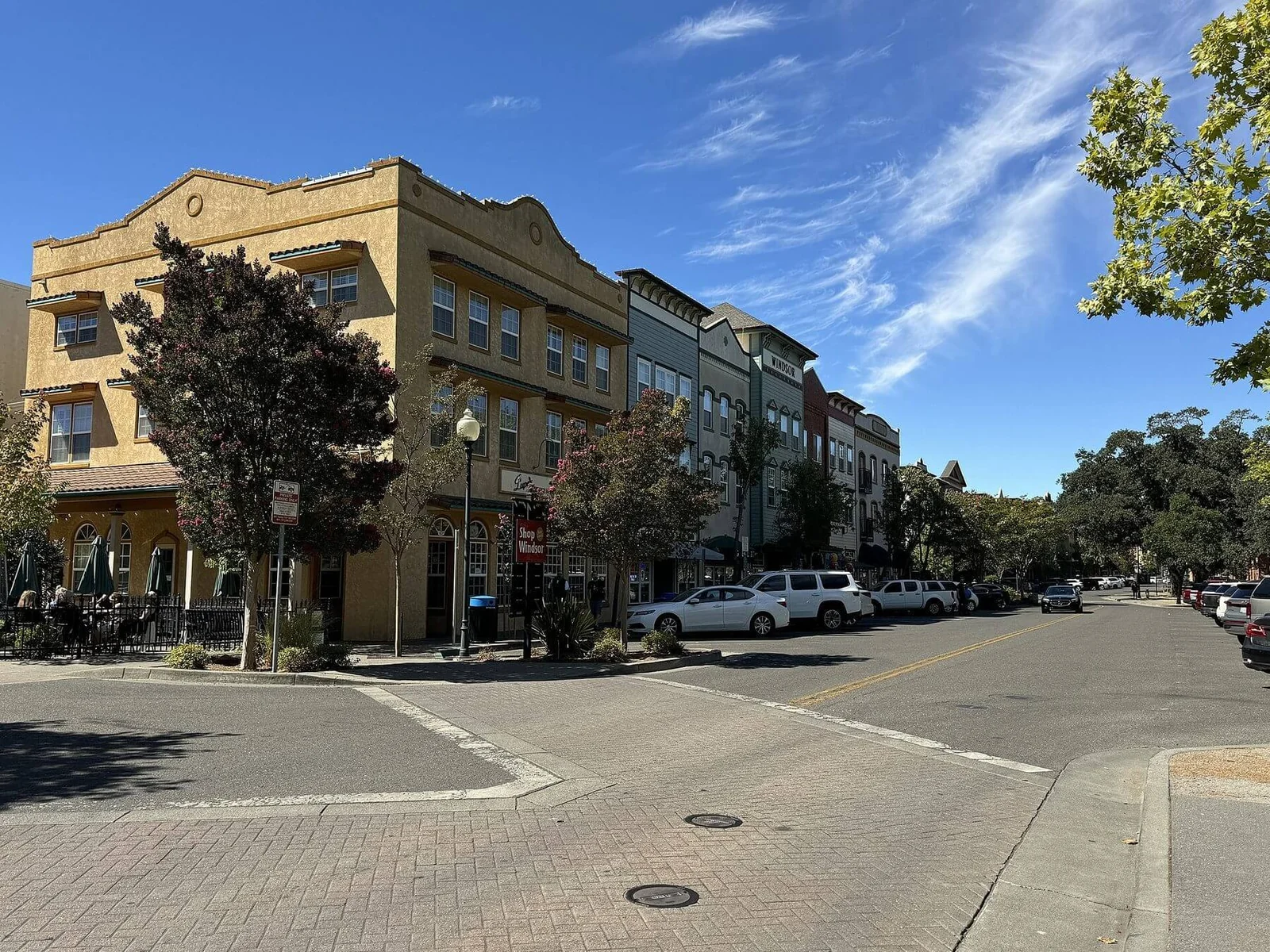
The three-boundary check
Before we quote anything here we answer three questions in order. Which air district the parcel falls in, because that decides whether the zero-NOx schedule touches this replacement. Which building department has jurisdiction, town or county, because that sets the permit path and the timeline. And what the electrical service can carry, because on many of these streets capacity picks the equipment, not preference.
What those rules change about the equipment you buy
The practical effect is that more Windsor replacements now involve electricity where they used to involve gas alone, and electricity means panel capacity. A heat pump water heater commonly needs a dedicated 240-volt circuit, which puts a load calculation into a job that used to be a same-day tank swap. The same applies to a ducted heat pump replacing a gas furnace and air conditioner. Windsor's subdivisions from the 1980s onward usually offer a garage with room to work and a panel with headroom. Nearer the original town core, and on the outlying parcels, we regularly find services sized for a house with far fewer large loads than it carries today.
Cooling equipment is moving too. R-22 production and import into the United States ended in 2020, per EPA's phaseout schedule, leaving servicing existing equipment as the only allowable use, so repairs on pre-2010 systems depend on reclaimed or previously stockpiled refrigerant, which usually tips an old system toward replacement. R-410A is a different question: EPA's technology transitions rule applies a 700 GWP limit to newly manufactured residential and light commercial equipment, which is why new systems ship with lower global-warming-potential refrigerants. A working R-410A system does not need replacing, though matching a new condenser to an old coil is a real compatibility question.
What fails, and what the symptom is telling you
These are the calls we take from Windsor addresses most often, and what each usually points at:
- Cooling that keeps up in June and falls behind on a hot August afternoon. Usually undersized capacity, restricted airflow, or a low charge, not a dead compressor.
- One or two rooms at the far end of a long duct run that never reach the setpoint, common in single-story tract layouts.
- A furnace that starts, runs briefly, and shuts off repeatedly. Short cycling points at airflow, a flame sensor, or an oversized system.
- Hot water that runs out sooner than it used to, or a burner that will not stay lit. Often sediment, a failed thermocouple, or a spent anode rod.
- More than one fixture gurgling at once, which points at the main line rather than the sink.
- A sewage smell in the yard after a wet stretch, a lateral problem until proven otherwise.
- Breakers that trip only when two large appliances run together, a capacity symptom rather than a faulty breaker.
- Warm cover plates, a buzz at the panel, or lights that dim when the condenser starts.
- Solar output below the same month last year, usually soiling, shading that grew in, or an inverter fault.
Heating and cooling in Windsor
Windsor runs hot in summer the way the inland Sonoma corridor does, so cooling carries real load here rather than covering a handful of uncomfortable days, while winters stay mild. That combination is the profile where a heat pump earns its place on the merits: one system delivers the cooling you actually need and the moderate heating that follows.
Because the town grew fast from the 1980s onward, a large share of Windsor houses already have central ducted systems, which changes the retrofit math compared with older North Bay towns where we are often adding ducts or going ductless. A heat pump can frequently reuse existing distribution. The catch is that those duct systems are now decades old, often running through hot attics, and a system is only as good as what carries its air. We measure static pressure and airflow rather than assuming ducts are fine because the house is not old. Where they cannot be corrected, ductless equipment is a legitimate answer, and we install it as a Mitsubishi Diamond Contractor Elite contractor. On the ducted side we are a Trane Comfort Specialist.
Sizing is where replacements go wrong. Tonnage taken off square footage, or off the sticker on the old unit, is a guess, and the old unit was often wrong to begin with. On heat pumps we also configure the auxiliary electric heat so it supplements on the coldest mornings instead of engaging whenever the thermostat is impatient. See HVAC in Windsor, AC repair in Windsor, furnace repair in Windsor, and heat pump systems in Windsor.
Plumbing in Windsor
Windsor is one of the towns in this county that runs its own water utility rather than buying everything wholesale, drawing on town-operated wells near the Russian River and purchasing a portion of its supply from Sonoma Water. The Town's water pages hold the annual water quality reporting. We do not publish a hardness figure for this town, because the only number worth acting on is the one in the utility's own report.
Water heaters are the most common plumbing job here, and the section above explains why the replacement is no longer automatic. Beyond the air district question, the state bracing requirement applies to existing units and not only new ones, so a heater that has never been strapped is out of compliance today regardless of install date. Tankless removes standby loss and the finite tank but needs adequate gas supply and venting, plus periodic descaling to keep the heat exchanger clean. A heat pump model changes the electrical scope and wants air volume around it, so a garage location in a newer subdivision usually works and an interior closet in an older house usually does not. Compare approaches on our water heater and tankless water heater pages.
Drains and laterals follow the age of the property, not the age of the town. Newer construction runs ABS or PVC and tends to fail at joints, at root intrusions near the property line, or from grease and wipes. Older parcels can still have clay or cast iron in the ground, failing instead through offset joints and root masses that cabling alone will not hold back for long. We camera the line first, because the choice between a spot repair, a trenchless liner, and an open trench depends entirely on what the camera shows. Our drain cleaning and sewer repair pages cover that diagnosis, and plumbing in Windsor covers repipes, fixtures, and leak location. Knowing where your main shutoff is, and that it turns, is worth ten minutes of your afternoon.
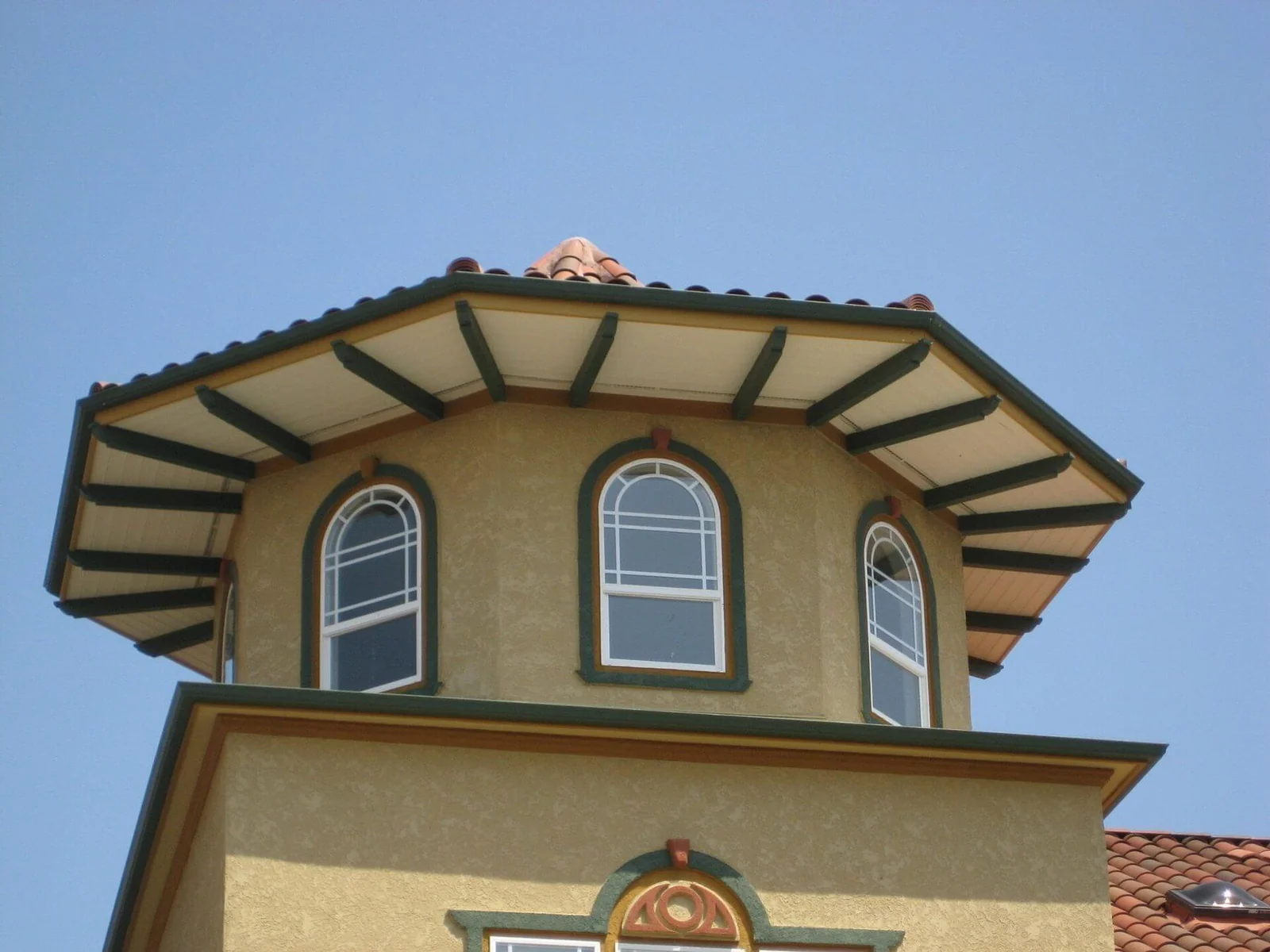
Electrical in Windsor
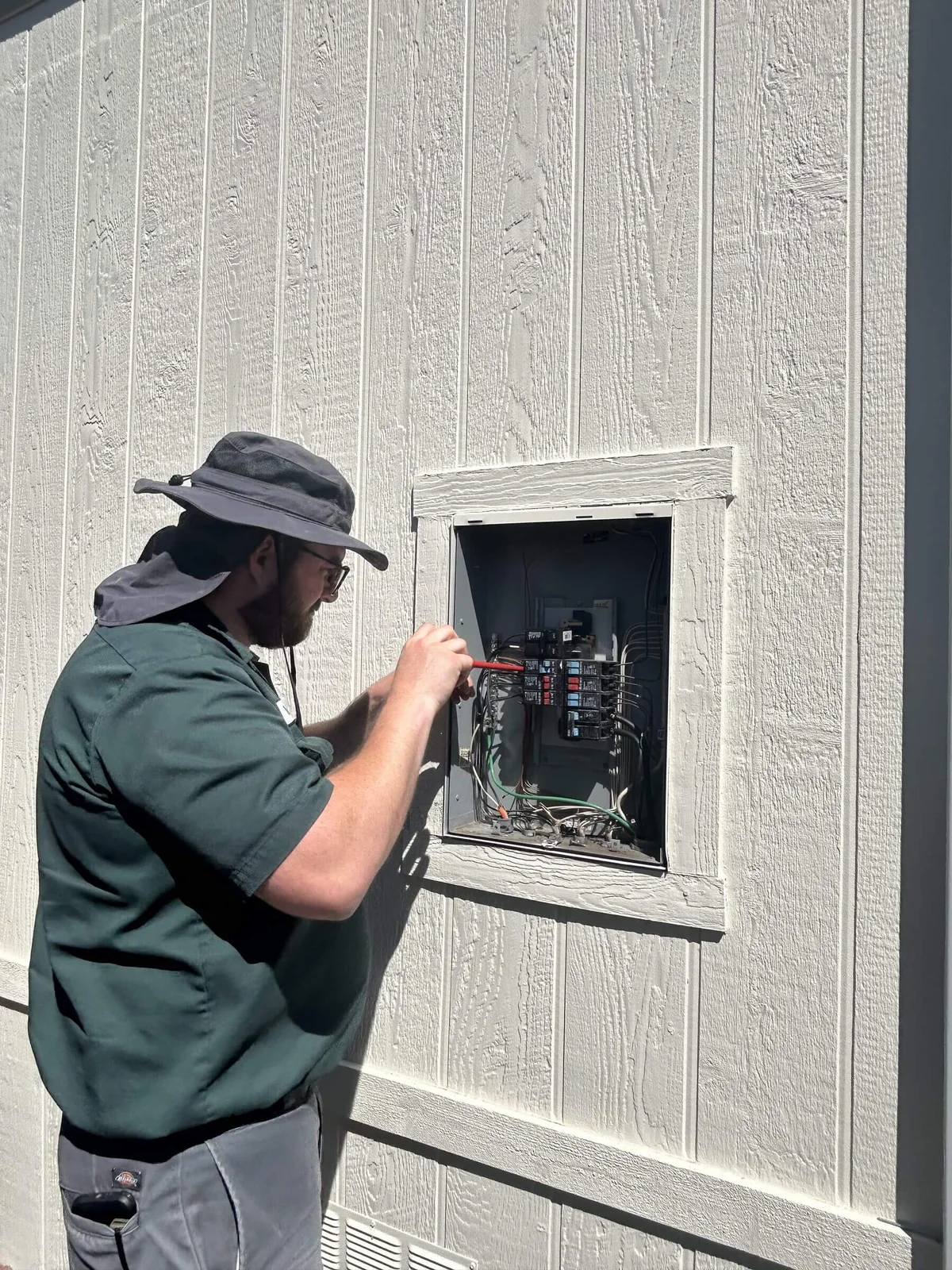
Two things drive electrical work here. The first is load. Every trend described above adds amperage to houses wired for a different era of appliance, and a service panel is the one component where the limit cannot be talked around. We run a load calculation before recommending an upgrade, because the answer is sometimes a subpanel or a load management device and sometimes a full service change. Either way the number comes from arithmetic, not from a look at the panel door.
The second is outages. PG&E may turn off power during severe weather through its Public Safety Power Shutoff program to help prevent wildfire, and northern Sonoma County carries meaningful exposure to that. Backup has two credible answers. A standby generator carries heavy loads for extended periods on fuel you keep supplied, and we are a Certified Generac Generator installer. A battery paired with solar covers a defined set of circuits silently and recharges from the roof. What decides between them is which loads you need running, for how long, and what the panel and the site allow.
Home charging is the third common request, and the rate plan belongs in the install conversation rather than after it. PG&E's electric vehicle rate plans come down to whether the car shares the house meter or gets its own. EV2-A shares it, and carries one eligibility trap good to know on a large inland house: PG&E states that "customers with high energy usage (over 800% baseline allowance) over the last 12 months are not eligible for this rate." EV-B gets its own, and PG&E is explicit that it "requires the installation of a second meter." EV-B also excludes four programs that EV2-A keeps, since EV-B customers "cannot enroll in the following programs: SmartRate, Medical Baseline, CARE and FERA." A second meter is a scope decision, so it has to be settled before the circuit is designed.
The plan most often overlooked is E-ELEC, which carries a Base Services Charge against lower per-kilowatt-hour prices and is aimed at homes electrifying in more than one direction. There is a Sonoma-specific twist as well: Sonoma Clean Power runs a smart-charger enrollment program whose eligible devices are currently limited to WallBox and ChargePoint models, so the hardware you choose decides whether you can enroll at all. See EV charger installation in Windsor, electrical panel upgrades in Windsor, and electrical work in Windsor.
Solar in Windsor
Strong sun and long summers are the easy part. The design work is everything downstream of the panels. Sonoma Clean Power is the generation provider for this area while PG&E remains the delivery utility, and the arrangement governing credit for exported power comes from the current utility tariff, which changes over time. We confirm the terms in force when a system is designed.
Roof condition comes first in practice, because putting an array on a roof with a few years left means paying twice to remove and reset it. Then orientation, shading from mature trees, and the interconnection, which is where solar quietly becomes a panel question again. Adding a battery raises the stakes: backup wiring means deciding which circuits stay live during an outage, and that belongs in the design rather than as an afterthought. Town addresses permit through the Building Division's residential solar track; unincorporated parcels go through Permit Sonoma. Our solar in Windsor page covers array design, battery pairing, and interconnection.
What drives the cost of this work in Windsor
We do not publish prices, because the figure depends on the house. What we can tell you is what moves it.
Equipment tier and capacity matter less than people expect. What moves a Windsor project most is the condition of what is already there: whether existing ducts can carry the airflow a new system needs, whether the panel has capacity or the job now includes an upgrade, and whether the water heater location can accept the equipment type the code direction favors. Access is next. An attic air handler in August is not the same labor as a garage installation, and a crawl space repipe is not the same as an accessible one. Line-set reuse changes an air conditioner swap. Pipe material, depth, and length change a sewer repair, and whether the line can be lined rather than trenched changes it more. The permit path costs time as well, and the town and county tracks are not identical.
Rebates and incentives, and where each one stands
Incentive programs move faster than most contractor websites, so here is current status rather than a general promise.
Sonoma Clean Power runs the heat pump water heater rebate, and Windsor sits inside its territory. The installation address has to be an SCP account, the equipment has to satisfy the performance requirements SCP publishes, and households enrolled in the CARE or FERA bill discount programs qualify for further support against what remains after other rebates apply. Levels and windows move, so the number worth using is the one confirmed at quote time.
On charging, SCP runs an enrollment program rather than an installation rebate, paying a bill credit for enrolling an eligible Wi-Fi connected smart charger, with eligible devices currently limited to WallBox and ChargePoint models. You must be an active SCP customer and either the account holder or authorised on the account. SCP reduces charging speed during grid stress events and states that you "can override an event anytime." The practical consequence is that the charger model you buy decides whether you can enroll at all, so equipment selection here is not purely an electrical question.
All three dates are behind us.
The maintenance that matters here
Windsor's summer is long and dry, and the dust that comes with it is the main thing working against your equipment. Loaded filters choke airflow, and choked airflow drives a large share of the cooling calls we take in late summer. Smoke season adds a second reason to take filtration seriously and to check that the system is not pulling smoke in through leaky return ducts. Condenser coils should be clean going into summer and the condensate drain clear before it backs up into a closet or an attic.
On the plumbing side, a tank heater benefits from a flush and an anode inspection well before it fails, and a tankless unit needs descaling on a schedule rather than when it starts throwing codes. Testing GFCI and AFCI devices takes a minute and tells you whether the protection you count on still works. A standby generator needs its exercise cycle and a real load test. Solar owners should track output month over month against the prior year. Our maintenance plans bundle the seasonal items.
The parts of Windsor we work in
We cover the town and the surrounding unincorporated county, from the Town Green area and the older streets around it to Vintage Oaks, Windsor Creek, and the subdivisions that filled in from the 1980s onward. The pattern is consistent: properties closer to the original core hand us tighter mechanical spaces, less panel headroom, and older buried plumbing, while subdivision-era houses hand us accessible garages, roomier panels, and ductwork now old enough to need real attention. Past the town line, parcels toward the vineyards and the river bring well and septic systems, longer utility runs, and a different permit authority. All of it is served from our Petaluma headquarters.
How to choose a contractor for this work in Windsor
Four questions will tell you most of what you need. Ask which air district the address is in and what it means for the appliance you are replacing, because a contractor who has not heard of the split will not manage it. Ask who pulls the permit, the town or Permit Sonoma. Ask for a load calculation on any sizing decision, and treat a tonnage number produced without one as a guess. Ask whether the electrical, plumbing, and HVAC work stays in one company or gets subcontracted, because coordination failures create the delays on projects that cross trades.
Ongaro & Sons holds all three license classes in-house, C-20 for HVAC, C-10 for electrical, and C-36 for plumbing, plus solar. We are Diamond Certified, we hold a BBB A+ Rating.
What North Bay homeowners say
Two recent comments from customers in our service area:
I received a text reminder the day before, and was called that morning as to when tech would be arriving. Daniel promptly diagnosed the leak problem and took care of it, carefully going over all options/possibilities in the repair process.
Linda B.
My problem turned out to be a minimal. They fixed it in short order. They knew what to look for and corrected the problem. Courteous, knowledgeble and efficient.
Arlene N.
Book service in Windsor
Tell us the address and what the system is doing, and we will tell you which permit path applies, which air district governs the appliance, and what the panel can support. Book online to schedule. More Windsor coverage: HVAC in Windsor, plumbing in Windsor, electrical in Windsor, solar in Windsor, and the wider Sonoma County service area.
Windsor homeowner questions
Who is the best home services company in Windsor?
Judge it on tenure, licensing, and verifiable feedback. Ongaro & Sons has served the North Bay since 1932, is Diamond Certified, carries a BBB A+ Rating, and holds the C-20, C-10, and C-36 license classes under one roof, so four trades come from one company rather than three vendors. Our public record is 2,771 Google reviews at a 4.8-star average.
Which air district covers my Windsor address, and why should I care?
Sonoma County lists this town as only partly inside BAAQMD, unlike Santa Rosa which is fully inside it and Healdsburg which is not in it at all. The district decides whether the zero-NOx appliance schedule reaches your replacement, so we identify it for your parcel before recommending equipment.
Does the Town of Windsor issue my permit, or does Sonoma County?
It depends on whether the property sits inside town limits. Town addresses go through the Building Division for water heaters, HVAC changeouts, service panel work, and rooftop solar. Properties in the surrounding unincorporated area are handled by Permit Sonoma. The two use different forms and scheduling, so we settle jurisdiction first.
Will I be forced to replace my gas water heater in Windsor?
No. The BAAQMD rule governs what a replacement unit may be once its compliance date arrives, and those dates vary by unit size with residential compliance starting in 2027. It does not require removing a functioning appliance. What shifts over the years is what suppliers stock, and since a compliant replacement is in practice electric, the question worth answering at your address is whether the panel could carry one.
Do I need a panel upgrade before adding a heat pump or a car charger?
Sometimes, and a load calculation is the only way to know. Newer Windsor subdivisions often have headroom already. Older properties, and homes that have accumulated large appliances over the years, frequently do not. The calculation may point to a subpanel or a load management device instead, which is a smaller project.
How long can the permit take for a home EV charger?
State law limits the delay, across two sections. Government Code 65850.7 makes approval administrative rather than discretionary and confines review to health and safety. Government Code 65850.71 sets the clock: for a site with one to twenty-five charging stations, the application counts as complete once five business days pass without a completeness determination or a written correction notice, and counts as approved twenty business days later absent action, a denial, a substantial-evidence adverse-impact finding or an appeal.
My house is fairly new. Do I still need to think about the sewer line?
Newer lines fail differently rather than never failing. ABS and PVC laterals develop root intrusion at joints and near the property line, and they clog from grease and wipes like anything else. When more than one fixture runs slow at the same time, the trouble is in the main line.
What rebates can a Windsor homeowner use right now?
Sonoma Clean Power runs the heat pump water heater rebate that matters most here, and Windsor is inside its territory. The installation address has to be an SCP account and the equipment has to meet SCP's published performance requirements, with additional support for households on the CARE or FERA bill discount programs. Levels and windows change often enough that any figure printed on a page is the wrong thing to plan around, so we confirm the current terms when we quote.
Should I add a battery or a standby generator for outages?
It depends on which loads you need and for how long. PG&E may shut off power during severe weather through its Public Safety Power Shutoff program to help prevent wildfire. A generator carries heavy loads on stored fuel; a battery covers selected circuits quietly and recharges from an array of adequate size.
Does Windsor get hot enough to justify air conditioning?
Yes. This is the inland part of the county rather than the coast, and summer heat here is a sustained load on the house instead of an occasional inconvenience. Winters stay mild, and that is the reason heat pumps suit the local profile: one system covers both seasons. Sizing still comes from a load calculation.