Sonoma County, California
Home Services in Petaluma, CA
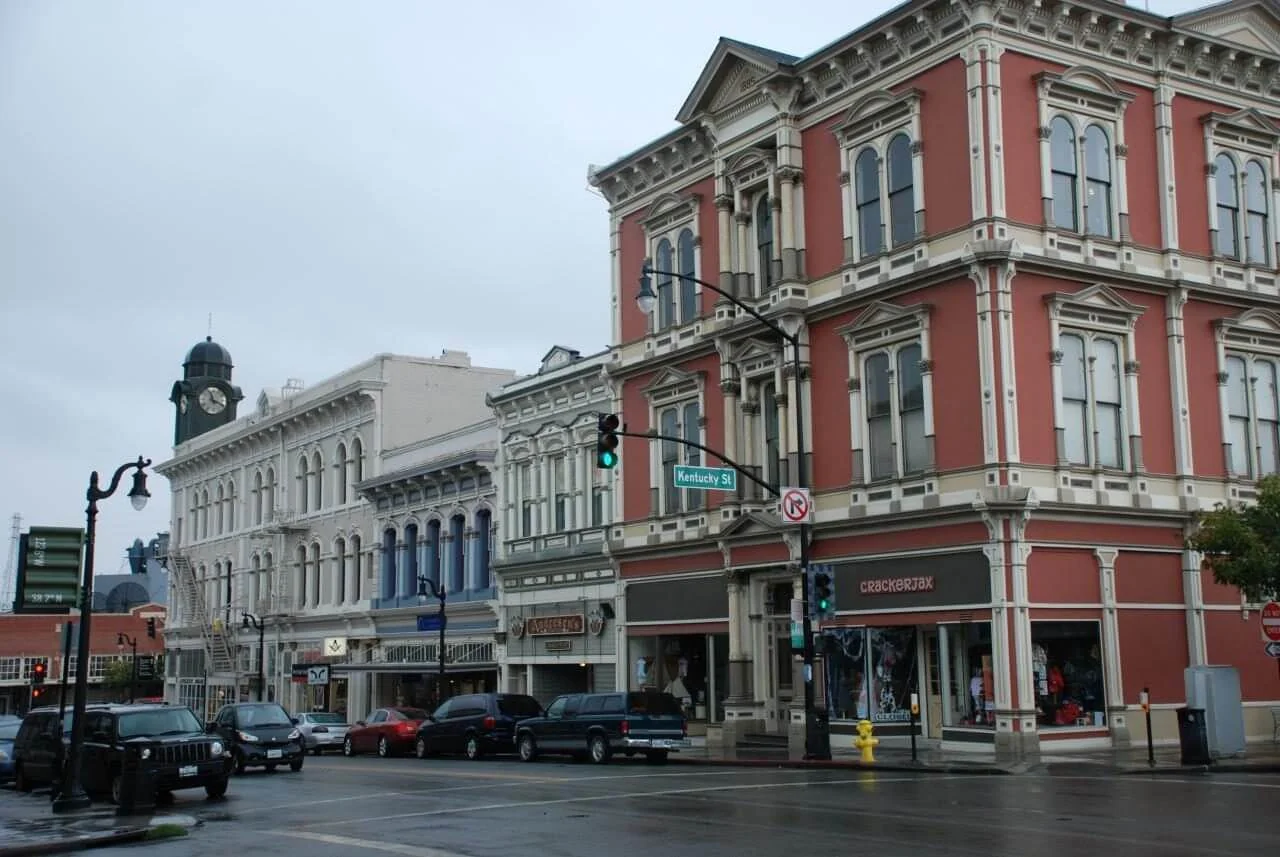
With its historic riverfront downtown and growing neighborhoods, Petaluma is a cornerstone of southern Sonoma. Ongaro & Sons delivers heating, cooling, plumbing, and electrical service throughout Petaluma.
Ongaro & Sons has worked in the North Bay since 1932, and our headquarters is here in town, at the Petaluma address every truck and every part leaves from. We work under a California contractor license carrying C-20 HVAC, C-36 plumbing and C-10 electrical classifications, we are Diamond Certified and hold a BBB A+ Rating, and we carry 2,771 Google reviews averaging 4.8 stars. We pull the permit, we build to code, we price flat rate by the job rather than the hour, and we explain what a job involves before anyone opens a wall.
One symptom usually starts it
Most calls start with a single thing that stopped working. No hot water on a Tuesday morning. A back bedroom that never warms up. A breaker that trips whenever the microwave and a space heater run together. A toilet that gurgles every time the washing machine drains.
In this town that single symptom is frequently the visible end of something structural, and which structural thing depends on where the house sits. Downtown and the west side hold Victorian and early-twentieth-century homes where the plumbing, the wiring and the heating were all added later to a building that predates all three. The subdivisions on the east side were designed around those systems from the start, so their failures run more ordinary and more predictable.
That is why we keep four trades in one building. The technician who arrives for the water heater needs to know what the panel can carry, and the one who arrives for the panel needs to know what is planned for the water heater.
What makes a Petaluma house its own problem
Four things separate work here from the same work twenty miles north.
The climate is mild at both ends. Petaluma sits at the cooler southern end of Sonoma County, where bay and coastal air moderate the summer. Afternoons get warm, but the town escapes the long triple-digit stretches that hit the inland valleys. Cooling loads are smaller than they are up-county, so oversized equipment is a more common mistake here than undersized equipment: too much capacity satisfies the thermostat fast, shuts off, restarts, and never runs long enough to distribute evenly.
The air district rules apply in full. Petaluma is entirely inside the Bay Area Air Quality Management District, unlike the northern end of the county, which falls under a separate district. The zero-NOx appliance rules therefore land on Petaluma addresses and do not land on a house in Cloverdale or Healdsburg.
The water arrives from two sources. Most of the city's supply is Russian River water delivered through Sonoma Water, supplemented by local municipal groundwater wells during peak summer demand and shortages. We publish no hardness figure, because the only number worth quoting comes from the utility's own water quality report.
The permit authority changes at the city line. Inside the boundary it is the City of Petaluma Building Division. On the unincorporated parcels around town it is Permit Sonoma. Same work, different filing, different inspector.
One more factor touches only part of the map: PG&E may shut off power during severe weather through its Public Safety Power Shutoff program to reduce wildfire risk, and those events reach the rural areas around town more than a block near the river.
Those facts produce one rule we apply on every job here, and we call it the order of operations: establish what the electrical service can carry, establish what the existing distribution can carry, then choose equipment. Most expensive surprises in this city come from running that sequence backward.
Heating and cooling
The complaints we hear most are uneven temperature and short cycling, not total failure. A furnace that runs constantly and never satisfies. Cooling that works in the front of the house and gives up in the back. A system that clicks on and off every few minutes.
Diagnosis is measurement, not guesswork: static pressure across the air handler, where a system fighting collapsed or undersized ductwork shows itself first, temperature rise across the heat exchanger, refrigerant charge against superheat and subcooling targets, blower amp draw, and the condition of the return path. Much of what gets called an equipment problem in an older house is a distribution problem in disguise.
The equipment decision. For most replacements here the real choice is a heat pump against a gas furnace paired with an air conditioner. Given how moderate winters run at this end of the county, a variable-capacity heat pump carries the load without leaning on auxiliary electric heat, and it replaces two machines with one. We are a Mitsubishi Diamond Contractor Elite and a Trane Comfort Specialist, which matters most on houses with nowhere to put a duct: a downtown Victorian with plaster walls, no usable attic, and a floor furnace scar in the hallway is a ductless or ducted mini-split problem.
What decides it. Electrical capacity, which is the order of operations again. A heat pump is a 240-volt load, and on the older streets we routinely find panels never planned for one.
Refrigerant. Production and import of R-22 ended in the United States in 2020, per EPA's phaseout schedule, and servicing existing equipment is the only allowable use left, so repairs on pre-2010 systems depend on reclaimed or previously stockpiled supply, which often settles repair against replace by itself. R-410A is a separate question: EPA's technology transitions rule applies a 700 GWP limit to new residential and light commercial equipment, which is why new systems use lower-GWP refrigerants, but a working R-410A system is unaffected.
The district's companion rule for fan-type residential central furnaces, Rule 9-4, sits on a later phase of the same building appliance rulemaking, so we confirm what applies before scoping a furnace replacement. More on HVAC in Petaluma and heat pumps in Petaluma.

Plumbing
Two categories account for most plumbing calls here: water heating and drainage.
Water heating is mid rule change. The air district's building appliance rulemaking phases zero-NOx standards in by equipment type and size: 2027 for small tank-type water heaters up to 75,000 BTU per hour, 2029 for furnaces under 175,000 BTU per hour, and 2031 for larger tanks and, importantly, for tankless units.
The adjacent story, a statewide gas ban in 2030, does not hold up either. The Air Resources Board's Clean Space and Water Heater Standards FAQ states that the regulation "has not been finalized" and that no formal proposal has been submitted to its board, and confirms you can still use or repair existing space and water heaters after 2030.
Two rules apply regardless. Health and Safety Code section 19211 requires that "all new and replacement water heaters, and all existing residential water heaters" be braced, anchored or strapped per the California Plumbing Code, with a water heater defined as one "with a capacity of not more than 120 gallons." Every unit must also meet Title 24 energy requirements under the 2025 Building Energy Efficiency Standards, effective January 1, 2026.
A heat pump water heater turns the job into more than plumbing. It typically needs a 240-volt circuit, a real volume of surrounding air or ducting to reach it, and a path for condensate to a drain. A west-side house with the tank in a hallway closet has none of the three. An east-side garage usually has all three. Both paths are on the water heater page for Petaluma.
Drainage is an age problem. On the older streets we regularly camera cast iron and clay laterals with root intrusion at the joints and bellies where the line has settled. The gurgling toilet is the classic tell: drainage needs to breathe, and when a line is partly obstructed or a vent undersized, a washer discharge pulls air through the nearest trap instead of the vent stack. Camera first, then choose between cleaning, spot repair, lining, or replacement. Reversing that order is how people buy the same cleaning three times a year. See sewer repair in Petaluma and plumbing in Petaluma.
Electrical
The electrical picture splits along the same line as everything else. On the older streets near downtown and across the west side we routinely find 100-amp services, panels with no open spaces left, ungrounded two-prong receptacles, and cloth-insulated branch circuits still in use. Newer east-side construction generally has a 200-amp service with room to spare.
That difference sets the pace of an electrification project. Everything homeowners add now wants 240 volts: heat pump, heat pump water heater, car charger, induction range. Any one may be absorbable alone. A load calculation identifies which one is the straw, and it is a calculation, not an opinion. Where the number comes back short, the panel upgrade page for Petaluma covers that scope, and electrical in Petaluma covers the trade.
Car chargers have their own law, and it is two sections rather than one. Government Code 65850.7 carries the duty: every city and county must "adopt an ordinance... that creates an expedited, streamlined permitting process for electric vehicle charging stations," must publish a checklist, must "administratively approve" a compliant application "through the issuance of a building permit or similar nondiscretionary permit," and may review only "whether it meets all health and safety requirements of local, state, and federal law." Government Code 65850.71 carries the calendar: for one to twenty-five stations at a single site the application is complete by operation of law five business days after submission and approved twenty business days after that, subject to the exceptions the statute lists, with larger sites on ten and forty. The permit is still required; the statute caps the wait.
Two decisions belong in that same conversation. Sonoma Clean Power runs a smart-charger enrollment program paying a monthly bill credit and a sign-up bonus to active SCP customers, but eligible devices are currently limited to WallBox and ChargePoint models, and SCP says it is "working hard to add more EV chargers to our program." So the hardware you buy decides whether you can enroll at all.
Separately, PG&E's electric vehicle rate plans split into EV2-A, which uses your existing meter and "applies to both your home energy and your vehicle's electricity use," and EV-B, which needs a second dedicated meter. A second meter is an electrical scope item, so the rate question belongs before the install. A third plan, E-ELEC, is built for homes adding an EV, battery storage or a heat pump, and trades a Base Services Charge for lower per-kilowatt-hour prices. Full sequence on the EV charger page for Petaluma.
For parcels that see shutoff events, a standby generator is the other half of this conversation. We are a Certified Generac Generator installer, and the design starts with a load list and an automatic transfer switch, not a model number.
Solar and backup power
Solar here is decided by the roof and the panel before anything else.
On the older houses west of the river, roof age and framing come first. If the roof has only a few years left, sequencing a reroof before the array costs materially less than removing and reinstalling a system later, and that belongs in the conversation before a design is drawn. Shading is second, and the mature street trees that make those blocks pleasant to walk are a production factor a satellite estimate handles poorly.
Third is the panel. A solar and storage installation lands on the main service alongside whatever else is planned, so one load calculation covering everything beats three run separately as projects arrive.
Backup power is a separate decision worth keeping separate. A battery paired with an array covers a defined set of circuits silently for a limited window; a generator runs as long as it has fuel and carries heavier loads. Which one fits depends on what you need to keep alive and for how long. Sonoma Clean Power is the community choice provider for this county, PG&E still delivers the electricity and owns the meter and the rate plan, and export and rate terms change often enough that we confirm them at project time rather than printing them here. Solar in Petaluma goes deeper.
Permits and inspections
- Inside city limits, the City of Petaluma Building Division issues water heater, furnace, air conditioning replacement and electrical service panel permits over the counter, with no plan review, through the city's online permits hub.
- Outside city limits, Permit Sonoma reviews and inspects the same scopes.
- Bracing, anchoring or strapping a water heater is required by Health and Safety Code 19211, including on units already installed, for capacities of not more than 120 gallons.
- New and replacement water heaters must satisfy Title 24 energy requirements; the 2025 standards have applied since January 1, 2026.
- Charging station applications follow the statutory clock in Government Code 65850.71, with the exceptions the statute itself lists, while the underlying duty to approve administratively sits in 65850.7.
- CALGreen is Title 24 Part 11 and its EV charging provisions carry forward in the 2025 code cycle, in effect since January 1, 2026. Whether they reach a given project depends on whether the work counts as a triggering alteration, which the building official determines, so we confirm scope at application.
- We file the permit, we meet the inspector, and the signed card is part of what you keep.
What the cost of this work is made of
Nothing here carries a price, because a number without a house attached is not information. What helps is knowing which variables move a quote, so you can read two proposals and understand why they differ.
Access and working space are usually the largest single factor on an older house. A tank in a tight hallway closet, a furnace in a crawlspace, or a panel on a wall with finished plaster on both sides all add labor a garage installation does not. Electrical capacity is second, because a project carrying a service upgrade is a different project. Existing distribution is third: ducts that must be repaired or resized, supply lines that turn out to be galvanized behind the wall, a drain line that fails a camera run.
After that come venting and combustion air, condensate routing, seismic and structural work, whether the job is like-for-like or a fuel switch, equipment tier and warranty, and permit scope. Season matters far less than people expect. What matters is what is found once things are opened, so we look before we quote.
Rebates and incentives, and where they stand
Programs change quickly, so treat this as the state of play rather than a permanent list.
- Sonoma Clean Power runs a live heat pump water heater rebate, and Petaluma is inside its territory. The installation address has to be an SCP account, the equipment has to meet the performance requirements SCP publishes, and households enrolled in the CARE or FERA bill discount programs qualify for additional support covering a share of what remains after other rebates apply. Amounts and windows move, so we confirm the current terms when we quote rather than printing a number that ages.
MCE is the community choice provider across four Bay Area counties, and Sonoma is not one of them, and so an incentive a friend used in San Rafael may not exist on a Petaluma address. The reverse holds too: Sonoma Clean Power offers do not reach a Marin address.
Maintenance that earns its keep
Not all maintenance is worth buying. These items are.
Heating and cooling: filter changes on the real interval rather than the sticker interval, blower wheel cleaning, combustion and heat exchanger inspection, condensate drain clearing before the wet season, and charge verification rather than a reflexive top-off. Plumbing: flushing the tank, checking the anode rod, descaling a tankless unit, exercising the main shutoff so it turns when you need it, and a camera run on an old lateral before roots close it. Electrical: testing GFCI and AFCI devices, checking panel connections, and inspecting a car-charger circuit after its first heavy season. Solar: watching production against expectation and inspecting roof penetrations.
Neighborhoods and areas we work
We cover the whole city and the country around it. Downtown and the blocks beside it are where the most old-house work happens: original supply piping, retrofitted drainage, undersized services, heating installed into buildings finished before central heating was normal. The west side runs similar, with the added constraint that many homes there have no practical duct path, which pushes the comfort answer toward ductless equipment. East Petaluma is the newer half, mostly subdivision construction with garage mechanical space, accessible attics, and panels with capacity, so the work moves faster and surprises are rarer.
How to choose a contractor for this work
Five questions separate a company that will finish from one that will start.
Ask who pulls the permit and under whose license, and ask for the classification rather than a reassurance: C-20 for HVAC, C-10 for electrical, C-36 for plumbing. Ask whether a load calculation is included in writing on any project adding a 240-volt appliance. Ask what happens if the wall opens and the condition behind it is worse than the estimate assumed. Ask whether the proposal names a specific equipment model rather than a vague tier. Ask who returns for the inspection, because a crew that leaves before the inspector arrives is a pattern, not an accident.
On our side: Diamond Certified, a BBB A+ Rating, Mitsubishi Diamond Contractor Elite, Trane Comfort Specialist, and Certified Generac Generator installer, in business since 1932 and run from one Petaluma address today.
What North Bay homeowners say
Two reviews that describe how the work usually goes.
These two were amazing. They knew what they were doing and were in sink. I am so impressed with Ongaro from start to finish and not to sound cliche but I would recommend them to anyone.
Terry R.
John Hann replaced an inside and outside outlet that were not working. He explained all the options very clearly and gave me the different price options. Work was done quickly and he was super professional and easy to talk to.
Ryan B.
Book a Petaluma visit
Tell us what the house is doing and we will send a technician from our Petaluma headquarters. Book online to pick a window, and if the job crosses trades, say so when you schedule, because we would rather send the right two people once than the wrong one twice. Most people land here on the way to one specific job. If you already know which, go straight to HVAC in Petaluma, plumbing in Petaluma, electrical in Petaluma or solar in Petaluma. For deeper scopes, see heat pumps, water heaters, sewer repair, panel upgrades and EV charger installation.
Frequently asked questions
Who is the best home services company in Petaluma?
Judge it on three things: how long the company has actually worked here, which licenses it holds, and whether it pulls permits. Ongaro & Sons dates to 1932, runs C-20, C-10 and C-36 scopes from one Petaluma headquarters, and is Diamond Certified. Our Google rating is 4.8 stars across 2,771 reviews.
Do I need a permit to replace a furnace, air conditioner or water heater in Petaluma?
Yes, and inside city limits it is a light process. The Building Division issues these permits at the counter without plan review, so paperwork rarely delays a job. Outside the boundary, Permit Sonoma reviews it instead. We handle the filing, and we are on site when the inspector arrives.
Is Petaluma banning gas water heaters in 2027?
No. The zero-NOx requirement for residential water heaters begins in 2027 with effective dates that vary by unit size, and it governs what may be sold and installed rather than what you already own. Nothing obliges you to remove a working unit. What changes over time is what a supplier stocks, and since a compliant replacement is in practice electric, the question that matters at your address is whether the service can carry one.
Will a heat pump keep a Petaluma house warm in winter?
Yes. Marine influence keeps both summer highs and winter lows moderate at this end of the county compared with the inland valleys, and a variable-capacity heat pump handles that range without leaning on auxiliary electric heat. The harder question is rarely weather: it is whether the service and the ductwork can support the machine.
Why does replacing one appliance keep turning into an electrical project?
Because nearly everything people replace now runs on 240 volts, and many older services in this town were sized for a house with none of them. A heat pump, a heat pump water heater, a car charger and an induction range each add load. A calculation, not a guess, tells you whether the panel moves first.
How long can the city take to approve a home car-charger permit?
State law puts a clock on it, and the clock is in Government Code 65850.71 rather than the more commonly cited 65850.7. For a site with one to twenty-five charging stations, the filing counts as complete once five business days pass without a completeness determination or a written correction notice, and counts as approved twenty business days later absent action, a denial, a substantial-evidence adverse-impact finding or an appeal. The duty to approve administratively, and the limit confining review to health and safety, sit in 65850.7.
Does Sonoma Clean Power pay for a car-charger installation?
Not for the installation. SCP runs an enrollment program for eligible Wi-Fi connected smart chargers, paying a monthly bill credit plus a sign-up bonus to active SCP customers who are the account holder or an authorized representative. Eligible devices are currently limited to WallBox and ChargePoint models, so hardware choice decides eligibility.
Which heat pump water heater rebates are open right now?
Sonoma Clean Power runs a live heat pump water heater rebate and Petaluma sits inside its territory, so that is the main local one. The installation address must be an SCP account and the equipment has to meet SCP’s published performance requirements, with extra support for households on the CARE or FERA bill discount programs. Amounts and windows move often enough that a figure printed on a web page is not worth planning around, so we confirm the current terms at the time we quote.
My toilet gurgles when the washing machine drains. What causes that?
Air. Drainage systems need to breathe, and when a line is partly obstructed or a vent undersized, the surge from a washer pulls air backward through the nearest trap. A camera run tells you whether it is a blockage, a settled section of pipe, or roots in the lateral, and that answer changes the repair.
Should I replace an air conditioner that runs on R-410A?
No. EPA applies a 700 GWP limit to newly manufactured residential and light commercial equipment, so new systems use lower-GWP refrigerants, but an existing working system is unaffected by that limit and stays fully serviceable. The unit worth watching is an older R-22 machine, because that refrigerant has not been produced or imported into the United States since 2020, so every pound still available is reclaimed or previously stockpiled.
Do you work on addresses outside Petaluma city limits?
Yes. Many properties we service sit on unincorporated land around the city, where Permit Sonoma reviews and inspects instead of the city building department. The trade work is identical; the filing path and the inspector change. Outage exposure also tends to be higher there, so backup power comes up more often.
How should I plan for a Public Safety Power Shutoff?
Start with what you need running and for how long, then pick hardware. A battery paired with solar carries a defined set of circuits quietly for a limited window. A standby generator, which we install as a Certified Generac Generator installer, runs as long as it has fuel and handles heavier loads.
Where does Petaluma's water come from?
The city draws from the Russian River system through Sonoma Water and leans on its own groundwater wells when summer demand peaks. That matters for plumbing because pressure and mineral content are properties of the system, not of your fixtures. For hardness, use the utility's published water quality report.