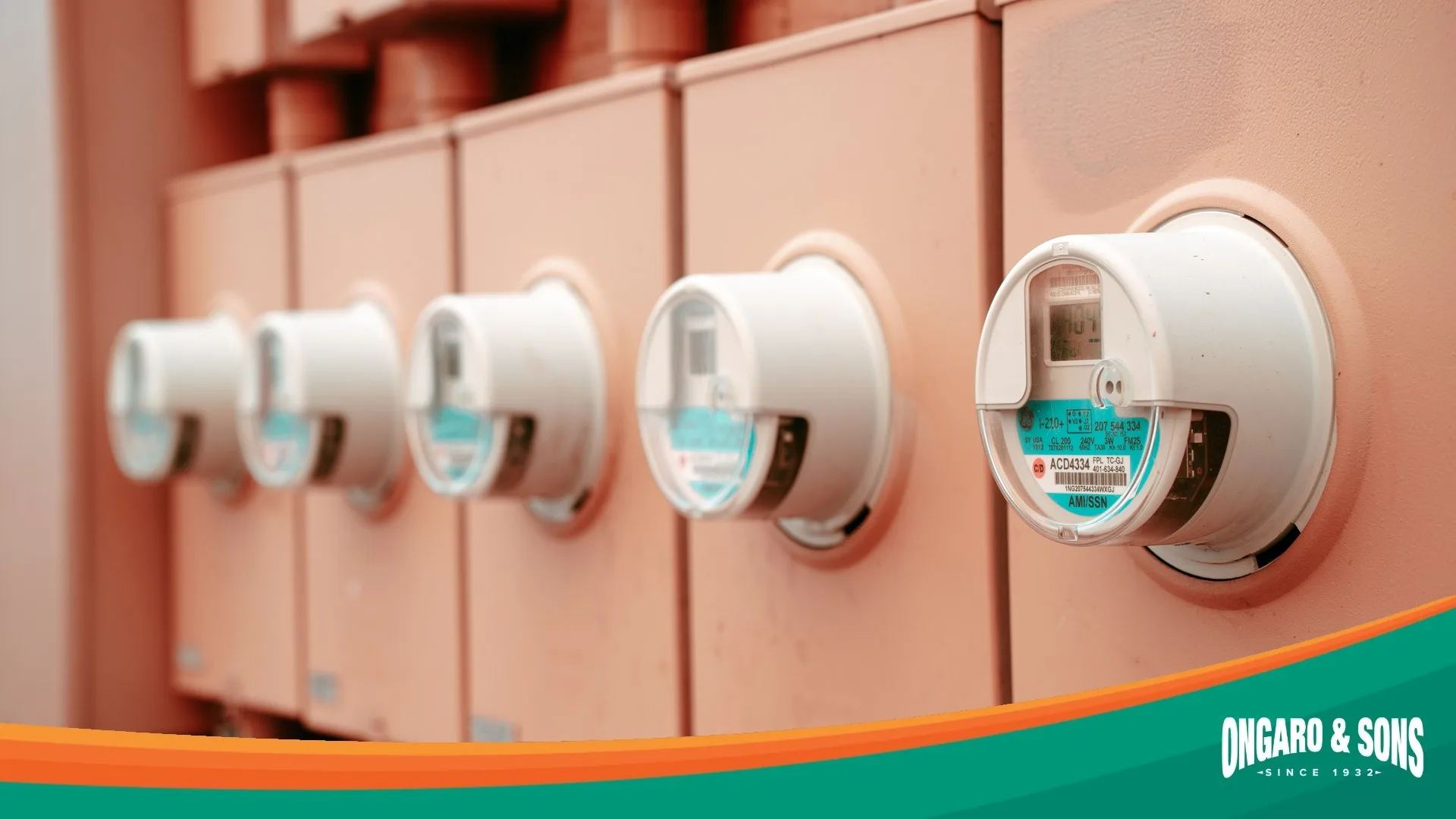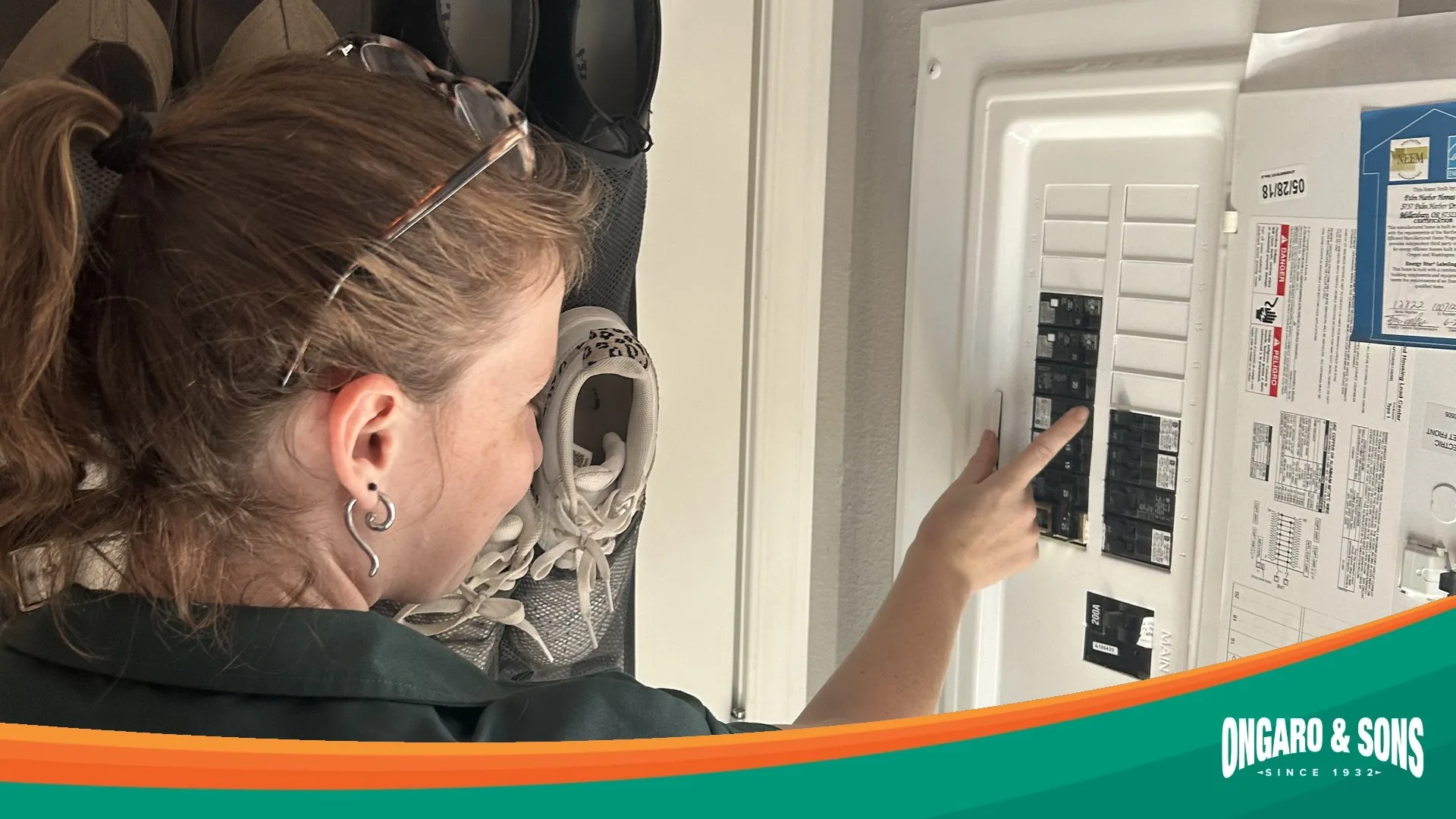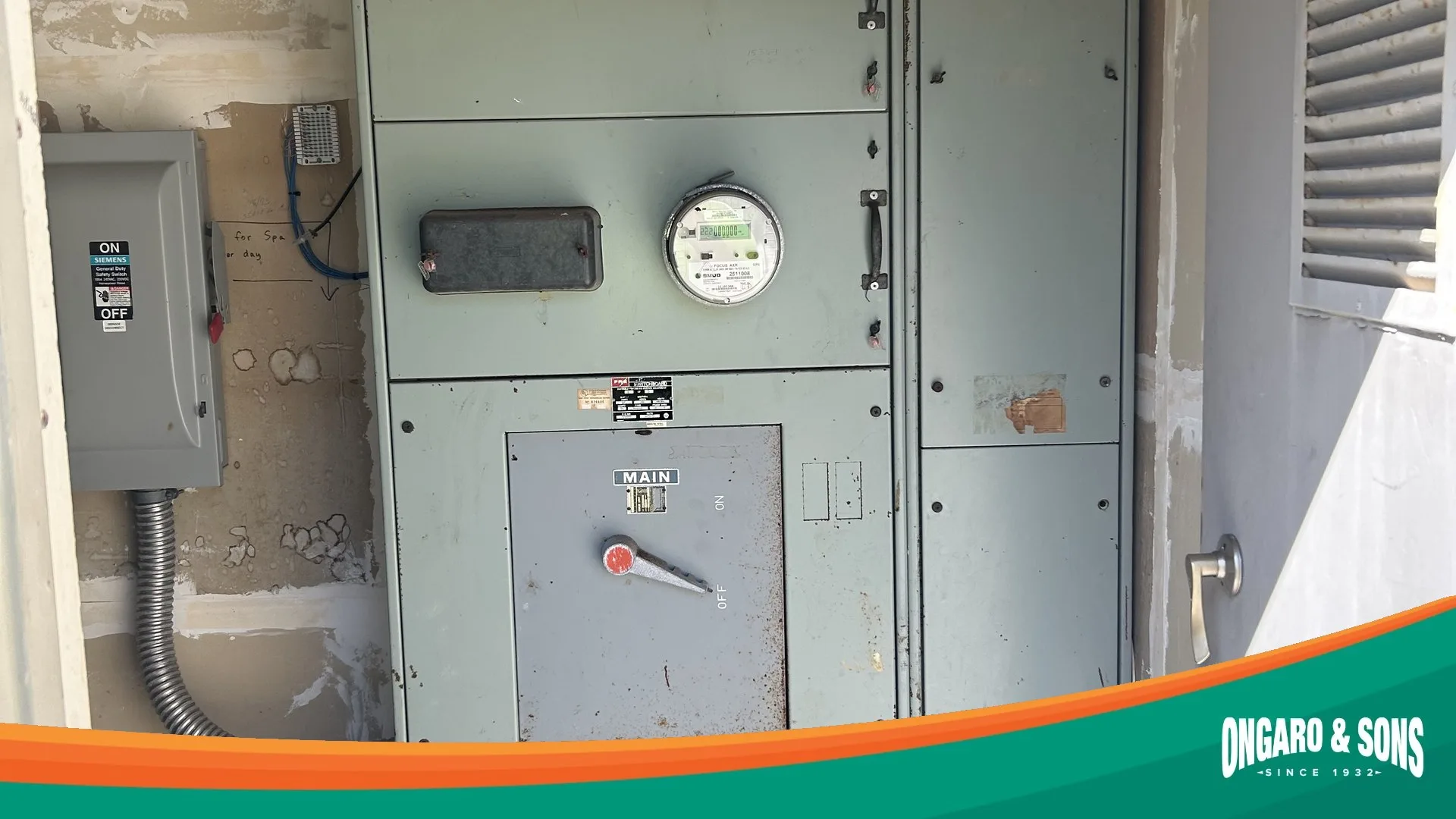
Electrical Permit Requirements in California: What Needs One and What Does Not
Electrical permit requirements in California attach to work that alters, extends or adds to a building's electrical system: new circuits, panel and service changes, rewiring, and most fixed-equipment installations. For a small replacement, the answer depends on the exact work and on the rules the building department enforces for that address, which is why the line is drawn locally rather than by the state.
Quick answer. New circuits, panel or service changes, rewiring and many fixed-equipment installations require a permit. A like-for-like swap of a switch, a receptacle or a light fixture may be exempt where you live, but confirm it, because the exemption is set by your city or county and it can change once a box, a location or the circuit's protection changes. Sort the permit out before work starts, ask who will apply, which inspections are required and what the estimate includes, and expect your contractor to pull it rather than asking you to.
People ask this for two reasons. Either they are being quoted for work and want to know whether the permit line is legitimate, or they are considering doing something themselves and want to know if it is allowed. Both have clearer answers than the internet generally provides, because most of what is written on this is national rather than Californian.
Where Do the Rules Come From?
The technical requirements come from the California Electrical Code, which is Part 3 of Title 24. It is the National Electrical Code, developed by the National Fire Protection Association as NFPA 70, with California amendments layered on top. The state adopts and publishes it through the California Building Standards Commission on a three-year cycle.
The permit requirement itself comes from your local jurisdiction, which adopts the state code and administers permitting and inspection. That is why "do I need a permit for this" can have a different answer in Petaluma, San Rafael and Napa, and why calling your own building department is the only way to be certain about a borderline job.
The licensing rules come from a third place, the Contractors State License Board, which governs who may perform the work for compensation. Electrical work falls under the C-10 classification, and the board publishes what each classification authorizes.
What Typically Requires a Permit?
| Work | Permit | What to confirm |
|---|---|---|
| Work Service panel replacement or upgrade | Permit Normally required | What to confirm Utility coordination and the inspection sequence |
| Work Adding a new branch circuit | Permit Normally required | What to confirm Whether a load calculation is needed |
| Work Installing a subpanel | Permit Normally required | What to confirm Feeder sizing and location |
| Work EV charging equipment | Permit Depends on scope | What to confirm Whether the work includes a new circuit, a receptacle, a hardwired connection or changes to the service; plugging suitable portable equipment into an existing approved receptacle is a different scope |
| Work Air conditioner or heat pump circuit | Permit Normally required | What to confirm Mechanical permit alongside it |
| Work Whole or partial rewire | Permit Normally required | What to confirm Rough-in inspection before walls close |
| Work Adding outlets or switches to a room | Permit Normally required | What to confirm Extends existing circuits |
| Work Hot tub or spa connection | Permit Normally required | What to confirm Bonding requirements |
| Work Generator and transfer equipment | Permit Normally required | What to confirm Whether any utility authorization also applies |
| Work Solar or battery storage | Permit Normally required | What to confirm Utility interconnection is a separate approval |
| Work Replacing a switch or receptacle in place | Permit Confirm local exemption | What to confirm Whether your jurisdiction exempts that exact replacement, and whether wiring or protection changes affect it |
| Work Replacing a light fixture in place | Permit Confirm local exemption | What to confirm Whether the existing box, support and wiring are suitable, and whether a local exemption applies |
| Work Replacing a breaker with an identical one | Permit Confirm local exemption | What to confirm Whether the exact repair is exempt locally and the replacement is approved for the equipment |
The pattern is consistent. Permits attach to changes in the system: new circuits, new equipment, changed capacity, changed wiring. Some jurisdictions exempt a like-for-like swap of a component in the same location, and some do not, and the moment a swap turns into something else, a new box, a relocated device, a change from a switch to a dimmer on a circuit that is not rated for it, the answer can change. A permit exemption also does not remove the requirement that the work meet the electrical code. The building department confirms the exact scope and what it wants submitted.
Which Building Department Handles Your Address?
First establish whether the property is inside an incorporated city or in the county's unincorporated area. The mailing address alone may not settle that: plenty of "Petaluma" and "Santa Rosa" addresses are county jurisdiction.
Give the building department the property address and a short description of the work, including whether circuits, boxes, equipment connections or service capacity will change. Ask whether a permit or a plan review is required and which inspections have to happen before work is covered. For unincorporated Marin County, the county's building permit application guide describes the process; for a city property, use that city's building department. The same address check applies in Sonoma and Napa County.
Can a Homeowner Pull Their Own Permit?
California has owner-builder provisions, but eligibility and responsibilities depend on the arrangement. An owner-builder may perform work, or coordinate others, as the applicable rules allow. The owner takes on responsibility for permits, inspections, scheduling and the other obligations of the project, and hiring workers can create employer responsibilities as well. CSLB's owner-builder overview and its page on the responsibilities of an owner-builder are the sources.
Read that guidance and confirm the arrangement with the building department before signing an application. If you hire a contractor to perform the work, the contract and the permit should correctly identify who is responsible. Do not sign as the owner-builder simply to accommodate an unlicensed person; that shifts the responsibility onto you and away from them.
Our view: replacing a light fixture yourself, where your jurisdiction allows it, is reasonable. Taking on a subpanel or a service upgrade as an owner-builder because it seems cheaper puts the compliance, the inspection and the consequences on you, and the work is difficult to get right.
Why Do Permits Matter?
The inspection is the point. The permit is paperwork. The inspection is a qualified second set of eyes on work that will be hidden inside a wall for the next fifty years. Bonding, grounding, conductor sizing, box fill, breaker compatibility: these are the things that get caught, and none of them are visible after the drywall goes back.
Home sales. Unpermitted work can surface during a sale, when a buyer's inspector notices a panel that does not match the records or a circuit that was clearly added, and it can become a negotiating point or a condition of closing. Resolving it afterward is harder than doing it right, because concealed work may have to be opened for inspection.
Insurance. If a claim traces back to unpermitted electrical work, the carrier's position may differ from what it would otherwise be. Policies vary, so ask your own carrier.
Utility approval. Where the work touches the service or connects a generating source, PG&E has its own process, and it is separate from the building permit. A solar interconnection, a battery system and a service upgrade each have their own utility steps; a generator with transfer equipment may or may not, depending on how it connects. Ask which apply to your job.
What Does the Process Look Like?
- Application. Your contractor submits the scope to the building department. A simple circuit addition may be issued over the counter in some jurisdictions; a service upgrade may need a load calculation and plan review.
- Issuance. The permit is issued and posted at the property.
- Work, with inspection stages set by the department. Some work has to be inspected before it is covered, which is why rough-in inspection happens before drywall.
- Rough inspection. Wiring, boxes, grounding and bonding are checked while everything is still visible.
- Final inspection. Devices installed, cover plates on, panel labeled, and the installation verified.
- Sign-off. The permit is finaled and the record attaches to the property.
The step people trip on is the rough inspection. Covering wiring before it has been inspected means opening it back up. Ask who schedules each visit and how final approval will be documented.
Who Pulls the Permit?
Your contractor, on licensed work. When a licensed contractor pulls the permit, the work is on their license and their bond. When a contractor asks the homeowner to pull an owner-builder permit for work the contractor is performing, that shifts responsibility onto the homeowner, and it can indicate the contractor is not licensed for the work or would rather it not be recorded against their license. It is a well-known warning sign, and it applies across trades.
Ask the estimate to distinguish government fees from plan preparation, permit handling, inspection coordination and any utility work. Fees and review times depend on the jurisdiction and the scope, so an itemized allowance is more useful than a single permit line.
Ongaro & Sons is a family-owned company based in Petaluma, serving Marin, Sonoma and Napa County since 1932, licensed C-10 electrical, C-20 HVAC and C-36 plumbing. You can verify our license, and any other California contractor's, on the Contractors State License Board site.
What Is Different Across Marin, Sonoma and Napa?
The technical code is the same statewide. What varies is administration: fee structures, turnaround times, whether a job is issued over the counter or goes to plan check, inspection scheduling windows, and local amendments on top of the state code, which is why "I did this in Napa last year" does not always transfer to Marin.
Ask your contractor which jurisdiction the property falls under, whether the permit is over the counter or plan check, and what the current inspection lead time is. On a panel upgrade that lead time, plus the utility scheduling, often sets the date more than the labor does. We covered the equivalent question for heating and cooling work in our guide to HVAC permit requirements in Marin and Sonoma, and the pattern is similar.
What About Work That Was Already Done Without a Permit?
Contact the building department about its process for evaluating and correcting the situation. Most jurisdictions have one; it generally means an application, an inspection, and whatever corrections the inspection produces, and where the work is concealed some of it may need to be opened for the inspector to see. Do not assume there are no consequences in the meantime, or that every existing installation can be approved without changes.
If you inherited unpermitted work from a previous owner, an electrical assessment can identify safety concerns and the likely scope of corrections before you decide what to do. Knowing whether the work was done competently but without paperwork, or done badly, changes the answer entirely.
Frequently Asked Questions
Do I need a permit to replace an outlet or a light fixture in California?
Confirm the local rule for the exact replacement. Some jurisdictions exempt a like-for-like swap in the same box, but changes to the wiring, the box, the support or the circuit's protection can change the answer, and an exemption does not remove the requirement to meet the electrical code.
Do I need a permit to install an EV charger?
Installing a new circuit or hardwired charging equipment normally requires a permit. Using suitable portable charging equipment on an existing approved receptacle is a different situation. Describe the exact scope to the building department before work begins; California has also pushed jurisdictions toward streamlined permitting for residential chargers, so the process is often quicker than people expect.
Can a homeowner do their own electrical work in California?
California has owner-builder provisions, with eligibility and responsibilities that depend on the arrangement. The owner takes on permits, inspections and the consequences of the work. Read CSLB's owner-builder guidance and confirm with the building department before applying.
What happens if electrical work is done without a required permit?
The jurisdiction can require evaluation and corrections, and concealed work may need to be made accessible. Unpermitted work can also complicate later projects, an insurance claim or a sale. Ask the building department how to address the specific installation.
How much does an electrical permit cost?
Fees are set by each jurisdiction and vary with the scope. Ask the estimate to separate government fees from plan preparation, permit handling and inspection coordination so you can see what each line covers.
Who is responsible for pulling the permit, me or my contractor?
Your contractor, on work they are performing. A licensed contractor pulling the permit puts the work on their license and their bond. If a contractor asks you to pull an owner-builder permit for work they are doing, treat it as a warning sign and ask why.
Does a permit mean the work is guaranteed to be correct?
No. An inspection is a check against code at specific stages, not a warranty and not a review of workmanship throughout. It catches a great deal, particularly things that get hidden, but it is a floor rather than a ceiling. Choosing a competent contractor still matters.
Where to Start
Work out which jurisdiction your property falls under, city or county, and find that building department's page. For any borderline question, one call to them is more reliable than anything you will read online, including this.
If you are getting quotes, ask each contractor two questions: will you pull the permit, and is the permit fee itemized. If you would like work quoted with the permitting handled, you can request a free online estimate, or ask us the question first if you are not sure whether your job needs one. Our electrical services page covers what we do, and panel upgrades and EV charger installation are the two categories where permitting comes up most.