Frozen Pipe Prevention Tips
Quick Answer: Prevent frozen pipes in North Bay homes by insulating exposed pipes, maintaining 55°F minimum temperatures, letting vulnerable faucets drip during freezes, and disconnecting outdoor hoses. Bay Area homes are particularly vulnerable during cold snaps because they lack the freeze-protection built into colder-climate homes. Professional winterization costs $150-300 but prevents $11,000-$30,000+ in burst pipe damage.
The Full Answer: Winter in Marin, Sonoma, and Napa counties doesn’t look like it does in Minnesota or Vermont. We’re spoiled with mild Mediterranean weather, coastal fog, and vineyards that rarely see snow. But here’s what many North Bay homeowners don’t realize: when those occasional cold snaps roll through-especially in the inland valleys-our homes are particularly vulnerable to frozen pipes precisely because they’re so rare.
While you might experience freezing temperatures only a handful of nights each winter, that’s enough. And when temperatures in Santa Rosa, Petaluma, or Napa Valley drop into the mid-30s overnight, the pipes in your attic, crawl space, or exterior walls don’t have the cold-weather protection that homes in colder climates are built with by default.
This isn’t fear-mongering-it’s physics. And the financial stakes are real.
Quick Prevention Checklist
Before the next cold snap:
- Insulate pipes in attics, crawl spaces, and garages
- Disconnect and drain outdoor hoses and irrigation systems
- Maintain 55°F minimum temperature (even when away)
- Let vulnerable faucets drip during freezing nights
- Seal air leaks around pipes and foundation penetrations
- Know where your main water shut-off valve is located
- Schedule a preventative inspection for older homes
- Open cabinet doors under sinks during extreme cold
- Keep garage doors closed if plumbing runs through garage
Why North Bay Homeowners Need to Take Cold Snaps Seriously
According to the National Association of Insurance Commissioners, water damage from frozen pipes accounts for roughly one in every 60 insured homes filing a claim each year. The average claim? Between $11,000 and $30,000. And in some cases, particularly in older homes or properties with extensive damage, costs can exceed $50,000.
Industry research analyzing 433 burst pipe claims found that the average loss is $27,000, with the most expensive single claim reaching $1.7 million. Properties with pipes in unheated attics represented the majority of severe claims-a particularly common vulnerability in North Bay homes.
Here’s the reality: temperatures in Marin, Sonoma, and Napa’s inland valleys can drop to the mid-30s during winter cold snaps, with some areas experiencing brief periods in the upper 20s. Mountain and hillside properties-common in the North Bay-face even greater risk.
When temperatures hover around freezing for several hours overnight, unprotected pipes can freeze. When pipes freeze, they don’t just stop working-they rupture. And when they rupture during a cold night while you’re asleep, you wake up to water damage that can compromise walls, ceilings, flooring, and everything in between.
Winter 2026 Alert: The National Weather Service has issued multiple freeze warnings for Sonoma and Napa County interior valleys this season, with temperatures dropping to 32-36°F. Properties at elevations above 1,500 feet-including areas like Mount Veeder, Howell Mountain, and Spring Mountain-have experienced temperatures in the upper 20s. Don’t wait for the next cold snap-winterize your plumbing system now.
Understanding When and Why Pipes Freeze
Water freezes at 32°F. But your pipes? They’re more resilient than that-until they’re not.
According to the U.S. Department of Energy, pipes typically begin freezing when outdoor temperatures drop to 20°F or below, especially when those temperatures persist for six hours or more. However, pipes in unheated areas, exterior walls, or poorly insulated spaces can freeze at higher temperatures-even when the outdoor temperature is in the upper 20s or low 30s.
The freezing process itself creates a compounding problem. When water freezes inside a pipe, it expands by approximately 9%. This expansion creates immense pressure-not necessarily at the point of the ice blockage, but downstream between the blockage and a closed faucet. It’s this pressure buildup that causes pipes to burst, often in locations where no ice has formed at all.
Learning how to prevent frozen pipes starts with understanding your home’s vulnerabilities. California homes-particularly in regions like the North Bay that rarely experience hard freezes-are typically built without the same freeze-protection measures you’d find in colder climates. Pipes may run through uninsulated attics, along exterior walls, or in crawl spaces with minimal protection. These are your vulnerable points.
The Hidden Cost of Frozen Pipes
Insurance claims tell part of the story, but they don’t capture everything. Beyond the immediate cost of pipe repair and water damage restoration, frozen pipes can trigger a cascade of secondary issues:
- Mold growth from water intrusion in walls and subfloors
- Structural damage to framing, drywall, and insulation
- Damage to belongings-furniture, electronics, keepsakes
- Displacement costs if your home becomes temporarily uninhabitable
- Premium increases after filing an insurance claim
- Lost time dealing with contractors, insurance adjusters, and repairs
More concerning for North Bay homeowners: insurance policies typically require that you take “reasonable steps” to prevent frozen pipes. If your insurer determines you neglected basic prevention measures-like maintaining heat in your home or failing to insulate vulnerable pipes-your claim could be denied entirely.
This is why frozen pipe protection isn’t just smart-it’s essential.
Identifying Your Home’s Vulnerable Points
Not all pipes face equal risk. Knowing where your home is most vulnerable helps you prioritize prevention efforts and keep pipes from freezing during cold weather.
The most at-risk locations include:
Outdoor fixtures and supply lines: Hose bibs, irrigation systems, and outdoor faucets are directly exposed to freezing air. These should be your first priority when winterizing your plumbing system.
Unheated interior spaces: Pipes in attics, garages, crawl spaces, and basements lack the ambient warmth that protects pipes in living areas. This is especially common in North Bay homes with vaulted ceilings or bonus rooms above garages.
Exterior walls: Pipes running through exterior walls have minimal insulation between them and outside temperatures. Kitchen and bathroom pipes along north-facing walls are particularly vulnerable.
Vacation properties: If you own a second home in the mountains or wine country that sits vacant during winter, every pipe is at risk when heating is turned down or off.
Regional risk factors unique to the North Bay:
- Hillside homes in Tiburon, Mill Valley, Sausalito, and St. Helena face greater temperature exposure at elevation
- Older wine country properties-particularly those built before modern building codes-often lack adequate insulation standards
- Coastal homes near Bodega Bay and Point Reyes rarely freeze, but mountain properties in Angwin, Calistoga, and Pope Valley routinely experience subfreezing temperatures
- Homes with panoramic windows and open floor plans (common in Marin County) may have inconsistent heating in pipe-heavy utility areas
Walk through your home and identify where your plumbing runs. Look in the attic, check the garage, open cabinets under sinks along exterior walls. These inspections take 20 minutes and could save you tens of thousands of dollars.
7 Essential Strategies to Prevent Pipes From Freezing
Preventing frozen pipes doesn’t require expensive renovations or specialized equipment. It requires awareness and a few proactive steps before temperatures drop.
1. Insulate Exposed Pipes
Pipe insulation is inexpensive and effective. Foam pipe sleeves, fiberglass insulation, or heat tape can raise the temperature inside pipes by 3-4 degrees-often enough to prevent freezing during brief cold snaps.
Focus on pipes in unheated areas: attics, crawl spaces, garages, and along exterior walls. According to Protect Your Pipes, even a quarter-inch of newspaper wrapped around exposed pipes can provide meaningful protection in regions that don’t experience prolonged freezing.
For pipes that tend to freeze despite insulation, consider UL-listed heat tape or heat cable with a built-in thermostat. These systems activate automatically when temperatures drop, providing targeted frozen pipe protection without requiring manual intervention.
2. Disconnect and Drain Outdoor Fixtures
Before the first frost warning, disconnect all garden hoses and drain outdoor faucets. Water trapped in hose bibs or irrigation lines will freeze and expand, cracking the fixtures from the inside out.
If your outdoor faucets have shut-off valves inside the home, close them and open the outdoor spigot to drain any remaining water. Leave the outdoor valve open throughout winter so any residual water can expand without building pressure.
Consider installing frost-free hose bibs, which are designed to drain automatically when shut off. These are standard in colder climates but less common in California homes-though they’re increasingly valuable as winter weather patterns become less predictable.
3. Maintain Consistent Indoor Temperatures
The American Red Cross recommends keeping your thermostat at the same temperature day and night when freezing weather is forecast. Dropping the temperature overnight to save energy can allow pipes in exterior walls or unheated spaces to freeze.
If you’re leaving town during winter, never turn your heat off completely. Set your thermostat to at least 55°F-the minimum temperature needed to keep interior pipes from freezing. Yes, your heating bill will be higher, but it’s negligible compared to the cost of repairing burst pipes and water damage.
For vacation properties in mountain areas like Oakmont, Kenwood, or Glen Ellen that sit vacant for extended periods, consider installing a smart thermostat with remote monitoring so you can adjust temperatures and receive alerts if your heating system fails.
4. Let Faucets Drip
When temperatures are forecast to drop into the 20s or below, allow faucets connected to vulnerable pipes to drip at a slow, steady rate-about the thickness of a pencil lead.
Running water is much harder to freeze than stagnant water, but that’s not the primary benefit. Dripping faucets relieve pressure in the system. If ice does form, the open faucet allows water to escape before pressure builds to destructive levels.
Focus on faucets along exterior walls or connected to pipes in unheated spaces. Leave cabinets under sinks open to allow warm air to circulate around the pipes.
5. Seal Air Leaks
Cold air infiltration is one of the most common causes of frozen pipes in California homes. Small cracks around pipes where they enter the home, gaps in exterior walls, or open crawl space vents can expose pipes to freezing temperatures.
Seal these openings with caulk, spray foam, or insulation. Pay special attention to areas where pipes enter the home through the foundation and any openings in attic spaces.
During extreme cold, close your garage door if there’s plumbing in the garage. Open kitchen and bathroom cabinet doors to let heated air reach pipes under sinks.
6. Know Your Main Water Shut-Off
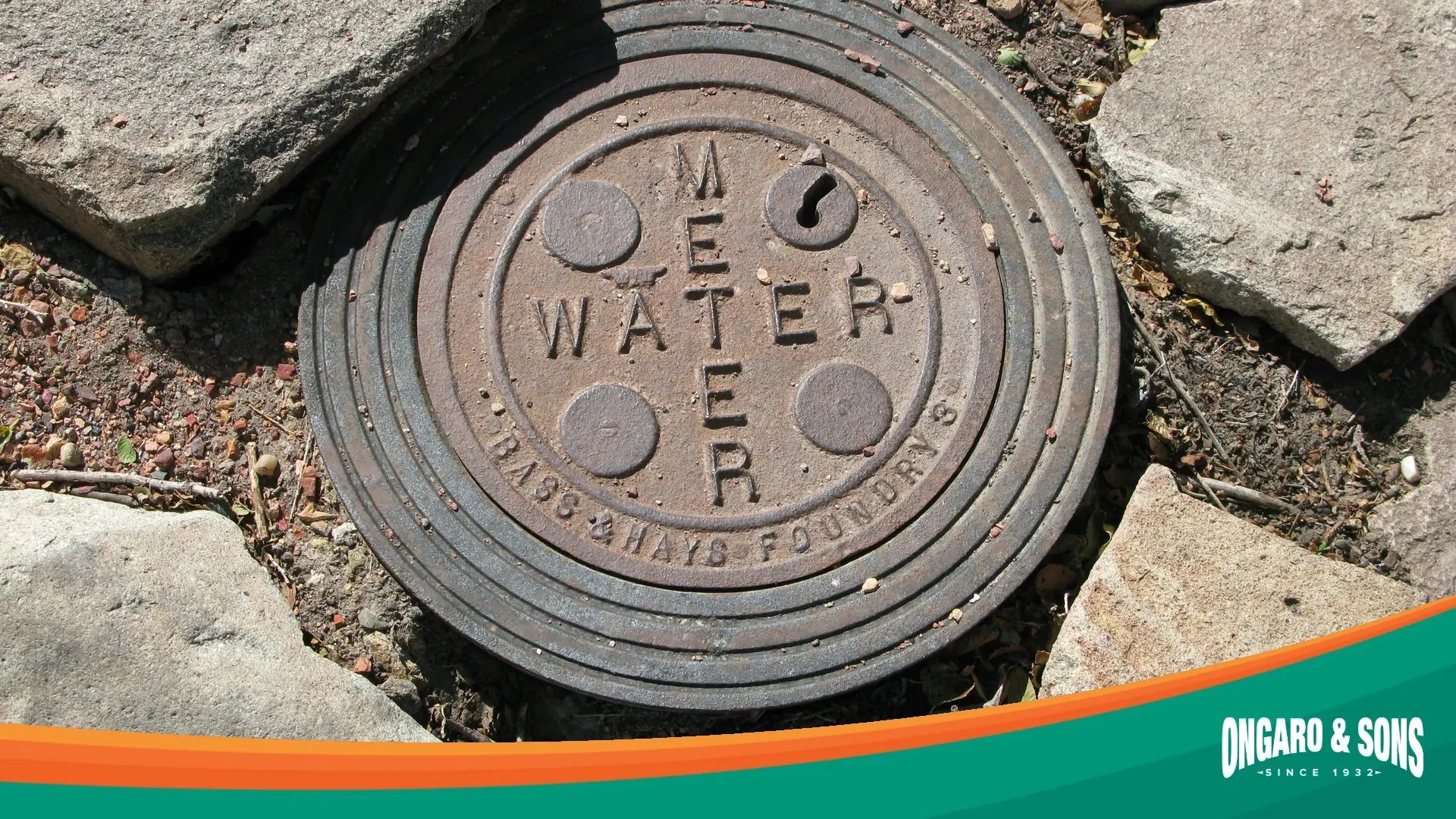
Every homeowner should know where their main water shut-off valve is located and how to operate it. In most homes, it’s in the basement, garage, crawl space, or near the front of the property by the water meter.
If a pipe does burst, shutting off the main water supply immediately can prevent catastrophic flooding. Mark the valve with a tag or fluorescent tape so it’s easy to locate in an emergency-even in the dark or during a stressful situation.
Test your shut-off valve annually to ensure it operates smoothly. Valves that haven’t been used in years can seize up, making them impossible to turn when you need them most.
7. Schedule a Preventative Plumbing Inspection
A professional plumbing inspection can identify vulnerable pipes before winter arrives. A qualified plumber can assess your home’s specific risk factors, recommend targeted insulation, and ensure your shut-off valves are functioning properly.
Ongaro & Sons’ preventative maintenance program includes comprehensive plumbing system evaluations designed to catch small issues before they become expensive problems. Regular inspections are especially valuable for older homes, properties with previous freeze damage, or vacation homes that sit vacant during winter months.
What to Do If You Suspect a Frozen Pipe
If you turn on a faucet and only a trickle comes out-or nothing at all-you likely have a frozen pipe. Here’s how to prevent frozen pipes from becoming burst pipes:
Keep the faucet open. As the frozen section thaws, water needs somewhere to go. An open faucet relieves pressure and allows water to flow once melting begins.
Locate the frozen section. Check pipes in unheated areas, along exterior walls, or where your water service enters the home. Look for frost on exposed pipes or bulging sections.
Apply gentle heat. Use a hair dryer, heat lamp, or electric heating pad to warm the pipe gradually. Start near the faucet and work toward the coldest section. Wrap towels soaked in hot water around the pipe for difficult-to-reach areas.
Never use an open flame. Blowtorches, propane heaters, or any open flame can cause pipes to burst, start fires, or produce dangerous carbon monoxide.
Call a professional. If you can’t locate the frozen section, can’t access it safely, or multiple faucets are affected, you need professional help. Ongaro & Sons offers scheduled plumbing services to diagnose and resolve frozen pipe issues before they escalate to burst pipes.
If a pipe has already burst, shut off your main water supply immediately to minimize flooding. Then contact a plumber to assess the damage. Depending on the severity, you may need anything from a simple repair to comprehensive repiping of affected sections.
Frequently Asked Questions About How to Prevent Frozen Pipes
How cold does it have to be for pipes to freeze in the North Bay? Pipes typically begin freezing when outdoor temperatures drop to 20°F or below for six hours or more. However, pipes in unheated areas like attics or along exterior walls can freeze at 25-32°F, especially with wind exposure. In the North Bay’s inland valleys-Santa Rosa, Petaluma, Napa-temperatures occasionally drop into this range during winter cold snaps.
How much does frozen pipe damage cost? The average insurance claim for frozen pipe damage ranges from $11,000 to $30,000, according to industry data. Severe cases involving extensive water damage, structural repairs, or mold remediation can exceed $50,000. The most expensive documented claim reached $1.7 million.
Will my homeowners insurance cover frozen pipe damage? Most policies cover “sudden and accidental” water damage from burst pipes. However, insurers may deny claims if they determine you failed to maintain adequate heat (typically 55°F minimum) or neglected reasonable prevention measures like insulating vulnerable pipes. Always check your specific policy requirements.
Should I turn off my water when traveling in winter? If you’ll be away during freezing weather and cannot maintain heat above 55°F, shut off the main water supply and drain your pipes to eliminate risk entirely. Open all faucets (hot and cold), flush toilets to empty tanks, and consider adding antifreeze to toilet bowls and drain traps. This is especially critical for mountain vacation properties.
What’s the difference between a frozen pipe and a burst pipe? A frozen pipe contains ice but hasn’t ruptured-you’ll notice reduced or no water flow. A burst pipe has cracked open due to pressure, causing active leaking (which may not be visible until the ice melts). Both require immediate attention, but burst pipes demand emergency water shut-off to prevent catastrophic flooding.
Professional Preventative Care Makes the Difference
The best time to winterize your plumbing system is before the forecast calls for freezing temperatures. Unlike emergency plumbing situations, frozen pipe prevention is a planned, proactive process.
That’s where working with an experienced plumbing contractor makes all the difference. Ongaro & Sons has served Marin, Sonoma, and Napa counties since 1932-long enough to understand exactly how North Bay homes respond to our occasional cold snaps and what preventative measures work best for our regional climate.
Winterizing your home’s plumbing is straightforward when you know what to look for. A professional evaluation identifies vulnerable pipes, recommends appropriate insulation, and ensures your water heater and other plumbing components are ready for winter weather.
For homeowners with properties in mountain areas like Mount Veeder, Spring Mountain, or Howell Mountain-where temperatures routinely drop below freezing-annual inspections should be part of your regular home maintenance schedule.
Protect Your Investment Before the Next Cold Snap
Frozen pipes are one of those problems that seem unlikely-until they’re not. And in the North Bay, where freezing weather feels like an anomaly rather than an expectation, it’s easy to assume it won’t happen to you.
But when overnight temperatures drop into the 30s and stay there for six or eight hours, physics doesn’t care about averages or historical norms. Water freezes, pipes burst, and homes flood.
The good news? Prevention is simple, affordable, and effective. Insulate exposed pipes, disconnect outdoor hoses, maintain consistent temperatures, and know where your shut-off valve is located. These basic steps dramatically reduce your risk and help you keep pipes from freezing during cold weather.
And if you want true peace of mind, a professional plumbing inspection before winter identifies exactly where your home is vulnerable and what specific steps will protect it.
Don’t wait until you hear dripping in the walls or find water pooling on your floor. Take 20 minutes this week to walk through your home, identify vulnerable pipes, and implement basic prevention strategies. Your future self-and your bank account-will thank you.
Ready to winterize your plumbing system? Contact Ongaro & Sons at (415) 741-2820 to schedule a comprehensive plumbing inspection. Our team serves Marin, Sonoma, and Napa counties with flat-rate pricing and service since 1932 and local expertise. We’ll identify your home’s vulnerable points and provide a clear, actionable plan to protect your plumbing before the next cold snap arrives.