Solar Panels With Battery Backup
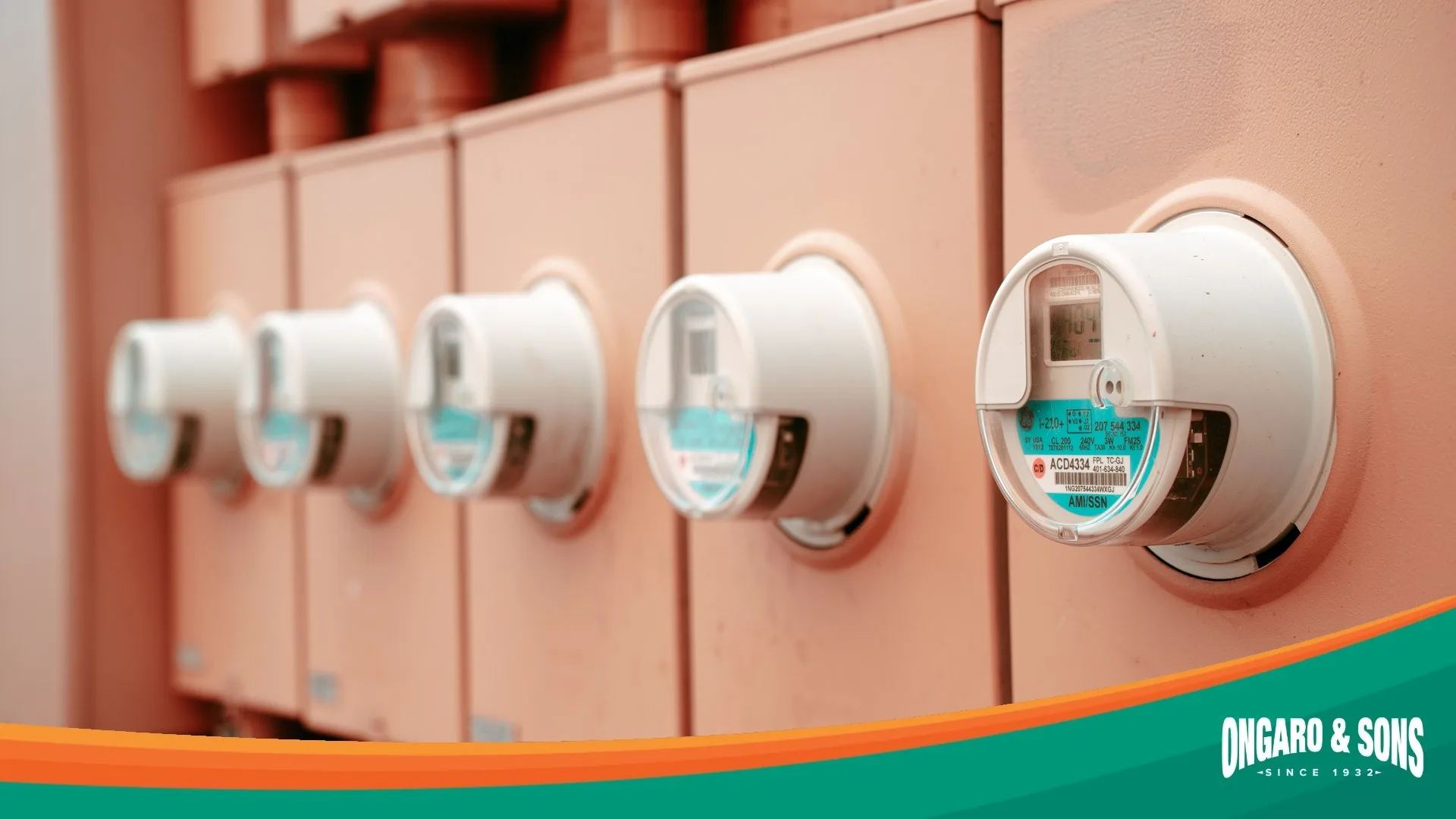
If you’ve opened your electricity bill lately and felt your jaw drop, you’re not alone. California homeowners across Marin, Sonoma, and Napa Counties are watching their monthly energy costs climb higher and higher, with no end in sight. PG&E rate increases have become as predictable as the changing seasons, and for many families, it feels like there’s no escape from these rising costs.
But what if there was a way to take control of your energy expenses and never worry about another rate hike again? The combination of solar panels with battery backup offers North Bay homeowners a powerful solution to break free from escalating utility costs while gaining energy independence.
How Can Solar Panels Reduce My Electricity Bill?
Let’s start with the basics. When you install solar panels on your home, you’re essentially building your own miniature power plant on your roof. Instead of buying 100% of your electricity from PG&E at their ever-increasing rates, your solar panels generate clean energy throughout the day, significantly reducing or even eliminating what you need to purchase from the grid.
Here’s how the economics break down for the typical Bay Area homeowner:
The Rising Cost Problem
According to the California Public Utilities Commission, residential electricity rates in California have increased by approximately 127% over the past decade. PG&E customers in our service area have seen particularly steep increases, with rates now averaging $0.35-$0.45 per kilowatt-hour during peak times. For a family using 700 kWh per month (about average for a 2,000 square foot home), that translates to monthly bills between $245-$315 or more.
The Solar Solution
When you generate your own electricity with solar, you stop paying those premium rates for the energy your panels produce. Homeowners in Marin, Sonoma, and Napa Counties save an average of $1,500 annually on energy bills after going solar. Over the 25-30 year lifespan of a quality solar system, that’s $37,500-$45,000 in savings, even accounting for California’s evolving net metering policies.
But here’s where it gets really interesting: those savings grow every single year that utility rates continue to climb. While your neighbors are paying 5-8% more each year for the same amount of electricity, your solar-generated power costs you nothing. That locked-in rate protection becomes increasingly valuable as time goes on.
Why Solar Panels with Battery Backup Are Essential for California Homeowners
While solar panels alone deliver significant savings, the combination of solar panels with battery backup addresses both rising costs and grid reliability concerns. California’s frequent outages, averaging 46 hours annually for residents, have made backup power a necessity rather than a luxury. When you pair solar generation with battery storage, you get dual protection: lower bills every month and continuous power during PG&E outages and Public Safety Power Shutoffs that have become routine in the North Bay.
Why Battery Storage Changes Everything
Solar panels alone provide tremendous value, but adding battery storage to your system takes your energy independence to the next level. This is especially critical for North Bay residents who’ve experienced the frustration and disruption of PG&E’s Public Safety Power Shutoffs and weather-related outages.
The Outage Reality
California residents experience an average of 46 hours of power outages annually, according to recent utility data. In wine country and coastal regions prone to wildfire prevention shutoffs, that number can be significantly higher. When your power goes out, a standard solar system without batteries shuts down too. This safety feature, required by electrical codes, prevents your panels from sending electricity back to the grid where utility workers might be making repairs.
How Battery Backup Works
A battery storage system from manufacturers like Franklin, Tesla, or Enphase stores excess electricity your solar panels generate during the day. When the sun goes down, or when the grid goes down, your home automatically switches to battery power. You keep your refrigerator running, your Wi-Fi connected, your medical devices operating, and your family comfortable regardless of what’s happening with the utility grid.
Think of it like having a bank account for electricity. During sunny days, your solar panels make deposits. At night or during outages, you make withdrawals. Modern battery systems can store enough energy to power essential circuits in your home for 12-24 hours or more, depending on your usage patterns and battery capacity.
Are Solar Batteries Worth It for Power Outages?
This is the question we hear most often from homeowners considering battery storage, and the answer depends on several factors specific to your situation.
When Battery Storage Makes Strong Financial Sense
If you live in an area that experiences frequent power outages, work from home, have medical equipment that requires continuous power, or simply value the peace of mind that comes with energy security, battery storage delivers measurable value beyond just dollars and cents. Many of our customers in the hills of Marin County and rural areas of Sonoma and Napa Counties view battery backup as essential infrastructure, similar to having a solid roof or reliable plumbing.
The financial case strengthens when you consider PG&E’s Time-of-Use (TOU) rates. These rate structures charge premium prices for electricity used during peak evening hours (typically 4 PM to 9 PM) when solar panels aren’t producing. A battery system allows you to store your daytime solar generation and use it during these expensive peak hours, maximizing your savings beyond what solar panels alone can achieve.
Smart Energy Management Integration
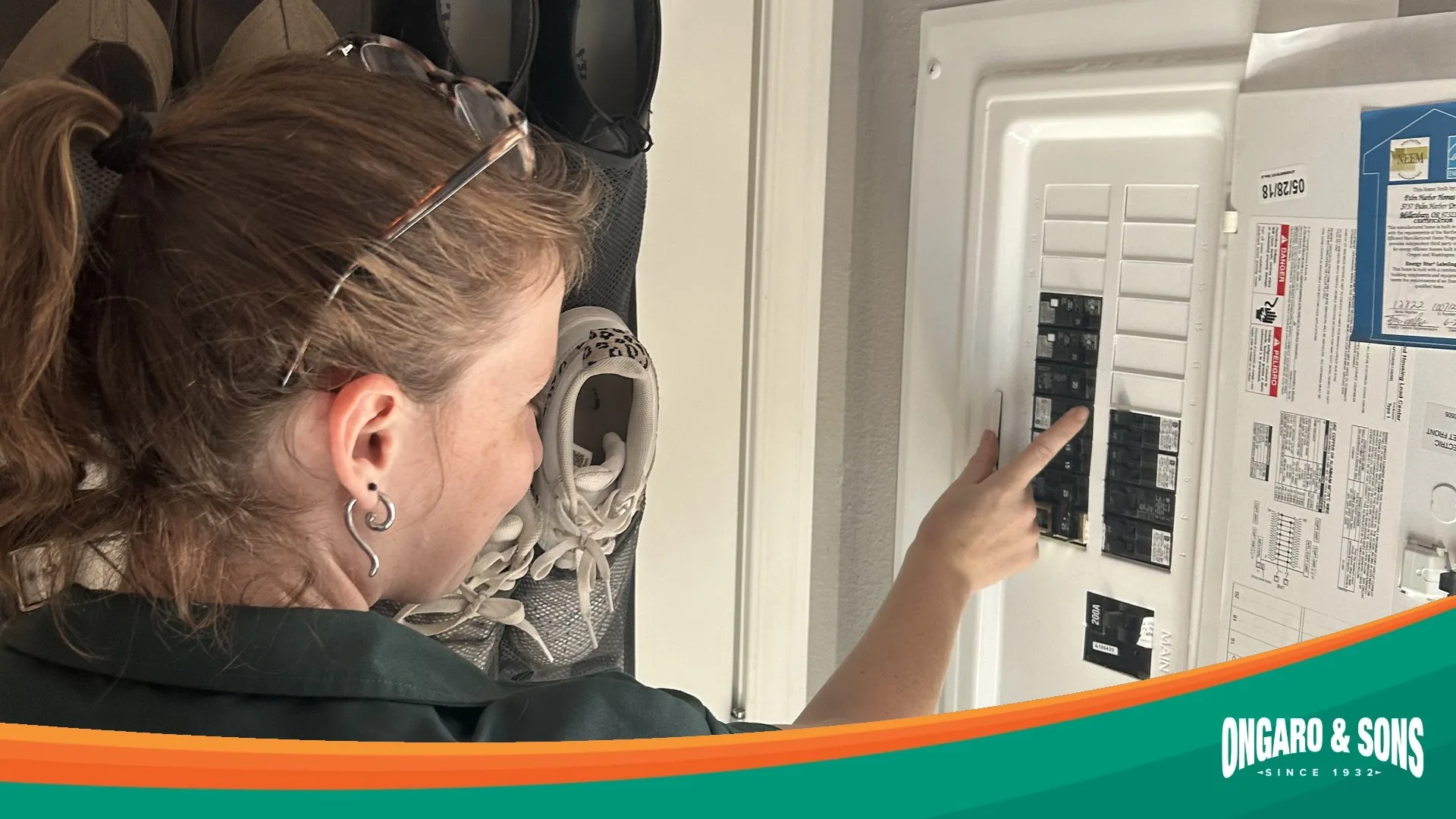
Modern battery systems aren’t just backup power, they’re intelligent energy management platforms. When integrated with SPAN smart panels, which Ongaro & Sons is certified to install, you gain granular control over your home’s energy usage. You can prioritize which circuits receive power during an outage, monitor real-time energy production and consumption, and optimize your battery charging schedule to take maximum advantage of time-of-use rates.
This level of control represents a fundamental shift from being a passive utility customer to actively managing your home’s energy resources.
Understanding the Complete Solar-Plus-Storage System
Let’s walk through what a comprehensive solar and battery installation actually involves, so you understand exactly what you’re getting.
The Solar Panel Array
Quality solar panels convert sunlight into direct current (DC) electricity. The panels we install use monocrystalline silicon cells, which are the most efficient technology available for residential applications. These panels typically come with 25-year performance warranties and can continue producing electricity for 30-40 years or more with minimal maintenance.
Inverter Technology
Your solar panels produce DC electricity, but your home runs on alternating current (AC) power. Microinverters from manufacturers like Enphase convert DC to AC at each individual panel, providing better performance in partial shade conditions and easier monitoring of system health. This technology has largely replaced older string inverter systems for residential installations.
Battery Storage Units
Today’s residential battery systems, such as the Tesla Powerwall or Franklin aGate, typically store 10-15 kilowatt-hours of usable energy. That’s enough to run your refrigerator, lights, Wi-Fi, TV, and other essential loads for 12-24 hours. Multiple batteries can be installed for homes with higher energy needs or longer backup duration requirements.
Smart Integration and Monitoring
Modern systems include sophisticated monitoring that lets you track your energy production, consumption, and storage in real-time through smartphone apps. You can see exactly how much electricity your panels are generating, how much your home is using, and how much is being stored in your batteries or sent to the grid.
The Installation Process: What to Expect
Working with an experienced solar installer serving Marin, Sonoma, and Napa Counties ensures your system is designed and installed correctly from day one. Here’s what the process typically looks like:
Site Assessment and System Design
A professional site evaluation examines your roof orientation, shading patterns, electrical panel capacity, and energy usage history. This data informs a custom system design optimized for your specific home and goals. Factors like roof pitch, structural capacity, and available space all influence the final design.
Permitting and Approvals
Solar installations require building permits and utility interconnection agreements. Experienced installers handle all the paperwork, coordinate with local building departments, and ensure your system meets all electrical and fire codes. This typically takes 2-4 weeks depending on local government processing times.
Installation Timeline
Most residential solar panel installations are completed in 1-3 days, depending on system size and complexity. Battery installation adds another day or two. Our installation teams handle all aspects, from mounting equipment to electrical connections to final testing.
Utility Interconnection
After installation, your local utility inspector verifies the work and authorizes grid connection. This process, called Permission to Operate (PTO), typically takes 2-4 weeks. Once you have PTO, your system is fully operational and you start saving money immediately.
Ongoing Performance
Solar panels require minimal maintenance, California’s dry climate means most systems stay clean with occasional rain. Battery systems include built-in monitoring that alerts you to any performance issues, and quality components come with 10-25 year warranties for peace of mind.
Real-World Savings for North Bay Homeowners
Let’s look at actual numbers for a typical Marin County household to understand the financial impact:
Sample Scenario:
- 2,000 square foot home in San Rafael
- Monthly electricity usage: 700 kWh
- Current monthly bill: $280 (averaging $0.40/kWh)
- Annual electricity cost: $3,360
With Solar and Battery Storage:
- 8 kW solar system with 13 kWh battery
- System generates approximately 11,200 kWh annually
- Covers 95% of annual electricity needs
- New annual electricity cost: $168 (connection fees only)
- Annual savings: $3,192
- Simple payback period: 8-10 years
- 25-year savings: $79,800 (assuming 5% annual rate increases)
These numbers demonstrate why solar-plus-storage has become one of the smartest investments a homeowner can make in current market conditions.
Local Incentives and Financial Considerations
California homeowners benefit from several programs that improve the economics of going solar. Federal tax incentives can significantly reduce your out-of-pocket costs for solar and battery installations, improving your return on investment. State and local programs may also provide additional rebates or incentives depending on your location and utility provider.
Many homeowners also qualify for financing options that allow you to go solar with little or no money down. When your monthly loan payment is less than your previous electricity bill, you start saving money from day one while building equity in your home.
Contact us to learn about current incentive programs and how they can make your solar investment even more affordable.
Why the Combination Matters More Than Ever
Rising electricity rates, increasing grid instability, and growing climate concerns have created the perfect storm for solar adoption in the North Bay. The combination of panels and batteries addresses multiple challenges simultaneously:
Economic Protection: Lock in your energy costs and shield yourself from endless rate increases.
Energy Security: Keep your home powered through outages and public safety shutoffs.
Environmental Impact: Reduce your carbon footprint and support California’s clean energy goals.
Home Value: Solar systems increase property values, with research showing homes with solar sell faster and for more money than comparable properties without it.
Taking the First Step
If you’re tired of watching your electricity bills climb higher each year, now is the time to explore solar and battery storage. The technology has never been better, the incentives are substantial, and the peace of mind that comes with energy independence is invaluable.
Ongaro & Sons has served Marin, Sonoma, and Napa Counties since 1932, and our SPAN-certified team brings that same commitment to excellence to every solar installation. We handle everything from initial assessment to final utility approval, ensuring your system is designed and installed to deliver decades of reliable performance.
The question isn’t whether electricity rates will continue rising – they will. The question is whether you’ll keep paying those inflated rates or take control of your energy future with solar and battery storage.
Ready to break free from escalating utility costs? Contact Ongaro & Sons at 415-741-2820 to schedule a site assessment and discover how much you could save with a custom solar and battery system designed specifically for your North Bay home.