Water Heater Seismic Strapping: What California Actually Requires
Water heater seismic strapping is the bracing that keeps a water heater from toppling or sliding in an earthquake. California requires new and replacement water heaters, and existing residential water heaters, to be braced, anchored or strapped against earthquake movement in accordance with the applicable requirements, and it requires the seller of a property containing a water heater to certify compliance to the buyer. It applies to the heater you already have, not only to new installations.
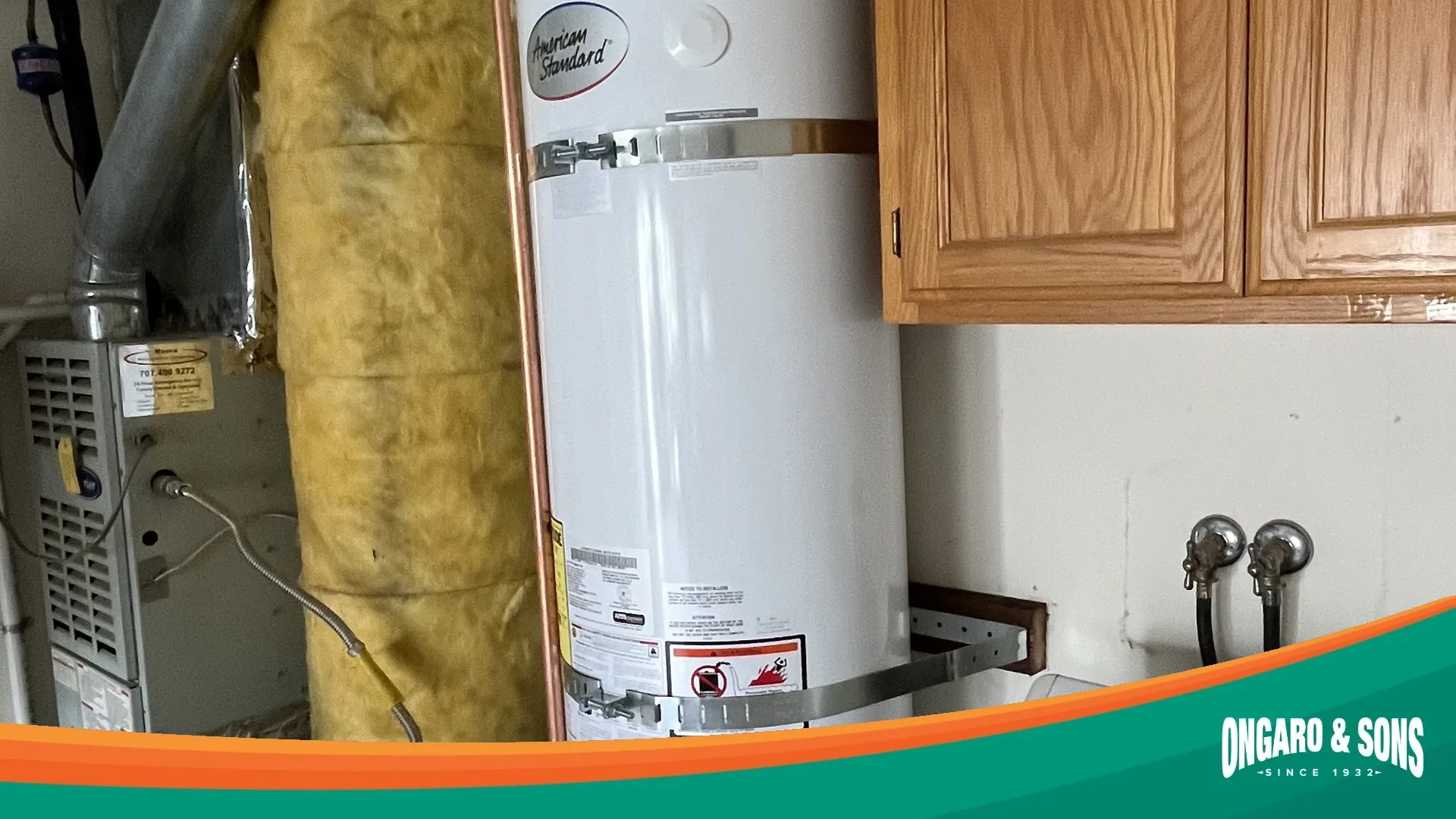
Quick answer. For many conventional storage tanks, restraints near the upper third and the lower third of the tank are part of the installation, but the correct arrangement depends on the tank's size, its support, the anchorage available and the approved restraint system, so counting straps alone does not establish compliance. Look from a safe position for missing or visibly loose restraints and note the heater's model, capacity and support. Do not push or rock the tank to test it. Have uncertain anchorage, or any installation that is not a plain tank against a framed wall, assessed by a licensed C-36 plumber.
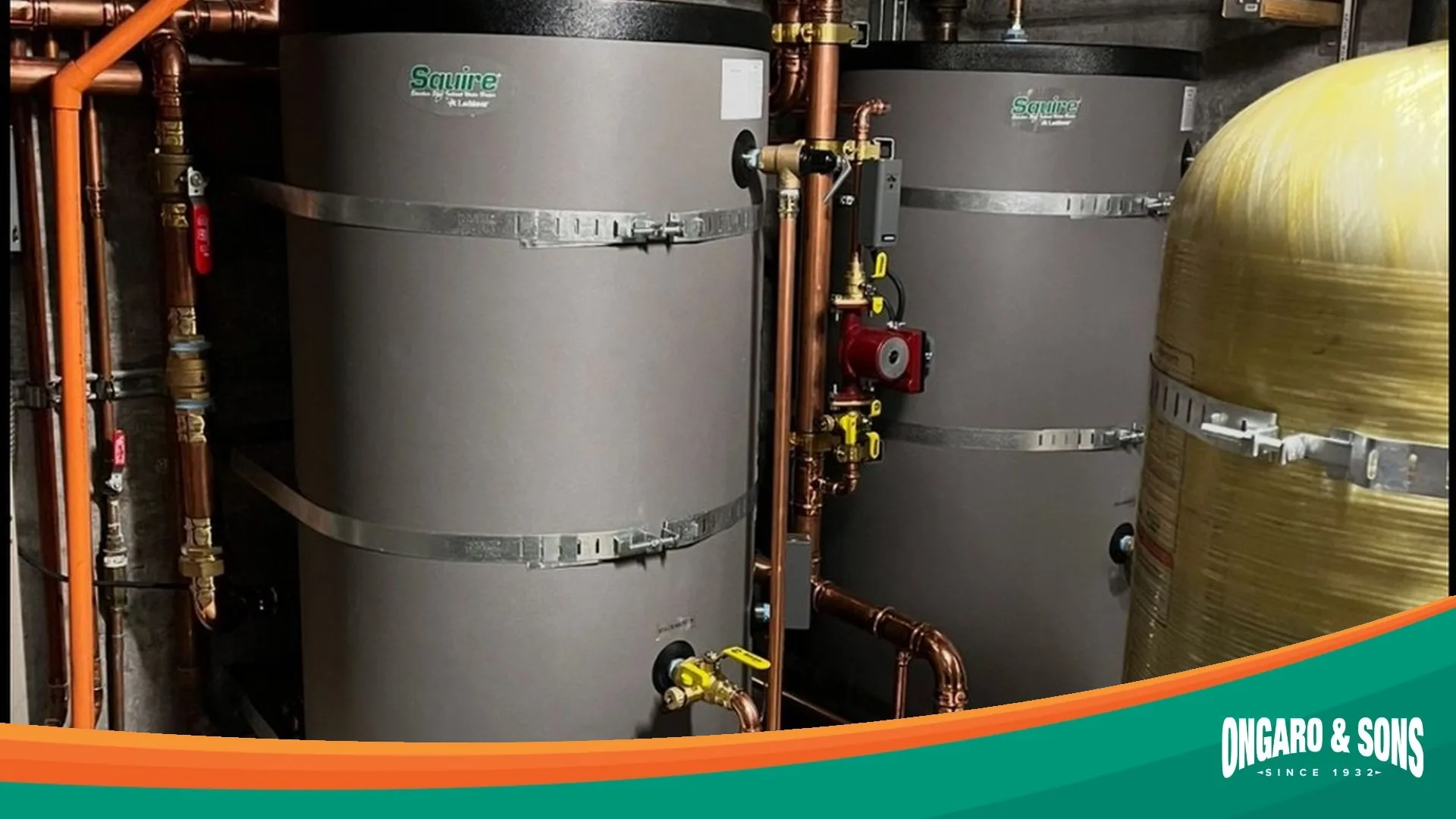
The reason it matters is what is attached to the tank. A moving water heater can damage its water, gas, vent or electrical connections, and that applies to electric and heat pump storage heaters as well as gas models. A full tank is heavy, tall and narrow, which is a poor shape for staying upright in shaking, and the restraint has to suit the complete installation, including any platform or stand it sits on.
What Does California Law Actually Say?
Health and Safety Code section 19211 is the operative statute, and you can read it in the state's official code library. Three things in it matter to a homeowner.
It covers existing heaters, not just new ones. The statute requires new and replacement water heaters, and all existing residential water heaters, to be braced, anchored or strapped to resist falling or horizontal displacement due to earthquake motion. That word "existing" is what surprises people.
There is a point-of-sale certification. The seller of any real property containing a water heater has to certify to the prospective purchaser that the section has been complied with. That certification is made in writing and typically appears within the transfer disclosure documents.
It is a performance requirement. The law says braced, anchored or strapped to resist falling or horizontal displacement; it does not prescribe one product. The statute's definition of a water heater is also specific: a standard heater of no more than 120 gallons for which a preengineered strapping kit is readily available. The California Plumbing Code and the approved restraint system's instructions supply the installation detail, and the Division of the State Architect publishes bracing guidelines for typical installations. The Plumbing Code itself is adopted through the California Building Standards Commission.
What Should You Note About Your Installation?
You can gather most of what an assessment needs from a safe position, without touching anything.
| Information to note | Why it helps the assessment |
|---|---|
| Information to note Model and tank capacity | Why it helps the assessment Identifies the applicable restraint instructions and whether the statute's kit-based definition applies |
| Information to note Visible restraint locations | Why it helps the assessment Shows whether the arrangement needs closer review |
| Information to note Wall or other anchorage surface | Why it helps the assessment The attachment must suit the supporting structure, not wallboard alone |
| Information to note Platform or stand | Why it helps the assessment Its stability and anchorage also matter |
| Information to note Space behind the tank | Why it helps the assessment The selected bracing method must account for the gap |
| Information to note Controls and connections | Why it helps the assessment Restraints must preserve the required clearances and service access |
None of those rows is a homeowner proof of compliance. Two visible straps do not certify the anchorage, and a strap screwed into drywall looks like compliance from across the garage. What the notes do is let a plumber tell you quickly whether the arrangement needs correction.
Can You Do This Yourself?
For a plain tank against a framed wall, restraint kits are sold and their instructions are written for homeowners. Use an approved restraint system or detail suitable for the tank and the supporting structure, and follow its complete installation instructions and the local requirements. Fasteners, blocking, restraint positions and clearances are all part of that design; selecting fasteners by length alone, or improvising an attachment through drywall, is not.
Arrange professional installation if you cannot identify suitable anchorage, if the tank sits on an uncertain support such as a raised platform or stand, if the space is a closet or alcove with no accessible framing, or if the work would disturb the gas, water, vent or electrical connections. Those installations need more than a strap kit, and a gas connection is licensed work.
What Else Should Be Checked at the Same Time?
From the same safe position, note any visible leaks, damaged connections, or a relief valve discharge pipe that appears to be missing, pointing upward or capped. Do not operate the relief valve or alter its piping as part of checking the straps; ask a plumber to assess anything that looks wrong. If the flexible gas connector is old, corroded or kinked, mention it, because the point of restraint is to protect that connection.
Two other items belong in the same conversation. If your house has a pressure reducing valve or a backflow preventer on the incoming water, the plumbing may be a closed system, and we cover why that matters in water heater expansion tanks. And rust at the base, moisture on the floor or a heater well into its second decade are worth noting; five signs it is time to replace a water heater covers the timing question.
Why Does This Matter More Here?
Because of where the North Bay sits. Marin, Sonoma and Napa County are in one of the more seismically active regions in the state, with several significant faults nearby. Anyone who was here in 2014 will remember the South Napa earthquake, which caused substantial damage in Napa, including gas leaks and fires. The California Geological Survey maps fault zones and seismic hazard across the state, and the USGS earthquake hazards program publishes the underlying science. Neither is necessary reading to strap a water heater, but if you want to see what the ground under your address is expected to do, they are the sources.
Ongaro & Sons is a family-owned company based in Petaluma, serving Marin, Sonoma and Napa County since 1932, licensed C-36 plumbing, C-20 HVAC and C-10 electrical. You can verify any California contractor's license on the Contractors State License Board site.
What If You Are Selling?
Handle it early. The certification is required, and the requirement does not go away because the closing is soon. A buyer's inspector may note an unstrapped or poorly restrained tank, and if the inspection also turns up a missing relief valve discharge pipe or a heater near the end of its life, you would rather know in advance than during a negotiation.
If you are buying rather than selling, ask for the certification and then look at the heater yourself. A certification and a correctly restrained tank are not always the same thing.
Frequently Asked Questions
Is water heater strapping required in California?
Yes. Health and Safety Code section 19211 requires new and replacement water heaters, and all existing residential water heaters, to be braced, anchored or strapped to resist falling or horizontal displacement in an earthquake. It covers the heater you already have.
How many straps does a water heater need?
Many conventional installations use restraints near the upper and lower thirds of the tank, but the required number and configuration depend on the heater and the approved detail. Larger tanks or different supports may need additional provisions. Have the complete arrangement checked rather than counting straps.
Is an unstrapped water heater automatically noncompliant?
It needs review. California's requirement can be met by suitable bracing, anchoring or strapping. A storage tank with missing restraints may need correction, while a different approved anchorage arrangement has to be evaluated on its own terms.
Do I have to strap my water heater before selling my house?
The seller of any real property containing a water heater has to certify to the buyer that the bracing requirement has been complied with. Since the certification is required regardless, doing the work on your own schedule is the easier path.
Can I strap a water heater myself?
For a plain tank against a framed wall, an approved restraint kit installed to its complete instructions is within reach. Get a plumber if the tank is on a raised stand or platform, if it is in a closet with no accessible framing, if you cannot identify suitable anchorage, or if the restraints cannot be fitted without disturbing the gas, water, vent or electrical connections.
Does a water heater in a garage need to be strapped?
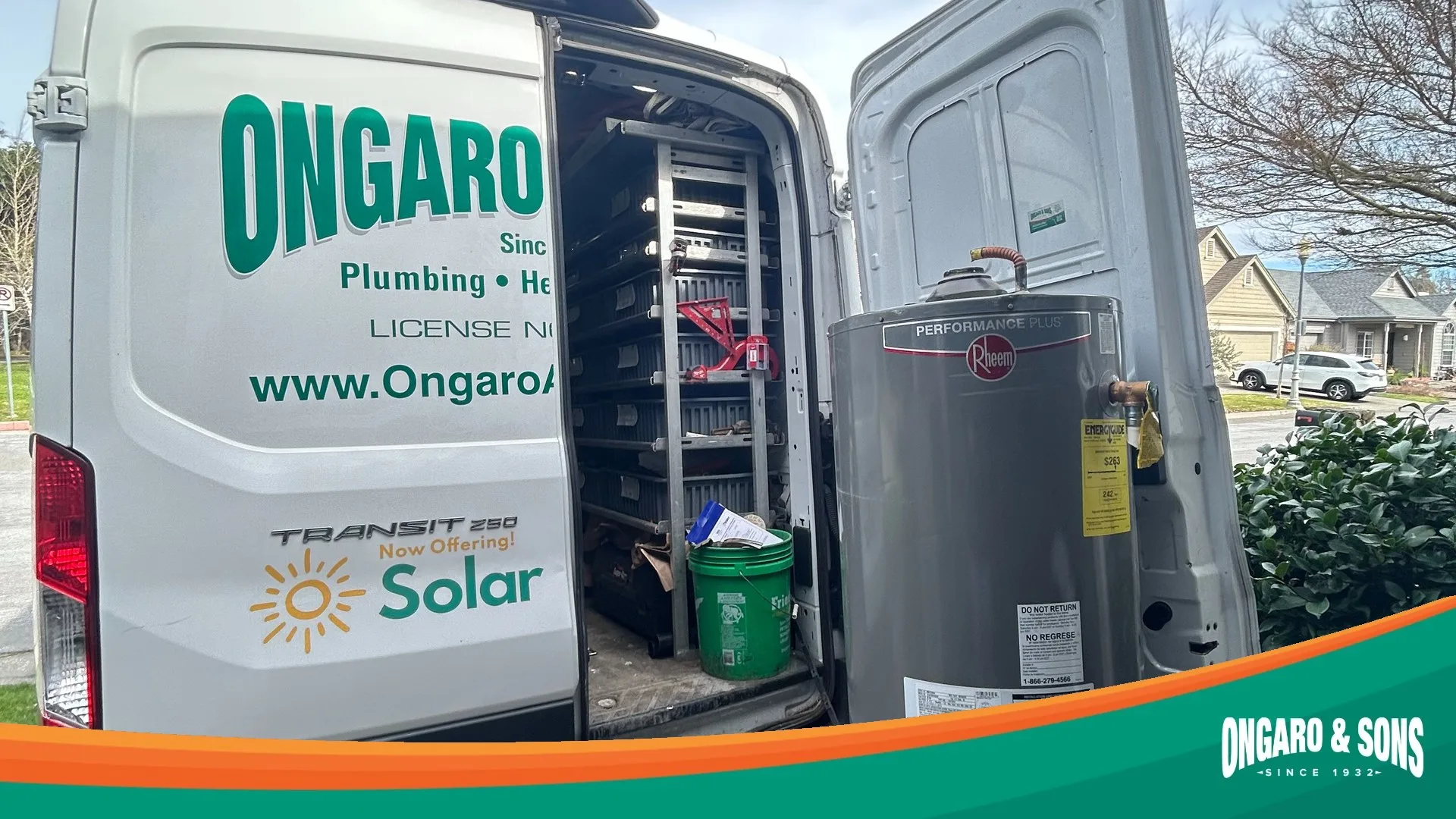
Yes, and garage installations often need more attention rather than less, because many sit on a raised platform. If yours is on a stand, the stand's stability and anchorage are part of the restraint, not solid ground to be assumed.
Do tankless water heaters need seismic strapping?
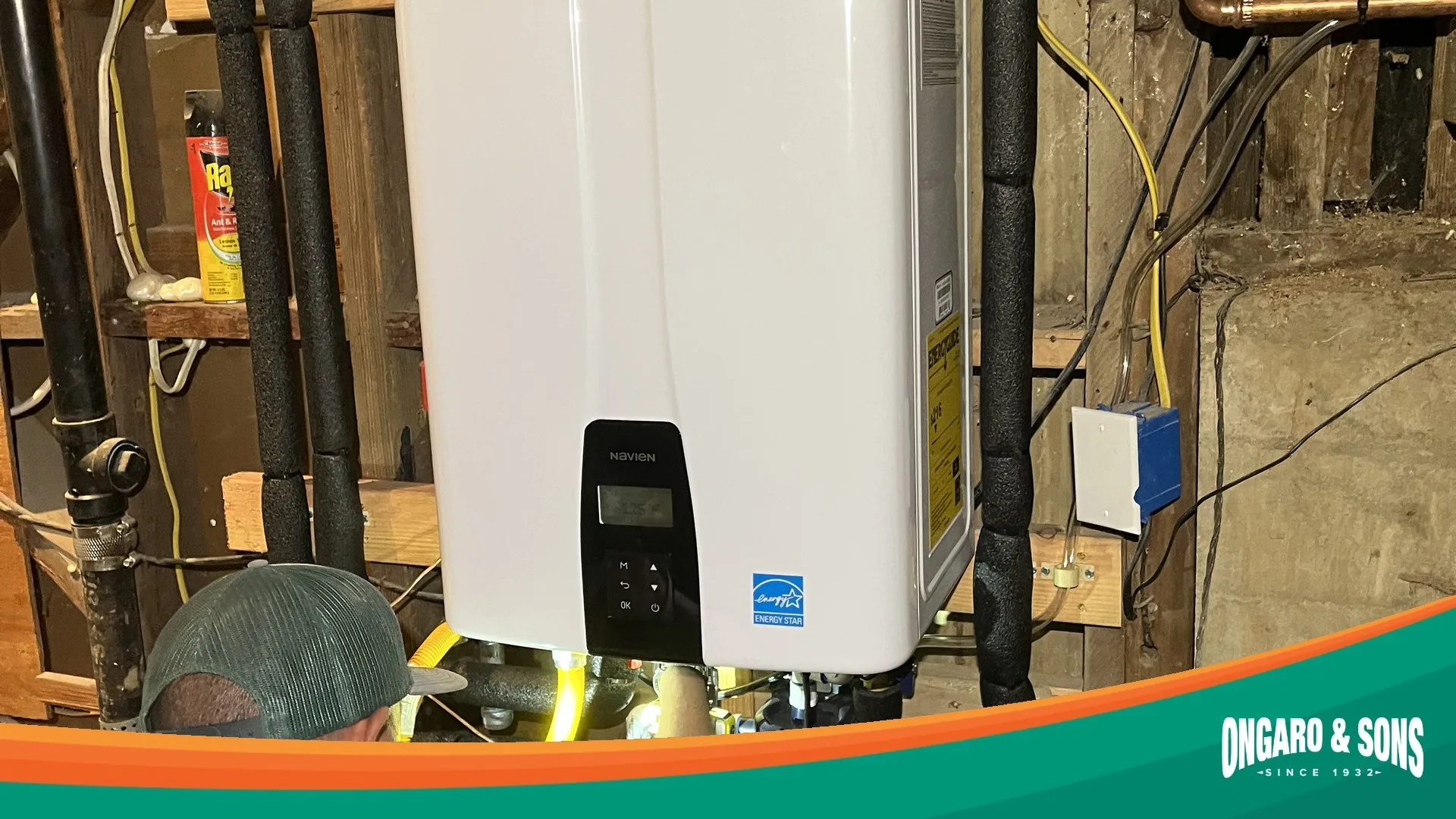
A wall-mounted tankless heater normally uses its specified mounting system rather than straps around a storage tank. Its mounting and anchorage still need to meet the appliance instructions and the applicable requirements, and your installer should handle that as part of the installation.
Where to Start
Walk to your water heater and look, without touching it. Note the model and capacity from the label, where the visible restraints are, what they are attached to, whether the tank sits on a platform, and whether the relief valve has a discharge pipe running down toward the floor. If restraints are missing, visibly loose, or attached to bare drywall, or if the installation is anything other than a plain tank against a framed wall, have it assessed.
If you are unsure about the restraints, contact Ongaro & Sons with the heater's model, its capacity and clear photos of its support and visible attachments. An assessment can establish what corrections are needed. Our water heater page covers service and replacement.