Water Service Line Replacement: What Runs Between the Meter and Your House
Water service line replacement is the excavation or pulling of a new buried pipe between a utility meter and a home, and reconnection at both ends. Here, "water service line" means the pipe on the customer's side of the meter. Providers sometimes use the term differently, so when you ask who owns and maintains a pipe, describe where it runs.
Quick answer. An unexplained rise in water use, wet ground between the meter and the house, or reduced flow can justify a leak assessment; none of those signs identifies the buried line as the cause on its own. Confirm the ownership boundary with your water provider, then have the leak located before deciding between repair and replacement. The replacement scope depends on the route, the pipe's condition, access, other utilities and surface restoration, so ask for those items, the permit requirements and the expected water shutoff to be explained in the estimate by a licensed C-36 contractor.
People find this out at a bad moment. A bill arrives that is three times normal, or a patch of lawn stays soggy through August, and the plumber explains that the pipe under the driveway is the homeowner's. That comes as a surprise to most people, because everything about the meter looks like utility equipment.
Where Does the Water Provider's Responsibility End?
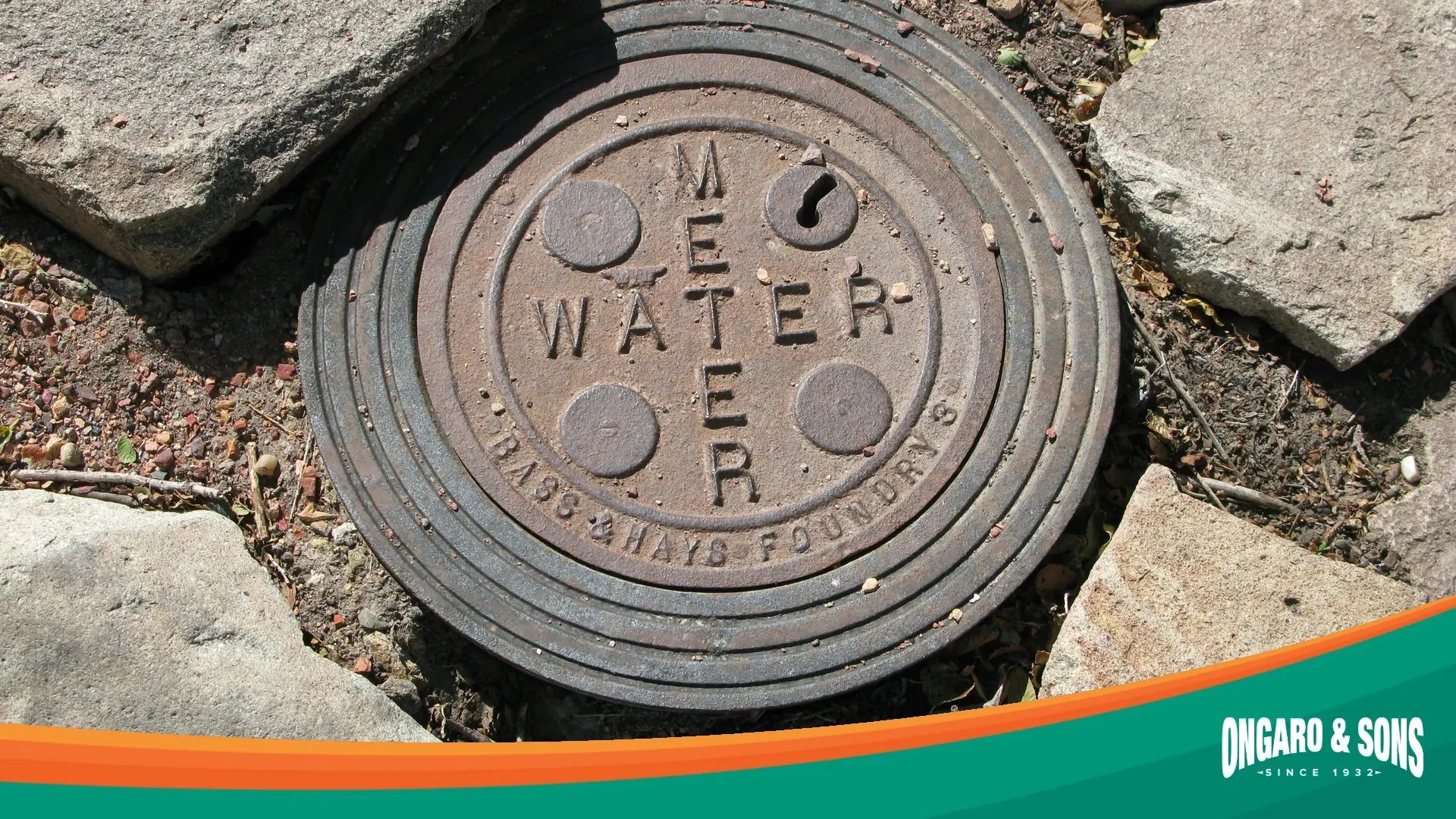
Often at the meter, but confirm it with your own provider, because the arrangement is set by each one. Marin Water's guidance on detecting water leaks states that the pipe from its meter to the home is the customer's responsibility. For another supplier, a shared service or a private well, ask directly. Your district will be Marin Water, North Marin Water District, one of the districts supplied by Sonoma Water, or another provider, and each administers this its own way.
One wrinkle, because it causes confusion on the phone. Marin Water uses "service line" for the utility-owned pipe from the main to your meter, while plumbers and most search results use it for the pipe from the meter to the house. The ownership line is at the meter either way. When you call, describe the pipe by where it runs.
Some providers offer a billing adjustment for an unusually high bill caused by a documented leak. Ask about any adjustment or assistance program, and its documentation deadlines, while the repair is being scheduled rather than after.
How Do You Know the Service Line Is Leaking?
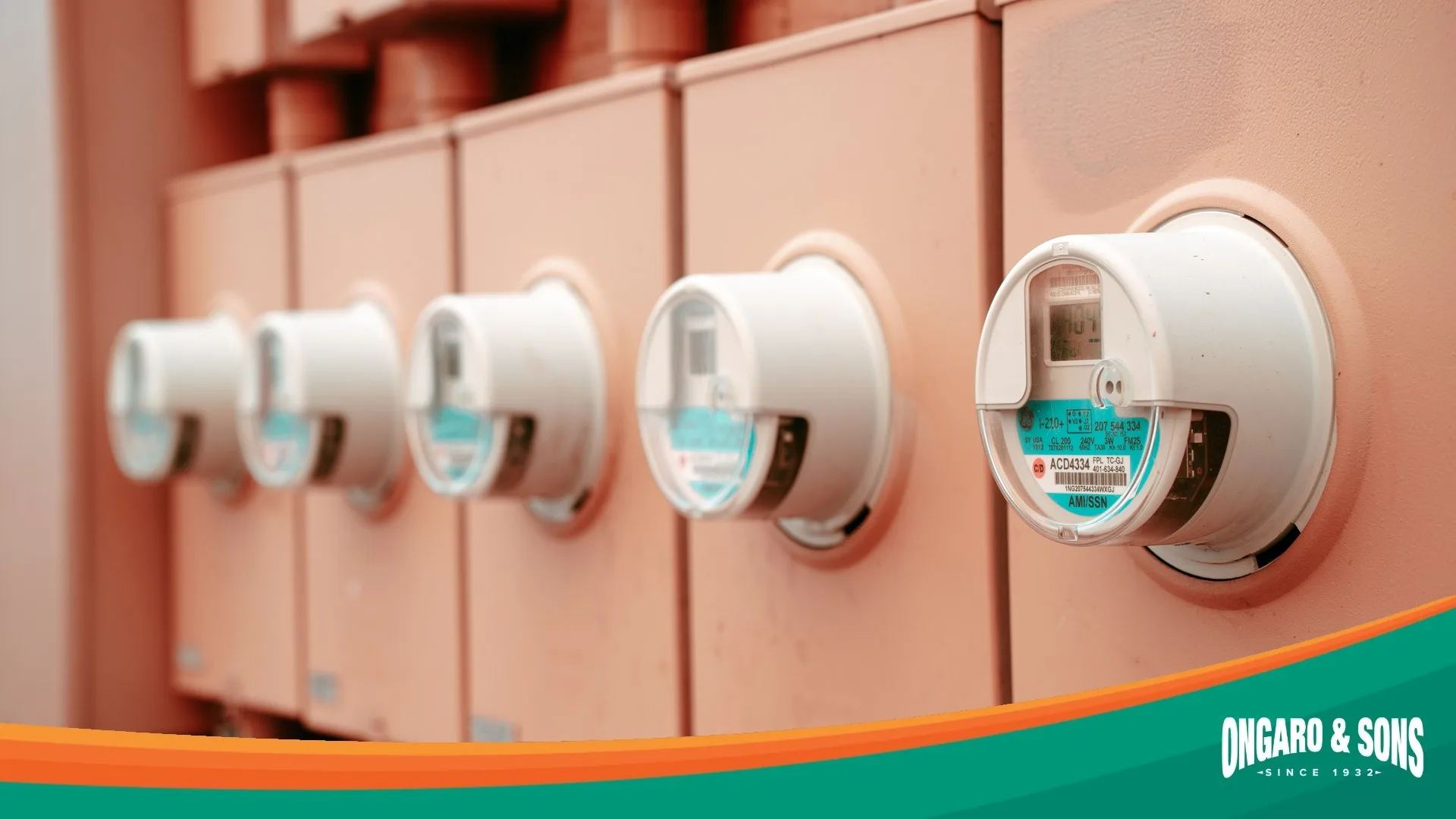
Follow your provider's instructions for reading the meter while no intentional water use is occurring, including irrigation, the ice maker and anything on a timer. Most meters have a small leak indicator that turns with even low flow, and a reading that changes with everything off indicates flow that needs to be explained.
If you have an accessible customer shutoff where the line enters the house, and you know what it controls, closing it may help narrow the source. Irrigation or other branches that tee off before that valve are still live and need to be accounted for. If the meter keeps moving with the house valve closed, water is escaping upstream of that valve, which points toward the buried line; if it stops, the buried line is holding during the test and the leak is more likely indoors. Do not force a stiff valve, and do not operate utility-owned equipment at the meter.
Treat the result as a way of narrowing the search, not as proof. A meter that stops during a short check does not certify the buried pipe against every leak, and an intermittent or very small leak can hide from it. Share the observations with the plumber as part of locating the problem. Our leak detection guide covers finding indoor leaks, and the pipe repair page covers what happens when the leak turns out to be under the house.
What Are the Other Warning Signs?
| Sign | What it can suggest |
|---|---|
| Sign Bill climbs with no change in use | What it can suggest Unexplained water use, including possible indoor, irrigation or buried-pipe leakage |
| Sign Wet or soft ground between meter and house | What it can suggest A leak surfacing along the line route |
| Sign A stripe of greener grass across the yard | What it can suggest A possible line route being watered by its own leak |
| Sign Pressure dropped everywhere at once | What it can suggest A restriction, a leak, a valve, a regulator or a utility-supply issue |
| Sign Discolored water at every tap | What it can suggest A supply or plumbing issue; ask the provider whether nearby customers are affected |
| Sign Sound of running water with everything off | What it can suggest Flow somewhere in the system |
| Sign Repeated repairs to the same line | What it can suggest A reason to compare the line's condition and repair history with replacement options |
What Is Your Line Probably Made Of?
The material helps explain the likely failure mode, and the era of the house is a rough guide to the material. Installation conditions, water and soil exposure, and where the damage is also matter.
| Material | Typical era | How it tends to fail |
|---|---|---|
| Material Galvanized steel | Typical era Pre-1960s | How it tends to fail Internal corrosion narrows the pipe, then perforates it |
| Material Copper | Typical era 1960s onward | How it tends to fail Pinhole leaks, especially in aggressive soil |
| Material Polybutylene | Typical era Roughly late 1970s to mid 1990s | How it tends to fail Becomes brittle, fails at fittings and along the run |
| Material PEX | Typical era 1990s onward | How it tends to fail Failures usually at fittings or from installation conditions |
| Material HDPE or PE tubing | Typical era Common for modern services | How it tends to fail Durable; failures usually from damage or installation conditions |
Galvanized matters most in the North Bay because so much of the housing stock predates 1960. A galvanized service line does more than leak: it progressively closes up from the inside, so the symptom people notice first is often falling pressure. If the house also has galvanized supply piping inside, the two problems usually arrive together, and we cover that in replacing galvanized pipes.
What About Lead?
Lead service lines were used in some parts of the country well into the twentieth century, and the EPA now requires water systems to inventory and replace them. Its material on lead service line replacement and on lead in drinking water explains the program.
Ask your water provider whether its service line inventory identifies both sides of your connection and whether any portion is listed as unknown. An inventory is a starting point for identifying the material, not a test of the water at your tap. If lead is suspected, ask about identification, sampling and the precautions that apply during a replacement. A separate point: lead solder was used on copper joints until it was restricted, which is an interior plumbing question rather than a service line one; our water filtration page covers what point-of-use treatment can and cannot address.
How Is a Service Line Replaced?
Open excavation and suitable trenchless methods have different access and restoration needs. In an open trench the route is dug, the old pipe removed or abandoned, the new line laid, and the surface restored; the cost driver is the restoration rather than the pipe. Trenchless methods pull a new line through or alongside the old route from access pits at each end, which can avoid disturbing a driveway, a patio or mature landscaping. Which options are feasible depends on the route, the existing pipe, nearby utilities, ground conditions and the required connections. Ask whether a proposed trenchless method is suitable for a potable water service on your route, and exactly what excavation and restoration remain necessary; our trenchless pipe bursting page describes one such technique.
Before anyone digs, USA North 811 has to be contacted, and its notice, marking and response requirements followed. That is required in California, and it exists because gas, electrical, sewer and communications lines share the same front yard as your water service. Privately owned lines may need separate locating, marks do not identify every line, and the water pipe does not reliably follow the shortest route across the yard, so do not probe or dig along a guessed route.
After installation, confirm the required pressure testing, flushing, any required disinfection, the inspection and the restoration before the job is closed out. Our waterline replacement page covers the work.
Who Is Licensed to Do This Work?
Plumbing work in California falls under the C-36 classification, and underground pipeline work under C-34. Some jurisdictions require the pipeline classification for part of this work: Santa Rosa's Water Engineering FAQ specifies a Class A or C-34 license for water service lateral and meter plumbing in its discussion of encroachment work. Confirm whether that requirement applies to the proposed work at your address, and whether any right-of-way or utility approvals are needed; the contractor's classifications should match the actual scope.
Ongaro & Sons is a family-owned company based in Petaluma, serving Marin, Sonoma and Napa County since 1932, licensed C-36 plumbing, C-20 HVAC and C-10 electrical, and holding the C-34 pipeline classification that some water service lateral and meter work requires. You can verify any California contractor's license and classifications on the Contractors State License Board site, and the board publishes what each classification authorizes.
What Drives the Cost?
The pipe is a small part of it. Almost everything else is access and restoration.
| Factor | Simpler | More involved |
|---|---|---|
| Factor Distance from meter to house | Simpler Short run near the street | More involved Long rural driveway |
| Factor What is on top of the route | Simpler Lawn or bare ground | More involved Concrete driveway, pavers, mature landscaping |
| Factor Method | Simpler Compare the total installed and restored scope of each method rather than assuming one is cheaper | More involved |
| Factor Soil and obstructions | Simpler Diggable soil | More involved Rock, roots, high water table |
| Factor Other utilities in the route | Simpler Clear | More involved Gas, electrical or sewer crossing the path |
| Factor Restoration | Simpler Reseed a lawn | More involved Replace a driveway section and match the finish |
Get the restoration itemized. It is a frequent source of disagreement afterward, because "replace the water line" and "put my driveway back the way it was" are two different scopes and people assume the second is included in the first.
Is It Worth Replacing Before It Fails?
If the surface above the line is coming up anyway. When a driveway or landscaping is being redone, running a new service line at the same time avoids opening the same ground twice. This is the best timing opportunity and it is often missed.
If the line is galvanized and pressure has been declining. Falling pressure with no other explanation can mean the pipe is closing up internally. Have the cause assessed, because a regulator, a valve or the supply can produce the same symptom.
If it has leaked before. Compare the line's material, condition and repair history with the replacement options. One repaired fitting on an otherwise sound modern line can be a repair; a leak along the run of a galvanized or polybutylene line is a reason to look at the whole line.
Frequently Asked Questions
Who is responsible for the water line from the meter to the house?
Usually the property owner, with the provider owning the main and the meter, but the arrangement is set by each provider. Marin Water states that the pipe from its meter to the home is the customer's responsibility; confirm yours directly, and ask about any leak adjustment program at the same time.
How do I know if my water service line is leaking?
Follow your provider's instructions for reading the meter with all intentional water use off, including irrigation. A changing reading indicates flow that needs explaining. If you have an accessible customer shutoff and know what it controls, closing it can help narrow the source: a meter that keeps moving points toward the buried line, one that stops points indoors. Neither result is proof, so share the observations with the plumber locating the leak.
How long does a water service line last?
The material explains the likely failure mode: galvanized steel corrodes internally, copper can develop pinhole leaks in aggressive soil, polybutylene from the late 1970s to mid 1990s becomes brittle, and modern HDPE and PEX usually fail from damage or installation conditions rather than age. Installation conditions, water and soil exposure and the location of any damage all matter, so have the line assessed rather than dated.
How long does it take to replace a water service line?
Ask for the expected on-site work, the water interruption and the restoration schedule. Permits and coordination with the water provider for the meter connection can add calendar time, and the method and the surface above the route change the on-site time.
Do I need a permit, and a specific license, to replace a water service line?
Yes to the permit, throughout Marin, Sonoma and Napa County; the work is inspected and the meter connection is coordinated with the provider. Some jurisdictions also require a specific classification for part of the work: Santa Rosa specifies Class A or C-34 for water service lateral and meter plumbing in its encroachment work FAQ. Confirm the requirement for your address and ask which classifications the contractor holds.
Can I replace the water line myself?
Practically, no. The work requires notifying USA North 811 and waiting for the marks, a permit and inspection, a coordinated meter connection with the provider, and in some jurisdictions a specific contractor classification. The excavation also runs alongside gas and electrical services, which is where an unlocated dig becomes dangerous rather than merely expensive.
Will my water district cover the cost?
The customer-side pipe is generally the owner's to repair. Some providers offer a billing adjustment for an unusually high bill caused by a documented leak, and some have assistance or replacement programs for particular materials, so ask yours what applies and what documentation it needs.
Should I replace the line if it has only leaked once?
Compare the material, the location of the failure and the condition of the rest of the line with the replacement options. A single failure at a fitting on an otherwise modern line can be a repair. A leak along the run of galvanized or polybutylene pipe is a reason to assess the whole line, because spot repairs on a line in that condition tend to add up.
Where to Start
Do the meter check the way your provider describes it, with everything that uses water off, and note whether the reading changes. If you have an accessible shutoff at the house and know what it controls, use it to narrow the source. Then note what is on the surface between the meter and the house, without assuming the pipe runs in a straight line and without digging.
If you would like the leak located and the options laid out, you can request a free online estimate. Our waterline replacement page covers the work and plumbing services covers the rest of what we do.