Whole House Repipe: When You Need One
Your home’s plumbing works invisibly, day after day, delivering clean water to every faucet, shower, and appliance without a second thought. Until it doesn’t. When the problems become frequent enough (rust-tinged water, showers that barely trickle, pipes that seem to spring a new leak every few months) the question shifts from whether to call a plumber to whether the whole system needs to go. A whole house repipe is one of the most significant plumbing investments a homeowner can make, and for the right home, it is also one of the most worthwhile. If you own an older property in Marin County or Sonoma County, understanding when and why a complete repiping becomes necessary could save you from years of compounding problems, water damage, and health concerns you may not even know exist.
What Is a Whole House Repipe?
A whole house repipe is exactly what it sounds like: the complete replacement of a home’s water supply piping from the point where water enters the structure through every branch line serving kitchens, bathrooms, laundry, and utility connections. Rather than patching individual sections as they fail, a full repipe removes the aging infrastructure entirely and replaces it with new materials designed to last for decades.
This is distinct from drain line replacement, which addresses the pipes that carry wastewater out of the home. A whole house repipe focuses on the supply side, the pressurized lines that deliver clean water throughout your living spaces. In many older homes, the two systems were installed at the same time, so a comprehensive plumbing evaluation often looks at both.
Repiping is not a maintenance task. It is a structural upgrade to your home, and it should be treated as such. When a qualified plumbing contractor completes a whole house repipe properly, the result is essentially a new plumbing system installed within an existing home’s footprint.
Understanding Your Home’s Pipe Materials
The type of pipe inside your walls largely determines when a repipe becomes necessary. Different materials age differently, and the era in which a home was built usually tells you a great deal about what you are working with.
Galvanized Steel Pipes
Galvanized steel pipes were the standard choice for residential plumbing throughout much of the first half of the twentieth century, and they remained common into the 1960s and early 1970s. The zinc coating that gives them their name was intended to prevent corrosion, but over time that coating wears away from the inside out. What follows is a predictable deterioration: rust builds up along interior pipe walls, reducing water flow and eventually compromising water quality. Mineral deposits compound the problem, layering on top of the rust until pipes that were once fully open are reduced to a fraction of their original diameter.
According to the International Association of Certified Home Inspectors (InterNACHI), galvanized steel pipes have an estimated useful life of roughly 40 to 50 years under good conditions. In areas with harder water or more aggressive chemistry, that lifespan can be considerably shorter. Homes built before 1970 in Marin County and Sonoma County that have not been repiped almost certainly still have galvanized steel somewhere in their plumbing system. For these homes, a repipe is not a matter of if. It is a matter of when.
There is an additional concern that makes addressing galvanized pipes a priority. The EPA has documented that galvanized pipes previously connected to lead service lines can accumulate and re-release lead particles into the water supply, even after the original lead line has been removed. There is no safe level of lead exposure, and the risk is especially acute for children and pregnant women. This is not a hypothetical concern for older North Bay homes. It is a well-established pathway for contamination that a whole house repipe directly eliminates. For homeowners ready to take that step, Ongaro and Sons’ repipe specialists have written in depth about why galvanized pipe replacement should not be deferred.
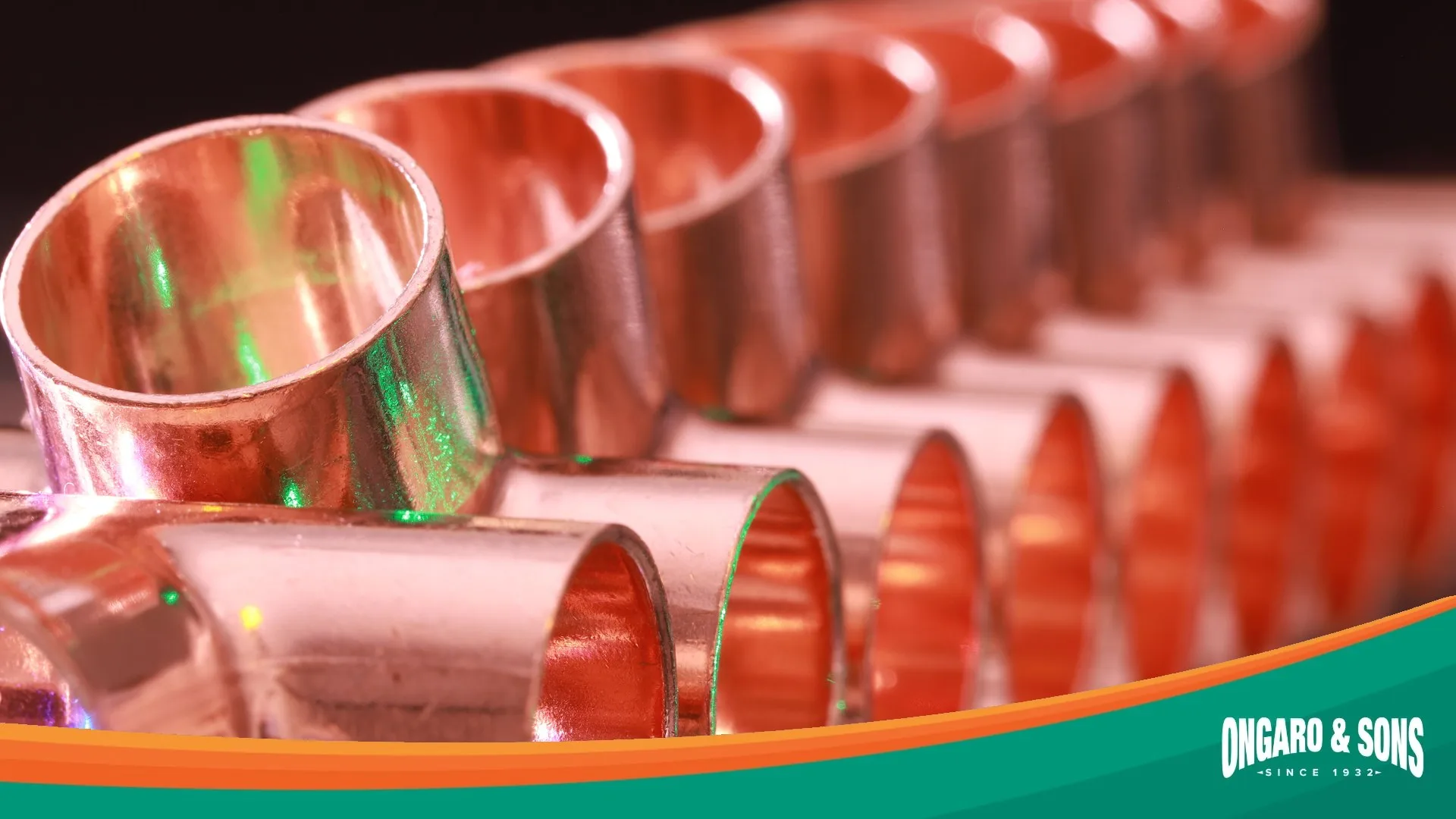
Copper Pipes
Copper became the dominant residential pipe material from the mid-twentieth century onward, and for good reason. It is durable, naturally antimicrobial, and far more corrosion-resistant than galvanized steel. InterNACHI’s estimated lifespan for copper supply lines runs from 50 to 70 years under normal conditions. Many well-maintained copper systems far exceed that range.
That said, copper is not immune to failure. The chemistry of the water running through it matters enormously. Soft, slightly acidic water (a characteristic of some North Bay municipal sources) can accelerate corrosion in copper lines over time, leading to pinhole leaks that are frustratingly difficult to find and repair. Electrolytic corrosion, which occurs when copper is improperly grounded or comes into contact with dissimilar metals, is another failure mode unique to copper systems. A home with original copper piping from the 1960s or 1970s is reaching the age where a professional evaluation is warranted, even if visible problems have not yet appeared.
Polybutylene Pipes
Homes built between approximately 1978 and 1995 may contain polybutylene piping, which was marketed as a flexible, affordable alternative to copper. It did not perform as promised. Polybutylene reacts adversely with chlorine and other common water treatment chemicals, causing it to become brittle and develop micro-fractures over time. If your home has gray plastic supply lines, identifying whether they are polybutylene is a priority. A qualified plumber can confirm it, and if present, replacement is strongly recommended regardless of whether visible leaks have appeared.
PEX and Modern Pipe Options
Cross-linked polyethylene, known as PEX, has become the material of choice for residential repiping across California and the broader United States. It offers a compelling combination of characteristics: flexibility that simplifies installation in existing homes, resistance to freezing and bursting, immunity to the corrosion and scaling issues that plague metal pipes, and a projected lifespan of 40 years or more under InterNACHI’s estimates. PEX does not leach metals into the water supply, is not affected by most water chemistry variations, and requires fewer fittings than rigid pipe installations, which means fewer potential failure points.
For most whole house repipe projects in Marin County and Sonoma County, PEX is the recommended material. Copper remains an excellent option where local code or homeowner preference calls for it, and a licensed plumbing contractor can advise on which material is best suited to your home’s specific conditions.
Warning Signs That a Whole House Repipe May Be Necessary
No single symptom tells the whole story. A repipe becomes the right call when you are looking at a pattern of problems rooted in the same underlying cause: aging pipe infrastructure that has reached or passed the end of its functional life.
Discolored or Rusty Water
Brown, orange, or reddish water from the tap is one of the clearest signals that galvanized steel pipes are deteriorating from the inside. The discoloration comes from iron oxide (rust) flaking off the interior walls and entering the water stream. It is most noticeable first thing in the morning or after extended periods of low use, when water has been sitting in the pipes. If flushing the line clears it quickly and the problem is isolated to one fixture, the cause may be localized. But if rust-colored water appears consistently from multiple fixtures, the problem is systemic.
Water that appears clear but carries a metallic taste, or that leaves orange staining in sinks and toilets, points to the same underlying deterioration even when the discoloration is not visually obvious.
The EPA’s Protect Your Tap guidance offers homeowners a step-by-step framework for identifying potentially compromised pipe materials in their home’s supply lines, a useful starting point before scheduling a professional evaluation.
Persistently Low Water Pressure
Galvanized pipes corrode inward. As rust and mineral scale accumulate on the interior walls, the effective diameter of the pipe shrinks. What was once a full-bore water line becomes increasingly restricted, and the result is water pressure that gradually diminishes over years. Homeowners often adapt to this change so slowly they do not notice it until the shower that once delivered strong pressure now struggles to rinse shampoo.
Low pressure throughout the home, as opposed to a single fixture, is the diagnostic key. Pressure isolated to one area often points to a valve, aerator, or localized blockage. Whole-house pressure loss that cannot be resolved by cleaning fixtures or adjusting pressure-regulating valves suggests the pipes themselves are the bottleneck.
Frequent or Recurring Leaks
One leak in a plumbing system is a plumbing repair. Two or three leaks in the same system within a few years are a pattern. When galvanized pipes reach the end of their life, they do not fail at one point and hold elsewhere. They fail progressively, at whatever location happens to be most corroded at that moment, while the rest of the system continues aging toward the same condition. Repairing individual leaks in an end-of-life system is the plumbing equivalent of patching one panel on a car that needs a full body restoration. Ongaro and Sons’ leak detection and repair services can help determine whether recurring leaks reflect a localized problem or a systemic one that warrants a full repipe conversation.
Copper pipe failure follows a similar logic. Pinhole leaks in copper systems often indicate a chemistry or corrosion issue affecting the entire system. Finding and patching individual pinholes is a reasonable short-term response; a whole house repipe addresses the root condition.
Visible Corrosion and Staining at Pipe Connections
Where pipes are accessible (under sinks, in utility rooms, in crawl spaces or basements) take a close look at the connections and fittings. Blue-green staining on copper indicates active corrosion. White or yellow mineral deposits around fittings signal ongoing leakage. Orange streaking on galvanized pipe is rust. Any of these visible signs, particularly when present at multiple locations throughout the home, indicate a system in active deterioration.
Your Home Was Built Before 1985
This is not a rule, but it is a reliable guiding principle. Homes built before 1985 in Marin County and Sonoma County were almost universally plumbed with either galvanized steel or early copper, both of which are now approaching or past their estimated useful life. If that home has never been repiped, the plumbing is operating on borrowed time. Even if symptoms are not yet severe, a professional evaluation is worth scheduling proactively rather than waiting for a failure to force the decision.
How a Whole House Repipe Works
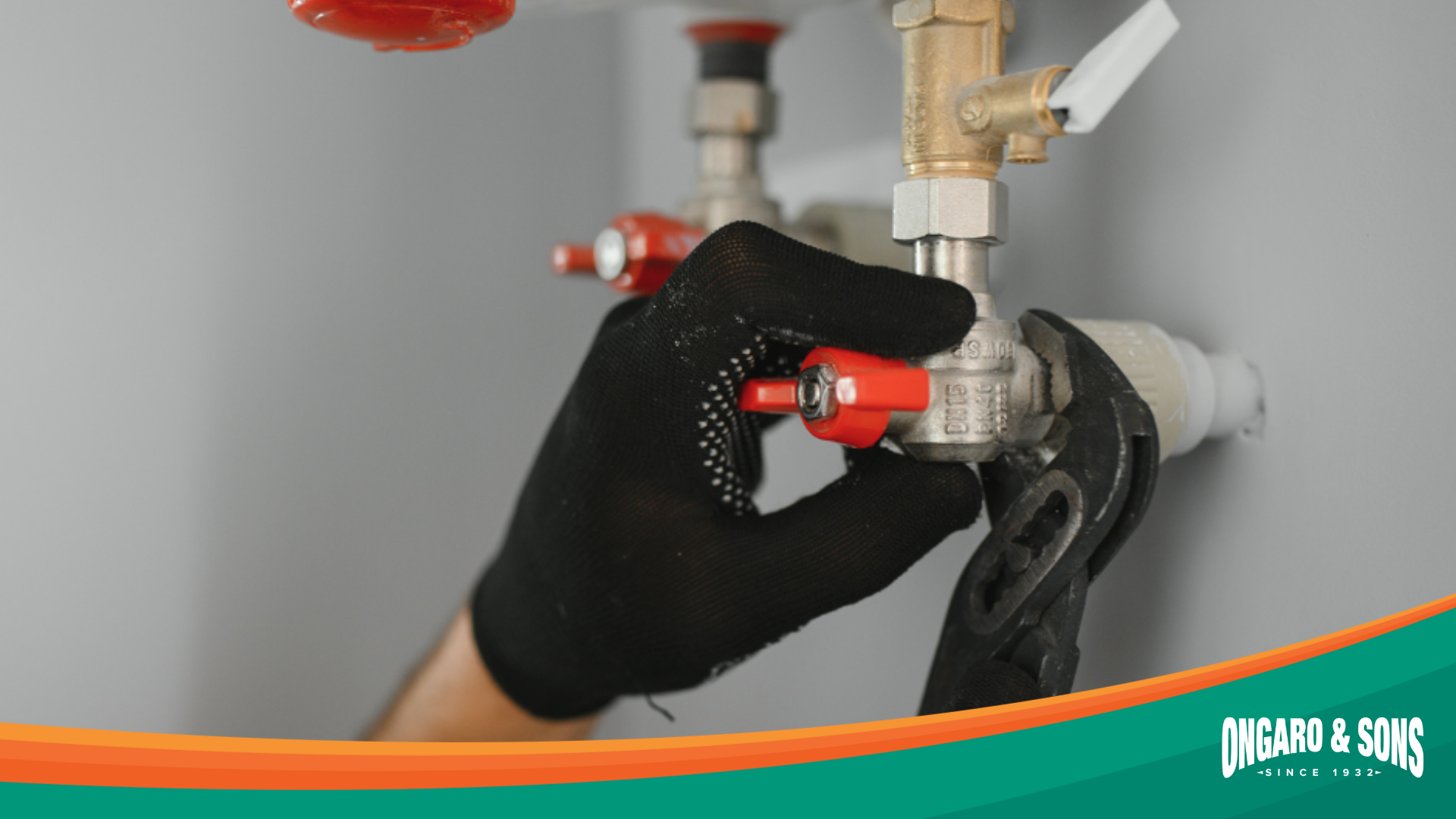
The process of repiping a home is more precise and less disruptive than most homeowners expect. A qualified plumbing contractor will walk through the home to map the existing supply lines, identify where new lines can be run most efficiently, and plan the project to minimize impact on the household.
Access is the primary technical challenge. In most cases, small access points are made in walls, ceilings, or floors to route new pipe. The extent of this work varies with the home’s construction. Slab-on-grade homes require a different approach than homes with crawl spaces or basements, which offer more accessible routing options. In many North Bay homes, which often feature older construction with wood framing and accessible crawl spaces, a repipe can be completed with surprisingly minimal disruption to finished surfaces.
New lines are run throughout the home, connected to fixtures, appliances, and the main shutoff. Once the new system is tested and confirmed leak-free, the old pipes are either removed or, in some cases, left in place where removal would cause unnecessary damage. Water is restored, and the household is typically back to normal function within a day or two for most residential projects, though larger homes may require additional time.
Expect a period of water shutoff during active work. Your plumbing contractor should give you a clear timeline during the estimation process. A repipe is also a natural opportunity to evaluate the condition of the water heater. If your water heater is approaching the end of its own service life, coordinating replacement during a repipe project can reduce disruption and simplify the work.
Finishing work, including drywall patching and painting over access points, may be handled by the plumbing contractor or coordinated with a separate contractor depending on scope. This is worth clarifying upfront.
Repair vs. Whole House Repipe: Making the Right Call
Spot repairs have their place. Not every leak warrants a full system replacement, and not every homeowner is in a position to undertake a project of this scope at any given moment. Understanding where the line falls between sensible repair and necessary replacement is what separates an informed decision from one made in the moment.
Repair makes sense when the problem is genuinely isolated, the pipe material is not yet at end-of-life, and a single intervention can restore the system to reliable function for years to come. A pinhole leak in a ten-year-old copper system is a repair. A fitting failure at a specific junction in an otherwise sound galvanized system (in a home built in 1995, not 1955) is a repair. The pipe repair services page covers the range of options when targeted intervention is the right path.
Repiping makes sense when any of the following are true: the pipe material has exceeded or is near its estimated useful life; multiple leaks have occurred in the same system over a short period; water quality issues (rust, discoloration, metallic taste) are systemic rather than isolated; pressure problems persist throughout the home and cannot be resolved by other means; or the home is changing ownership and the new owners want a clean, known-good plumbing system.
InterNACHI’s detailed guidance on plumbing in older homes reinforces this framework: galvanized pipe deterioration is progressive and internal, which means visible failure at one point indicates broader deterioration throughout the system that has not yet breached.
The economics of repeated repairs on an aging system also factor into the decision. Each repair call has a cost. Water damage from an undetected or sudden leak can be substantial. When repair costs are accumulating on a system that will require replacement within a few years regardless, the case for a proactive whole house repipe becomes straightforward.
Benefits of a Complete Whole House Repipe
The reasons homeowners in Marin County and Sonoma County choose to repipe go well beyond stopping leaks.
Restored water quality. Removing corroded metal pipe from the system eliminates the primary source of rust, sediment, and potential heavy metal contamination at the tap. Water that was orange-tinged and metallic-tasting runs clear and clean through new pipe.
Improved water pressure. New lines with their full bore diameter deliver the pressure the system was designed to produce. Showers feel different. Appliances fill faster. Hot water reaches fixtures more quickly.
Reduced risk of water damage. A compromised plumbing system is a slow-motion leak waiting to happen in the walls, subfloor, or ceiling. A whole house repipe removes that risk from the equation entirely.
Home value and marketability. In the premium real estate markets of Marin and Sonoma County, where buyers conduct thorough due diligence and inspectors are detailed, original galvanized plumbing from the mid-twentieth century is a negotiating liability. A recently completed whole house repipe with documentation is a genuine selling point.
Peace of mind. There is a practical value to knowing your plumbing system is new, tested, and covered by a warranty. It is one category of home maintenance concern that simply disappears.
North Bay Considerations: Why Marin and Sonoma County Homes Warrant Close Attention
The housing stock in Marin County and Sonoma County is older than national averages. Much of what was built here in the 1940s, 1950s, and 1960s reflects the post-war boom that shaped the entire North Bay, and a significant portion of that construction has never been comprehensively repiped.
The Sonoma County Department of Health and Human Services has documented the relationship between corroding metal pipes and compromised water quality, including the specific risk of lead leaching from older plumbing systems. That is relevant context for homeowners drawing from either well water or municipal supply through aging in-home infrastructure.
California’s strict building standards mean any repiping project must comply with current state plumbing code, which governs materials, installation methods, pressure testing, and inspections. This is not an area where cutting corners is advisable or legal. Permitted work with inspections protects the homeowner, validates the investment, and ensures that the work will not create problems when the property eventually changes hands.
For homes in premium Marin County communities (Tiburon, Belvedere, Mill Valley, Ross, Corte Madera, Kentfield, and others) where property values are substantial, the plumbing system beneath the surface should reflect the same quality as everything visible above it.
What to Look for in a Repiping Contractor
A whole house repipe is a major undertaking, and the contractor you choose matters as much as the materials they use. Here is what separates a qualified repiping specialist from a plumber who will give it a try.
Licensing and insurance are non-negotiable. California requires licensed contractors for plumbing work of this scope. Verify the license number through the California Contractors State License Board. The work should also be permitted and inspected by the local building authority.
Experience with repipe projects specifically is important. Running new supply lines through an existing occupied home requires a different skill set than new construction plumbing. Ask about the contractor’s specific experience with residential repiping, particularly in older homes with the types of construction typical in Marin and Sonoma County.
Industry affiliations signal professionalism. Membership in organizations like the Plumbing-Heating-Cooling Contractors National Association (licensed) (which has set standards for plumbing professionalism since 1883) indicates a contractor committed to the trade’s best practices and ongoing education.
Upfront, transparent pricing matters for a project of this scale. You should know the full scope and cost before work begins, not receive escalating invoices as the project unfolds.
Finally, a warranty on both materials and labor is a reasonable expectation for a whole house repipe. A contractor confident in their work stands behind it.
Schedule Your Whole House Repipe Evaluation with Ongaro and Sons
If you have been living with rust-tinged water, disappointing pressure, or a plumbing system you know is overdue for attention, the right next step is a professional evaluation by a licensed plumbing contractor who can assess your specific situation.
Ongaro and Sons has been serving Marin County and Sonoma County homeowners since 1932. Now in its fourth generation of family ownership, the company brings service since 1932 and North Bay plumbing expertise to every project. The team holds Diamond Certified status, verified through independent customer research, and carries a 4.9-star rating across more than 2,500 reviews. Ongaro and Sons has been a licensed member since 1948, when the family helped found the Redwood Empire chapter, holds an A+ rating with the Better Business Bureau, and carries California Contractors License 215233. certified technicians handle every job, backed by a 100% satisfaction guarantee and flat-rate, upfront pricing with no hidden fees.
Whole house repiping is serious work. It deserves a contractor with the credentials, experience, and regional knowledge to do it right. To get started, visit Ongaro and Sons’ whole house repipe service page for a full overview, or call 415-741-2820 to schedule a professional assessment of your home’s plumbing.
Frequently Asked Questions About Whole House Repiping
How do I know if my home needs a whole house repipe or just a repair?
The deciding factor is usually whether the problem is isolated or systemic. A single failed fitting or one pinhole leak in an otherwise sound pipe system is a repair. When you are seeing multiple leaks over a short period, persistent rust-colored water from several fixtures, or whole-house pressure decline, the pipe material itself has reached the point where ongoing repairs are treating symptoms rather than the underlying condition. A licensed plumber can assess the system and give you an straightforward recommendation based on the pipe material, its age, and the pattern of problems you have experienced.
How long does a whole house repipe take?
Most single-family residential repipes in the 1,500 to 2,500 square foot range are completed within two to three days. Larger homes, homes with more complex layouts, or properties with slab foundations that require different routing strategies may take longer. Your contractor should give you a realistic timeline during the estimate, along with a clear picture of the daily water shutoff periods so you can plan accordingly.
What pipe material is best for a whole house repipe?
PEX (cross-linked polyethylene) has become the standard recommendation for most residential repiping in California for several reasons: it is highly flexible, making it easier to route through existing wall cavities; it resists corrosion and scaling; it handles freeze-thaw cycles better than copper; and it has a long projected service life. Copper remains an excellent material and is preferred in certain applications or by homeowners who have specific reasons to choose it. A qualified plumbing contractor can walk you through the trade-offs for your specific home and water chemistry.
Will a whole house repipe increase my home’s value?
In the Marin County and Sonoma County real estate markets, where buyer due diligence is thorough and home inspections are detailed, documented evidence of a recently completed whole house repipe is a genuine selling point. It removes a significant liability from the disclosure discussion, eliminates a common inspection flag on older homes, and signals that the property has been maintained to a high standard. While it is difficult to assign a precise value increment, the absence of galvanized pipe or aging copper on an inspection report is meaningfully better than its presence.
Is a whole house repipe covered by homeowners insurance?
Most standard homeowners insurance policies cover sudden and accidental water damage from a burst pipe but do not cover the cost of the repiping itself, which is considered a maintenance or improvement project rather than a covered loss. Gradual leaks and deterioration damage are typically excluded. Contact your insurance agent to understand exactly what your policy covers. Some insurers offer reduced premiums or improved coverage terms for homes with newer plumbing systems, which is another consideration worth raising.
What should I do to prepare my home before a repipe?
Your plumbing contractor will give you specific instructions, but generally: clear the areas under sinks and around water heaters and laundry connections for easy access; plan for daily water shutoff periods during working hours; make arrangements if you have pets or household members with specific water access needs during work hours; and confirm with your contractor whether drywall repair and finishing are included in the scope or will require a separate contractor. The more clearly this is defined before work starts, the smoother the project runs.
Does a whole house repipe require permits?
Yes. In California, repiping work of this scope requires a permit and inspection through the local building authority. Any licensed contractor should obtain these permits as a standard part of the project. Do not work with a contractor who suggests skipping the permit process. Permitted and inspected work protects you, documents the quality of the installation, and ensures there are no complications when the property is eventually sold. Unpermitted plumbing work is a disclosure liability and can create complications with both buyers and title.