Commercial Water Heater Replacement: Planning It Before It Fails
Commercial water heater replacement is the removal of a business's existing water heating equipment and the installation of a system that meets its hot water demand and the applicable requirements. The project can also involve the distribution piping, the controls, the utilities and access work, and the planning is most of the job.
Quick answer. Start planning when condition, repair history or changing demand puts reliable hot water at risk. Equipment is only part of the budget: access, venting where it applies, electrical work, restraint and commissioning can all add scope. Ask a licensed C-36 plumbing contractor to assess both the existing system and the business's required hot water uses, and agree on an outage and reopening plan before scheduling the work.
An unexpected outage leaves less time to compare equipment, arrange access and coordinate inspections. A replacement survey gives the owner those decisions in advance, while the existing system is still running.
What Should the Survey Establish?
| Project characteristic | What the survey should establish |
|---|---|
| Project characteristic Demand | What the survey should establish Required temperatures, peak draw, recovery and recirculation load |
| Project characteristic Utilities | What the survey should establish Fuel or electrical capacity for the proposed equipment |
| Project characteristic Distribution | What the survey should establish Storage, mixing, circulation, controls and fixture requirements |
| Project characteristic Access | What the survey should establish Removal route, equipment dimensions, structural support and lifting needs |
| Project characteristic Compliance | What the survey should establish Applicable permits, restraint, safety provisions and required inspections |
| Project characteristic Continuity | What the survey should establish Essential operations, permissible interruption and any approved temporary arrangement |
Losing required hot water can force a business to suspend the affected operations, and in food service, personal care and healthcare it can raise sanitation or regulatory questions on top of the inconvenience. What that means varies by the business, its activities and its local health authority: Sonoma County's food facility inspection guide, for example, treats loss of hot water as an operating and health-authority matter rather than a scheduling one. The replacement has to be planned around the business.
What Triggers Replacement?
Condition and service history. Use inspection findings, the manufacturer's information, the repair history and the consequence of failure to plan replacement. Age is useful context; it is not a reliable replacement threshold by itself.
Changing demand. Added dishwashing, showers or other hot water uses may exceed the original design. Running out of hot water can also indicate a repair, control, mixing or circulation problem, so diagnose the complaint before increasing capacity.
Operating cost. Compare the proposed system's expected energy use and maintenance with the existing installation, using the business's own demand and utility rates. Higher efficiency does not establish a payback without those inputs.
Loss of reliable service. Report leakage, repeated faults, changed recovery, unusual noises or relief valve discharge for assessment. Those symptoms do not all require replacement, but they should be recorded with the equipment's service history, and the person who sees them is often not the person who decides about capital. Keep people away from hot discharge and active leaks.
How Is a Commercial Unit Sized?
Commercial sizing accounts for the draw profile, simultaneous use, incoming water temperature, delivery temperatures, storage and recovery between peaks. It includes recirculation losses and equipment-specific requirements such as dishwashing or process loads. Use measured operating information where it is available; the type of business alone is not a sizing calculation. A restaurant's profile is spiky and clustered around service, a medical office's is steady and modest, and those call for different equipment even at similar total daily volume.
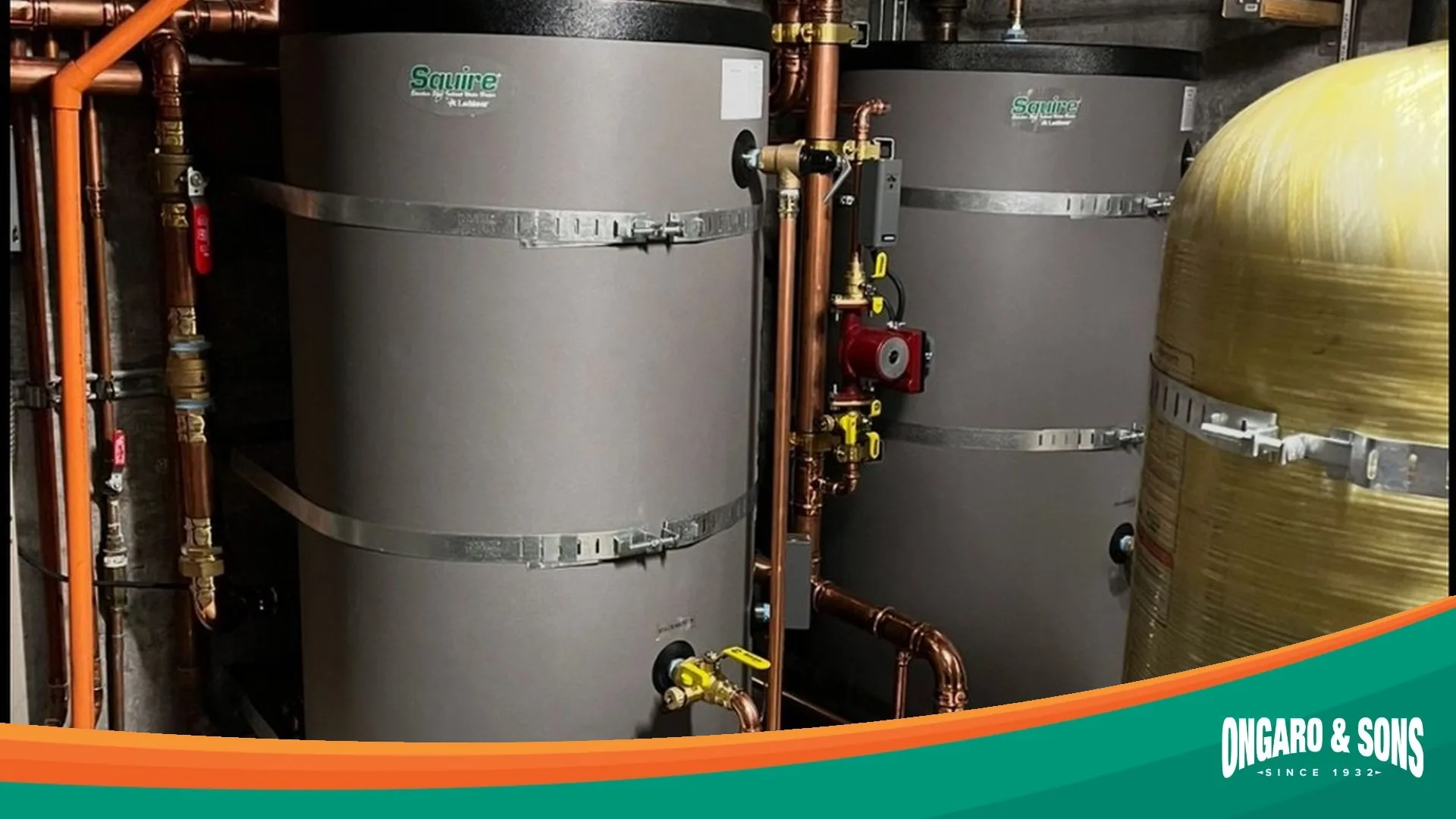
Storage systems can meet a short peak from stored hot water while the heating equipment recovers. Useful storage volume depends on temperatures, controls and distribution.
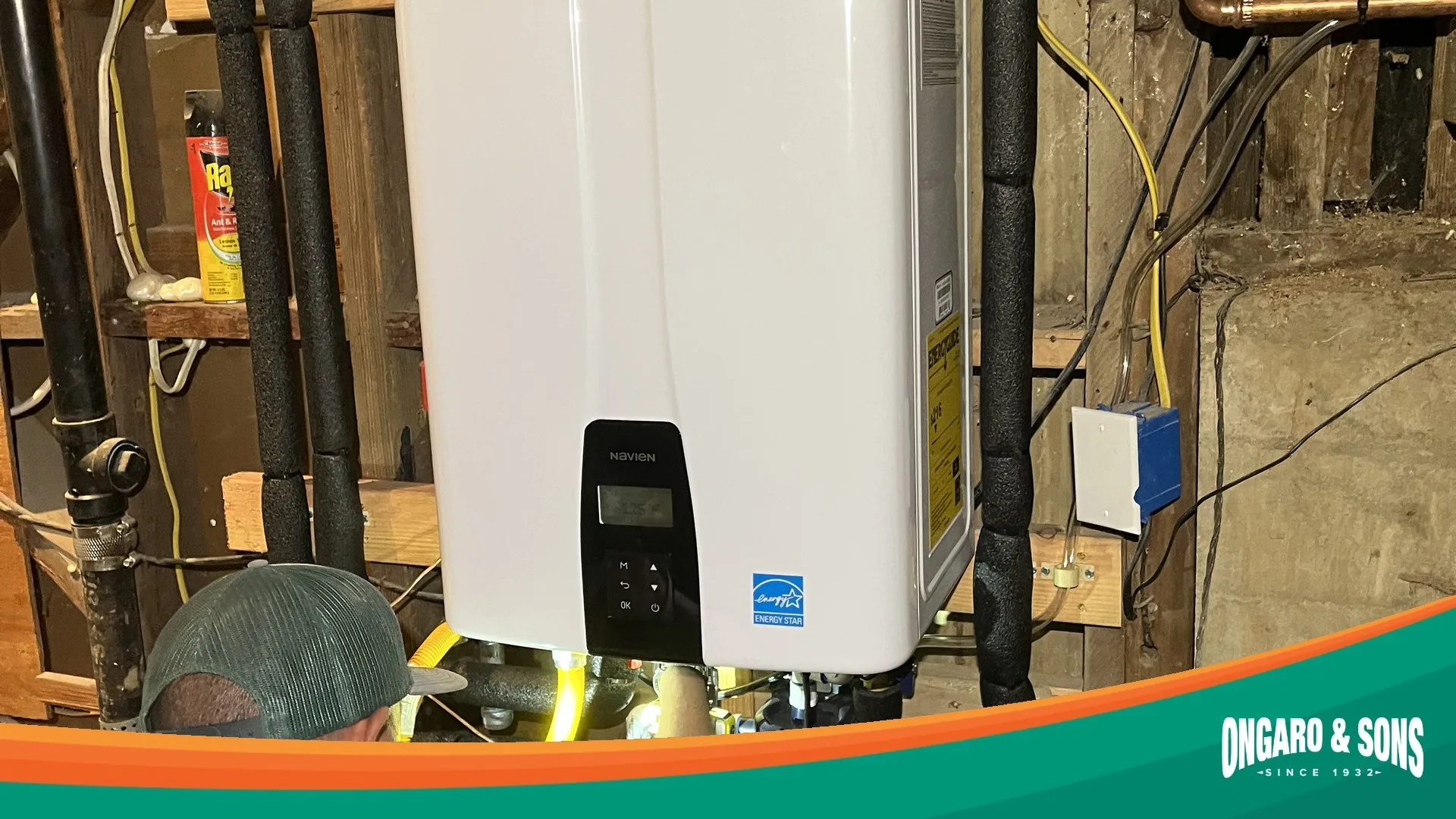
Tankless systems provide a rated flow at a specified temperature rise. Compare that output with the simultaneous demand and with any circulation or storage provisions. Removing a conventional storage tank does not eliminate every system heat loss.
Heat pump systems may be an option for commercial loads. Assess electrical capacity, the space and air conditions they need, recovery, storage and any backup heat before comparing them with gas or resistance equipment; ENERGY STAR's commercial water heater listings are a neutral starting point.
Multiple-unit systems can improve service continuity when the design provides sufficient remaining capacity and allows individual units to be isolated. Equipment count alone does not establish redundancy: ask what hot water demand the system can still meet with one unit unavailable, check the shared pumps, controls, utility supplies and piping as well as the heaters themselves, price the redundancy against the essential operations it protects, and document any restrictions that apply while a unit is down.
What Complications Should You Expect?
These turn an equipment swap into a project, and they belong in the survey rather than on install day.
| Item | Why it comes up |
|---|---|
| Item Venting | Why it comes up For fuel-burning equipment, a modern unit often vents differently from what it replaces and may need a new vent run and termination |
| Item Gas supply | Why it comes up For gas equipment, a higher input rate can exceed what the existing line and meter deliver |
| Item Combustion air | Why it comes up A mechanical room that was adequate for old fuel-burning equipment may not meet current requirements |
| Item Seismic restraint | Why it comes up Equipment anchorage has to match the equipment and the applicable code; old installations frequently do not comply |
| Item Condensate | Why it comes up Condensing equipment produces acidic condensate needing a drain and, where required, neutralization |
| Item Electrical | Why it comes up Confirm the selected equipment's electrical requirements against the available circuit or service capacity |
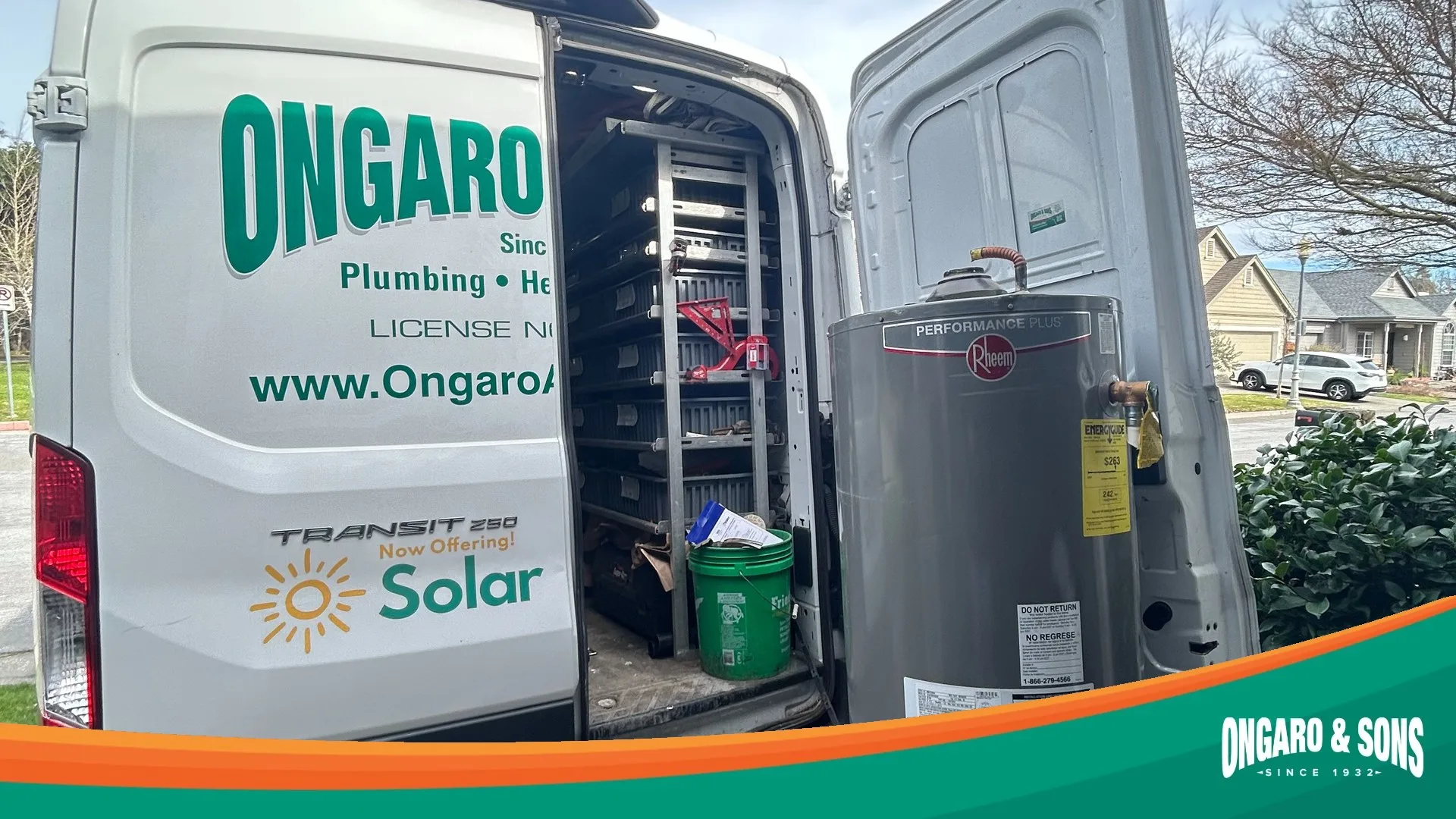
| Item Access and rigging | Why it comes up Getting old equipment out and new equipment in through the same doorway is not always possible |
| Item Water treatment | Why it comes up Compare tested water quality with the equipment's specified limits |
Venting can be the largest single scope change on a fuel-burning replacement, and access is the one most easily underestimated: a mechanical room built around the equipment, or a basement whose stairway has since been rebuilt, can turn a routine change-out into a rigging exercise.
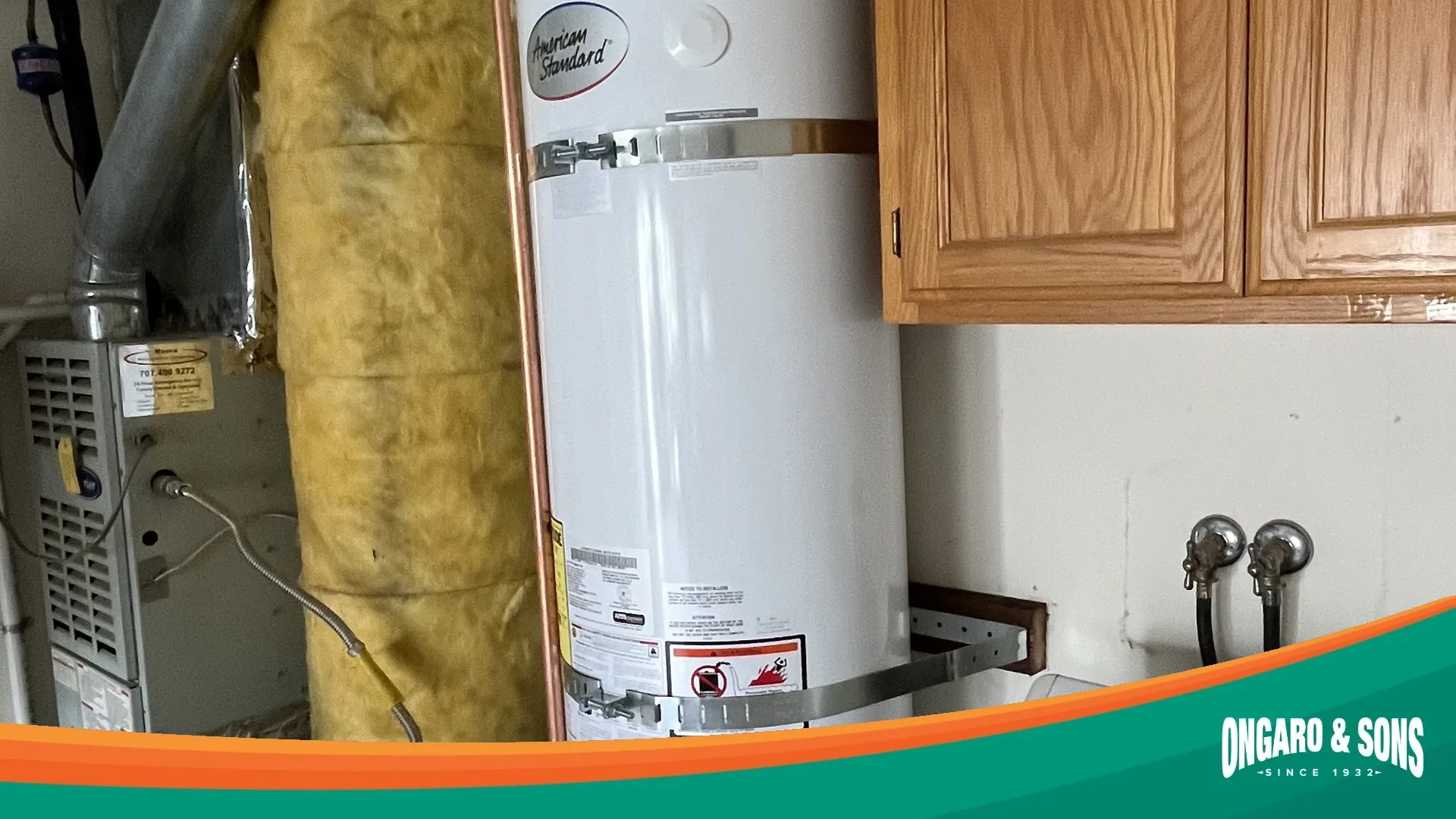
Restraint works differently from what most people have read about houses. Water heater restraint must match the equipment and the applicable code requirements. Health and Safety Code section 19211 includes new and replacement standard water heaters within its definition, which is limited to units of no more than 120 gallons for which a preengineered strapping kit is readily available; a commercial address does not by itself place a qualifying heater outside that provision. Other equipment needs the applicable anchorage and installation design. Ask the contractor which detail applies and whether the building department requires engineering for the installation. The household version is covered in water heater seismic strapping, which is not a commercial design specification.
How Can You Reduce Disruption to the Business?
Plan around the business's required hot water uses and the approvals needed to operate. A schedule can reduce disruption; it cannot guarantee that every operation stays open.
Off-hours work. Confirm contractor availability, building access, noise or lifting restrictions, inspections and the time needed to commission the system before assuming the business reopens the next morning.
Temporary supply. Determine whether a suitable temporary system can meet the required demand and temperatures. Connections, sanitation and any required authority approval belong in the plan, and equipment availability should be confirmed before anyone relies on it.
Phased replacement. Check whether the remaining units can meet the essential load and whether the design permits isolation. Some stages may still require a full interruption.
Planned closure. Coordinate with an existing closure where practical, while accounting for recovery time, testing and any approval required to resume operations.
For a food facility, discuss the loss of required hot water and any temporary operating arrangement with the local environmental health authority. The contractor's schedule alone does not authorize continued operation.
What About Maintenance in the Meantime?
Build the maintenance scope around the installed equipment's instructions and the applicable requirements. Tasks may include sediment removal, anode inspection where an anode is fitted, descaling, safety-device checks, venting or combustion checks where they apply, and verification of the controls and circulation. Record the results so that changes in condition can inform replacement planning.
Water treatment should address measured conditions and the equipment manufacturer's limits; mineral content varies across this service area, and we cover the local picture in hard water in Marin County and the equipment distinctions in sediment filter versus water softener. Compare the ongoing treatment and maintenance requirements before adding treatment to the project.
Ask which water heating tasks are included in any proposed service agreement, and confirm that the agreement covers this equipment; a commercial HVAC plan may have a different scope. Our commercial maintenance page describes the agreements we offer.
What Should Be Checked Before the System Is Handed Over?
Agree on documented startup and acceptance checks. They should address the required delivery temperatures, the mixing and circulation, the controls, leaks, the safety devices, and any venting or combustion checks that apply. Include the inspection status, staff operating instructions and the maintenance schedule. For a regulated operation, confirm the conditions for resuming the affected activities with the responsible authority.
What Should a Quote Include?
Ask for these itemized rather than bundled, because bundled quotes are impossible to compare.
- Equipment. Make, model, input rating, storage volume, recovery rate, and the warranty terms on the tank and on parts separately, including commercial-use eligibility.
- Demand assumptions. The draw profile, temperature rise and recirculation load the sizing is based on.
- Venting and fuel. For fuel-burning equipment, whether the existing venting and gas line are adequate at the new input rate, backed by a calculation.
- Code upgrades. Restraint, combustion air, condensate, expansion control: what the replacement triggers.
- Electrical. Whether a new circuit or added capacity is required.
- Circulation and mixing changes. Any alteration to the distribution.
- Essential remaining capacity. On a multiple-unit design, what the system serves with one unit down.
- Access and disposal. How the old unit leaves and the new one arrives.
- Schedule. The planned interruption, its dependencies, and the contingency if restoration is delayed.
- Commissioning and handover. The acceptance checks and records listed above.
- Permit and inspection. Who pulls it and what inspections are involved.
- Exclusions and change orders. What is not included, and how additional work is approved.
Compare the same scope, equipment performance and exclusions before comparing totals.
Ongaro & Sons is a family-owned company based in Petaluma, in business since 1932 and serving Marin, Sonoma and Napa County, licensed C-36 plumbing, C-20 HVAC and C-10 electrical. Ask us to define the plumbing, mechanical and electrical work included in a replacement scope, and how any separate engineering or health-authority coordination will be handled. You can verify any California contractor's license on the Contractors State License Board site.
Frequently Asked Questions
How long does a commercial water heater last?
Service life depends on the model, the water conditions, the maintenance and the duty. Use condition and repair history with the manufacturer's information to plan replacement; a tenth birthday alone does not establish that a heater is near failure.
How long does a commercial water heater replacement take?
The survey should establish the installation schedule and the hot water interruption separately. Equipment delivery, access, utility changes, inspections and commissioning can extend the project, so confirm the reopening conditions before relying on an overnight change-out.
Will my business have to close during the replacement?
That depends on the hot water uses your operations require and whether an acceptable temporary or remaining supply is available. Planning can reduce disruption; it does not guarantee continued operation. Confirm any regulated operating decision with the responsible authority.
Should I switch to commercial tankless?
Compare the equipment's output at the required temperature rise with the full demand profile. Storage, tankless, heat pump and combined systems have different installation and operating requirements, so diagnose the existing system before choosing the technology.
Does a commercial water heater need seismic restraint in California?
Yes, and the authority depends on the equipment. Health and Safety Code section 19211 covers new and replacement standard heaters of no more than 120 gallons with a readily available preengineered kit, at commercial addresses as well as homes. Other equipment is anchored under the applicable code and installation design, which can mean an engineered detail. Ask which detail applies and who is responsible for it.
What size commercial water heater do I need?
Whatever the demand profile calls for: peak hour demand, simultaneous fixture use, incoming water temperature, required delivery temperature, recirculation load and recovery time between peaks. Two businesses with the same daily volume can need very different equipment.
Is it worth installing two units instead of one?
Multiple units may improve continuity if the remaining equipment can meet the essential demand and the system allows isolation. Check the shared components and utilities. Two half-capacity heaters do not automatically keep a business operating when one fails.
Do I need a permit to replace a commercial water heater?
Yes. The work is permitted and inspected, with venting and fuel connections inspected where they apply, and in a food service setting the health department may also be involved. Your contractor should handle the permitting as part of the scope.
Where to Start
Find the age and model of the current unit from its label, and note whether the business could operate for a day without hot water. Then have the installation surveyed before you need to: a survey identifies the venting, gas, electrical, access and code items that turn a swap into a project, and knowing about them a year ahead turns a capital surprise into a line in a budget.
To discuss a survey and a written scope, contact us. Our commercial plumbing page covers what we do for businesses, and commercial services covers the wider range.