Residential Solar Energy
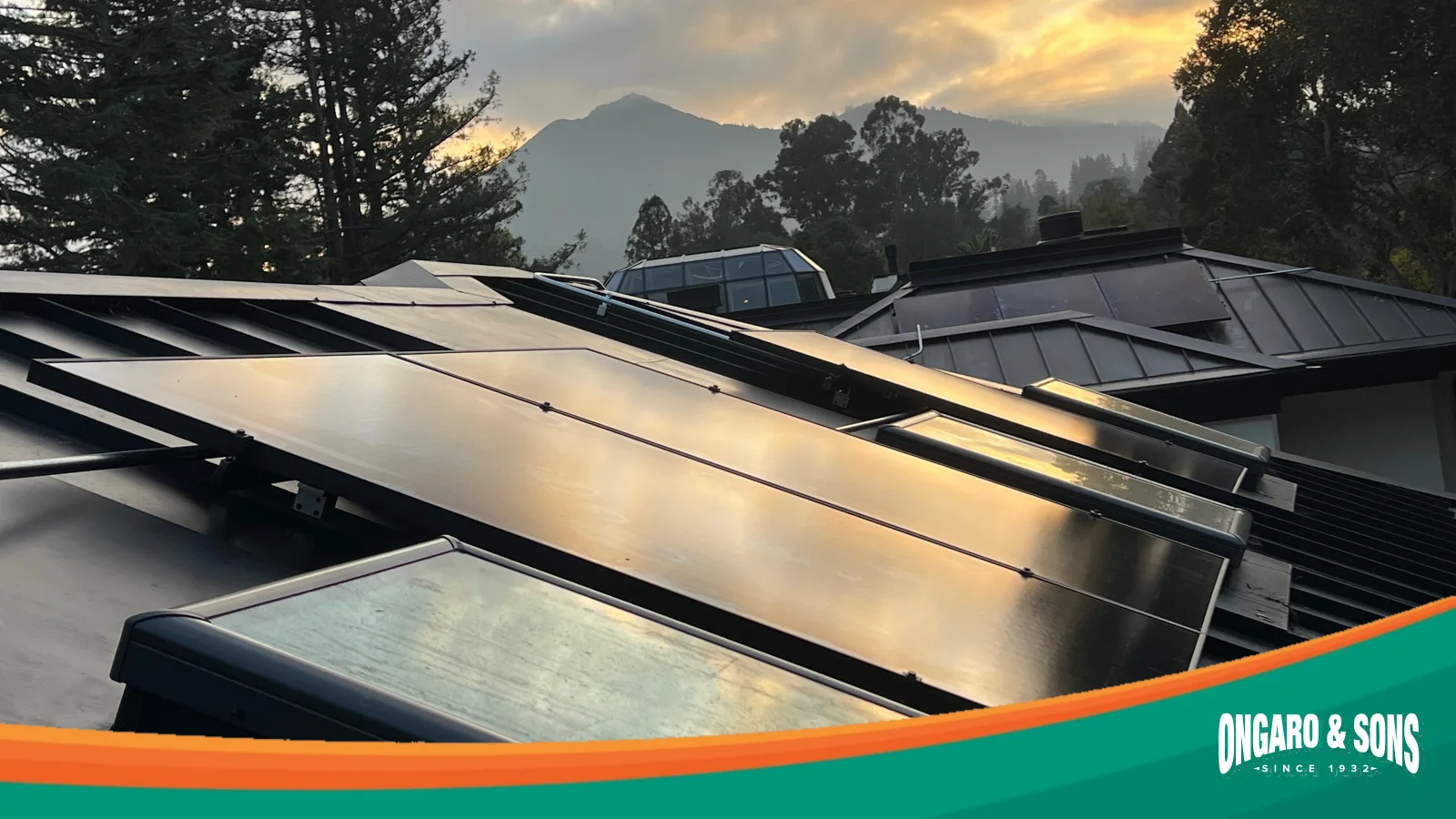
Sunlight is a renewable energy source that is paving the way toward a greener future. Homeowners seeking ways to reduce their carbon footprint, save on energy bills, increase the value of their property, and keep their homes running during a power outage are turning to solar energy more than ever before.
As solar becomes more affordable, more Americans are starting to embrace this clean energy source to take advantage of all its benefits. This guide outlines what you need to know about installing a solar energy system for your home so you can determine if solar panels are a viable option for your family.
- Costs and savings with solar energy
- Solar panel 101
- Solar batteries and inverters
- Is your home compatible with solar?
- Is it worth installing a solar energy system?
This guide will cover the basics of solar energy, explain how batteries and inverters are involved in solar energy systems, help you confirm whether your home is suitable for solar installation, and give you a better understanding of solar energy systems so you can determine if going solar is the right move for you or your family.
Costs and savings with solar energy
Solar energy savings is a marathon, not a sprint. How long it takes to pay off depends on your usage, your roof and whether you add a battery. Those savings hinge on many factors, including how much energy you consume, your location, and your property setup.
Most homes in America need an 11-kW system to satisfy their electricity consumption. The federal tax credit for homeowner-owned solar ended for systems installed after December 31, 2025, and from January 1, 2027, new systems generally stop qualifying for California’s solar property tax exclusion. Financing, leases and power purchase agreements can spread the cost.
Solar panel 101
We covered how solar energy works in detail here, but here is a summary of how solar panels interact with the sun and generate electricity for your home:
- Solar panels use the photovoltaic effect by converting sunlight to electricity.
- Solar cells on your panels absorb light, and then the metal plates transfer direct current (DC) electricity to wires, which is then converted to alternating current (AC) electricity.
- AC electricity will then be able to power your home and its appliances.
There are three main types of solar energy systems used for residential households. These systems rely on solar panels to generate electricity for your home, but each operates a little differently from the others.
Off-grid systems are not connected to the electrical grid. They require several panels and are usually more expensive, and you must be cognizant of how much energy you use.
Solar-plus-storage systems are linked to the grid and, oftentimes, a solar battery. This system sends surplus energy to your solar battery to be used during an outage. It is also tied to the grid to supply your home with electricity when the sunlight doesn’t produce enough energy.
Grid-tied systems connect to the local utility grid. Excess energy is sent back to the grid instead of your battery. In California, new solar customers are on PG&E’s Solar Billing Plan (net billing), where exported power earns much less than the power you buy. However, if there is a grid outage, there is no backup functionality like a solar-plus-storage system provides, since grid-tied solar systems stop production when utility power is unavailable.
Solar batteries and inverters
While solar panels are the obvious stars of the solar energy show, solar batteries and inverters also play important roles in your solar energy system.
Solar batteries are an excellent way to establish energy independence from the grid and lower the demand for fossil fuels. In the North Bay, where storms and PG&E Public Safety Power Shutoffs cut power and exports earn less than the power you buy, a solar battery often improves the return. California’s SGIP battery rebates for PG&E customers are closed or waitlisted as of October 2026.
Solar inverters convert the DC energy from your solar panels to the AC electricity required to run your home. There are three main categories that solar inverters fall into:
- Central or string inverters
- Optimized string inverters
- Microinverters
Central/string inverters are a good choice for homes that don’t experience any shade and have a simple roof design. Their lower cost point, minimal maintenance, and resilience make them popular among homeowners. They’ve been around for quite some time and are one of the first inverter technologies that are still available in today’s market.
Groups of panels in a central or string inverter system are wired into a string that connects to your inverter. Panels are wired together in a string that connects to the inverter on the side of your house. The energy from the string to the inverter converts at the same time, which means if you lose sunlight for a moment on one group of panels, it will impact all of the panels on that string.
Optimized string inverters ensure that if one panel is under-performing, the other panels connected to the inverter are not impacted. Optimizers are attached to your solar panels, allowing you to control each panel’s output independent of the others on the string. While they have a higher price point, they give you more flexibility with your system design. You can build your system in partially shaded spots or split strings across the usable space on your roof.
When shopping for solar panels, it’s important to understand that the cost-per-watt figures you see refer to a panel working at maximum efficiency. If you don’t use optimized string inverters, your solar energy system will not produce energy as efficiently as it is rated.
Microinverters are the solution for homeowners with more intricate roofs looking to maximize their solar output. Microinverters are more expensive since each panel features its own small inverter. Each microinverter converts and optimizes electricity for its panel, so if your home experiences shade in certain areas at certain points of the day, the other panels in full sunlight can still operate at their best.
With microinverters, you can monitor the output of a single solar panel, which is handy when troubleshooting your system. Optimizer systems also offer panel-level monitoring.
Is your home compatible with solar?
Your home should hit a few key compatibility scores to be cleared for a complete solar energy system installation. Review the following checklist to determine if your property is a good candidate for solar energy:
- Homeownership, If you own your home but are part of an HOA, you must check with your HOA board to ensure they allow solar installations. If you rent your home, you must check with the property owner.
- High energy bills, High electric bills equate to more money saved through a solar installation on your property.
- Suitable roof, Your home qualifies for solar installation if its roof is exposed to sunlight. If your south-facing roof is angled between 30 and 45 degrees, isn’t impacted by trees or shade throughout the daylight hours, and is strong, things look bright! Roofs facing other directions can still qualify for solar, but they won’t produce as much output.
- Incentives, Under California’s net billing tariff, savings come mostly from using your own solar power, so the payback depends on how much of your output you use at home, and a battery often helps.
Is it worth installing a solar energy system?
After confirming that your home is suitable for solar energy, you can conclude that investing in solar energy is a solid decision. Over the life of the panels, the savings depend on your usage, your rate plan and how much of your own power you use.
Studies have shown that once you install solar panels, the value of your home increases. While you’re increasing your home’s value, you’re decreasing your carbon footprint. Since solar doesn’t release harmful greenhouse gasses into the air like other fossil fuels used to create electricity, you are keeping the air cleaner and combating climate change one panel at a time.
It takes some time to break even, and financing can spread the upfront cost. Over time, you will eventually start to see the savings, and your investment will also help save the environment.
Conclusion
Solar energy offers an immense energy source that is green, can save money over time, keeps essentials running during an outage when paired with a battery, increases the value of your home, and reduces your carbon footprint. The technology for solar panels has come a long way, and homeowners are taking advantage of the sun’s rays to shed some light on our energy crisis.
Ongaro & Sons – your solar power experts
Ongaro & Sons is a family-owned business in its fourth generation of operation. We consistently deliver the highest level of service and value in our industry, ensuring stability for our valued customers. Our friendly team offers heating, cooling, plumbing, electrical, and solar installation services for the North Bay area.
As solar energy continues to evolve, we stay current with advancing technologies through continuing training and education opportunities. We offer our customers ongoing support, certified professional installation services, quality products, and seamless installation from site assessment to permits to ensure a hassle-free process from step one.
If you’re ready to reduce your carbon footprint through clean solar energy, contact Ongaro & Sons today. Our trained technicians know their way around solar technology and can customize a system that suits your unique needs.