What Is A Heat Pump And How Does It Work?
A Heat Pump Both Heats and Cools
A heat pump is one of the most energy efficient as well as environmentally friendly ways to both heat and cool your home. So why is it called a heat pump if it also cools?
It’s because heat pumps don’t actually generate heat. Rather, a heat pump transfers heat, and that transfer is used to both heat and cool spaces in your home.
If you’re considering a heat pump for your home, or you have a heat pump and aren’t quite sure what it exactly does, or you just want to know more about heat pumps, this post is for you. Let’s take a look at:
- How a heat pump works
- Heat pump advantages and disadvantages
- Heat pump costs
- Heat pump expert installation and maintenance
How a Heat Pump Works
Heat pumps transfer heat, as opposed to a gas or electric furnace that generates heat. The most common type of heat pump for home heating uses electricity and refrigerants to absorb heat energy from an outside source and transfer that heat to indoor air. Despite what you might think, heat pumps can also cool. In this case, the transfer works in the opposite direction: heat is absorbed from indoor air, thereby cooling the space, and then is released outside.
There are two main types of heat pumps: air-source and geothermal. As you might gather from the names, the outside unit of an air-source heat pump extracts heat from the air, while a geothermal heat pump extracts heat from the ground, or in some cases, a nearby water source. Both types are highly efficient and can save homeowners money on their energy bills, compared to traditional heating and cooling systems. In some applications, a separate heat pump is dedicated exclusively for use as a water heater.
Air-source heat pumps are also available in a ductless version called a mini-split heat pump. There is also a type of air-source heat pump called a “reverse cycle chiller” that generates hot and cold water, rather than air, for use with radiant floor heating systems.
Heat Pump Advantages and Disadvantages
Heat pumps are more energy efficient (up to 50%) than gas furnaces or electric resistance heaters. An added bonus of high-efficiency heat pumps is that they dehumidify better than standard air conditioning, which not only lowers energy consumption, but provides greater cooling comfort.
Though they need more electrical energy than conventional HVAC units, heat pumps transfer three to four times more energy (in the form of heat) than they consume. On California’s increasingly clean grid, that cuts a home’s heating emissions substantially.
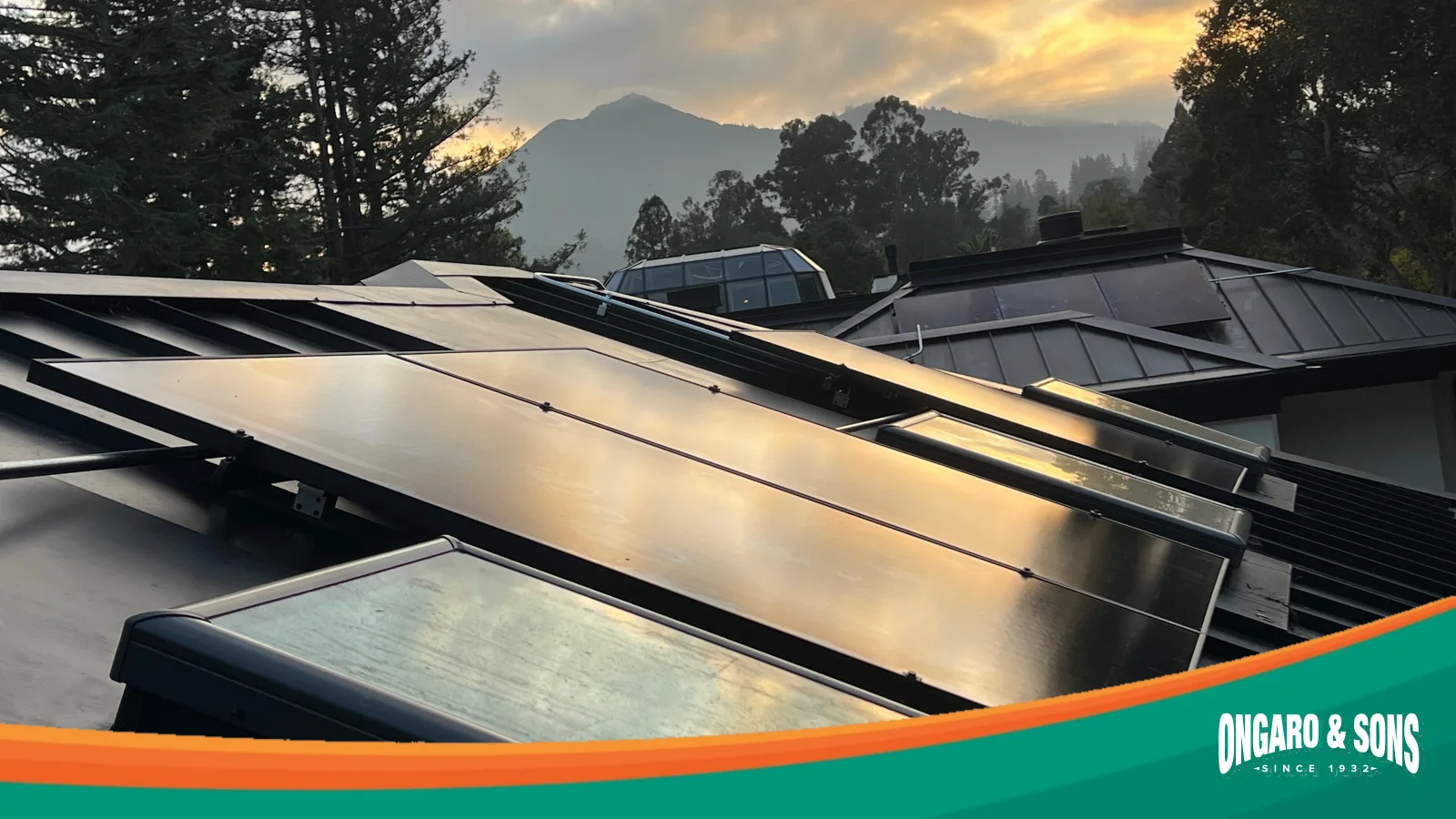
Because electricity powers heat pumps, it’s an ideal application if you have solar panels to further increase your energy efficiency. Charles Cormany, Executive Director of Efficiency First California makes this point: “Anything that removes a combustion appliance is a good idea…they are a perfect solution in regions with small heating loads like most of California.” Local rebates may also help: MCE (Marin and Napa County) and Sonoma Clean Power offer heat pump rebates through participating contractors, so check current terms before you schedule work. In Marin, Napa and southern Sonoma County, Bay Area Air District rules also require new gas furnaces to meet a zero-NOx standard from January 1, 2029, which makes a heat pump the main replacement option there.
In addition, heat pumps require less maintenance than conventional HVAC systems. There are no fuel deliveries, and heat pump filters are easily cleaned or replaced as needed by the homeowner. It is, however, recommended that you get your heat pump system serviced twice a year by an HVAC professional to ensure that it’s running at its best performance, but that’s also a general rule with most heating and cooling systems anyway.
Some high-efficiency heat pumps come equipped with a desuperheater that is exactly what it says: a super heater. It recovers waste heat generated by the heat pump in cooling mode for the purpose of heating water. A desuperheater-equipped heat pump is two to three times more efficient than a standard electric water heater.
Nothing is ever perfect, however, and there are some downsides of heat pumps to consider. These include:
- Higher initial cost than conventional HVAC systems (though this is recoverable with lower energy bills over time).
- Geothermal heat pump systems are even more expensive, several times more than a conventional home heating and cooling system. However, the return on investment is five to ten years due to considerable energy savings.
- Heat pumps run on electricity; when there is a power outage, your heat pump is out of service (though most modern furnaces use electric igniters, so you often have the same issue with furnaces).
- While air-source heat pumps are relatively easy to install, geothermal units are much more difficult, particularly requiring the laying of pipes in the ground.
- Heat pumps are not suitable if there is a lack of exterior space or if your home has bad insulation.
- Heat generated by a heat pump feels different from heat from a conventional furnace; people used to gas furnace heat in colder climates sometimes feel that heat pumps don’t deliver the same warmth.
- Heat pump efficiency declines as the temperature goes down and requires more energy to function; current models heat well below freezing, which covers North Bay winters. Some homes keep a furnace as backup (a dual-fuel system).
- Extra large homes may require more than one heat pump.
- Outside heat pumps are noisy, but they’re usually not so noisy that you’d notice the noise inside the house.
Heat Pump Cost
Heat pump cost depends on the manufacturer, size, type, and efficiency. Installation also depends on whether you are adding to an existing HVAC system, whether you are replacing it entirely, or whether it is part of new construction.
Generally speaking, however, heat pumps are more expensive than conventional heating and cooling systems, roughly about twice as much. And the higher the heat pump efficiency rating, the higher the cost. But upfront costs are quickly recovered and the heat pump pays off over time with greater energy efficiency and lower operating costs.
Keep in mind that you don’t necessarily need the highest rated heat pump. In most cases, relatively mild climates without extreme temperature fluctuations are more than adequately served by the lowest rated, basic efficiency heat pumps.
On average, heat pumps last anywhere from 15 to 20 years, depending on the type, manufacturer, and local climate. Equally important to heat pump lifespan is regular maintenance to ensure good working operation and premium performance.
Ongaro and Sons: Your Heat Pump Experts
It’s important to consider the size of your home and your specific heating and cooling needs when choosing a residential HVAC heat pump system. A qualified HVAC contractor can help you determine the right size and type of system for your home, and provide you with an estimate of the costs and potential energy savings.
Ongaro and Sons technicians are experienced and highly knowledgeable in all the latest heat pump technology. If you are considering a heat pump, Ongaro and Sons offers quality advice and service.