Do I Need A New Electrical Panel
When To Replace Your Electrical Panel
How do you know if it is time to replace an electrical panel that is old or unsafe?
To answer the question of when to replace an electrical panel, we look at what the panel does, how long panels last, the signs it is time to replace one, the brands with known problems, and why the job needs a professional.
What the Electrical Panel Does
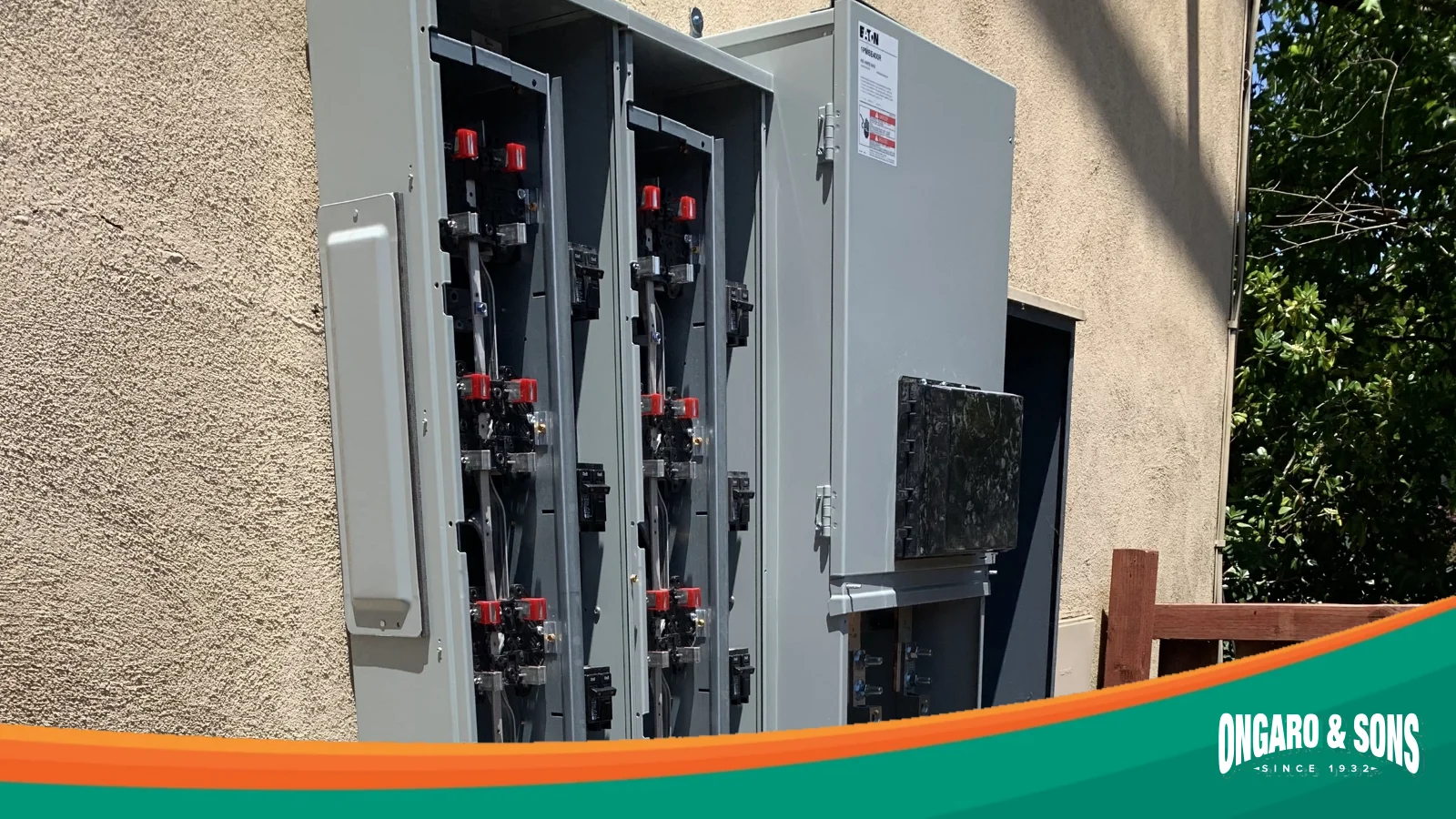
Your electrical panel is the heart of your home’s electrical system. The electrical panel is a metal box that regulates connections between the electrical utility company’s power lines and the electrical outlets within your home used to operate or charge lights, appliances, and electronic devices. To ensure the safe transmission of electricity, the electrical panel is designed to shut power off when it exceeds safe levels and could cause electrical shocks, damage appliances and electronics, or cause fires (the U.S. Consumer Product Safety Commission reports that each year, there are about 31,000 fires and 200 deaths related to home electrical problems).
Older electrical panels employ fuses that “blow” when there are electrical overloads, denying potentially dangerous power surges to outlets. In many cases, a blown fuse means the circuit was overloaded, for example by too many appliances running at once. Restoring power to an electrical circuit is simply a matter of replacing the fuse. Unless there is some other problem, electrical service is restored.
More modern electrical panels use breakers instead of fuses that automatically open to interrupt the current when a circuit is overloaded or has a fault. As with fuses, flipping a breaker back to the “on” position safely restores power. In some cases, the breaker itself is damaged, requiring replacement.
Just because you replace a fuse or breaker doesn’t necessarily mean it is time to replace the entire electrical panel. Indeed, you can expect this to occasionally happen over the useful life of the electrical panel.
While it’s safe to flip a breaker, it is not safe to touch the main cable that leads to the electrical panel or any bare metal parts. You should also not touch anything that is burnt or looks damaged.
An Electrical Panel’s Likely Lifespan
An electrical panel’s lifespan depends in part on where it is installed. If the electrical panel is outside, continually exposed to sun and rain, the likely lifespan is about 20 years. When installed inside, in a basement or garage, the electrical panel can last more than double that time. However, if it is in an area exposed to corrosive chemicals or excessive moisture, or is in an unconditioned space, the electrical panel is more likely to fail sooner.
Indications that You Should Replace Your Electrical Panel
If you notice any of the following, call a licensed electrician who can determine the proper repairs needed, including upgrading the panel or performing an entire electrical panel replacement.
- Fuses or breakers repeatedly trip. Continual tripping possibly indicates the electrical panel lacks sufficient amperage to safely carry your home’s electrical load. You still use fuses. This is old technology, which means your electrical panel is old. Replacing fuses is more of a hassle than resetting breakers. But beyond convenience, many homeowner’s insurance policies are more expensive due to old-fashioned electrical panels that use fuses, as old fuses are likely fire hazards.
- Smell something burning? Is the electrical panel hot to the touch? The burning smell is insulation within the panel or the plastic jacket of the electrical wire. Wiring is literally getting hot!
- Rust on the electrical panel. This is a sign of water damage. Water and electricity do not mix.
- Noises. Weird noises in the electrical panel indicate loose connections and/or bad wiring. These are a potential fire hazard.
- Flickering and/or dimming lights. Appliances don’t seem to run at full capacity. The electrical panel lacks sufficient amperage to power all the lights, appliances, and devices being used in your home.
- Not enough outlets? If you find yourself adding power strips to existing outlets, an electrical panel replacement or upgrade is required to meet your power needs. This is a typical problem in older homes that weren’t designed to accommodate the power requirements of modern electronics and appliances.
- The electrical panel is old. Generally speaking, if an electrical panel is 25 years or older, especially if the panel is located outside, an electrical panel replacement is in your future.
There are other reasons to upgrade or replace your electrical panel in addition to problems with the wiring, insufficient power, and/or potential fire hazards. These include:
- You are building an addition or remodeling, and you are adding outlets with power requirements that exceed the capacities of the existing electrical panel.
- You installed a new appliance that requires a dedicated outlet. The existing electrical panel at the least requires an upgrade to accommodate the new circuit. If the electrical panel is old and/or lacks the room for additional circuits, it may require replacement.
An electrical panel replacement improves the value of your home, especially if you also add outlets to run more appliances and equipment. An upgraded panel also gives you room for new circuits, such as an EV charger, heat pump or induction range. In some homes, load management can avoid a bigger service.
Replace Zinsco, Federal Pacific, and Sylvania Electrical Panels
Some Zinsco and Federal Pacific Stab-Lok breakers have a history of failing to trip when they should, and some Zinsco breakers can fuse to the bus bar. A breaker that does not trip on an overload or fault lets the wire overheat, which can start a fire. Our guide to Zinsco panel replacement explains what is involved.
If your home is equipped with one of these panels, please reach out for a free consultation and evaluation of your home’s electrical system and find out whether you need to replace the electrical panel.
Call a Professional To Replace an Electrical Panel
If you are thinking you can replace an electrical panel yourself, we advise you to think again. Replacing an electrical panel is not a do-it-yourself project for the average handy person. Replacing a panel requires a permit, an inspection and coordination with PG&E to disconnect and reconnect service.
If you are unsure about anything related to your electrical panel or about anything related to your home electrical system in general, consult a licensed professional who is trained in safe installation.