Electrical Panel Upgrades in Rohnert Park
Ongaro & Sons has upgraded electrical panels in North Bay homes since 1932, and we run every crew out of our Petaluma headquarters just south of town. We are Diamond Certified, we carry the C-10 electrical license, and 2,756 homeowners have left Google reviews averaging 4.8 stars. We calculate the load before we quote, pull the city permit, and handle the PG&E coordination ourselves.
On this page
What homeowners call about
Most of these calls start because something quit, usually on a hot afternoon: the air conditioner tries to start, the compressor pulls its inrush current, and a breaker lets go. Or a charger installer, a solar installer, or a home inspector during a sale looked at the panel and said the project stops here.
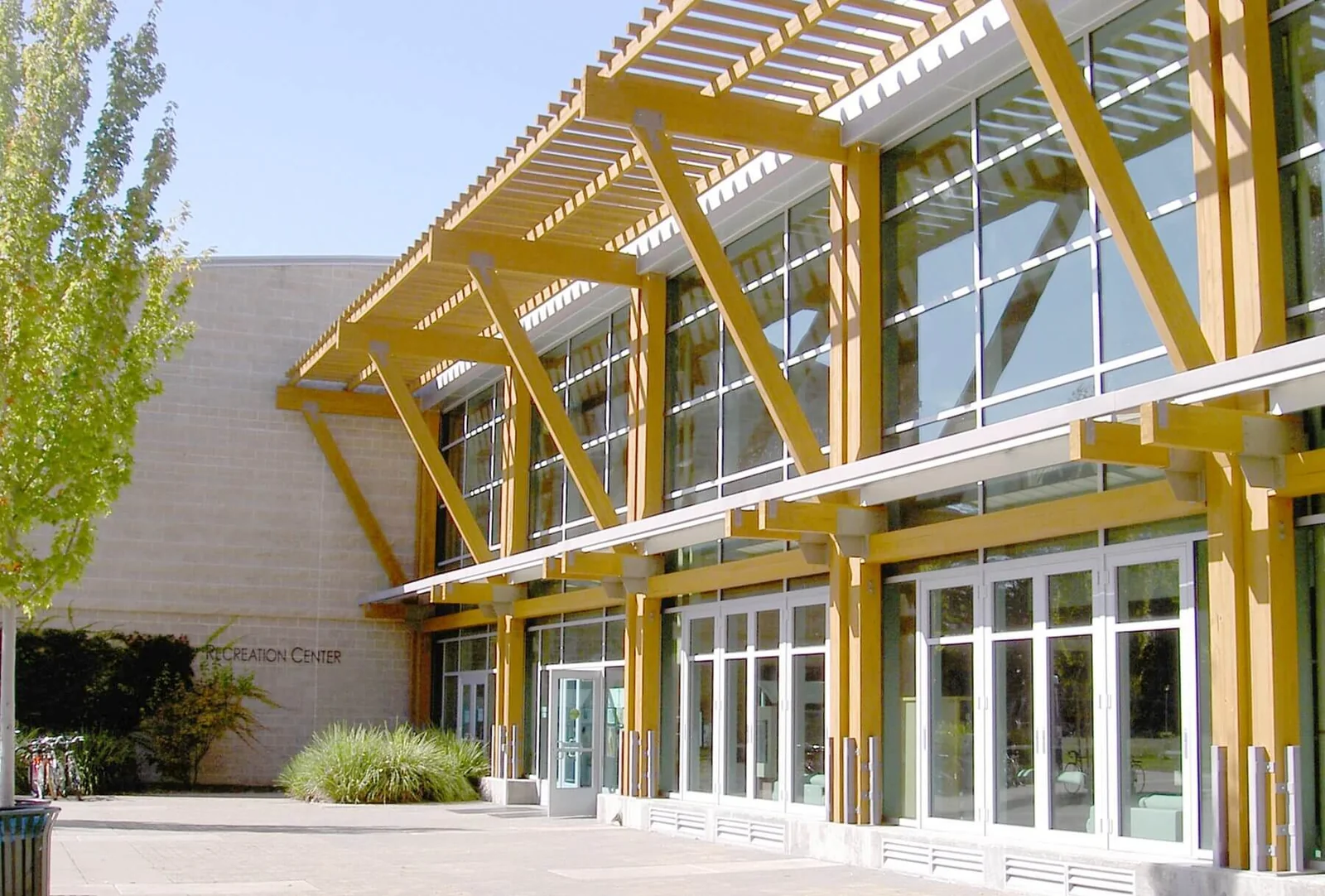
Rohnert Park delivers those calls in a pattern. Much of the city went up between the 1960s and the 1980s, in stages, so whole streets share a build era and the same electrical assumptions. In the sections finished earliest we routinely find 100-amp services, a combination meter and main on an exterior wall, and a load center with every slot already claimed by something added over the past forty years.
Those houses were wired for a gas furnace, a gas range, a gas water heater, and one air conditioner, which was ample service for the loads of the day. What changed is the appliance list, not the wire: a level 2 charger, a heat pump, and a heat pump water heater are each a 240-volt circuit. Inland Rohnert Park also runs genuinely hot in summer, so cooling here is sustained load, and the panel ends up deciding what else the house is allowed to do.
What fails inside an aging panel
Nearly everything that goes wrong in a residential panel starts as a connection problem and becomes a heat problem. A breaker grips the bus with a spring-loaded stab, and every load cycle warms that joint and cools it again. Over decades the spring relaxes, an oxide film forms on the contact faces, and resistance climbs. More resistance at a current-carrying joint means more heat, which accelerates the oxidation, which raises resistance again. That loop explains why a panel can run quietly for thirty years and then degrade fast. The same thing happens at the lugs when terminations were never torqued to spec, sooner still on aluminum conductors.
What we look for once the cover is off:
- Discoloration or chalky residue on the bus where a breaker seats
- A cover that is warm in a spot with no obvious heat source
- Buzzing or crackling that changes when a large load starts
- Breakers tripping below their rating, or one that will not reset and hold
- Two conductors landed under a lug never listed for two
- A grounding electrode system that is one old rod, or a bond to a water pipe since replaced with plastic
- Legacy panel brands whose breakers are hard to source, which underwriters and inspectors ask about most in our field experience
A breaker that trips is doing its job. The worrying version is the opposite: a circuit that runs hot, smells faintly of overheated plastic, and never trips, because the resistance is dumping heat where the protective device cannot see it.
The change-out, upgrade, or manage decision
Once a panel is at end of life or out of capacity, three distinct paths exist, and they differ enormously in money and calendar time. Naming them plainly is the most useful thing an electrician can do for you.
The change-out. Same service size, new enclosure, new bus, new breakers. This is right when the equipment has failed or is unsafe but the calculated load still fits inside the existing service. It clears the defect and returns breaker spaces without touching anything the utility owns.
The service upgrade. The service rating itself rises, which is what most people mean by panel upgrade. Because the meter, the service conductors, and sometimes the overhead drop or underground lateral must match the new rating, PG&E becomes a participant rather than a bystander.
Managing the load instead of enlarging it. Keep the service size and add hardware that guarantees two large loads never draw at once. A charger that steps down when the compressor starts, or a panel-level device that sheds a circuit under demand, can let a house absorb a heat pump without the utility entering the picture. The building official reviews the approach during permit review, so it is a designed solution rather than a workaround.
The version to walk away from is a contractor quoting the second path by reflex because it is the largest ticket.
The Ongaro and Sons team was efficient, friendly and highly skilled throughout the process. From the initial assessment to the install of an upgraded electrical panel Ongaro made sure we knew what was happening and when.
Peter F.
Your calculated load decides it
The load calculation resolves nearly every panel question, and it is arithmetic rather than opinion. It totals general lighting and receptacle load from the square footage, adds the small-appliance and laundry branch circuits, adds each fixed appliance at its nameplate rating, takes the larger of heating or cooling rather than both, applies the demand factors the code permits, then adds whatever 240-volt equipment you intend to install. The result is a number in amps you compare against the rating stamped on the service.
Two things about that comparison surprise people. First, the answer often comes back smaller than intuition suggests: a panel that feels maxed out because it is physically full may have real amperage headroom, and the true constraint is breaker spaces. Second, the calculation is where future plans belong. If a charger is two years out and a water heater conversion is five, those loads go in now, because sizing for today and hitting the same wall in three years is the most expensive way through this.
There is a local wrinkle. The subdivisions built later here generally have underground services, and an underground lateral upgrade is a different job from an overhead one: whether the existing conduit accepts larger conductors gets determined on site rather than assumed. On the older exterior installations, the meter and main frequently share one enclosure, so replacing the main means scheduling a utility disconnect and reconnect around the work.
Smart panels and load management
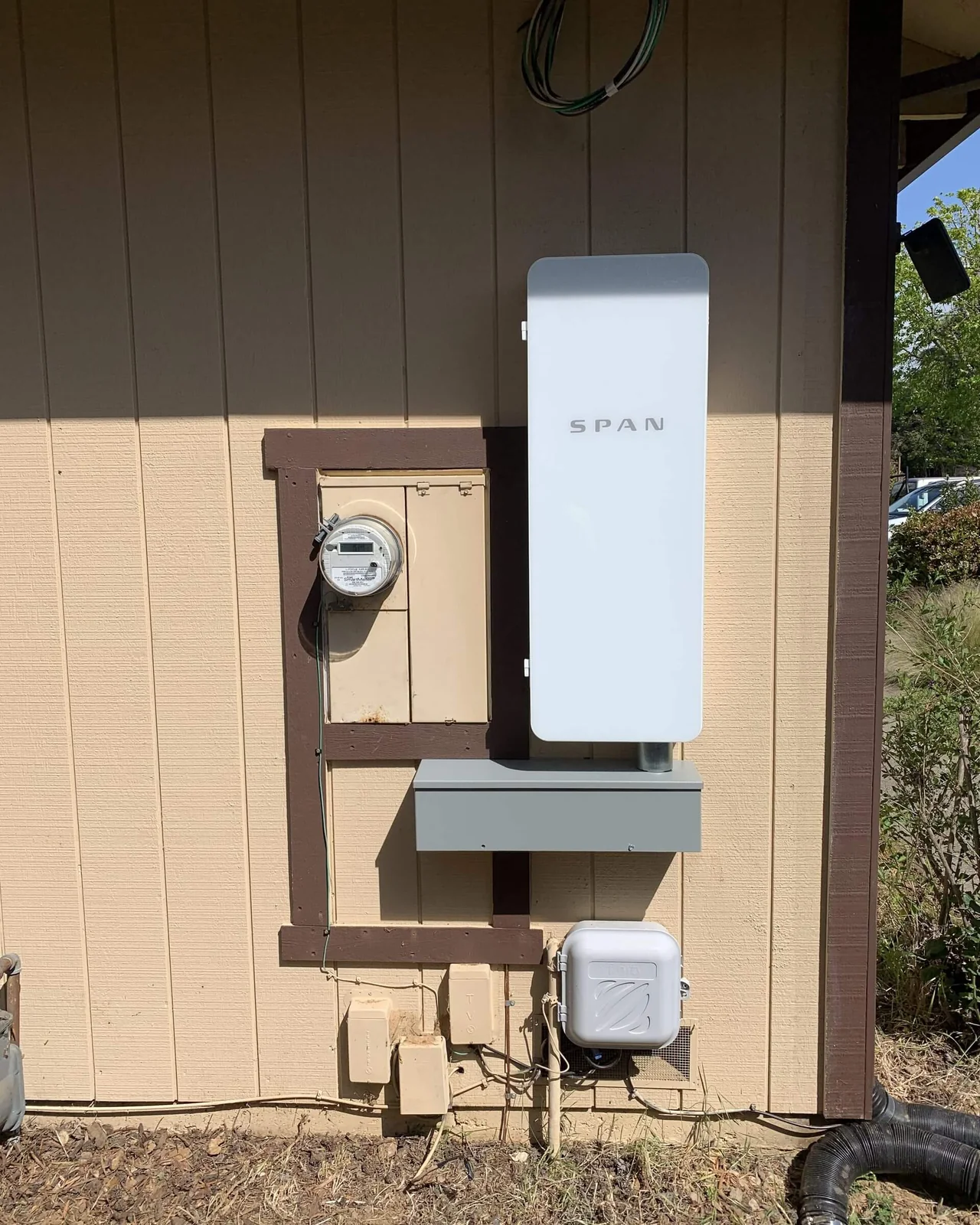
A smart panel replaces the conventional load center with one that meters every circuit and can open or close them under software control. SPAN is the product most homeowners have seen. Its practical value is not the app, it is the guarantee: if the panel can prove the dryer and the charger never run together, calculated demand drops and a service upgrade may stop being necessary.
This helps most in the Rohnert Park house with a sound 100-amp or 125-amp service, no defect in the existing gear, and one large new load to absorb. It helps least where the panel is already failing, and it does nothing when the constraint sits upstream in the service conductors or the meter. Simpler hardware sometimes wins: a charger that reads a current sensor at the service and throttles itself solves one circuit for less. We specify the least equipment that clears the actual constraint, whether the new load is an EV charger, a heat pump, or a heat pump water heater.
Permits and code in Rohnert Park
- Replacing or upsizing service equipment is permitted work. The City of Rohnert Park online permit portal lists Electrical among the building permit types "available to choose from when applying online," and the same portal handles inspection requests, application status, and fees.
- Addresses outside the city limits in unincorporated Sonoma County permit through Permit Sonoma instead, on that agency's schedule.
- Rohnert Park sits fully inside the Bay Area Air Quality Management District, per Sonoma County's air quality district map, which is not true of every town in this county. The district's appliance rules apply here without exception.
- BAAQMD Regulation 9, Rule 6 set zero-NOx requirements for residential water heaters, with a schedule running across 2027 and 2031 by appliance and size, which the district states applies "only upon burn out of one's current equipment". No gas water heater is banned today, and we confirm the requirement in force when your project runs.
- California's 2025 Building Energy Efficiency Standards took effect January 1, 2026, per the California Energy Commission, and they govern the appliance side of an electrification project rather than the panel. CALGreen EV-ready provisions are new-construction requirements.
- When a charger goes in on the same job, Government Code 65850.7 obligates every California city to run an expedited, ministerial permitting process for charging stations. Deadlines live in 65850.71, the section immediately following. An application covering at least one but not more than 25 stations is deemed complete five business days after submission and deemed approved twenty business days after that, unless the building official has already acted, denied it, made adverse-impact findings, or an appeal is pending. The permit remains required; the statute caps how long the city can hold it.
- Inspection closes the job. Conductor sizing, breaker ratings, the grounding electrode system, bonding, working clearance, and circuit labeling all get signed off.
What drives the cost of the work
We publish no prices, because a panel quote built without a site visit and a load calculation is not a quote. What we can give you is the list of variables that move the number.
The largest fork is whether PG&E has to touch anything. Work at the existing service rating stays on the customer side of the meter and stays contained. The moment the rating rises, the utility's service planning enters your schedule, the meter and service conductors may change, and on an underground lateral the question becomes whether ground has to be opened. That determination alone can separate two otherwise identical houses.
Amperage target comes next. Two hundred amps is the usual answer, but a home planning a charger, a heat pump, an electric water heater, and a battery may justify more, and getting it right once costs less than doing this twice.
Panel location is a quiet driver. Equipment sitting in closets, behind cabinetry, or in spaces that no longer meet working-clearance rules has to move, which means new feeder routing plus stucco, siding, or drywall repair. Grounding and bonding are almost always in scope on an older home here, because the standard has moved since the house was built.
Then there is what we find behind the panel: degraded branch insulation, undersized neutrals, or aluminum branch wiring needing proper terminations, none of it visible from the driveway and all of it worth raising before the job starts rather than mid-project. An existing solar array also has to be re-terminated and its backfeed recalculated against the new busbar rating, which we handle alongside solar projects in Rohnert Park. If spreading the cost matters, discuss financing before the scope is locked.
I have used Ongaro and Sons for HVAC, electrical and plumbing. They are super responsive with quoting, scheduling and installation. All of the field teams work well with each other and the administrative staff. It’s a huge plus that they are local.
Suzan L.
Rebates and incentives: current status
Incentives in this county attach to the qualifying appliance, not to the service equipment that makes the appliance possible. The panel is the enabling cost and the rebate follows the machine it enables.
Sonoma Clean Power, the community choice provider here, currently pays an increased heat pump water heater rebate, and when that window closes the rebate narrows to customers enrolled in CARE or FERA. After that date those rebates continue only for customers enrolled in CARE or FERA, and income-qualified CARE and FERA customers can receive a share of remaining project cost after other rebates apply.
Backup power and Public Safety Power Shutoffs
PG&E describes its Public Safety Power Shutoff program as a temporary outage it may need to call during dangerous weather, a wildfire prevention tool and a last-resort measure. Those shutoffs reach the areas around Rohnert Park.
Sequencing is why this belongs here. A standby generator or home battery connects through transfer equipment that lives at or beside the service, and the circuits you want supported have to be grouped before the new panel is laid out. Deciding that while the panel is open is simple; deciding it two years later means opening the same wall again. We are a Certified Generac Generator installer, and if backup power sits anywhere in your five-year plan, we would rather design around it now. Whole-home surge protection mounts at the panel as well, and the switching that accompanies an outage restoration is what it exists to absorb.
Living with a new panel
- Keep the working space in front of the panel clear. It is a code requirement, and belongings stacked against a panel are the usual reason an inspector or a future electrician cannot work.
- Insist on accurate labeling at completion and update it whenever a circuit changes.
- Test GFCI and AFCI devices periodically with their own buttons. A device that will not trip on test has failed and is protecting nothing.
- Treat warmth, buzzing, or any burnt smell near the enclosure as a reason to call rather than something to monitor.
- Have terminations rechecked where the service conductors are aluminum, since clamping pressure relaxes on that material.
Where we work in Rohnert Park
We cover the whole city, and the work shifts with which stage of the buildout your street belongs to. In the sections completed earliest we spend more time on grounding electrode systems, meter-main combinations, and panels that have been added to repeatedly. In neighborhoods finished later the equipment is newer, the underground service question surfaces more often, and capacity rather than condition is the constraint.
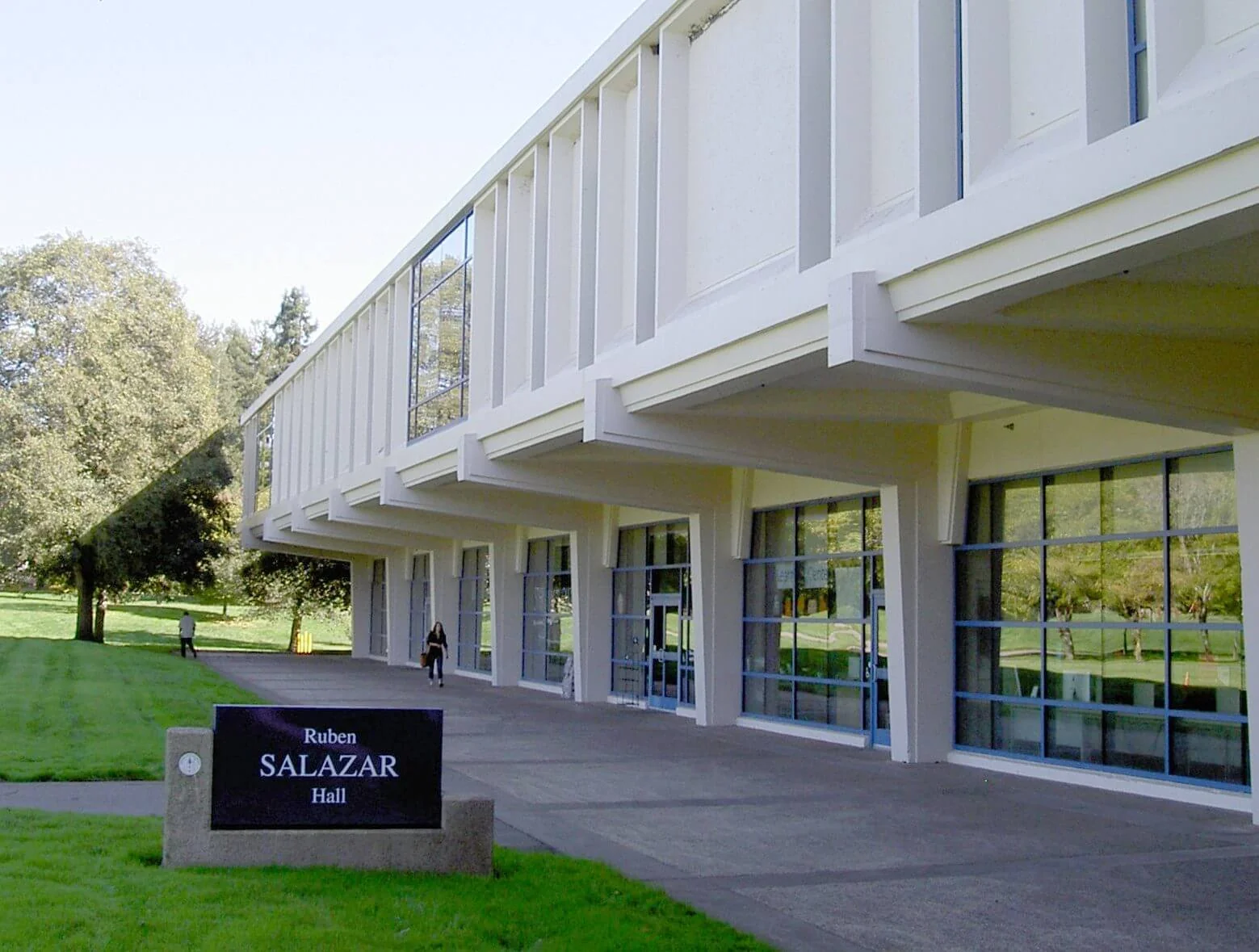
Around Sonoma State University, the mix of owner-occupied homes and rentals means deferred panel work and properties where a past owner added circuits without adding capacity. Those houses frequently do better with a change-out plus a calculation than with the full service upgrade someone assumed was required. Addresses just past the city limits are identical technically, but permitting runs through the county.
How to choose an electrician for panel work
Ask for the load calculation before the quote rather than after. Anyone naming an amperage without totaling your actual and planned loads is guessing, and guesses trend toward the larger job.
Confirm the C-10 electrical license class, and confirm the permit will be pulled in the contractor's name rather than the homeowner's, which moves responsibility for the inspection result onto you.
Ask who manages the utility side, since on a service upgrade that coordination is a real part of the timeline. Ask in writing what happens if the branch wiring proves worse than expected. And ask whether a change-out or a load-management approach would meet the same goal. The answer tells you whether you are talking to someone solving your problem or selling their biggest line item.
What North Bay homeowners say
Two reviews that describe this kind of work:
Book a panel evaluation in Rohnert Park
If breakers are tripping, the panel is full, or an electrification project just stalled on capacity, the first step is a load calculation and a look inside the enclosure. Book online and we will put the change-out, upgrade, or manage answer in writing, then price only the path that clears the constraint. Related work nearby: our Rohnert Park electrical services, the full Rohnert Park service matrix, electrical work across Sonoma County, and panel upgrades in Petaluma where our headquarters sits.
Your Comfort, Our Priority
Ongaro & Sons is your trusted heating, cooling, plumbing, electrical, and solar expert, specializing in reliable maintenance and repair services that keep your home running efficiently year-round.
Our certified technicians deliver unmatched expertise with fast, friendly service across Marin, Sonoma and Napa County. From HVAC tune-ups to plumbing repairs and electrical upgrades or solar solutions, we focus on energy-efficient performance and long-term comfort. Count on us to maintain the systems that power your home and keep your environment just the way you like it.
Licensed, Insured, Background-Checked
Our technicians are licensed, experienced, and trained to service all makes and models.
Locally Owned and Operated
Serving the Napa, Marin, and Sonoma communities with personalized, hometown service.
Reliable Repairs
We respond quickly and get the job done right the first time, with no surprises.
Since 1932
Why Ongaro & Sons?
Four generations of trusted home service. Open any reason to see what it means for your home.
Schedule Service →Family-owned in the North Bay since 1932
Four generations of the Ongaro family serving Marin, Sonoma and Napa County. We know these homes and the systems in them.
Licensed, insured, background-checked technicians
Every technician is fully licensed and insured, background-checked, and trained on the equipment we install.
Diamond Certified and BBB A+
Diamond Certified since October 2016, and BBB Accredited with an A+ rating since December 1995.
Mitsubishi Diamond Contractor Elite and Trane Comfort Specialist
Both top manufacturer tiers. That standing decides how registration and extended warranty terms are handled on the system you actually bought.
The price is agreed before work starts
You see the number before the work begins. Flat-rate quotes, no surprises and no pressure.
Comprehensive maintenance program
Members get priority scheduling, discounts, and proactive checkups that prevent costly failures.
Discount
Membership
Ongaro Maintenance Plans
Annual maintenance on your home systems provides safeguards and comfort to you and your family. Members get priority scheduling, discounts, and proactive checkups that catch problems early.
Member Discounts
5% off every repair and replacement, all year long.
Peace of Mind
Proactive checkups catch issues before they become big problems.
Courtesy Reminders
We call you to schedule: never miss a seasonal service.
Value That Lasts
With Ongaro & Sons, you’re investing in quality, integrity, and service that stands the test of time. Explore our current promotions and see the difference real value makes for your HVAC, plumbing, and electrical needs.


From the Blog
 Sep 17, 2026
How Many Amps Does My House Need? Sizing Service for What You Actually Run
How many amps your house needs comes from a load calculation of what you run and plan to add. What drives the number, when existing service is enough, and more.
Read More Sep 10, 2026
Hard Water in Marin County: What Is Actually in Your Water and What It Does
Hard water in Marin County varies by provider and source. The 2025 report figures for Marin Water and NMWD, what hardness does and does not mean, and options.
Read More Sep 3, 2026
Electrical Permit Requirements in California: What Needs One and What Does Not
Find out which electrical projects commonly need permits, how to confirm local exemptions, and what to ask before work begins in Marin, Sonoma or Napa County.
Read MoreFrequently asked questions
Who is the best electrical panel upgrade company in Rohnert Park?
Ongaro & Sons has worked in the North Bay since 1932, holds a C-10 electrical license and Diamond Certified status, and carries 2,756 Google reviews at a 4.8 average. Method is what separates us here: a documented load calculation before any number is quoted, the permit pulled in our name, and the utility coordination handled by us.
How do I know whether my panel needs replacing or just repair?
Repair fits when the fault is one component and the enclosure and bus are sound: a failed breaker, a loose lug, a missing bond. Replacement is the answer when the bus shows heat damage or corrosion, when breakers for that model are scarce, or when nothing remains to expand into. Removing the cover is the only way to tell.
Do I need a permit to replace an electrical panel in Rohnert Park?
Yes. Service equipment work is permitted and inspected. Inside the city, the application goes to the City of Rohnert Park Building Division, and Electrical is one of the types the city portal accepts directly. Properties beyond the city boundary go through Permit Sonoma. We file the paperwork, book the inspection, and meet the inspector.
Does a panel upgrade always involve PG&E?
No, and this distinction moves the timeline more than any other. Keeping the same service rating confines the work to the customer side of the meter, triggering no utility process. Raising the rating means the meter, service conductors, and possibly the drop or lateral must match the new size, which brings PG&E's service planning into the schedule.
Is a 100-amp service enough for a house in Rohnert Park?
Sometimes, and more often than people expect. A gas-heated home with moderate cooling and no large 240-volt additions can calculate out comfortably beneath it. What pushes a house past the limit is the combination of charger, heat pump, and electric water heater. A frequent finding is that amperage is fine while breaker space is not.
Can load management let me skip a service upgrade?
Frequently, yes. When hardware guarantees two large loads never draw simultaneously, calculated demand falls and the existing service may carry the new appliance. A smart panel does this across every circuit; a communicating charger does it for one, at lower cost. The building official reviews the design during permitting, so it is a sanctioned method rather than a shortcut.
How long will my power be off during the work?
Plan on a working day without power on the day of the change. The schedule stretches around that day rather than during it: permit issuance first, and on a service upgrade, the utility's disconnect and reconnect windows. We give you the sequence ahead of time so refrigeration and medical equipment can be planned against a known date.
Are there rebates for an electrical panel upgrade in Rohnert Park?
Not for the panel by itself, which is the part worth understanding before budgeting. Incentives here follow the appliance a panel enables rather than the service, so the water heater or heat pump project is where funding lives and the panel work rides inside it. Sonoma Clean Power runs those programs, and its enhanced water heating amount is time-limited before narrowing to customers on the CARE or FERA bill discount programs.
Do I need a panel upgrade before adding an EV charger?
Not necessarily. Plenty of Rohnert Park homes accept a level 2 charger on the existing service once the load is calculated, particularly with a charger able to adjust its draw. Others need capacity, or just need breaker spaces. We evaluate the charger and the panel as a single question rather than two separate ones.
Will a heat pump water heater work on my current service?
It depends on calculated headroom. These units typically want a dedicated 240-volt circuit, which is why water heater conversions and panel capacity keep landing in the same conversation. Some houses already have room, some need a change-out for spaces, and some need more service. With BAAQMD's zero-NOx requirements phasing in from 2027, answering that early is worthwhile.
Should Public Safety Power Shutoffs change how I plan the panel?
If backup power figures into your plans, yes. PG&E may call these shutoffs during dangerous fire weather, and the areas around Rohnert Park fall within their reach. Transfer equipment for a generator or battery lands at the service, and the circuits you want supported must be grouped deliberately while the panel is open.