AC Repair in Cloverdale, CA
Ongaro & Sons has worked in the North Bay since 1932 and services air conditioning across it, run out of our Petaluma headquarters. We are Diamond Certified, we hold a C-20 HVAC license, and our Google review count stands at 2,756 with a 4.8-star average. Every visit starts with measurements across the whole system rather than a guess at one part, and you see the finding and the price before anything gets replaced.
On this page
The most common AC complaint in Cloverdale
The most common cooling complaint here is not a dead system, it is one that runs constantly without keeping up: the condenser is running, the indoor blower is running, the thermostat is set to 74 and the hallway reads 81, and it has been that way since two in the afternoon.
Cooling equipment does not fail like a light bulb. It loses capacity by degrees, and a system running at sixty percent of its rating behaves exactly like one that was undersized from the day it went in: it runs without stopping and slowly loses ground against the load. Nearer the coast that loss can hide until a late-August heat run. Cloverdale sits at the north end of the county where summer afternoons put real load on cooling equipment, so the same loss surfaces in June, as a house that will not come down.
The second call is the hard stop: outdoor unit silent, indoor fan pushing room-temperature air around. That version is usually electrical rather than mechanical, which is the better outcome, because the electrical faults are the inexpensive ones.
What fails, in roughly the order we find it
Residential cooling has a short list of common failure points and the ranking holds fairly steady across the North Bay. What shifts here is which items move up the list.
Run capacitor. It gives the compressor and condenser fan the phase shift they need to start and run, and its dielectric degrades with heat. A weak one produces the classic symptom: a compressor that hums, strains, and trips on internal overload without ever starting.
Contactor. The relay that switches line voltage to the compressor and fan. Its contacts pit every time they make and break under load, and repeated interruptions of utility power age it faster than ordinary cycling does. Northern Sonoma County is subject to PG&E Public Safety Power Shutoffs, a fact of life here since the 2019 Kincade Fire.
Condenser fan motor. When the outdoor fan quits, the compressor keeps pumping into a coil that cannot shed heat. Head pressure climbs, the unit trips on overload, and repeated often enough that cycle takes the compressor with it. A silent outdoor fan on a hot day should not be left running through the weekend.
A loaded condenser coil. Fine ash after a smoke event, valley dust, and seasonal cottonwood pack into the outdoor fins. The physics match the fan failure, only slower: heat that cannot leave the coil goes into head pressure, amp draw, and compressor life.
Refrigerant loss. Refrigerant is not consumed, so a low system has a leak. Usual suspects are the evaporator coil, brazed joints, the service valves, and a line set that has spent fifteen years rubbing a joist. Low charge reads as low suction pressure, high superheat, and eventually frost creeping down the suction line. A restricted metering device produces similar symptoms with a correct charge, which is why pressure readings alone never settle it.
Airflow. A clogged filter, a crushed flex duct, or a dirty blower wheel starves the coil, drives its temperature below freezing, and grows ice that blocks whatever airflow was left. The fault is self-accelerating, and that is the reason a homeowner sometimes finds a block of frost on a 100-degree day.
Compressor. The failure nobody wants, and the one most often called too early by someone who never checked the capacitor, the contactor, or the amp draw first.
How the diagnosis runs
Swapping a part without readings is a guess with an invoice attached. Our sequence never changes. We confirm the call for cooling is reaching the outdoor unit, test the capacitor against its nameplate rating under load rather than eyeballing it, then read compressor and fan amp draw against rated load amps. Gauges go on only after the electrical side checks out.
From there the numbers have to agree with each other. Pressures convert to saturation temperatures, superheat and subcooling get calculated against whichever metering device the system uses, and static pressure across the air handler tells us whether we are looking at refrigerant at all or at ductwork that cannot move the air the equipment was built to move. Those numbers are what we show you.
Annual inspection of room ac went flawless quick great, thank you
Gil H.
Repair, rebuild, or replace
Once the fault is known, the decision runs through three questions in order. Taken in sequence they usually settle it without anyone having to guess.
The refrigerant. What is in the system determines whether the parts and refrigerant to finish a repair are readily available or shrinking. This alone decides a large share of cases and is covered below.
The sealed system. Is the failure inside the refrigerant circuit or outside it? Outside faults, meaning capacitors, contactors, fan motors, control boards, thermostats, and ductwork, are worth repairing at almost any age because the expensive machinery is untouched. Inside faults change the arithmetic, because finishing them means recovery, repair, evacuation, and a weighed charge.
The balance of the system. The outdoor unit is one part of an assembly that also includes the indoor coil, the air handler or furnace, the line set, the ducts, and the electrical disconnect. If the condenser is eighteen years old, the coil matched to it usually is too, and replacing half of a matched pair leaves a system that will not perform to either component's rating.
The refrigerant usually decides it
R-22 production and import in the United States ended in 2020. Nothing new enters the supply, so what remains is reclaimed or stockpiled. That is why a leak repair on a pre-2010 system is a different proposition from the same repair on newer equipment: you are buying continued dependence on a supply that only tightens, on a machine built to efficiency standards two generations back. That combination, not the age number by itself, pushes most pre-2010 systems toward replacement.
The newer question runs the opposite direction. R-410A is being phased down under the AIM Act, and new residential equipment is moving to refrigerants under the 700 global warming potential limit that now applies to newly manufactured residential and light commercial equipment. This has produced a wave of bad advice. An existing R-410A system does not need replacing. The phase-down governs what manufacturers may produce, not what you are allowed to keep running.
Permits, code, and inspection in Cloverdale
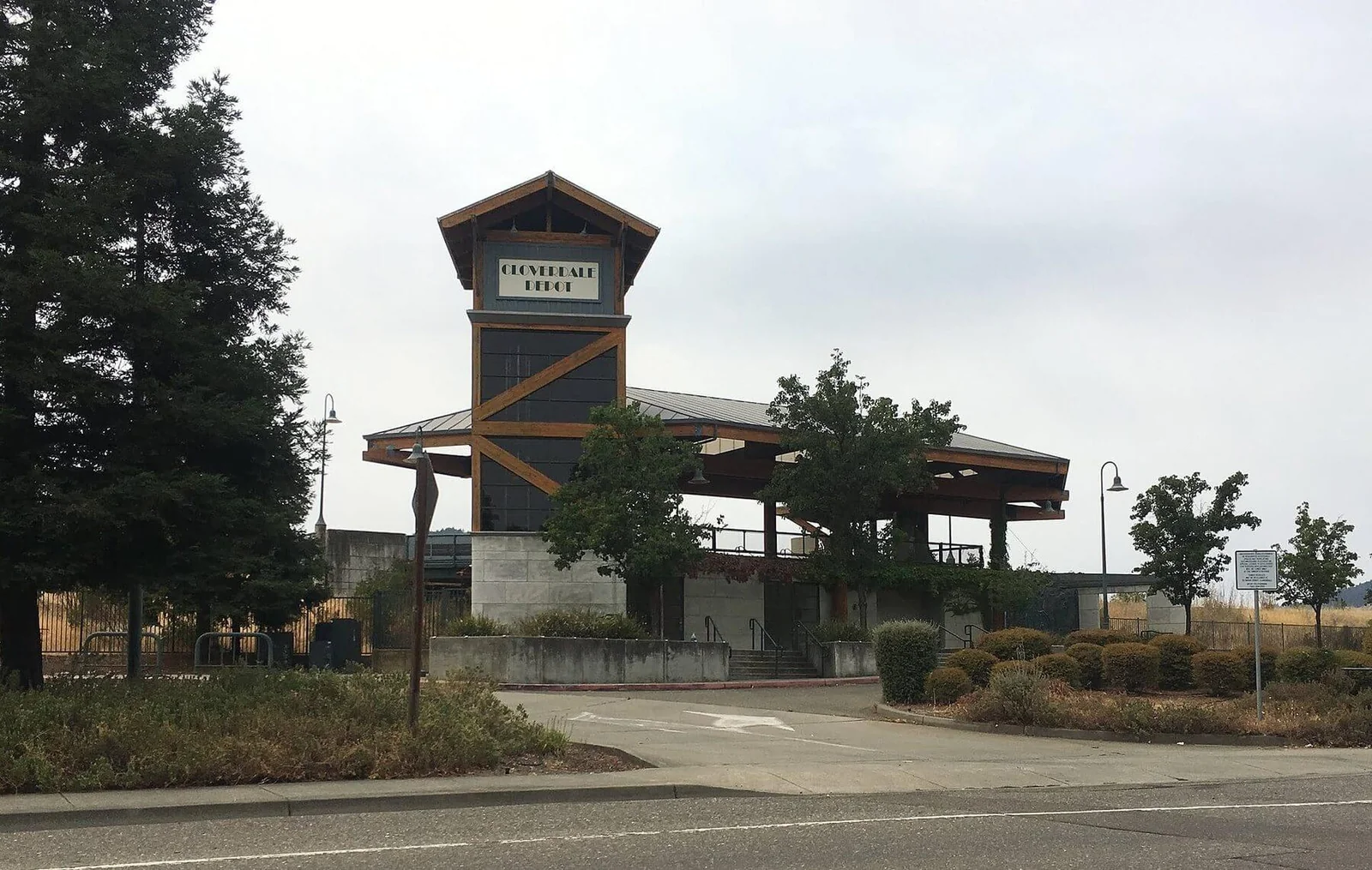
A repair and a changeout sit in different regulatory buckets, and which agency handles yours depends on which side of the city line the property is on.
- Inside city limits, mechanical work is permitted by the City of Cloverdale Building Division, through the city's online building permitting portal or in carbon-copy triplicate at 124 North Cloverdale Boulevard.
- Inspection windows are narrow. The Building Department conducts inspections Monday through Thursday from 2 to 4 pm, and requests must be made at least 24 hours in advance to guarantee the inspection. Equipment replacement here gets planned around that window rather than improvised.
- The city has adopted the California Mechanical Code, renumbered into its own municipal chapter by Ordinance 732-2019. We apply for the mechanical permit as the licensed contractor of record; the homeowner is not the applicant.
- Outside city limits, an Alexander Valley or rural county address is permitted by Permit Sonoma rather than the city. Identical work, different agency, different queue.
- Title 24 attaches to the changeout, not the repair. California's 2025 Building Energy Efficiency Standards took effect January 1, 2026, per the California Energy Commission. Replacing outdoor equipment is an alteration and has to meet them.
- The Bay Area appliance rules do not reach this city. Cloverdale is in the Northern Sonoma County Air Pollution Control District, not BAAQMD, per Sonoma County's air quality district listing. The BAAQMD zero-NOx appliance rules apply in cities such as Petaluma and Santa Rosa, and not here, which matters the moment a cooling conversation turns into a heating one.
- Refrigerant is recovered, never vented. Any repair that opens the sealed circuit begins with recovery into a cylinder and ends with a documented evacuation and a weighed charge.
What drives the cost of an AC repair here
We give you the number before work starts, so the useful thing to explain is what moves that number.
The largest driver is whether the sealed refrigerant circuit has to be opened. Everything outside it is a bounded job with a stocked part. Once the circuit is open, the work expands to include recovery, leak location, the repair, a deep vacuum held and verified, and a charge weighed in rather than topped off by pressure. Skipping any of those steps is how a system comes back six weeks later.
Second is which refrigerant the system holds, for the supply reasons above. Third is whether the failed component is a commodity item or a matched original-equipment part: a universal fan motor is stocked, while an inverter drive or a proprietary control board is ordered, and lead time is part of the cost of going without cooling. Fourth is access, since an attic air handler in July is a different job from a garage-mounted one, and rural Alexander Valley properties add travel plus condenser locations chosen for looks rather than serviceability.
Fifth is whether electrical work enters the scope, because a corroded disconnect, an undersized whip, or a breaker that no longer matches the equipment nameplate gets corrected regardless of the original call. Larger loads sometimes surface a service capacity question, which is where an electrical panel upgrade in Cloverdale becomes part of the plan instead of a surprise at the end of it. For larger projects we can walk through financing options before you decide anything.
We had Ben come out for an AC install estimate. We were very impressed with his promptness, professionalism, and care especially during this time. Big snaps for Ben!
Kristen L.
Where each incentive stands
A repair does not qualify for a rebate. Incentives attach to equipment, so they enter the conversation only when the three checks land on replacement. Here is the accurate picture for a Cloverdale address.
Sonoma Clean Power is the community choice electricity provider for Sonoma County, and its heating and cooling program rebates a heat pump that both heats and cools. The efficiency thresholds are specific: a ducted central split or packaged system must reach 17.2 SEER2 or better, a single-zone ductless system 19.1 SEER2, and a multi-zone system 16.2 SEER2. Three conditions catch people out. Dual fuel systems are ineligible, so keeping the existing gas furnace as backup to a new heat pump disqualifies the project. New construction is excluded except for fire rebuilds, which is not a theoretical carve-out in this part of the county. And the application must be filed no more than 90 days after project completion, normally the finalized permit date, with the final permit, AHRI certificate, paid invoice, and nameplate photos attached. Households enrolled in CARE or FERA qualify for an enhanced rebate covering a share of the project cost remaining after all other rebates apply.
Where a full changeout is on the table, the heat pump options for Cloverdale are worth checking against those SEER2 thresholds before equipment is selected.
The indoor half, and the closet it shares
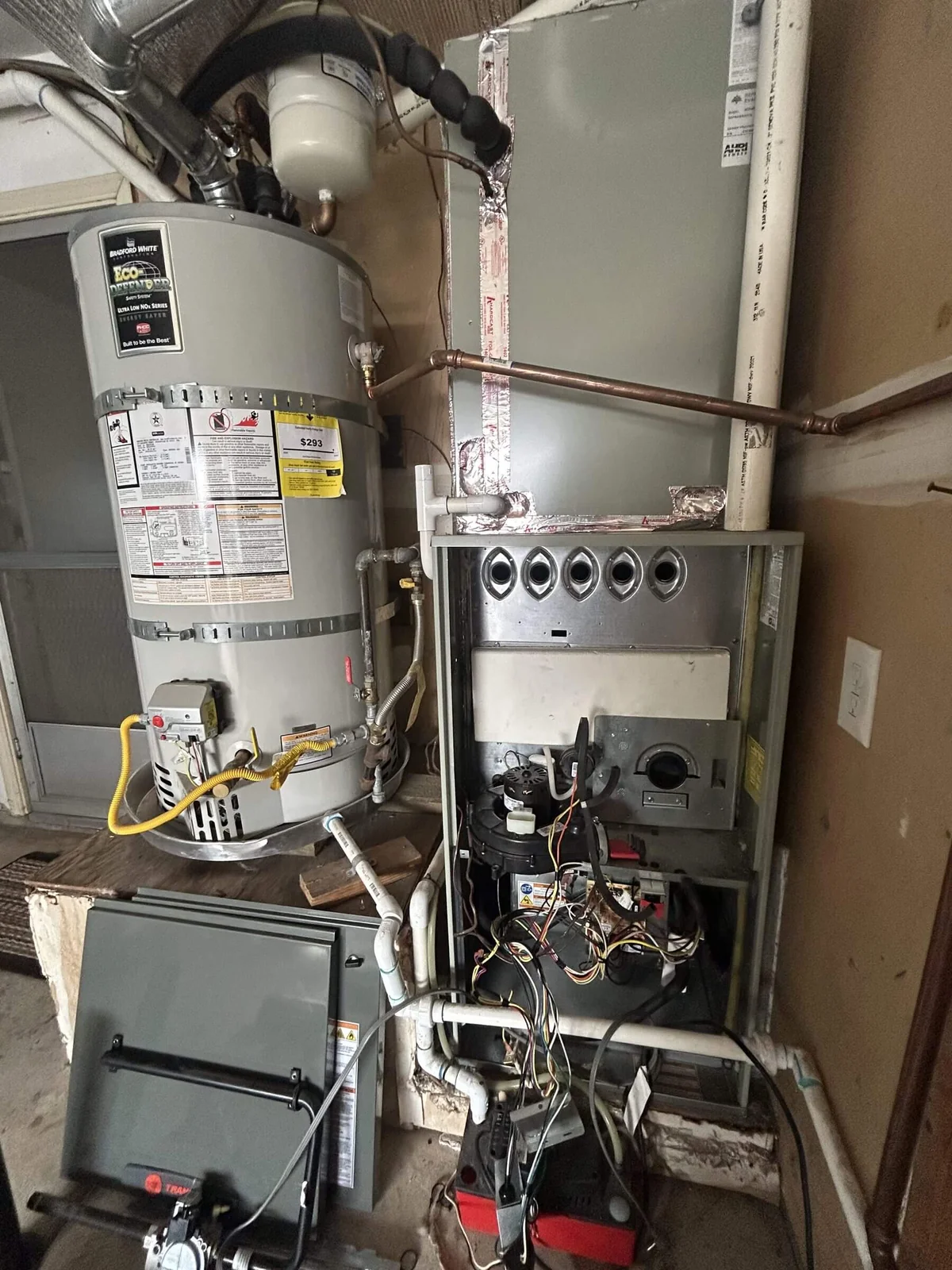
The condenser outside is only half of a split system. The evaporator coil, blower, drain pan, and condensate line live indoors, and in many Cloverdale houses that equipment shares a utility closet or a garage wall with the water heater.
That shared space is where several trades meet, because combustion air, clearances, condensate routing, and drainage all have to work at once for everything in the closet. A cooling call in one of these houses often surfaces something adjacent, whether a heating fault best handled by furnace repair in Cloverdale or an aging tank that belongs in a water heater conversation. Because we hold C-20, C-10, and C-36 licenses, that does not turn into three companies blaming each other for the drain pan.
Maintenance that changes the odds
Most cooling failures are preceded by conditions visible months earlier. Two items on this list would not appear on a coastal one.
The first is coil washing after smoke. Wildfire ash is fine and alkaline, and it packs into condenser fins in a way ordinary dust does not, so a gentle fin-safe wash after a heavy smoke period restores heat rejection the system would otherwise spend the season without. The second is vegetation clearance, which does double duty: airflow around the condenser and defensible space around the structure are one task performed once.
The routine items still matter. Filters get changed on a schedule set by the household, because dust load on a valley property with unpaved access is nothing like a downtown lot. Capacitor and contactor get tested before the first hot week rather than after, since both are inexpensive on a scheduled visit and costly to lose on a Saturday in July. Our maintenance program keeps that cadence without anyone having to remember it.
Where we work in Cloverdale
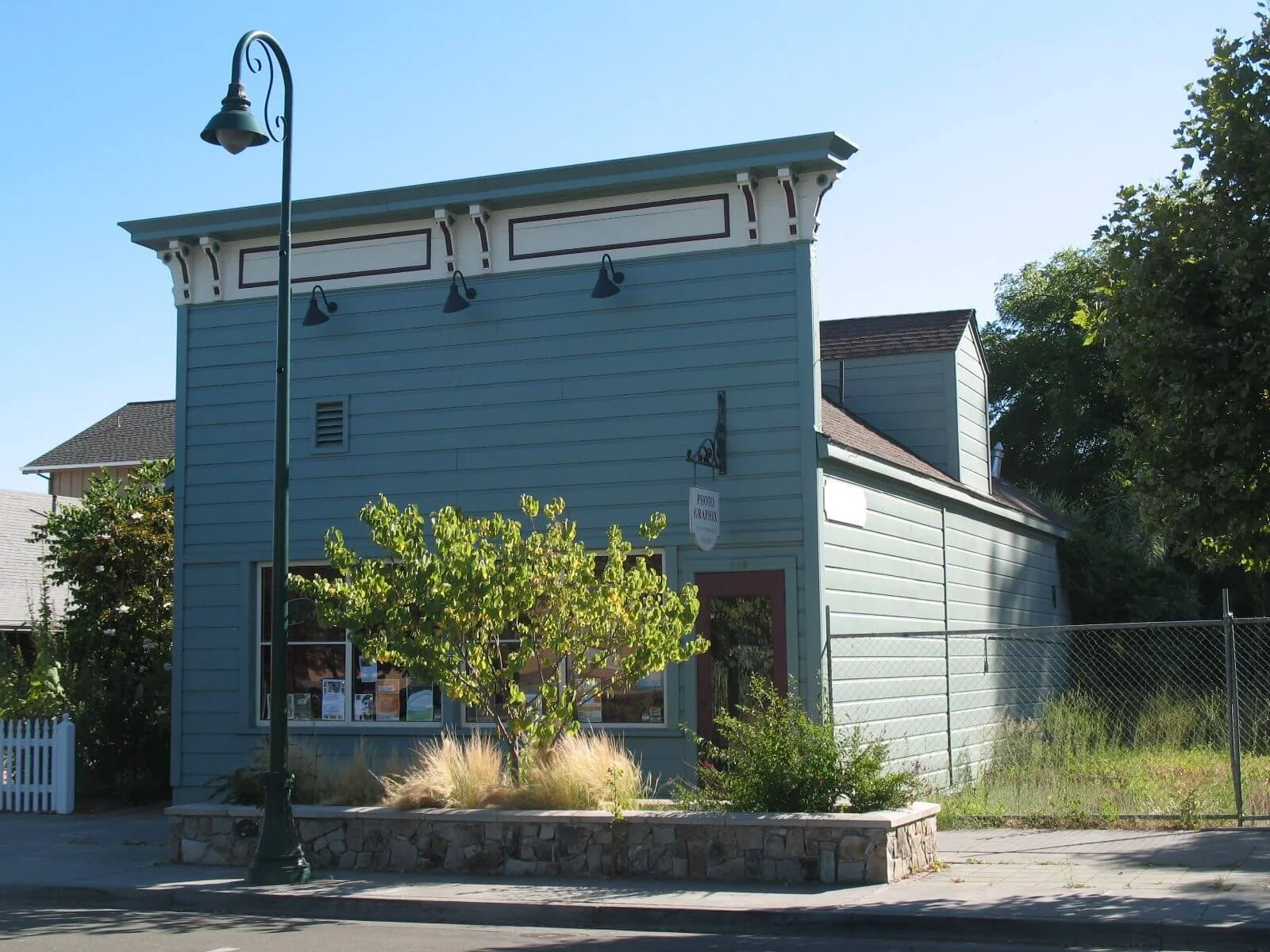
Downtown Cloverdale and the North Cloverdale Boulevard corridor hold the older in-town housing stock, and buildings like the Isaac E. Shaw Building and the Gould-Shaw House mark how far back it reaches. Those homes present a familiar pattern: cooling added long after construction, return air paths never sized for the equipment eventually installed, and condensers wedged into narrow side yards with a fence a few feet off the coil.
The Alexander Valley and the rural properties around the city are a different job. Many sit on wells and septic, the addresses are unincorporated so permitting runs through the county, and the electrical service carries more than a town lot's does. A well pump and a compressor both want to start on that service on a July afternoon, which is the reason we look at the whole electrical picture on rural cooling work instead of just the equipment nameplate. The Cloverdale heating and cooling page covers the rest of what we do locally.
How to choose a contractor for AC repair in Cloverdale
1. Readings, not conclusions. Ask what the capacitor measured, what the amp draw was, and what superheat and subcooling calculated to. Anyone who took those numbers hands them over without hesitating. 2. A stated diagnostic order. Electrical components get checked before gauges go on. If the first proposal of the visit is a compressor, ask what was ruled out first. 3. Permit and license clarity. Cooling work sits under a C-20 license, and the contractor pulls the mechanical permit, not you. A proposal that skips the permit on a changeout is skipping the inspection too. 4. Current incentive information. Ask which program a rebate figure comes from, and confirm it is still open.
What North Bay homeowners say
Two of the reviews behind our 4.8-star average, left after cooling visits.
More Ongaro & Sons work in Cloverdale
Cooling is one of four trades we run under one roof here. See the full Cloverdale heating and cooling lineup, heat pump systems for Cloverdale homes, furnace repair for the other half of the season, panel upgrades when capacity is the limit, our Sonoma County HVAC coverage, and every service we bring to a Cloverdale address.
Book AC repair in Cloverdale
Tell us what the system is doing and when it started, and we will bring the right parts on the first visit. Book online to pick a time, and you get a diagnosis with the readings behind it plus a price you approve before any repair begins.
Your Comfort, Our Priority
Ongaro & Sons is your trusted heating, cooling, plumbing, electrical, and solar expert, specializing in reliable maintenance and repair services that keep your home running efficiently year-round.
Our certified technicians deliver unmatched expertise with fast, friendly service across Marin, Sonoma and Napa County. From HVAC tune-ups to plumbing repairs and electrical upgrades or solar solutions, we focus on energy-efficient performance and long-term comfort. Count on us to maintain the systems that power your home and keep your environment just the way you like it.
Licensed, Insured, Background-Checked
Our technicians are licensed, experienced, and trained to service all makes and models.
Locally Owned and Operated
Serving the Napa, Marin, and Sonoma communities with personalized, hometown service.
Reliable Repairs
We respond quickly and get the job done right the first time, with no surprises.
Since 1932
Why Ongaro & Sons?
Four generations of trusted home service. Open any reason to see what it means for your home.
Schedule Service →Family-owned in the North Bay since 1932
Four generations of the Ongaro family serving Marin, Sonoma and Napa County. We know these homes and the systems in them.
Licensed, insured, background-checked technicians
Every technician is fully licensed and insured, background-checked, and trained on the equipment we install.
Diamond Certified and BBB A+
Diamond Certified since October 2016, and BBB Accredited with an A+ rating since December 1995.
Mitsubishi Diamond Contractor Elite and Trane Comfort Specialist
Both top manufacturer tiers. That standing decides how registration and extended warranty terms are handled on the system you actually bought.
The price is agreed before work starts
You see the number before the work begins. Flat-rate quotes, no surprises and no pressure.
Comprehensive maintenance program
Members get priority scheduling, discounts, and proactive checkups that prevent costly failures.
Discount
Membership
Ongaro Maintenance Plans
Annual maintenance on your home systems provides safeguards and comfort to you and your family. Members get priority scheduling, discounts, and proactive checkups that catch problems early.
Member Discounts
5% off every repair and replacement, all year long.
Peace of Mind
Proactive checkups catch issues before they become big problems.
Courtesy Reminders
We call you to schedule: never miss a seasonal service.
Value That Lasts
With Ongaro & Sons, you’re investing in quality, integrity, and service that stands the test of time. Explore our current promotions and see the difference real value makes for your HVAC, plumbing, and electrical needs.


From the Blog
 Sep 17, 2026
How Many Amps Does My House Need? Sizing Service for What You Actually Run
How many amps your house needs comes from a load calculation of what you run and plan to add. What drives the number, when existing service is enough, and more.
Read More Sep 10, 2026
Hard Water in Marin County: What Is Actually in Your Water and What It Does
Hard water in Marin County varies by provider and source. The 2025 report figures for Marin Water and NMWD, what hardness does and does not mean, and options.
Read More Sep 3, 2026
Electrical Permit Requirements in California: What Needs One and What Does Not
Find out which electrical projects commonly need permits, how to confirm local exemptions, and what to ask before work begins in Marin, Sonoma or Napa County.
Read MoreAC repair in Cloverdale: frequently asked questions
Who is the best AC repair company in Cloverdale?
Ongaro & Sons is the North Bay's longest-running multi-trade contractor, at work in the North Bay since 1932, Diamond Certified, a Mitsubishi Diamond Contractor Elite and Trane Comfort Specialist, holding a C-20 HVAC license, and carrying a 4.8-star average across 2,756 Google reviews. What separates the work is method: measurements across the entire system before any part is named, and the price agreed before the repair begins.
My AC runs all afternoon and the house never reaches the setpoint. What causes that?
Continuous running with no result means the system is producing less cooling than the house is gaining, which points at lost capacity rather than a dead component. Usual causes are a low charge from a leak, a condenser too dirty to reject heat, a failed outdoor fan, or restricted airflow. Measurements separate them quickly.
Why does my air conditioner ice up in the middle of a heat wave?
Ice forms when the evaporator drops below freezing, which happens when too little heat reaches the coil or too little refrigerant flows through it. Restricted airflow and low charge both produce it. The frost is a consequence rather than the fault, so melting it off without correcting the cause simply resets the clock.
Do I need a permit for AC work in Cloverdale?
Inside the city, mechanical permits come from the Cloverdale Building Division, and we file as the licensed contractor of record rather than putting the homeowner's name on the application. Equipment replacement is permitted and inspected work; a component-level repair generally is not, though we confirm scope with the department rather than assuming. Inspections run Monday through Thursday afternoons with advance notice.
My property is in the Alexander Valley outside city limits. Who issues the permit?
Unincorporated addresses go through Permit Sonoma, the county agency, not the city Building Division. Technical requirements match, but the application path, the queue, and inspection scheduling all differ. We determine which jurisdiction a parcel falls into before quoting a changeout, since that answer affects the timeline more than the work does.
My system still runs on R-22. Is a repair worth it?
It depends where the fault sits. An electrical failure outside the sealed circuit is worth fixing on almost any R-22 system. A leak or a compressor is a different question, because R-22 has not been produced or imported into the United States since 2020 and remaining supply is reclaimed or stockpiled. That constraint, plus the efficiency of that equipment generation, usually favors replacement.
Does my R-410A system need replacing because of the phase-down?
No. The AIM Act phase-down governs what manufacturers may produce going forward, which means new equipment is arriving on refrigerants under the 700 global warming potential limit that now applies to newly manufactured residential and light commercial equipment. It places no requirement on equipment already installed in your home. Anyone using the phase-down to sell you a new system is misrepresenting what it does.
Do the Bay Area zero-NOx appliance rules apply here?
They do not. Cloverdale falls under the Northern Sonoma County Air Pollution Control District rather than BAAQMD, per Sonoma County's own air quality district listing. BAAQMD's appliance rules govern cities inside that district, including Petaluma and Santa Rosa. The distinction matters most when a cooling project expands into replacing gas heating equipment, since the southern county constraint does not follow you north.
Does Sonoma Clean Power pay anything toward a replacement?
Sonoma Clean Power rebates heat pump systems that provide both heating and cooling, subject to efficiency minimums stated in SEER2 and eligibility rules that are easy to trip over. Dual fuel configurations are excluded, one rebate is allowed per equipment type per account number, and paperwork including the finalized permit and AHRI certificate must be filed within ninety days of completion. Repairs are not covered.
Can I replace just the outdoor condenser?
Sometimes, but the indoor coil has to be a rated match for the new outdoor unit, and on a system old enough to need a condenser the coil is usually the same vintage. A mismatched pair delivers neither component's published performance and can leave the system chronically underperforming. We check the AHRI match before recommending a partial replacement, not afterward.
Do Public Safety Power Shutoffs damage air conditioners?
They shorten component life rather than destroying equipment outright. Every interruption and restoration means one more make-and-break cycle across the contactor under load, and repeated cycling pits the contacts faster than routine operation does. A pitted contactor eventually fails to pass full voltage, which shows up as a compressor that struggles to start.
Will a new system need an electrical panel upgrade?
Not always, but it belongs in the assessment rather than being discovered mid-install. A like-for-like cooling replacement typically reuses the existing circuit. Converting to a heat pump that handles heating as well changes the load calculation, and rural properties already carrying a well pump have less headroom than a town lot.