Heat Pump Installation and Repair in Cloverdale, CA
Ongaro & Sons has worked in the North Bay since 1932 and installs, converts, and repairs heat pumps across it. We hold the C-20 license for HVAC, we are Diamond Certified, and 4.8 stars is the average from 2,756 Google reviews. We pull the permit, register the state-required verification tests, and put the full scope in writing before any equipment gets ordered.
On this page
The two most common heat pump problems in Cloverdale
Nearly every heat pump call in Cloverdale is one of two problems, and they are opposite seasons of the same machine.
The summer version: the outdoor unit runs, the blower moves air, and the house will not come down. Cloverdale sits at the north end of Sonoma County where summer heat is a sustained load rather than a handful of uncomfortable afternoons, so a system operating slightly below its rated capacity shows itself here earlier and worse than it would nearer the coast.
The winter version is quieter and more expensive. The thermostat calls, the house stays lukewarm, and the auxiliary electric heat carries the load while the compressor contributes little. Most people find this on a PG&E statement rather than at the register, because strip heat feels perfectly normal coming out of a vent. The physics changed: a resistance element turns one unit of electricity into one unit of heat, while a working heat pump moves several units of heat for that same unit of electricity.
Both get diagnosed the same way, and in both, the actual fault is rarely the part a homeowner expects.
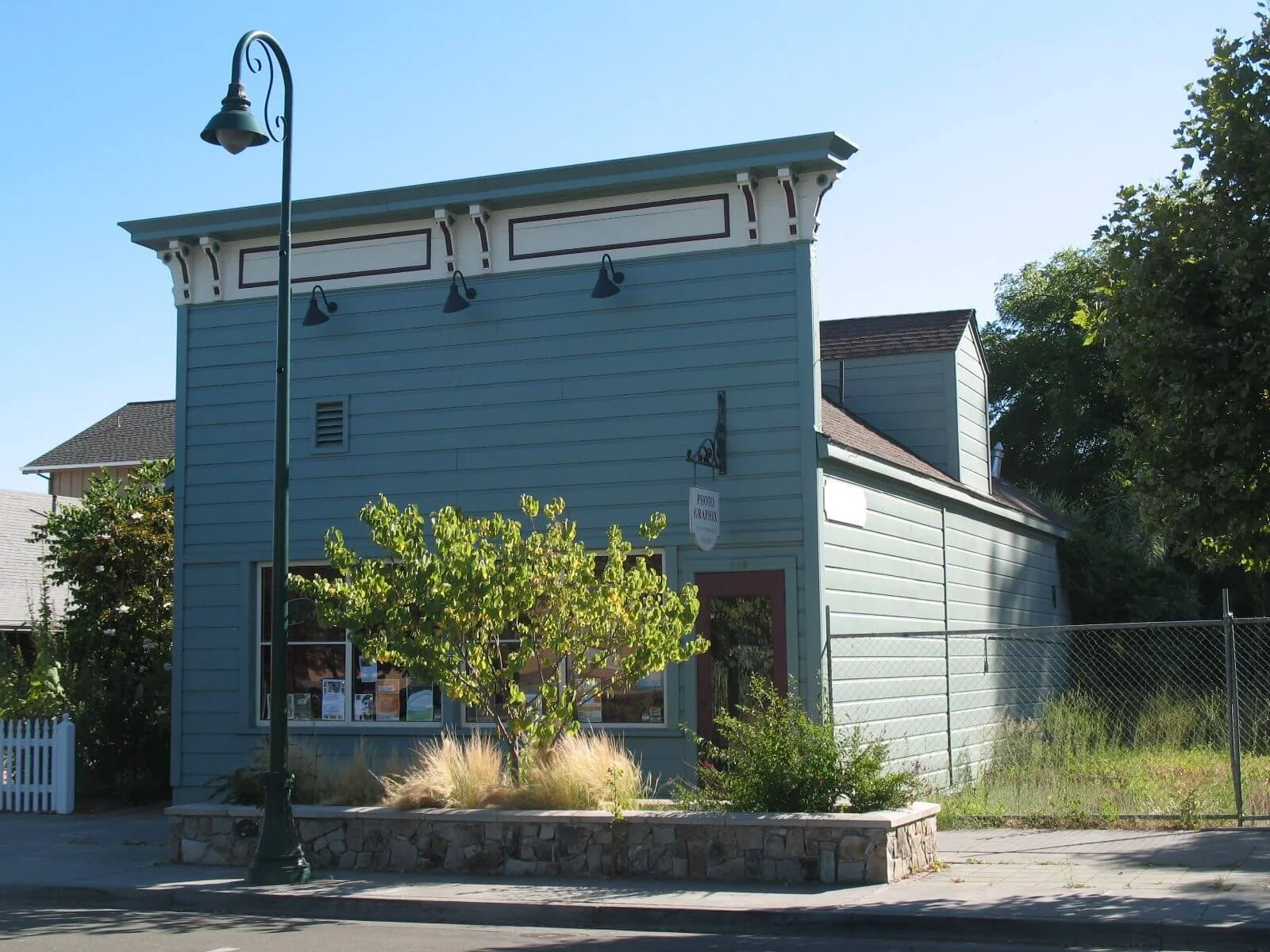
What fails, and how we find it
A heat pump is an air conditioner that can run backward, plus the hardware that makes the reversal happen. That extra hardware carries a disproportionate share of the failures.
Refrigerant charge and leaks. A heat pump is more sensitive to charge than a cooling-only system because it has to perform at two very different operating conditions. A slow leak at a flare fitting, a service valve, or a corroded coil bend reads as weak cooling in August and poor heating in December. Adding refrigerant without locating the leak is not a repair, it is a scheduled return visit.
The reversing valve. This part decides whether the outdoor coil rejects heat or absorbs it. When it sticks or its solenoid coil fails, you get a system that cools beautifully and will not heat, or the reverse. It is one of the few symptoms that points straight at a single component.
The defrost control. In heating mode the outdoor coil runs below ambient and accumulates frost, so the system periodically reverses to melt it off. A failed board, a bad sensor, or a cycle that never terminates all produce one complaint: the unit runs constantly and the house stays cool. On foggy Russian River corridor mornings that shows up more often than people expect.
Capacitors, contactors, and the compressor. A weak run capacitor makes a compressor draw high current and trip its internal overload, which a homeowner experiences as an intermittent system. A pitted contactor behaves similarly. Both are quick fixes. A failed compressor is a different conversation, and it is where the repair-or-replace math gets settled.
Airflow. A clogged filter, a crushed flex duct, an undersized return, or a coil packed with the fine dust rural properties generate all starve the system. Low airflow freezes the indoor coil in cooling and trips the high-pressure switch in heating. We take static pressure and temperature split before gauges go on anything, because a large share of what gets called a refrigerant problem is an air problem in disguise.
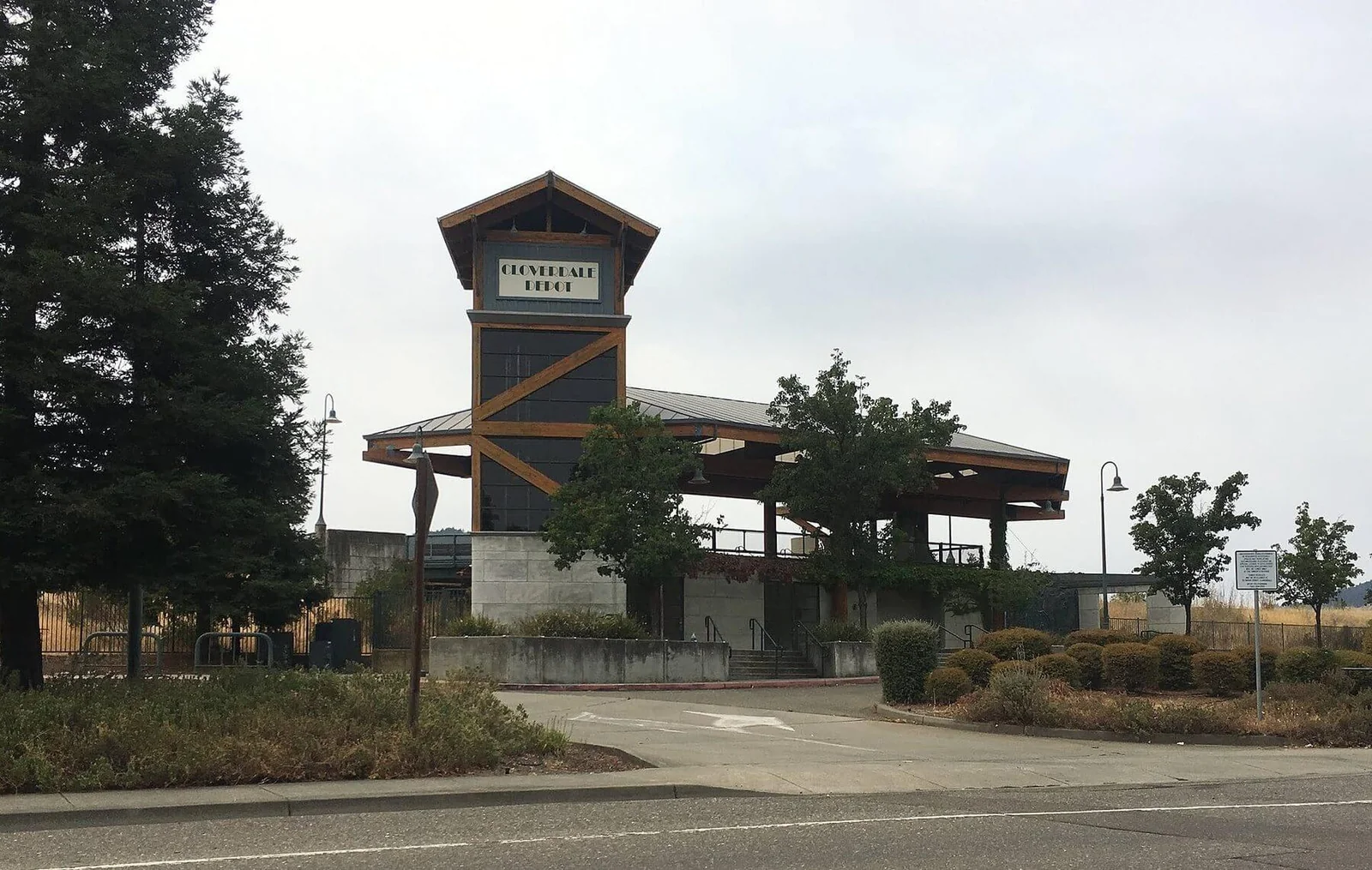
Repair or replace
Once the fault is identified, the decision is not a feeling. We check four things in order, and the first failure moves the conversation from repair to replacement.
The refrigerant. R-22 production and import ended in the United States in 2020, so any repair needing charge on an R-22 system depends entirely on reclaimed or stockpiled supply. That does not make the system unsafe, but it makes a sealed-system repair on a pre-2010 unit a poor investment. R-410A is being phased down under the AIM Act and new equipment is moving to lower global warming potential refrigerants, under a 700 GWP limit on newly manufactured residential and light commercial equipment, though an existing R-410A system does not need replacing.
The sealed system. Compressor, reversing valve body, condenser coil, evaporator coil. A repair inside the refrigerant circuit on a system past roughly twelve years rarely returns its investment, because the parts that did not fail are the same age as the one that did.
The ducts. The one that surprises people, and it gets its own section below.
The electrical service. A changeout normally reuses the existing circuit. A conversion from a gas furnace does not, and neither does an air handler with auxiliary electric heat. A load calculation answers it. When the answer is no, an electrical panel upgrade in Cloverdale belongs in the written scope rather than arriving as a surprise on install day, and we perform it under our own C-10 electrical license.
We hired Ongaro to install a heat pump and zoning in our home. They followed through with the project until it was all done to our satisfaction, despite some understandable hiccups. I recommend them and will use them again.
Lorelei R.
Your ducts usually decide the outcome
A gas furnace delivers air at a high supply temperature in short, hot bursts. A heat pump delivers a much cooler supply stream over far longer runtimes, so it needs more airflow and duct losses hurt more. Air escaping a supply run into a hot attic or a vented crawlspace is a modest problem for a furnace and a serious one for a heat pump, because there is less temperature difference to spare in the first place.
California does not leave this to the installer's judgment. Altering a duct system or installing refrigerant-containing components triggers verification by an independent third party registered under the California Energy Commission's Home Energy Rating System program. Two checks matter here:
- Duct leakage testing. Compliance requires measured leakage at or below 10 percent of system airflow, or at or below 7 percent leakage to outside, or sealing of all accessible leaks. Systems already registered with a HERS provider as previously sealed are exempt, as are ducts constructed or insulated with asbestos.
- Refrigerant charge verification. Required when refrigerant-containing components are installed or altered. Heating-only systems and furnace-only changes do not trigger it. A heat pump changeout does.
The practical version: a rater who does not work for us puts a number on our installation, and that number is filed with the state before the permit closes. It is the closest thing this trade has to a graded exam, and reason enough to be skeptical of a quote that never mentions testing.
That matters more than average in Cloverdale's older in-town housing, where central ducting was often added long after the house was built and routed through whatever path was available. Those systems can perform well after sealing and targeted repairs, but they have to be measured rather than assumed.
Choosing the equipment: ducted, ductless, or dual fuel
A ducted heat pump replaces the furnace and the air conditioner with a single system on the existing duct network. It is the natural choice when the ductwork is sound and the home already has central air, which is where most larger single-story Alexander Valley homes land.
A ductless or mini-split system answers homes with no ductwork, additions, converted spaces, and older in-town houses where new duct runs would mean opening finished ceilings. It also solves room-by-room temperature swings a single-zone system cannot. We install Mitsubishi equipment as a Mitsubishi Diamond Contractor Elite and Trane equipment as a Trane Comfort Specialist, both top manufacturer tiers rather than general dealer status.
Dual fuel keeps the gas furnace as backup and lets the heat pump handle everything above a set outdoor temperature. Nothing in local air regulation discourages that here. The city falls under the Northern Sonoma County Air Pollution Control District rather than the Bay Area district, per Sonoma County's published list of air quality districts, so the Bay Area zero-NOx appliance rules that reach Petaluma and Santa Rosa do not reach Cloverdale.
The catch is financial. Sonoma Clean Power states on its heating and cooling rebate page that "dual fuel systems are ineligible for rebates." So this is not a code question at all, it is a rebate question: you are trading an incentive for a backup heat source. That works for some households and not others. Decide it deliberately rather than discovering it afterward.
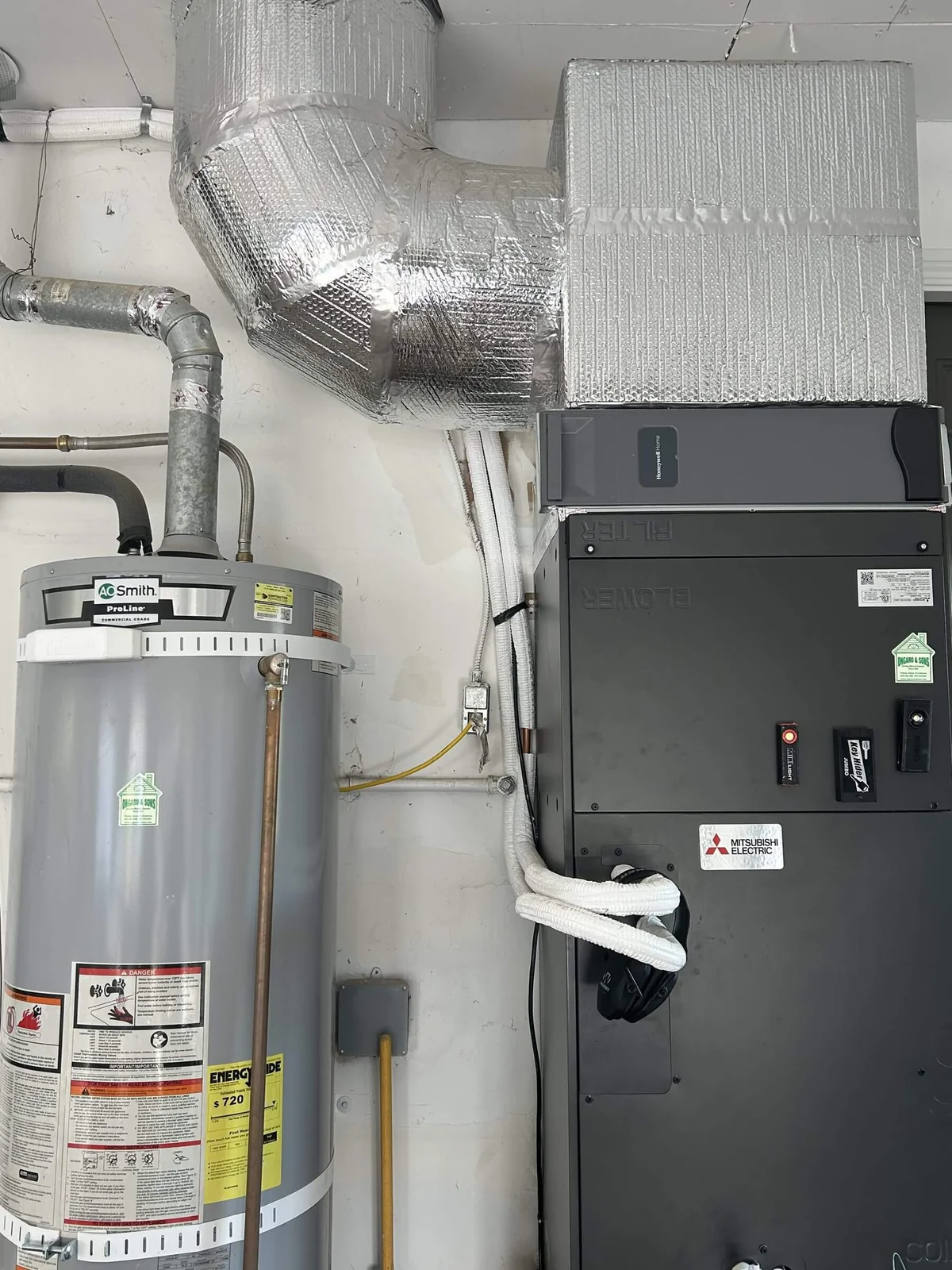
Permits, code, and inspection in Cloverdale
- Two authorities, one mailing address. Homes inside the city limits permit through the City of Cloverdale Building Division. Properties with a Cloverdale address sitting in unincorporated territory, including much of the surrounding Alexander Valley, go through Permit Sonoma instead. We confirm which applies before filing.
- Applications are online. The city directs applicants to its OpenGov permitting portal, with the Building Department at 124 North Cloverdale Boulevard for anything needing a counter visit.
- Inspections need lead time. The city states that "requests for inspections must be made at least 24 hours in advance to guarantee the inspection," and that it conducts inspections and plan check reviews Monday through Thursday from 2 to 4 pm. City Hall runs a four-day week. That compressed window is a real constraint, which is why we book the inspection when we book the crew.
- The California Mechanical Code applies. Cloverdale adopts it by reference. It governs equipment clearances, condensate disposal, combustion air where gas equipment remains, and disconnect placement.
- Title 24 covers replacements, not just new builds. California's 2025 Building Energy Efficiency Standards took effect January 1, 2026, per the California Energy Commission. A changeout counts as an alteration, which is what triggers the HERS verifications above.
- The permit is the contractor's job. We pull it, schedule the inspection, meet the inspector, and close it out. That paperwork should never land on a homeowner.
What drives the cost
We do not publish numbers, because a number with no house attached to it is marketing rather than information. What we can do is name the variables that move a total, so you can read any quote you receive.
The largest is whether the project is a like-for-like changeout or a conversion. Swapping one heat pump for another reuses the pad, often the line set, the circuit, and the ducts. Turning a gas furnace and separate condenser into a full heat pump touches the electrical service, the condensate path, the venting being abandoned, and usually the thermostat wiring, because heat pump staging needs conductors a simple furnace control never had.
The second is the duct system. If leakage testing lands outside the compliance threshold, sealing and repair enter the scope. On retrofit ducting through an attic that can mean replacing individual runs, adding return capacity, or re-insulating. It is what the state test measures, and skipping it means the permit does not close.
The third is electrical capacity. A panel with room adds nothing. A panel at capacity means a service upgrade, and on rural Alexander Valley properties it can also mean addressing the service entrance itself.
The fourth is equipment selection, where incentive thresholds interact with price. Sonoma Clean Power sets minimum efficiency levels to qualify: at least 17.2 SEER2 for a ducted central split, at least 19.1 SEER2 for a ductless single-zone, and at least 16.2 SEER2 for a multi-zone. Gear that clears those bars costs more up front than baseline gear, and it is the gear that earns the rebate. Whether that trade works in your favor depends on system size, which is arithmetic we do out loud with you.
The fifth is access. A crawlspace air handler, a second-story attic, a long line set, or a condenser that has to move for clearance all add labor. We look at all of it first, which is the reason we do not quote this work by phone.
Ongaro installed a forced air heat pump system for us. We're really pleased with their service from start to finish.
James C.
The incentives that still exist
Programs in this space change often. Current status:
Sonoma Clean Power runs the rebate that matters most here, since SCP is the community choice energy provider for Sonoma County. Its published conditions are specific and worth reading before you select equipment: the installation address must be an SCP account, customers are eligible for one rebate per equipment type per account number, dual fuel systems do not qualify, and applications must be submitted no more than 90 days after project completion. New construction is excluded, with the exception of fire rebuilds. Households enrolled in CARE or FERA qualify for enhanced amounts, receiving a share of the project cost remaining after all other rebates are applied.
We point you to the right source and confirm what is live when your project is scheduled. That 90-day SCP filing window is the detail that trips people up most, and having the paperwork ready is a fair thing to ask any bidder about.
Power shutoffs and an all-electric house
This deserves its own paragraph in Cloverdale specifically. Northern Sonoma County came through the 2019 Kincade Fire and faces PG&E Public Safety Power Shutoffs, which PG&E describes as a last-resort wildfire prevention measure called during forecasted high winds and dry conditions. A gas furnace can run on modest backup power, since the burner produces the heat and electricity only turns the blower. A heat pump cannot. It is the heating appliance, and with the power off it does nothing.
That is not an argument against a heat pump. It is an argument for settling your backup power strategy in the same conversation as the equipment rather than two years later. Some households add a standby generator, and we are a Certified Generac Generator installer. Others go the solar and battery route in Cloverdale, which pairs naturally with all-electric heating. Either way the sizing question changes once the load includes a compressor, so scope them together.
Maintenance, and why it differs from a furnace
A furnace in Sonoma County works part of the year. A heat pump works all of it, roughly doubling annual runtime hours and moving service from optional to structural.
Filters need changing more often, since the blower runs far more hours. The outdoor coil has to stay clear year-round rather than just before summer, which in the Alexander Valley means watching vineyard dust, grass seed, and leaf drop. The defrost cycle should be verified in fall, before the first cold morning, because a defrost fault stays invisible until weather exposes it. Charge belongs checked against the manufacturer's target rather than topped off by feel. Condensate drains need clearing in both modes, since a heat pump makes condensate while heating as well as cooling. And the control needs heat pump staging with a correct lockout for auxiliary electric heat, because a thermostat configured with furnace logic calls the strip heat far more than the system requires. Our maintenance program covers all of it on a schedule.
Where we work around Cloverdale
We cover downtown Cloverdale and its older in-town housing, the residential streets off North Cloverdale Boulevard, and rural properties throughout the Alexander Valley, many on wells and septic with their own access and electrical considerations. Everything is dispatched from our Petaluma headquarters, where our trucks, parts inventory, and install crews are based. Cloverdale anchors the north end of our county coverage, alongside our heat pump work in Windsor and heating and cooling across Sonoma County.
How to choose a contractor for this work
1. Was a load calculation performed, or did someone read the nameplate on the old unit? Matching capacity to capacity carries forward whatever mistake was made the first time. 2. Was the duct system measured? If leakage is not raised before the quote, it gets discovered after. 3. Who registers the HERS verifications, and is the rater independent? That answer should be immediate and specific. 4. Who pulls the permit, and do they know which authority governs your address? Around Cloverdale that is a real question rather than a formality. 5. Can the electrical scope stay under one license? A conversion needing panel work that gets subcontracted adds a schedule dependency and a finger-pointing risk. We hold C-20 for HVAC, C-10 for electrical, and C-36 for plumbing, so Cloverdale electrical work stays with the same company.
If you are weighing a heat pump against keeping what you have, our pages on furnace repair in Cloverdale and AC repair in Cloverdale cover the repair side of that choice.
What North Bay homeowners say
Two Google reviews from heat pump customers, unedited:
More of what we do around Cloverdale
Ongaro & Sons covers every trade under one roof: heating and cooling in Cloverdale, AC repair, furnace repair, electrical service, panel upgrades, and solar and battery storage. Everything we offer locally is listed on our Cloverdale service page. You can also compare notes with our heat pump work in Windsor, browse heating and cooling across Sonoma County, or set up ongoing care through our maintenance program.
Book a heat pump visit in Cloverdale
Book online at any hour, or reach us during office hours if you would rather describe the symptoms to a person first. For a repair we diagnose before quoting. For a replacement or conversion we run a load calculation, look at the ducts and the panel, and hand you the options in writing with the incentive picture attached.
Your Comfort, Our Priority
Ongaro & Sons is your trusted heating, cooling, plumbing, electrical, and solar expert, specializing in reliable maintenance and repair services that keep your home running efficiently year-round.
Our certified technicians deliver unmatched expertise with fast, friendly service across Marin, Sonoma and Napa County. From HVAC tune-ups to plumbing repairs and electrical upgrades or solar solutions, we focus on energy-efficient performance and long-term comfort. Count on us to maintain the systems that power your home and keep your environment just the way you like it.
Licensed, Insured, Background-Checked
Our technicians are licensed, experienced, and trained to service all makes and models.
Locally Owned and Operated
Serving the Napa, Marin, and Sonoma communities with personalized, hometown service.
Reliable Repairs
We respond quickly and get the job done right the first time, with no surprises.
Since 1932
Why Ongaro & Sons?
Four generations of trusted home service. Open any reason to see what it means for your home.
Schedule Service →Family-owned in the North Bay since 1932
Four generations of the Ongaro family serving Marin, Sonoma and Napa County. We know these homes and the systems in them.
Licensed, insured, background-checked technicians
Every technician is fully licensed and insured, background-checked, and trained on the equipment we install.
Diamond Certified and BBB A+
Diamond Certified since October 2016, and BBB Accredited with an A+ rating since December 1995.
Mitsubishi Diamond Contractor Elite and Trane Comfort Specialist
Both top manufacturer tiers. That standing decides how registration and extended warranty terms are handled on the system you actually bought.
The price is agreed before work starts
You see the number before the work begins. Flat-rate quotes, no surprises and no pressure.
Comprehensive maintenance program
Members get priority scheduling, discounts, and proactive checkups that prevent costly failures.
Discount
Membership
Ongaro Maintenance Plans
Annual maintenance on your home systems provides safeguards and comfort to you and your family. Members get priority scheduling, discounts, and proactive checkups that catch problems early.
Member Discounts
5% off every repair and replacement, all year long.
Peace of Mind
Proactive checkups catch issues before they become big problems.
Courtesy Reminders
We call you to schedule: never miss a seasonal service.
Value That Lasts
With Ongaro & Sons, you’re investing in quality, integrity, and service that stands the test of time. Explore our current promotions and see the difference real value makes for your HVAC, plumbing, and electrical needs.


From the Blog
 Sep 17, 2026
How Many Amps Does My House Need? Sizing Service for What You Actually Run
How many amps your house needs comes from a load calculation of what you run and plan to add. What drives the number, when existing service is enough, and more.
Read More Sep 10, 2026
Hard Water in Marin County: What Is Actually in Your Water and What It Does
Hard water in Marin County varies by provider and source. The 2025 report figures for Marin Water and NMWD, what hardness does and does not mean, and options.
Read More Sep 3, 2026
Electrical Permit Requirements in California: What Needs One and What Does Not
Find out which electrical projects commonly need permits, how to confirm local exemptions, and what to ask before work begins in Marin, Sonoma or Napa County.
Read MoreFrequently asked questions
Who is the best heat pump contractor in Cloverdale?
Point at what is verifiable rather than the claim. Ongaro & Sons has served the North Bay since 1932, holds Diamond Certified status, carries C-20 HVAC and C-10 electrical licenses, and installs as a Mitsubishi Diamond Contractor Elite and a Trane Comfort Specialist. Our rating stands at 4.8 stars across 2,756 Google reviews. Ask every contractor you consider for the same set of specifics.
Does a heat pump really work through a Cloverdale winter?
Yes. Modern variable-capacity equipment holds useful output well below the temperatures Sonoma County sees in a normal winter, and Cloverdale winters are mild by the standards of the technology. The ones that struggle are undersized, or have an auxiliary heat lockout set so loosely that strip heat takes over long before the compressor has run out of capacity.
Why is my heat pump blowing cool air when it is set to heat?
Three likely causes. It may be in a defrost cycle, which is normal and brief. The reversing valve may have failed, leaving it stuck in cooling. Or charge may be low enough that the compressor moves little heat. A quick tell: if the outdoor unit is steaming and the supply air turns warm again shortly afterward, you watched a defrost.
Do I need a permit to replace a heat pump in Cloverdale?
Yes, and it belongs in our scope rather than yours. Which office issues it depends on the address. Parcels inside the city limits go through the Cloverdale Building Division and its online portal. Parcels in unincorporated county territory around the city go through Permit Sonoma. We verify jurisdiction at the estimate stage so nothing stalls once equipment arrives.
Do the Bay Area air district appliance rules apply in Cloverdale?
No. Cloverdale sits in the Northern Sonoma County Air Pollution Control District, which the county confirms in its published district listing. The zero-NOx residential appliance requirements phasing in across the Bay Area district do not govern equipment selection here. Homeowners in Santa Rosa are working under a different rule set than homeowners in Cloverdale, and it changes what a gas backup means.
What is a HERS test and why does my heat pump need one?
HERS is the state's third-party verification program for energy code compliance. On this work an independent rater measures duct leakage and verifies refrigerant charge, then registers results with a state-approved provider. It exists because the two variables with the largest effect on real-world efficiency cannot be confirmed by looking at the equipment. The rater is not employed by the installing company.
Can I keep my gas furnace as a backup heat source?
Technically yes, and no local air rule prevents it. The tradeoff is financial rather than regulatory. Sonoma Clean Power excludes that configuration from its rebate, so choosing it means forgoing the incentive. Households that see frequent extended outages sometimes still prefer it. We lay out both paths, with the numbers behind each, before you commit to equipment.
What rebates are available for a heat pump here?
Sonoma Clean Power offers one for qualifying systems, with minimum efficiency thresholds by system type, a requirement that the service address be an SCP account, a limit of one rebate per equipment type per account, and a 90-day post-completion filing deadline.
Will a heat pump force a panel upgrade on a Cloverdale house?
Sometimes. A straight replacement generally reuses the existing circuit. Converting from gas heat adds substantial electrical load, and whether your service carries it comes down to a load calculation rather than the panel's printed rating. Older rural services around the valley need attention more often. We run that calculation before quoting, so the answer is known instead of guessed.
What happens to a Cloverdale heat pump during a Public Safety Power Shutoff?
It stops. The system is entirely electric, so a shutoff takes your heating and cooling rather than just your blower. PG&E says it sends alerts as early as it can, but that fast-changing weather can mean the first alert does not arrive until the same day, which means preparation beats notice. Households in higher wildfire risk tiers across northern Sonoma County frequently pair electrification with a generator or battery.
Should I repair my aging heat pump or replace it?
Work through the four checks: refrigerant type, whether the fault lives inside the sealed system, duct condition, and electrical capacity. A capacitor, contactor, defrost board, or sensor on a healthy ten-year-old system is worth fixing. A compressor or coil failure on an R-22 machine generally is not, since parts supply and remaining service life both work against the repair.
Can a Cloverdale house with no ductwork take a heat pump?
Yes. Ductless systems mount an indoor head in each conditioned space and connect to the outdoor unit through a small refrigerant line penetration, so nothing gets routed through ceilings or walls. Older in-town Cloverdale homes with wall or floor furnaces are a common fit. The design question shifts to how many zones you need and where heads go without dominating a room.