Sewer Repair in Novato, CA
Sewer work in Novato answers to a district rather than to the city, and Novato Sanitary District requires a permit for all sewer work performed outside the building foundation, obtained before anything starts. Ongaro & Sons has repaired and replaced laterals here since the company was founded in Marin in 1932, is Diamond Certified with a BBB A+ Rating, and holds 2,756 Google reviews averaging 4.8 stars. We put a camera in the line before we price the work, we pull the permits in our own name, and you keep the video either way.
Novato sits a short run down 101 from our Petaluma headquarters, where the crews and the equipment for this work come from. Sewer repair is the one plumbing job where the thing you are buying is buried, so most of what follows is about how you get to see it first.
The page runs the job in the order it actually happens here. The technical decisions, the items that move the price, and the one local grant program each appear where they come up, because taking them out of order is what costs Novato homeowners the most.
On this page
Why a Novato sewer job is not a generic sewer job
Two things separate this work here from the same work a few exits away.
The first is that two agencies have a say in one trench. Novato Sanitary District owns the public main and issues the sewer permit, and its rule is plain: "Sewer permits issued by the District are required for all sewer work performed outside the building foundation," per the District's own sewer connections and permits page. Piping inside the building footprint is a separate permit from the City of Novato Building Division, or from the Marin County Community Development Agency for addresses outside city limits. One excavation, two jurisdictions, and a seam where poorly run projects stall.
The second is that Novato puts money toward lateral replacement. The District runs a Lateral Grant Program for a stated reason: "old and leaky sewer laterals are often a significant source of rainwater infiltration and inflow (or 'I/I') that can quickly overwhelm public sewer systems and result in sewage spills and overflows." Its conditions change the repair-versus-replace calculation in this city specifically, and homeowners tend to learn about them a week too late.
What the symptoms mean
The questions asked on the phone are trying to separate a fixture problem from a lateral problem. The difference is how many things are wrong at once and which one goes first.
A single slow sink is a fixture. Two or more backing up together, with the lowest one in the house filling first, is the main line. That is why a garage floor drain, a downstairs tub, or the first-floor toilet is usually the fixture telling you the truth. Gurgling is the same signal in audio form: air gets pulled back through a trap because water is stacking up past it.
Outdoors, look for a strip of grass greener and softer than everything around it, a soft spot that returns after you fill it, or sewer odor that strengthens after rain. Rain is the important qualifier. A house that only backs up during a storm is taking in groundwater through open joints, the infiltration mechanism the District's grant exists to reduce.
What fails depends on the material. Vitrified clay, common under older Novato streets, is durable but jointed, and roots find joints. Cast iron under a slab scales from the inside until flow channels along the bottom and solids catch. Bituminous fiber pipe, sold as Orangeburg, deforms out of round. Ground movement pulls joints into offsets, and settlement creates a low spot.
One fixture, one time, is a job for drain cleaning in Novato.
The camera run and locating the line
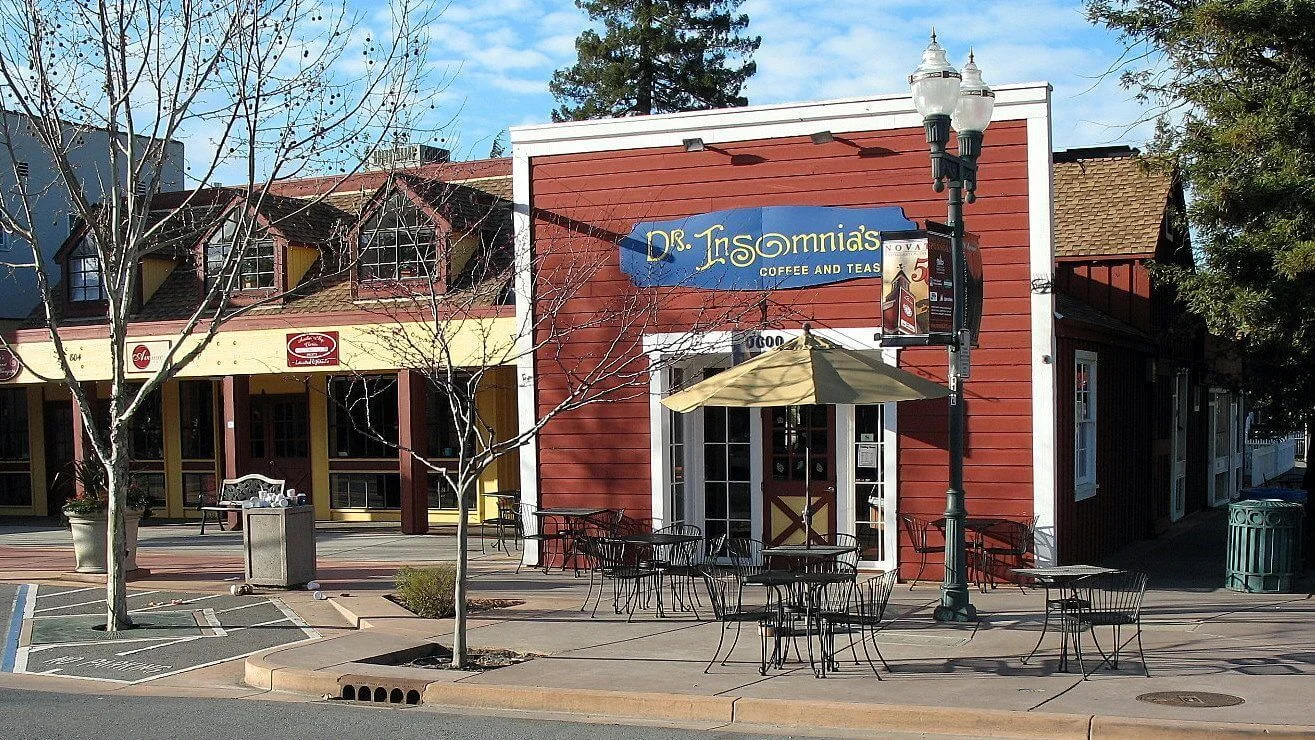
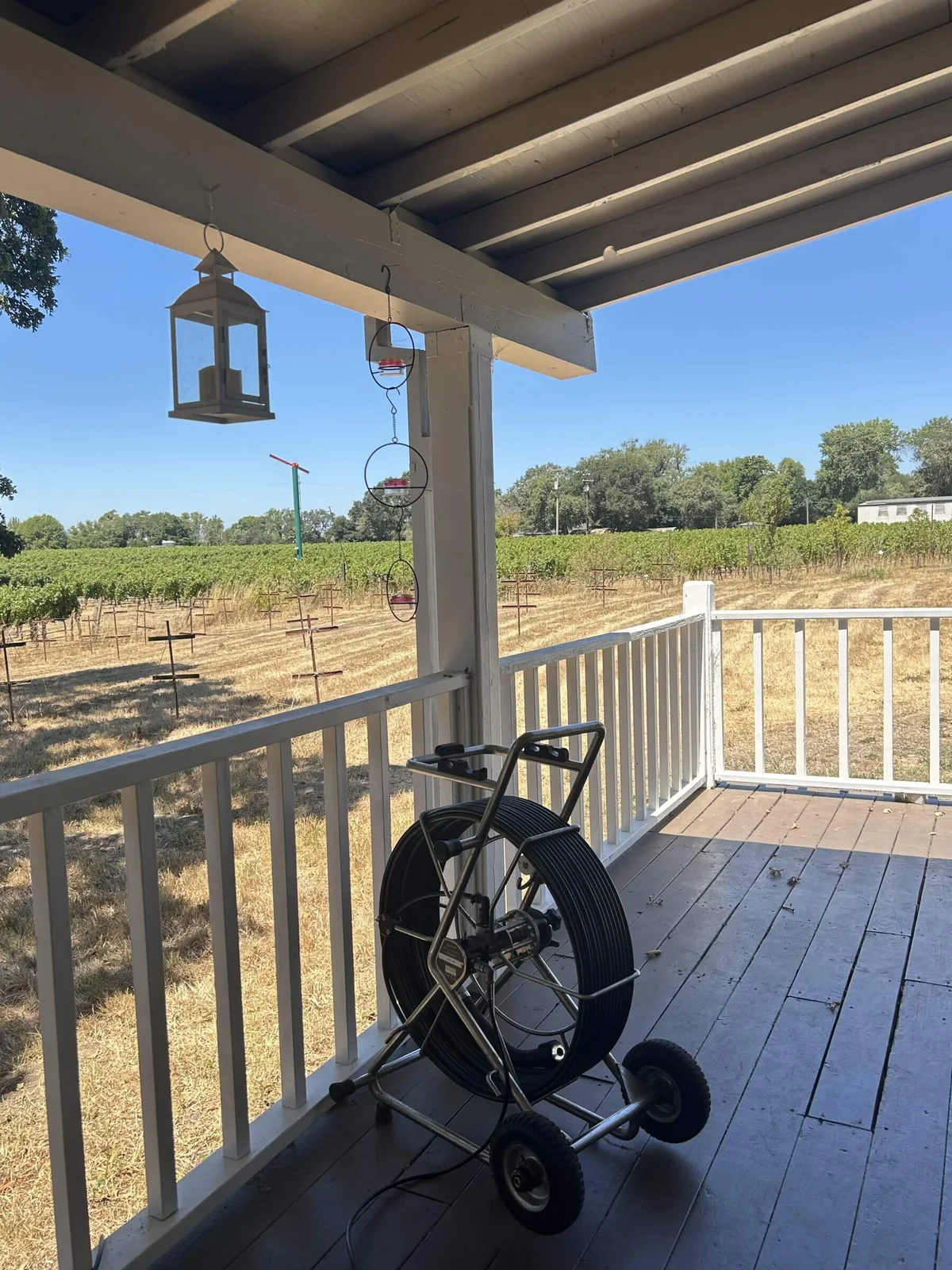
Nothing gets priced off a guess. A camera goes down the line, ideally through an existing cleanout, and where a property has none we pull a toilet to get in.
Two instruments matter. The camera head shows condition. A sonde inside that head, tracked with a locator from the surface, shows where the pipe runs and how deep it sits, marked in paint on the lawn so you see the route before paying to open it. The reel counts footage, so a defect gets a distance instead of an adjective.
What you should receive back is specific: material, diameter, distance to each defect, depth at that point, whether joints are open, how far roots extend, and whether water stands anywhere. That last finding carries the most weight. Standing water in a line that should be draining is the on-camera signature of a low spot, and it constrains the options more than anything else.
If the pipe is packed with roots or grease, we clear it and run the camera again. A report written through a wall of debris is not a report.
I'm a do it yourself type guy, but ran into a snag that was beyond my comfort zone. Christopher worked hand in hand with me, he taking the lead, while I ran for some extra parts and assisted occasionally.
Sally P.
Repair, lining or replacement: four questions
Every Novato lateral runs through four questions in this order: condition, geometry, access, and paperwork. Any one of them can eliminate a method on its own.
Condition asks whether the failure is a point or a pattern. One cracked joint at a known distance in an otherwise sound run is a point defect, and a spot repair is defensible. Open joints every few feet, a deformed fiber pipe, or heavily scaled cast iron is a pattern, and patching one location on a line like that buys a season.
Geometry asks whether the existing path is worth preserving, and most trenchless conversations end here. Cured-in-place lining installs a new pipe inside the old one, and pipe bursting pulls a new pipe along the old alignment. Both inherit the grade already there. If the camera showed standing water, a liner holds that same water, and you have paid for a smooth surface on a line that still will not drain.
Access asks where equipment can physically go. Bursting needs a pit at each end and a path with nothing fragile alongside. Open cut needs a trench wide enough to work in at depth, a different proposition under a mature canopy than on open lawn.
Paperwork asks whether you want the District grant, which pays only for full replacement. That condition has turned many Novato spot repairs into replacements, and it has to be settled before anyone digs.
Slope, depth and the design decisions
The technical factor that decides more of these jobs than any other is fall. A sewer runs on gravity, and it needs consistent fall from the house to the connection at the main, with no reverse grade and no dip. Too little fall and solids stall. A sagged section that ponds water works like a trap in a line never designed to have one.
Depth is the constraint on fall. The invert of the public main fixes the elevation you have to reach at the street end, and the building drain fixes where you start. The difference between those two points is all the fall available, spread across the length of the run. On flat ground toward the bay that difference is small, which is why the same repair is straightforward on a sloped west-side lot and delicate down on the flats.
Two additions are worth deciding while the line is open. A cleanout at the property line turns every future service call into a quick access instead of a toilet pull, and many older houses here were built without one. Where fixtures sit below street level, a backwater valve keeps a surcharged public main out of the house.
Material follows method. Solid-wall plastic pipe is standard for open-cut replacement. Fused polyethylene gets pulled through a burst, arriving as one continuous length with no joints for roots to find.
The two permits, and the order they go in
The District's permit covers everything outside the building foundation, which on a lateral job is nearly all of it. The District also draws a hard line about who may do part of the work: "Work located in the street or in a public sewer easement cannot be done by the homeowner and must be performed by a licensed contractor or plumber." We hold the C-36 that requirement points at, and the permit is issued in our name rather than yours.
The building side, meaning piping under the slab or within the footprint, goes through the City of Novato Building Division. Properties outside city limits route that portion to the Marin County Community Development Agency instead. Which one applies to your address is a first-visit question, not a dig-day surprise.
The District schedules its own inspections and asks for advance notice, so the calendar here is not entirely ours to set. Street work adds traffic control and pavement restoration on top of that.
The District's lateral grant, and why it comes before the shovel
The District sets aside a fixed sum each fiscal year and, in its words, "Grants will be made on a first-come-first served basis." Once the annual allocation is spent it is gone until the next budget year, so timing is part of the strategy.
Three conditions matter more than the rest.
The grant requires replacing "the lateral in its entirety (i.e. both the upper and lower laterals)." A spot repair, a partial liner, or a replacement stopping at the property line will not qualify. If full replacement was already under consideration, this pushes the decision; if it was not, price both ways before choosing.
The program asks you to gather contractor bids and apply before work begins, after which the District issues what it calls a letter of obligation. The instruction there is unusually direct: "Please do not have any work performed prior to receiving a letter of obligation. Any repair work performed prior to receiving a letter of obligation from NSD is performed at your own risk and cost, and will make the grant application null and void."
That is why this section sits here in the sequence. If the line has failed outright and the house is unusable, you fix it and the grant question is moot. If the line is deteriorating but still working, paperwork goes first and the shovel second.
Nothing else subsidizes this work. A lateral is not an energy retrofit, so the community choice and regional energy programs that fund equipment upgrades in Marin do not reach buried drainage. Beyond the District, financing is the usual way to spread a replacement over time.
Please provide a piping diagram of the residence from meter to tankless unit, including any branch lines on the run.
Dig day, and what moves the price
We do not publish prices for this work because two houses on the same block can differ by a factor that has nothing to do with plumbing. Here is what an estimate is built from.
Length and route. Distance from the building to the main, and whether that route crosses a sidewalk, a curb and a public street, or stays on private property.
Depth. Depth drives trench width, shoring, spoil volume and how long the excavation stays open. A deep connection at the main is a different day than a shallow one.
Ground conditions. Down on the bay flats we plan for a wet trench and for soil that will not hold a vertical face. Toward the western hills we plan for harder digging and for roots.
What sits on top. Turf restores easily. A stamped concrete driveway, pavers, a retaining wall, irrigation, or the root plate of a mature tree do not.
Method. Bursting and lining trade excavation for equipment and setup. They are not automatically the cheaper choice, they are the less disruptive one, and on the right line that is worth more than the difference.
Scope at the main. Whether the existing tie-in can be reused or has to be rebuilt is one of the larger swing items on the job.
Additions. A property-line cleanout, a backwater valve, or an upsized run each add material and labor.
On the day, the trench is shored where depth requires it, spoil is kept off the neighbors, and the work is sequenced so the house is out of service as briefly as possible. If the plan has it down overnight, you hear that before we start.
Inspection before anything gets covered
This step separates a clean job from a liability, and the District is unambiguous: "All sewer construction work is inspected by the District to insure compliance with all requirements. No sewer shall be covered at any point until it has been inspected and passed for acceptance."
Read that literally, because it is meant literally. Pipe, bedding and the connection at the main all have to be visible when the inspector arrives. A crew that backfills Friday and calls for inspection Monday has created a problem that follows the property rather than the contractor, and it usually surfaces in escrow. The building-side portion gets its own sign-off from the city or county, and both belong in your closeout package.
The follow-up, and keeping the line you just paid for
A final camera run through the finished line is the deliverable: footage of a clean, correctly graded pipe, a marked route so future landscaping does not hit it, and the permit records.
Expect settlement over the trench through the first wet season. Disturbed soil consolidates once it saturates, and topping it off is part of the job rather than a callback you should have to argue about.
After that, maintenance is simple. Keep wipes out of the toilet regardless of the packaging, keep cooking grease out of the kitchen line, and avoid planting anything aggressive over a known route. On older lines with a root history, a scheduled cleaning ahead of the wet season beats reacting to the first backup, and both fit into a maintenance plan.
The Novato areas we work in
The older housing around Grant Avenue and the downtown core has the oldest laterals in the city, the shortest runs to the main, and the highest likelihood that work reaches the street. Tight lots and street trees make access the deciding factor more often here than anywhere else in town.
Hamilton sits on flat ground toward the bay. Runs are longer, fall is scarcer, and trenches find water sooner than crews from drier parts of the county expect.
Bel Marin Keys is flatter still and sits low against the water. Backwater protection stops being optional in our view, and the fall between building drain and main deserves a careful look before any method is chosen.
Indian Valley runs west toward the hills, wooded, with mature trees and long distances from house to street. Roots are the recurring story, and a line cleared every couple of years for a decade has been telling you something.
Toward the western and northern hills, homes also carry outage exposure through PG&E's Public Safety Power Shutoff program, which the utility turns on when severe weather makes it necessary to shut off power for safety. If a pump moves waste or keeps a crawlspace dry at your house, it stops when power does, and that fix lives on the electrical side.
Outside city limits, permits shift to the county, and a property on septic follows a different scope with a different approving agency.

How to choose a sewer contractor in Novato
Seven questions sort the field quickly.
1. Are they licensed for the trade? C-36 is the plumbing classification this work sits under, and the Contractors State License Board lets you check any license yourself in a minute. 2. Did they run a camera before quoting, and did they leave you the footage? 3. Does the quote name the method, material, length, depth and restoration standard, or does it say "repair sewer" and a number? 4. Will they pull the District permit under their own license? 5. Did they raise the Lateral Grant Program before scheduling, or only after? 6. Will they commit in writing to leaving the excavation open until the District inspection passes? 7. Do they handle the District side and the city or county side, or are they handing you half a project?
The rest of what we do in town is on our Novato plumbing page.
What North Bay homeowners say
These come from customers across the counties we serve.
Sewer repair across Novato and Marin County
More of what we do nearby: plumbing in Novato, drain cleaning in Novato, electrical work in Novato, the full Novato service list, plumbing across Marin County, and the same sewer work in San Rafael and Corte Madera.
Book sewer repair in Novato
Start with a camera inspection so the conversation is about a known defect at a known location instead of a theory. Book online and we will schedule the diagnosis, walk the footage with you, lay out the methods your line's condition and grade allow, and show you where the District's grant program fits before work is scheduled.
Your Comfort, Our Priority
Ongaro & Sons is your trusted heating, cooling, plumbing, electrical, and solar expert, specializing in reliable maintenance and repair services that keep your home running efficiently year-round.
Our certified technicians deliver unmatched expertise with fast, friendly service across Marin, Sonoma and Napa County. From HVAC tune-ups to plumbing repairs and electrical upgrades or solar solutions, we focus on energy-efficient performance and long-term comfort. Count on us to maintain the systems that power your home and keep your environment just the way you like it.
Licensed, Insured, Background-Checked
Our technicians are licensed, experienced, and trained to service all makes and models.
Locally Owned and Operated
Serving the Napa, Marin, and Sonoma communities with personalized, hometown service.
Reliable Repairs
We respond quickly and get the job done right the first time, with no surprises.
Since 1932
Why Ongaro & Sons?
Four generations of trusted home service. Open any reason to see what it means for your home.
Schedule Service →Family-owned in the North Bay since 1932
Four generations of the Ongaro family serving Marin, Sonoma and Napa County. We know these homes and the systems in them.
Licensed, insured, background-checked technicians
Every technician is fully licensed and insured, background-checked, and trained on the equipment we install.
Diamond Certified and BBB A+
Diamond Certified since October 2016, and BBB Accredited with an A+ rating since December 1995.
Mitsubishi Diamond Contractor Elite and Trane Comfort Specialist
Both top manufacturer tiers. That standing decides how registration and extended warranty terms are handled on the system you actually bought.
The price is agreed before work starts
You see the number before the work begins. Flat-rate quotes, no surprises and no pressure.
Comprehensive maintenance program
Members get priority scheduling, discounts, and proactive checkups that prevent costly failures.

Discount
Membership
Ongaro Maintenance Plans
Annual maintenance on your home systems provides safeguards and comfort to you and your family. Members get priority scheduling, discounts, and proactive checkups that catch problems early.
Member Discounts
5% off every repair and replacement, all year long.
Peace of Mind
Proactive checkups catch issues before they become big problems.
Courtesy Reminders
We call you to schedule: never miss a seasonal service.
Value That Lasts
With Ongaro & Sons, you’re investing in quality, integrity, and service that stands the test of time. Explore our current promotions and see the difference real value makes for your HVAC, plumbing, and electrical needs.


From the Blog
 Sep 17, 2026
How Many Amps Does My House Need? Sizing Service for What You Actually Run
How many amps your house needs comes from a load calculation of what you run and plan to add. What drives the number, when existing service is enough, and more.
Read More Sep 10, 2026
Hard Water in Marin County: What Is Actually in Your Water and What It Does
Hard water in Marin County varies by provider and source. The 2025 report figures for Marin Water and NMWD, what hardness does and does not mean, and options.
Read More Sep 3, 2026
Electrical Permit Requirements in California: What Needs One and What Does Not
Find out which electrical projects commonly need permits, how to confirm local exemptions, and what to ask before work begins in Marin, Sonoma or Napa County.
Read MoreSewer repair in Novato: frequently asked questions
Who is the best sewer repair company in Novato?
Judge it on evidence rather than adjectives. Ongaro & Sons has served the North Bay since 1932, holds Diamond Certified status and a C-36 plumbing license, and carries 2,756 Google reviews at a 4.8 star average. We diagnose with a camera before quoting, hand over the footage, permit through Novato Sanitary District under our own license, and leave the excavation open until the District signs off.
How do I tell a sewer line problem from a clogged drain?
Count the fixtures. One slow drain with everything else behaving normally is almost always local to that fixture. When several misbehave together, and the lowest drain in the house floods first, the trouble sits downstream of all of them in the shared line. A nearby fixture gurgling when you flush points the same direction.
Do I need a permit to replace my sewer lateral in Novato?
Yes, and frequently two. Novato Sanitary District requires its own sewer permit for work beyond the building foundation, which covers essentially the whole lateral. Piping within the footprint falls to the City of Novato Building Division, or to the Marin County Community Development Agency past the city boundary.
Who owns the sewer lateral, the homeowner or the District?
The property owner does. The District defines the lateral as running from the junction with building plumbing, roughly two feet outside the foundation, to and including the connection at the public main. It calls that pipe "the private property of the property owner," responsible for its installation, repair, alteration and removal. The District maintains the main itself.
Does Novato help pay for a lateral replacement?
The District funds a grant program aimed at reducing rainwater entering the sewer system through leaky private pipes. Awards come from a set annual pot and are handed out in the order applications arrive. Qualifying takes a complete replacement rather than a partial fix, with written approval in hand before work starts.
Is trenchless sewer repair possible on my line?
Sometimes, and the camera decides. Lining needs a host pipe sound enough to support a new liner inside it. Bursting needs room for entry and exit pits plus a path clear of fragile neighbors underground. Both inherit the existing grade, so a run with a sag keeps that sag afterward.
Why does my house back up when it rains?
Because the pipe is letting groundwater in. Cracked joints and failed seams that pass unnoticed in dry weather become inlets once surrounding soil saturates, and the added volume overwhelms a line whose capacity was already marginal. The District cites this infiltration and inflow problem as its reason for funding replacements.
What is a belly in a sewer line?
A section that settled below the intended grade, forming a dip that holds standing water instead of draining. Waste slows there, solids drop out of suspension, and the spot becomes the recurring blockage point no matter how often it is cleared. Correcting a dip means excavating and re-bedding that section.
How long does a lateral replacement take in Novato?
Plan in days rather than hours. A short private-property run on open ground moves quickly. Once the route crosses a sidewalk and public street, add traffic control, pavement restoration and the District's inspection scheduling, each with its own lead time. A curb-to-house replacement is not a between-meals project.
What drives the cost of sewer repair in Novato?
Length of run, depth at the connection, ground conditions, and whatever has to be removed and rebuilt at the surface. Lawn restores cheaply; a stamped driveway, pavers, a retaining wall or a mature tree do not. Whether the tie-in at the public main can be reused is another large swing item.
Should I add a cleanout while the trench is open?
If the house lacks one at the property line, yes. A cleanout gives future camera inspections and cabling direct access without pulling a toilet or breaking ground, turning a disruptive service visit into a quick one. Adding it during a replacement costs little, since the excavation is already open.
How often should an older sewer line be camera inspected?
For clay or cast iron with any history of roots or slow drainage, a look every year or two ahead of the rainy season is reasonable and usually costs less than one reactive call. It is also the smartest move before buying an older Novato house, where a failing lateral stays invisible during a standard home inspection.