HVAC in Napa, CA
Ongaro & Sons, founded in 1932, installs and services heating and cooling systems across Marin, Sonoma and Napa counties, working out of our Petaluma headquarters. We are Diamond Certified, we hold a C-20 HVAC license, we are a Mitsubishi Diamond Contractor Elite and a Trane Comfort Specialist, and we carry 2,756 Google reviews averaging 4.8 stars. We measure the house, we pull the permit, and we put the numbers in front of you before anyone touches equipment.
On this page
What Napa asks of a heating and cooling system
The city sits at the south end of the valley, hot through summer, cooler than up-valley St. Helena but well above anything on the coast. A Napa house needs real cooling capacity and modest heating capacity, which is why a system specified off the furnace instead of off the cooling load ends up wrong in both directions.
The housing stock splits the problem in two. Downtown Napa and the streets around it hold Victorian and early-twentieth-century homes, most retrofitted for forced air decades after they were framed, with ducts threaded through crawlspaces never designed to carry them. South and east Napa run to newer subdivisions with planned duct routes and panels that have capacity to spare. The same recommendation lands very differently on those two houses.
Two outside forces shape what you should buy. Napa city sits fully inside the Bay Area Air Quality Management District, so the district's zero-NOx appliance rules reach your next furnace. And delivery here is PG&E, in hill-adjacent terrain where Public Safety Power Shutoffs belong in the plan: PG&E turns off power during high fire risk conditions to reduce the chance of its equipment starting a fire. An all-electric system is a different resilience conversation than one with a gas burner.
Napa also runs its own utilities and its own building department, drawing water from three separate sources on three treatment plants and issuing permits through the city rather than the county. Outside city limits you deal with Napa County Planning, Building and Environmental Services. What follows is the sequence of a project here, step by step.
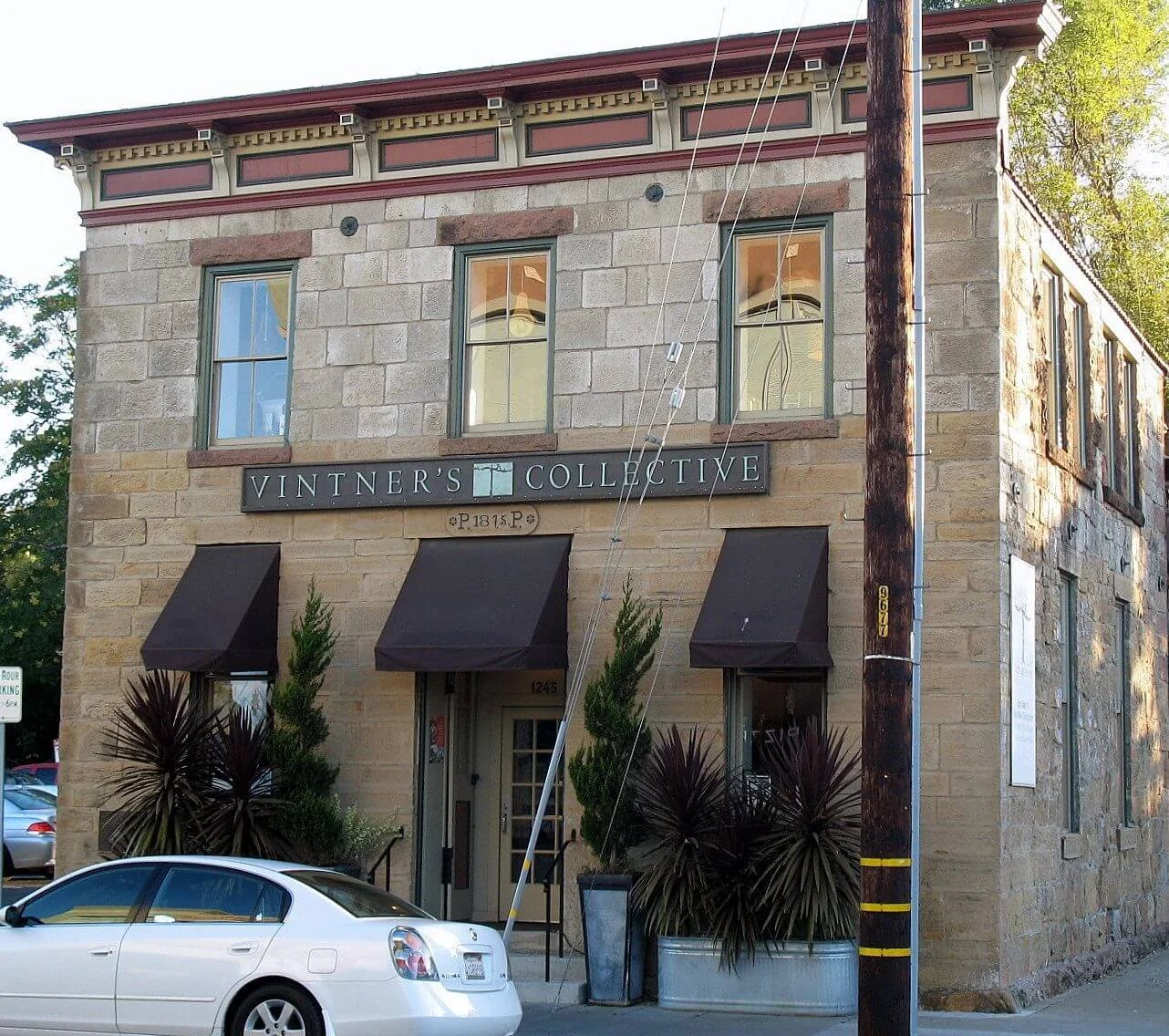
What the first visit covers
A homeowner calls about one symptom. The visit is about the system that produced it.
Cooling calls cluster around air that is not cold, a system running all afternoon without pulling the house down, a unit cycling every few minutes, ice on the copper line at the air handler, or a condenser that hums without starting. Those map to a short list: low charge from a leak, a failed run capacitor, a failing compressor, a restricted evaporator coil, or airflow that collapsed behind a filter or a dust-packed blower wheel. Several are indistinguishable from the thermostat and separable in minutes with gauges and a meter.
Heating calls: a furnace that lights and quits after a minute, a burner that will not ignite, a blower moving cold air, or heat that reaches part of the house and abandons the rest. Short-cycling is frequently a flame sensor, a pressure switch responding to a blocked flue, or a limit tripping on inadequate airflow. A cracked heat exchanger is the serious finding, and it comes from inspection and combustion analysis, never guesswork.
Heat pumps have their own vocabulary. Steam off the outdoor unit on a cold morning is normal defrost, not a fault. A system leaning on its auxiliary electric heat strips instead of running the compressor usually has a control, sensor, or charge problem, and it surfaces on the electric bill before it surfaces as discomfort.
Two industry facts sit under every repair-or-replace call. R-22 production and import in the United States ended in 2020, so repairs draw only on reclaimed or stockpiled supply, which turns a leak on pre-2010 equipment into a replacement discussion. R-410A is separately being phased down under the AIM Act, with new equipment moving toward lower global warming potential refrigerants, because newly manufactured residential and light commercial equipment has to sit under a 700 GWP limit. Your existing R-410A system is fine: the phasedown governs what gets sold new.
AC repair in Napa and furnace repair in Napa cover that path in full.
The load calculation, and the checks that follow
Nothing gets quoted until the house is measured. A room-by-room load calculation accounts for floor area, ceiling height, orientation, window area and glazing, insulation, infiltration, and local design temperatures. It is not the same as reading tonnage off the old condenser and matching it, which is how most oversized systems in this city got that way.
Oversizing is the quiet defect. Too much cooling capacity satisfies the thermostat fast, shuts off, and never runs long enough to pull moisture from the air or even out room-to-room temperature. The house feels clammy and patchy while the equipment cycles itself toward early failure. In a climate with genuine summer load and mild winters, the right answer is frequently smaller than what is being removed.
With the load in hand, every project answers four questions, in this order, because each constrains the next.
The load. What does this house gain and lose, room by room? That sets capacity, and it is the only defensible starting point.
The ducts. Can the existing distribution deliver that airflow? This is where older Napa homes fail most often, and it decides more projects here than any other factor. Ducts retrofitted into houses built before central air existed tend to be undersized, poorly routed, leaky at the joints, and running static pressure far above what a modern variable-speed blower expects. Install high-efficiency equipment on that and you get the rating on the label and nothing like it in the rooms. We measure static pressure before specifying, not after.
The electrical. What can the panel feed? A full electric conversion, especially one carrying backup resistance heat, adds real load. On older streets near downtown we routinely find services with almost no headroom left. That is solvable, and an electrical panel upgrade in Napa is often the enabling step rather than a separate project. Catching it in design is cheap. Catching it on install day is not.
The rules. What does code require at the moment you buy? That is the permit and air district question, and it gets its own step because in Napa it is genuinely moving.
Came to estimate replacing large water heater. Very knowledgeable. Arranged for installation tomorrow! also now been great in servicing HVAC. Still have more to do, but excellent and responsive to date.
Bob W.
Choosing the system
With those four answers the options narrow fast. These are the paths we install here.
Split-system AC with a gas furnace. Still correct for plenty of Napa homes when the ducts are sound and gas is already at the appliance. The decisions inside it are capacity, single-stage versus two-stage or variable-capacity compression, and blower type. Variable-capacity equipment earns its keep here because it runs long, quiet, low-output cycles through a warm afternoon rather than hammering on and off.
Ducted heat pumps. One outdoor unit heating and cooling through the existing ducts, with electric elements available as auxiliary heat on the coldest mornings. Napa's mild winters are exactly the profile this equipment was built for, and a correctly sized unit carries almost the whole heating season on the compressor. As a Mitsubishi Diamond Contractor Elite we install inverter equipment that holds capacity well below anything this valley produces. Heat pump installation in Napa covers sizing and controls in depth.
Dual fuel. A heat pump paired with a gas furnace and a control that switches between them at a set outdoor temperature. Reasonable when a homeowner wants heat pump efficiency for most of the season, keeps combustion heat for the coldest stretch, and is not ready to add electrical capacity.
Ductless mini-splits and multi-zone systems. The answer where the ducts failed badly: older downtown homes with no usable duct path, converted attics the main system was never sized to reach, and rooms whose load looks nothing like the rest of the house. Wall or ceiling units run on a small refrigerant line set, so a plaster-walled Victorian gets real cooling without opening ceilings.
Ductwork, zoning, and filtration. Sometimes the equipment is fine and delivery is the problem. Sealing accessible runs, replacing undersized ones, adding a return to a starved room, and adding motorized-damper zoning solve complaints no new equipment will touch. Plan filtration here too: cabinet depth and blower capability are fixed the day the system goes in, and they decide whether you can keep a house sealed through smoke season without choking airflow.
Permits, code, and the rules that are moving
Changeouts are permitted work. Inside city limits the permit goes through the City of Napa Building Division, which reviews to the adopted California Building Code as amended by the city's municipal code. Worth knowing before you plan your week: the division states the city does not have an online portal for submittals, so applications go in at the counter rather than through a web form. Inspections are scheduled through the city's eTRAKiT system. Outside city limits the same job routes to Napa County Planning, Building and Environmental Services.
The permit is where Title 24 energy compliance gets documented. California's 2025 Building Energy Efficiency Standards took effect January 1, 2026, per the California Energy Commission. A replacement demonstrates compliance prescriptively or through performance modeling, and depending on scope that can call for third-party field verification of duct leakage and charge. The prescriptive baselines in that cycle govern new construction, not retrofits.
The air district piece deserves a careful read, because Napa city is fully inside BAAQMD and the dates are close enough to affect a purchase made this year. Under the district's building appliance rules, BAAQMD describes the program this way: "These new requirements include zero NOx emissions standards with a future implementation date beginning in 2027, 2029, and 2031, depending on size and equipment type." Water heaters under Rule 9-6 come first, beginning in 2027. Residential fan-type central furnaces under Rule 9-4 follow, with a 2029 compliance date.
Two things that does not mean. Your working gas furnace is not illegal: the district is explicit that "these requirements apply only upon burn out of one's current equipment," and that "any equipment manufactured after the new implementation date will be subject to the new standards." And the rules are not settled. We confirm what is in force when your project is quoted.
The practical consequence: if your furnace is near the end of its life, the unit you pick now is the last one you choose under the current framework. That is reason enough to weigh the heat pump question seriously instead of defaulting to a like-for-like swap.
Install day
A replacement usually runs one to two days, longer with ductwork or electrical in scope. Floors get protected, then the system is isolated: electrical disconnect locked out, gas shut off at the appliance. Refrigerant is pulled into a certified recovery machine rather than vented, and the pad or hanging support gets corrected instead of reused if it was never right.
Then the parts that determine whether the system performs. The refrigerant line set is replaced, or cleaned and flushed, because residue from a burned-out compressor will contaminate its replacement. Brazed joints are made under a nitrogen purge to keep oxide scale out of the lines. The system is evacuated to a deep vacuum and held there, which removes moisture and non-condensables and is the step most often cut short on a rushed install. Condensate is routed with proper slope to an approved termination with a trap and a safety switch.
Commissioning is where numbers get recorded. We measure external static pressure to confirm the ducts deliver the airflow the equipment expects, set charge by weight and verify it by subcooling or superheat rather than by feel, take a temperature split across the coil, and on gas equipment run combustion analysis and prove every safety. Those readings go on the paperwork, so any technician who follows us knows what day one looked like.
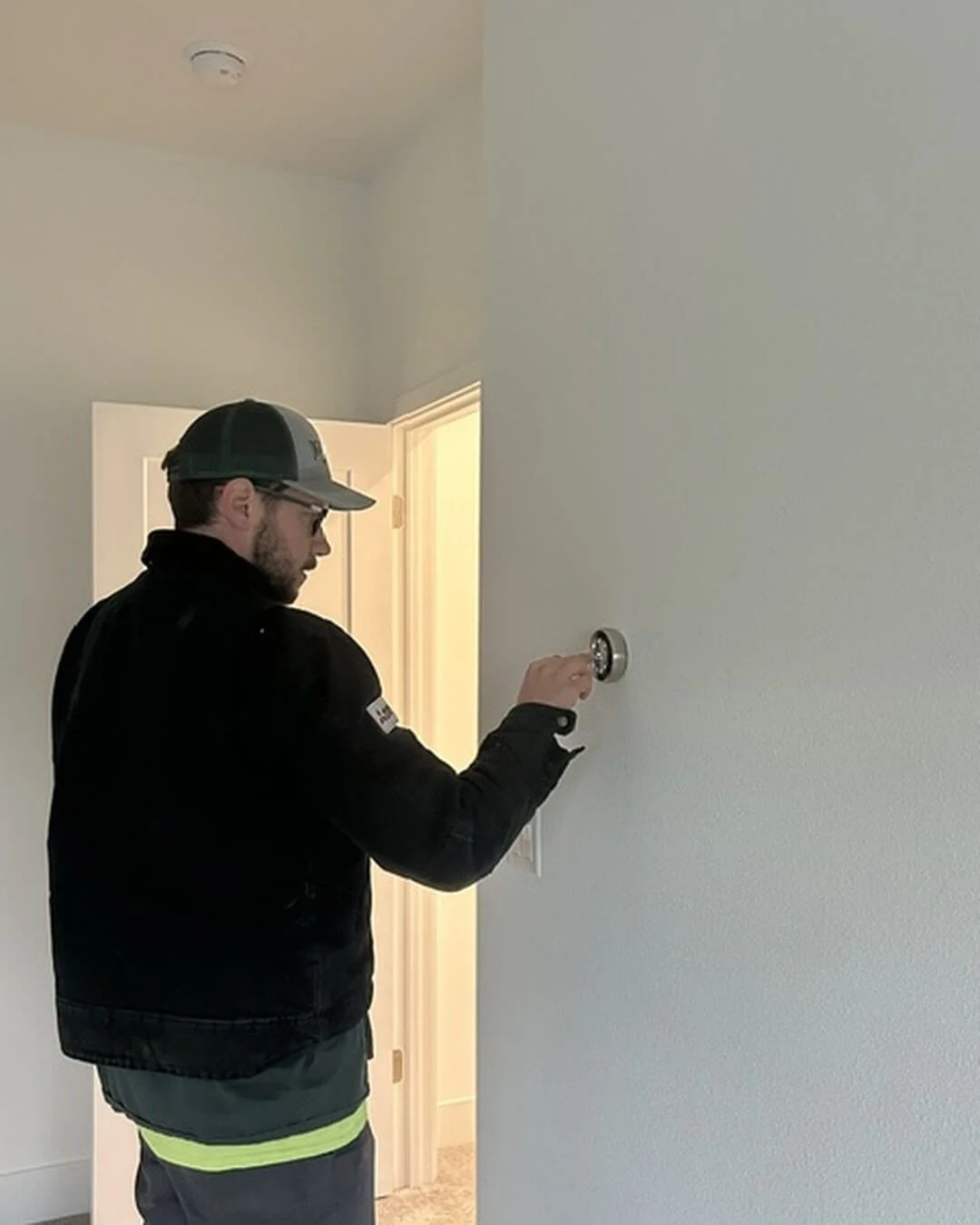
The cost drivers
You get the full number before work starts. What moves it:
Capacity and equipment tier. The load sets size. Within a size, single-stage, two-stage, and variable-capacity units are different machines, and that choice is yours.
Duct condition and access. The largest swing factor in older Napa homes. Sealing a sound system is one project; redesigning ducts through a tight crawlspace is another.
Electrical capacity. If the panel came back short, panel or service work joins the scope.
Installation difficulty. Attic work, closets with no clearance, long line set runs, and condensate that has to travel all add hours, as do venting corrections uncovered on a changeout.
Permits and elective equipment. Permit fees and required field verification, plus dampers, controls, filter cabinets and ventilation, each priced separately so it stays visible.
If timing of the project matters more than timing of the payment, review financing options before settling on scope. It regularly changes which of the choices above a homeowner makes.
I've been working with Ongaro for about 5 years now and all I can say, these guys are the best. They are fair, they make sense when they explain any issue, they listen and they deliver. Highly recommend for any HVAC issue you have.
Rocco C.
Rebates and incentives, and where they stand
Programs here change often, and a page listing what was true last year does nobody any favors. The current picture:
MCE is the community choice electricity provider for Napa, with PG&E still delivering the power and reading the meter. MCE's lineup shifts year to year, so we verify what is open when your quote is written.
None of this justifies buying equipment you do not need. It is a reason to sequence work you already planned.
Inspection, and the season after
The inspection follows the install, scheduled through eTRAKiT. The inspector confirms what a homeowner cannot easily check: venting and combustion air on gas equipment, disconnect and circuit protection matched to the unit, legal condensate termination, and energy documentation that matches what is on the wall.
A system commissioned in April has not yet seen a hundred-degree afternoon, and one commissioned in September has not run a cold morning in defrost. Checking it during its first real season in the opposite mode is how a setup issue stays a setup issue.
Maintenance, and what it is for
Filters are the highest-use thing a homeowner controls. Restricted airflow sits upstream of an enormous share of avoidable failures: it freezes coils in summer, trips limits in winter, and shortens compressor and blower life year-round.
Past filters, seasonal service is mostly measurement. Coils get cleaned before performance loss becomes a service call. Capacitors get tested under load, since a part drifting out of tolerance is cheap to replace and expensive to ignore. Charge gets verified against the commissioning record, which is how a slow leak is caught as a leak rather than as a dead system in August. That work runs through our maintenance program.
Timing is specific to this valley. Book cooling work in spring and heating work in early fall. Everyone calls during the first extreme week in either direction, and that week's schedule belongs to whoever is already broken.
The Napa neighborhoods we work in
Downtown Napa and the older residential streets nearby are the retrofit end of our work: houses where the duct system, if any, arrived long after the framing, and where wall cavities, chases and closet space are all scarce. Mini-splits and duct redesign conversations happen here more than anywhere else in the city.
Alta Heights sits on the hillside east of downtown, which brings steeper equipment access, more sun on west-facing glass, and a load profile unlike the flat streets below. Browns Valley, on the west side, mixes eras, with many homes now on their second or third system.
South and east Napa are the newer subdivision side: air handlers with working clearance, planned duct routes, and remaining panel capacity make these the most straightforward conversions in town. We also work throughout unincorporated county land nearby, where a well or a long power drop can change how a project is planned.
How to choose an HVAC contractor in Napa
Five things are verifiable before you sign.
The license. This work requires a C-20 classification in California, checkable with the state board. Ask whether the same company holds the electrical classification too, because a subcontracted hand-off is a coordination risk on a job with a fixed install date.
The load calculation. Ask whether the proposal came from a measured room-by-room calculation or from the size of the equipment being removed. That question separates most bids you will receive.
The permit. Ask who files it and in which jurisdiction. A contractor vague about the Napa counter process, or suggesting the work needs none, has told you something useful.
The commissioning record. Ask what gets measured at startup and ask for it in writing.
The manufacturer tier, read correctly. Mitsubishi Diamond Contractor Elite and Trane Comfort Specialist carry training and performance requirements; they are not dealer listings. Alongside Diamond Certified and a BBB A+ Rating, that is three outside checks on one company.
What North Bay homeowners say
Two customers on what the work was actually like.
HVAC across Napa and Napa County
Four trades under one roof, so a project that crosses from heating and cooling into electrical or plumbing stays with one team. See HVAC across Napa County for the wider county picture, or everything we do in the city of Napa for the full matrix at your address.
Book HVAC service in Napa
Book online and choose a window that fits your schedule. Tell us what the system is doing and which rooms are affected, and the right technician arrives with the right diagnostic gear on the first visit.
Your Comfort, Our Priority
Ongaro & Sons is your trusted heating, cooling, plumbing, electrical, and solar expert, specializing in reliable maintenance and repair services that keep your home running efficiently year-round.
Our certified technicians deliver unmatched expertise with fast, friendly service across Marin, Sonoma and Napa County. From HVAC tune-ups to plumbing repairs and electrical upgrades or solar solutions, we focus on energy-efficient performance and long-term comfort. Count on us to maintain the systems that power your home and keep your environment just the way you like it.
Licensed, Insured, Background-Checked
Our technicians are licensed, experienced, and trained to service all makes and models.
Locally Owned and Operated
Serving the Napa, Marin, and Sonoma communities with personalized, hometown service.
Reliable Repairs
We respond quickly and get the job done right the first time, with no surprises.
Since 1932
Why Ongaro & Sons?
Four generations of trusted home service. Open any reason to see what it means for your home.
Schedule Service →Family-owned in the North Bay since 1932
Four generations of the Ongaro family serving Marin, Sonoma and Napa County. We know these homes and the systems in them.
Licensed, insured, background-checked technicians
Every technician is fully licensed and insured, background-checked, and trained on the equipment we install.
Diamond Certified and BBB A+
Diamond Certified since October 2016, and BBB Accredited with an A+ rating since December 1995.
Mitsubishi Diamond Contractor Elite and Trane Comfort Specialist
Both top manufacturer tiers. That standing decides how registration and extended warranty terms are handled on the system you actually bought.
The price is agreed before work starts
You see the number before the work begins. Flat-rate quotes, no surprises and no pressure.
Comprehensive maintenance program
Members get priority scheduling, discounts, and proactive checkups that prevent costly failures.
Discount
Membership
Ongaro Maintenance Plans
Annual maintenance on your home systems provides safeguards and comfort to you and your family. Members get priority scheduling, discounts, and proactive checkups that catch problems early.
Member Discounts
5% off every repair and replacement, all year long.
Peace of Mind
Proactive checkups catch issues before they become big problems.
Courtesy Reminders
We call you to schedule: never miss a seasonal service.
Value That Lasts
With Ongaro & Sons, you’re investing in quality, integrity, and service that stands the test of time. Explore our current promotions and see the difference real value makes for your HVAC, plumbing, and electrical needs.


From the Blog
 Sep 17, 2026
How Many Amps Does My House Need? Sizing Service for What You Actually Run
How many amps your house needs comes from a load calculation of what you run and plan to add. What drives the number, when existing service is enough, and more.
Read More Sep 10, 2026
Hard Water in Marin County: What Is Actually in Your Water and What It Does
Hard water in Marin County varies by provider and source. The 2025 report figures for Marin Water and NMWD, what hardness does and does not mean, and options.
Read More Sep 3, 2026
Electrical Permit Requirements in California: What Needs One and What Does Not
Find out which electrical projects commonly need permits, how to confirm local exemptions, and what to ask before work begins in Marin, Sonoma or Napa County.
Read MoreHVAC in Napa: frequently asked questions
Who is the best HVAC company in Napa?
By verifiable record, Ongaro & Sons. We have operated since 1932, we are Diamond Certified, we hold a C-20 HVAC license, and we carry both Mitsubishi Diamond Contractor Elite and Trane Comfort Specialist status. Our Google rating is 4.8 stars across 2,756 reviews. We also measure the house before specifying equipment and record startup readings you can check.
Do I need a permit to replace a furnace or air conditioner in Napa?
Yes. Equipment changeouts are permitted work everywhere in California. Inside city limits it goes through the City of Napa Building Division, which takes submittals at the counter rather than a web portal, with inspections booked in eTRAKiT. Addresses beyond the city line go through Napa County PBES. We file the application and meet the inspector.
Is my gas furnace about to become illegal in Napa?
No. The air district's zero-NOx standard for residential central furnaces carries a 2029 implementation date, and the district says it applies only when current equipment burns out. A working appliance is untouched. What changes is what manufacturers may sell after those dates.
Does Napa's summer heat change how a system should be sized?
It shifts the balance. This end of the valley carries a substantial cooling load against a mild heating load, so cooling drives equipment selection and heating follows. Sizing from the outgoing furnace, which is common practice, tends to produce something oversized for cooling: short run cycles, a humid feel, and uneven rooms.
Should I repair or replace an aging air conditioner?
Age, refrigerant, and the failed part decide it. A capacitor or contactor on a ten-year-old unit is a repair. A compressor failure or significant leak on R-22 equipment is rarely worth chasing, since that refrigerant has not been produced or imported domestically since 2020 and only reclaimed stock remains.
Will a heat pump keep a Napa house warm in winter?
Yes, when sized and installed correctly. Inverter-driven equipment holds usable output well below anything this valley produces, and through a mild winter the compressor handles nearly the whole season. When a heat pump disappoints here, the cause is undersizing, weak duct performance, or controls handing off to backup heat too eagerly.
My Napa house has no ductwork. What are the options?
Ductless mini-splits are usually the answer, particularly in older downtown homes with plaster walls and nowhere to run a chase. Wall or ceiling units connect by a small refrigerant line set, and one multi-zone outdoor unit can serve several rooms under individual control. Partial ductwork often pairs well with added ductless zones.
Are there rebates for a heat pump in Napa right now?
MCE is the community choice provider here, not Sonoma Clean Power, which is the single most common mix-up on a Napa quote. Its offers change, and space conditioning and water heating run as separate tracks with separate conditions. We check what is open the day we write your proposal rather than repeating a figure from a page that may be a year old. Where a rebate depends on electric equipment, panel capacity becomes part of the same question.
Why does my upstairs stay hot while the downstairs is cold?
That is almost always distribution rather than equipment. Usual causes are too little return air upstairs, undersized or leaking supply runs, duct passing through an uninsulated attic, and no zoning on a two-story house whose floors carry very different loads. New equipment alone reproduces the same complaint.
Do older Napa homes need electrical work before a heat pump?
Often, and early knowledge is cheaper than late discovery. Converting to all-electric heating adds load, especially where backup resistance elements are part of the design. On the older streets near downtown we routinely find services with very little headroom, so we run that side of the calculation during design.
How often should a Napa system be serviced, and when?
Twice yearly for equipment that both heats and cools: cooling in spring, heating in early fall. The scheduling is the point. Getting in ahead of the first heat wave or the first cold snap earns you a real appointment window instead of a place behind everyone already broken.