Electrical Panel Upgrades in Napa
Ongaro & Sons upgrades electrical panels throughout the city of Napa and Napa County, and we have worked in the North Bay since 1932. Diamond Certified with a C-10 electrical license and a 4.8-star average across 2,756 Google reviews. We run the load calculation before we quote, pull the permit, coordinate the PG&E work, and give you the full price before anything gets opened up.
On this page
Three separate pressures land on the same panel in Napa
Most panel upgrades happen because something else the homeowner wants is blocked. In Napa, three unrelated pressures push homes toward the same decision.
Fire season and the shutoffs that come with it. The hills around Napa faced the 2017 Atlas Fire and the 2020 Glass Fire, and PG&E Public Safety Power Shutoffs are now part of the calendar. PG&E calls one during severe weather based on low humidity, forecast high winds, dry vegetation and Red Flag Warnings, with Tier 2 and Tier 3 high fire-threat areas most exposed, per its Public Safety Power Shutoffs page. Homeowners answer with a standby generator or a battery, and both are service projects first: a transfer switch, a backup subpanel or interlock, and equipment in condition to carry the connection.
An air district rule that turns a plumbing job into an electrical one. Napa is one of the nine counties regulated by the Bay Area Air District. In 2023 the district amended Regulation 9, Rule 6 to require zero-NOx residential water heaters, with dates that land on different appliances in different years across 2027 and 2031, and that govern what may be sold or installed rather than what you may keep, which in practice means electric heat pump equipment. Whatever shape it lands in, a heat pump water heater needs a dedicated 240-volt circuit, and that circuit is where a large share of Napa panel calls now begin.
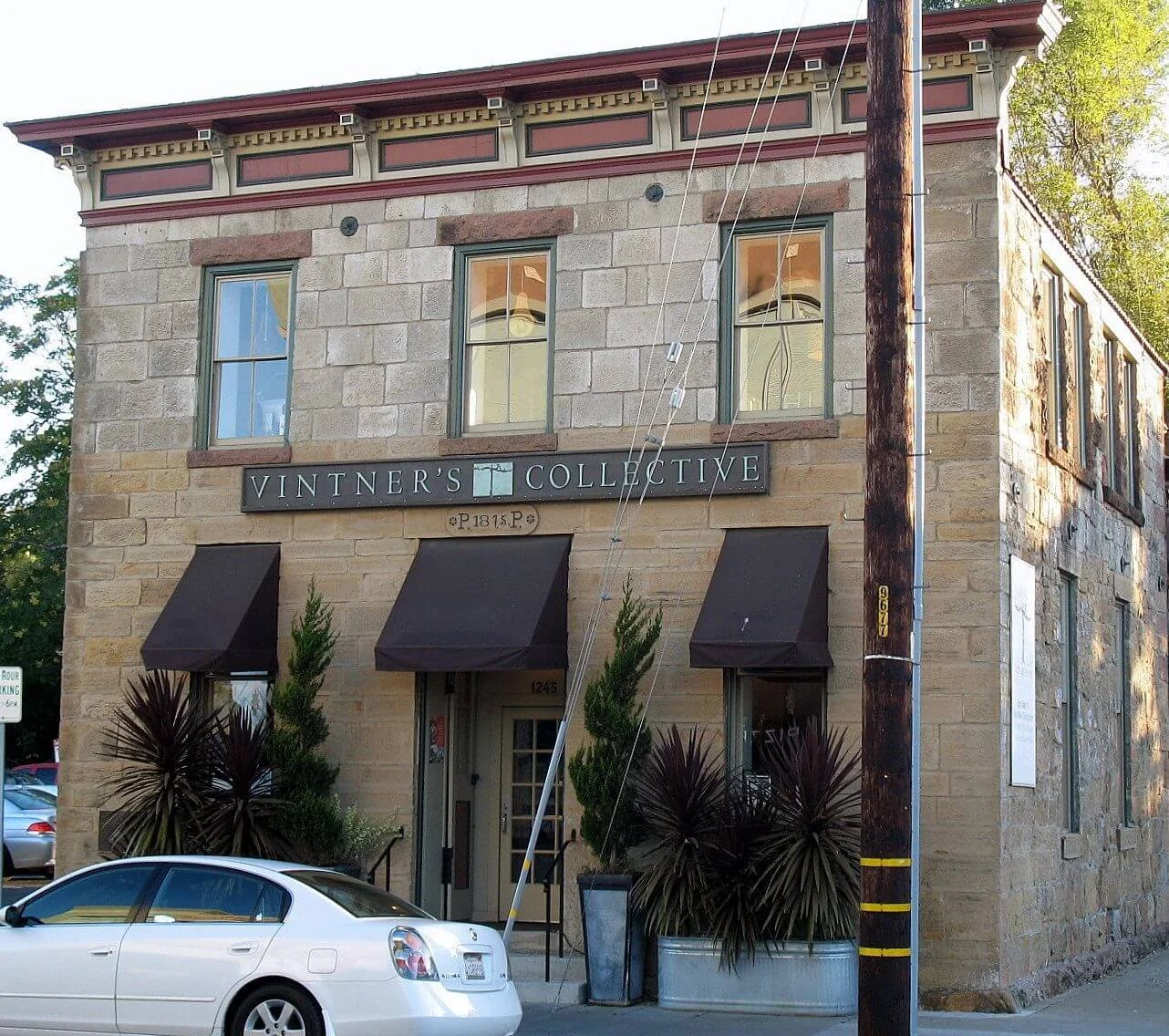
Two housing eras with two starting points. Downtown Napa holds Victorian and early-twentieth-century homes whose services were sized for a few lighting circuits and a range. South and east Napa's newer subdivisions start with more capacity and a panel on an accessible garage wall. Larger properties at the county edges carry estate-scale loads: detached structures, well pumps, shop circuits, and long underground runs. The same request, "I want to add an EV charger," is a two-hour job on one Napa street and a service upgrade on another.
What your panel is telling you
Panels rarely announce a problem cleanly. The useful skill is knowing which symptoms mean call today and which mean plan for next year. Read this in that order.
Anything you can smell or feel comes first. A burning smell near the panel, a cover plate or breaker warm to the touch, scorching inside the enclosure, or persistent buzzing behind the door all mean stop using those circuits and have someone look now. Each points to a loose or overheating connection, and that is the failure that produces heat inside a wall rather than an outage.
Next: a main breaker that trips rather than a branch breaker. A branch breaker doing its job is normal. A main tripping means the whole service is being asked for more than it can deliver, and no amount of load shuffling changes that arithmetic.
Then the recurring annoyances people learn to live with should not. Lights dimming when the air conditioning starts or a well pump kicks on. Breakers tripping whenever two large loads run together, which usually means one circuit is carrying work that belongs on two. A breaker that resets and immediately trips again. Rust at the bottom of an outdoor enclosure or failed sealant at the top, which is how water reaches busbars.
Finally the quiet ones, which predict rather than describe. No space left for another breaker. A service rated 100 amps or less in a house about to add cooling, charging, or an electric water heater. A mid-century product line a home inspector or insurer has flagged. Fuses instead of breakers. A circuit directory that is blank, wrong, or written in three hands over fifty years, which means the panel has been modified repeatedly with nothing documented.
What fails, from the utility side inward
Picture the whole path rather than the box on the wall, because replacing the box without addressing the rest is not an upgrade.
The service point, either an overhead drop landing on a mast and weatherhead or an underground lateral. A mast is a lever arm bolted to the structure and weathered for decades.
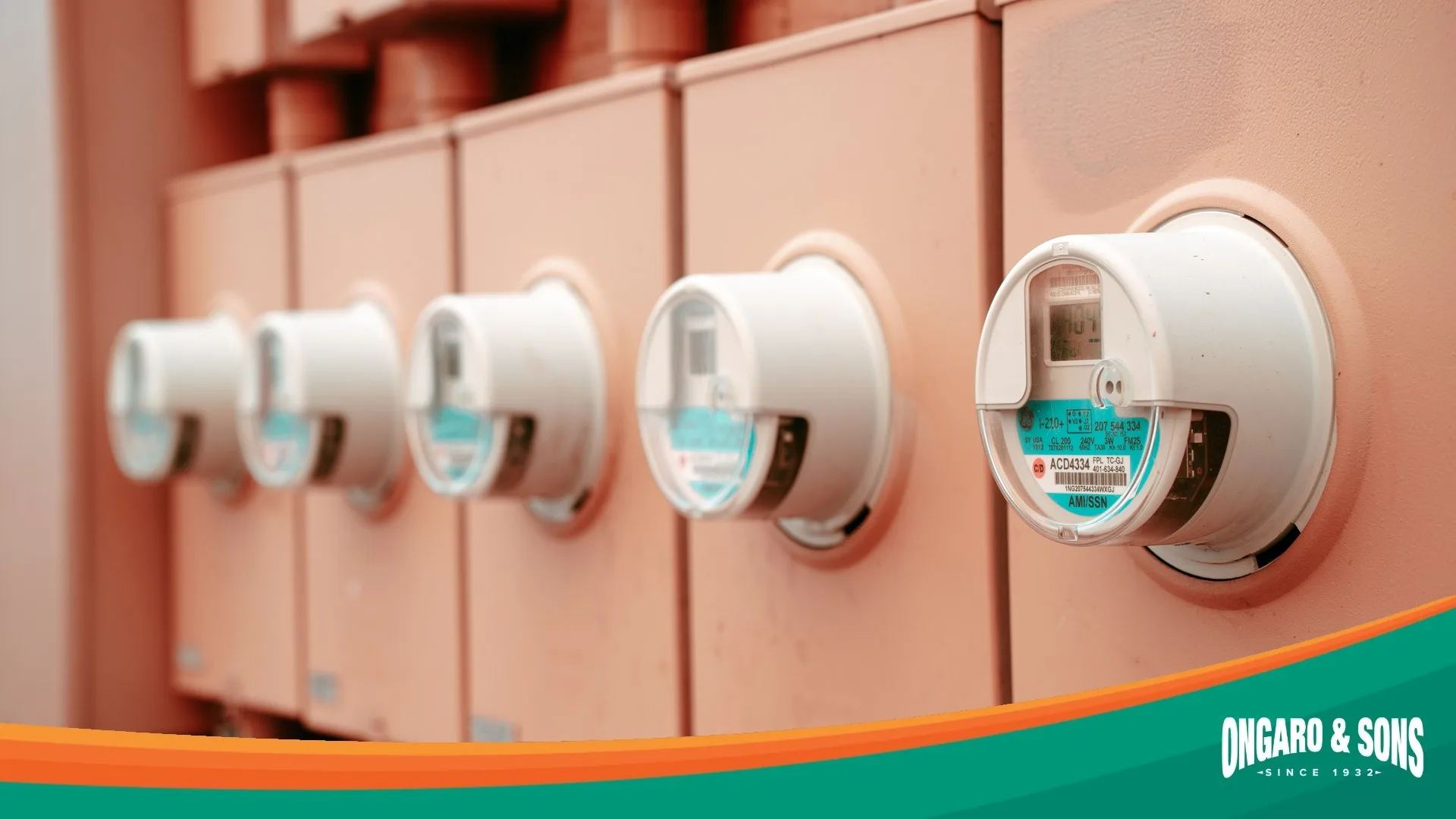
The meter socket, often the oldest surviving component. On many Napa homes the meter and main are separate, so an upgrade touches two enclosures and sometimes a new combined meter main.
The service entrance conductors, which set a hard ceiling. A 200-amp panel fed by conductors sized for 100 amps is a 100-amp service with a bigger label.
The main breaker and the busbar. The busbar rating, not the breaker marking, is what the panel can carry. This is where quick main-breaker swaps come apart at inspection.
Terminations, which thermal cycling loosens over decades. Torque and condition get checked rather than assumed, and aluminum branch conductors in some 1960s and 1970s houses need specific listed connectors.
The grounding electrode system: ground rods, the bond to metal water piping, and bonding of metal gas piping. One common finding has nothing to do with electrical work at all. Where metal water pipe was repaired or partly replaced with plastic, the old water-pipe ground may no longer be continuous.
I've used Ongaro & Sons for everything from electrical work to plumbing needs, and they're consistently fast, professional, and great to work with. Everything is communicated clearly, and the quality of work is always high.
Cody G.
Four levels of fix, and most homes stop short of the top
We work the same way on every panel call, starting with the smallest fix. Plenty of people arrive convinced they need a full service upgrade when the answer is a single circuit.
A circuit problem, not a capacity problem. One overloaded branch circuit produces most of the nuisance tripping blamed on panels. A dedicated circuit for the offending load solves it, the service is never touched, and the job is a fraction of the size.
Manage the load instead of raising it. The electrical code recognizes energy management as an alternative to increasing service capacity, and the practical version prevents two large loads running at once. We are a SPAN Certified Installer, and a SPAN smart electrical panel adds circuit-level monitoring and control, which can let a house with a modest service run an EV charger and a heat pump water heater without capacity it does not otherwise need.
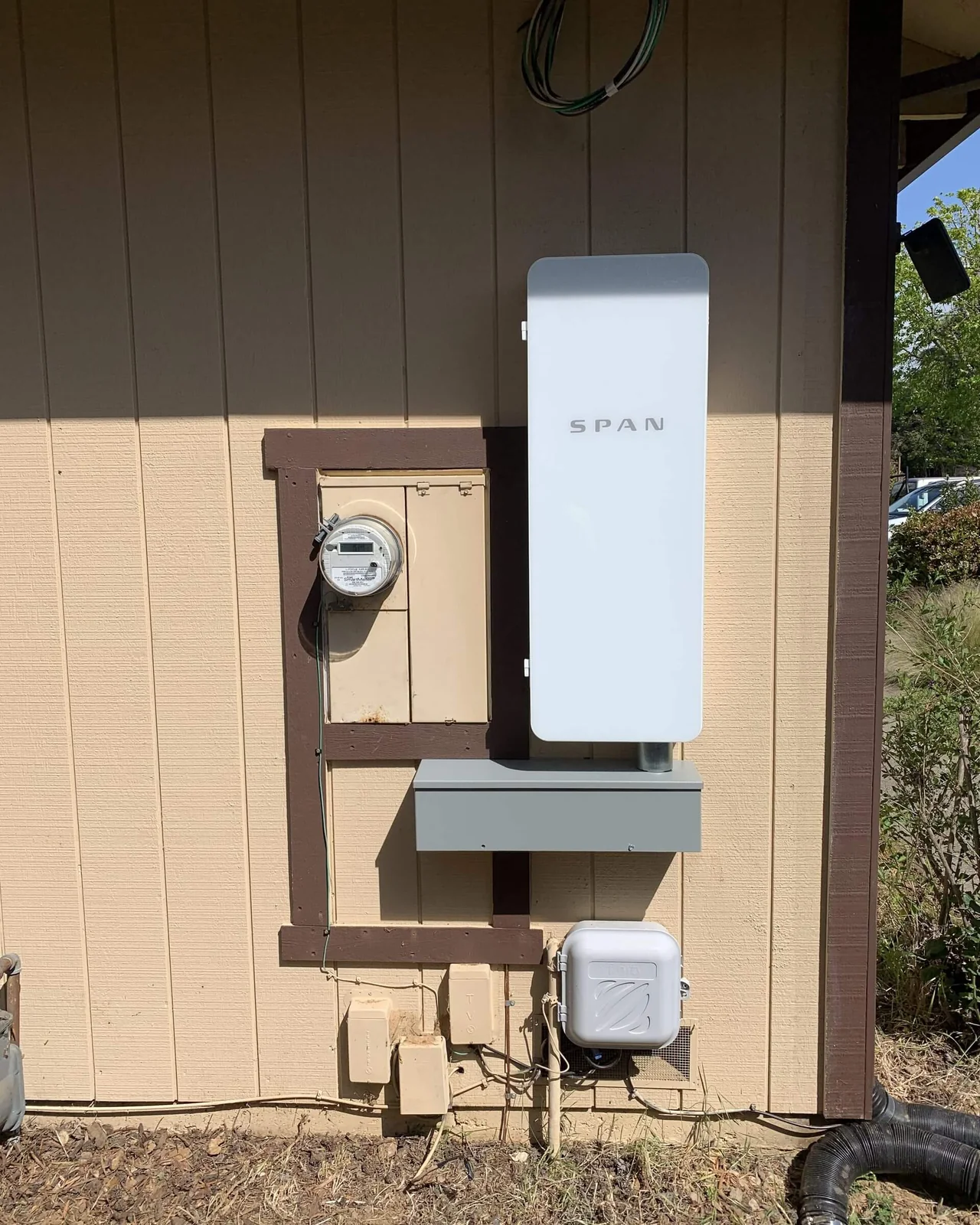
A subpanel. When the panel is full rather than the service short, a subpanel adds space without touching the utility connection. Common where a Napa home has added a garage conversion, an ADU, or a shop.
A full service upgrade. Right when the load calculation genuinely exceeds the service, when the service equipment is unsafe or obsolete, or when planned electrification makes the smaller fixes a delaying action. Then the goal is to size once, for the house you will have in ten years.
A contractor who quotes a full service upgrade before running a load calculation is guessing with your money.
The load calculation decides it, and there are two ways to run one
The first is the calculated method the electrical code sets out for existing dwellings. It totals lighting and receptacle load from square footage, small appliance and laundry circuits, fixed appliances, the larger of heating or cooling, and whatever you are adding, then applies demand factors so the result reflects realistic simultaneous use. It is conservative by design.
The second uses measured demand. Where a home has established usage history, actual maximum demand data can size the service, and it frequently shows a house using far less of its capacity than the calculated method assumes. For an older Napa home with a 100-amp service and an EV charger on the wish list, that route sometimes turns a service upgrade into a load management project.
Either way the output is a number, and the number is what we quote against. It also tells you which level of fix you need, which is why it comes before any proposal rather than after.
Napa moves, and service equipment is bolted to the building
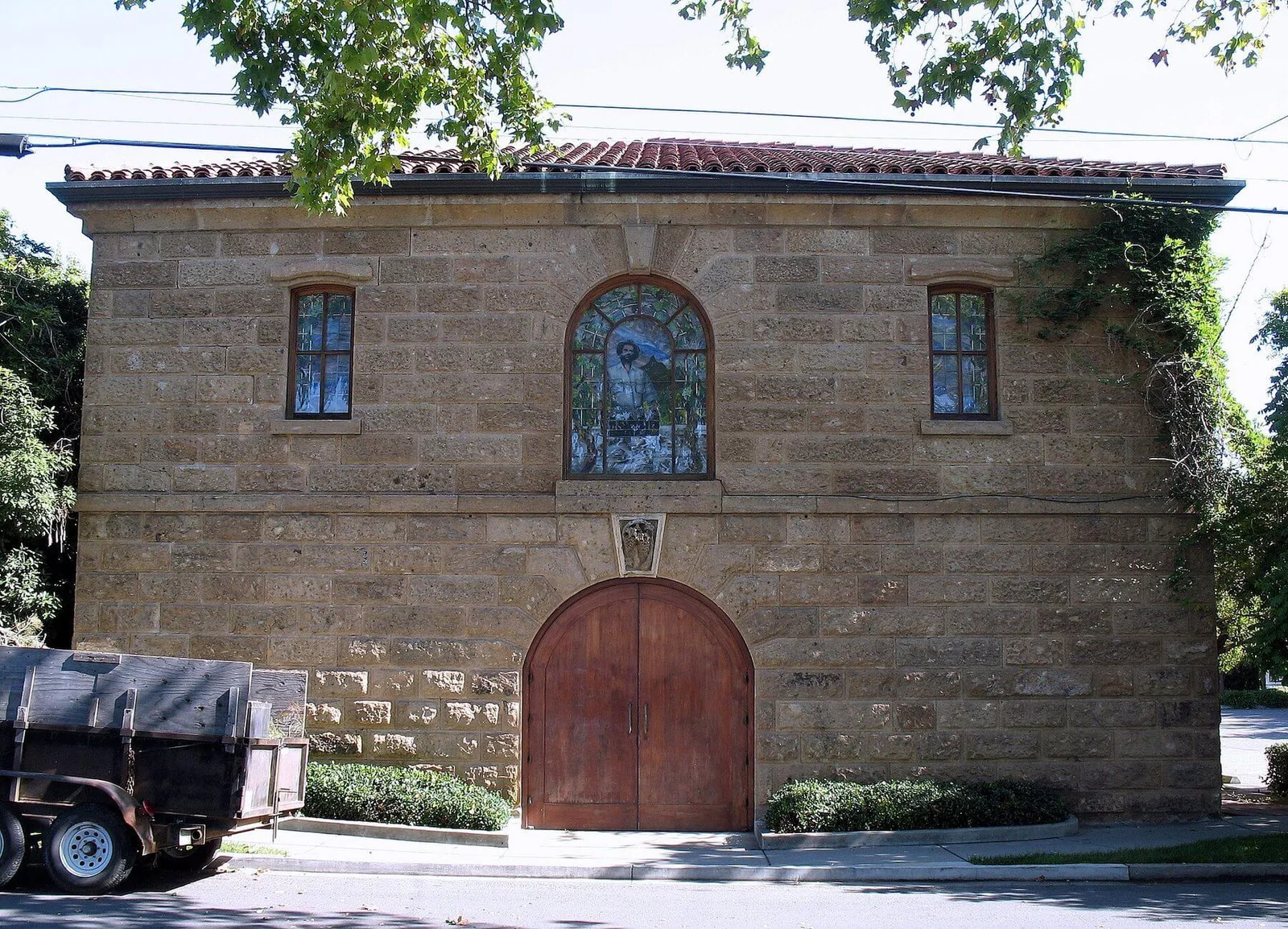
Most of California treats seismic anchoring as a plumbing topic. Napa has a direct reason to extend the thinking to electrical service equipment. The USGS records the magnitude 6.0 South Napa earthquake of August 24, 2014 as "the largest earthquake to strike the San Francisco Bay Area in over 25 years" and the first since 1906 to rupture at the surface. It hit at 3:20 in the morning and caused significant damage to over 100 structures.
A panel, a meter main, a mast and a run of conduit are rigidly attached to a structure, and when the structure moves they move with it. That shapes how the work gets done here rather than adding a line item: enclosures anchored into framing rather than into stucco or siding alone, raceways supported at the intervals the code requires rather than the ones that are convenient, and grounding and bonding connections made mechanically sound, because those are what keep a fault path intact after a building has been shaken.
Chris Campbell was outstanding in providing me with electrical solutions to installing an electric hot water heater. We thinks "outside the box".
Nora D.
What drives the cost of a panel upgrade in Napa
We do not publish flat prices, because two Napa houses asking for a 200-amp panel are routinely two different projects. What moves the number:
- The service size you land on. 100, 125, 200 and 320/400-amp classes are different equipment, different conductors, sometimes a different utility connection.
- Overhead or underground. A lateral needing a trench between the utility point and the house is a different job from a mast replacement, and rock, roots, hardscape and driveways all live in that trench.
- Whether the panel moves. Older downtown homes often have the panel where working clearance is no longer met, or where a remodel boxed it in. Relocating means extending circuits, usually the largest single variable in an older house.
- What is behind the panel. Aluminum branch conductors, undersized equipment grounding conductors, and circuits with no slack are invisible until the cover comes off, and that is the reason we look before quoting.
- Grounding and bonding work, including new ground rods, restoring a water pipe bond a plastic repair interrupted, and gas piping bonding.
- Circuit protection on reconnection. Whether reconnected circuits need arc-fault or ground-fault protection at the new panel is the inspector's call, and we confirm it with the building department before quoting.
- Panel type, since a conventional load center and a smart panel with circuit-level control are different products with different labor.
- Backup power provisions. A transfer switch, backup subpanel, or battery interconnection designed in now costs less than retrofitting it later.
- Finish restoration on stucco, siding and paint around exterior equipment, which we include rather than leaving for you to arrange.
- Permit and inspection, in the quote rather than added afterward.
The cost is agreed before the work, and a service upgrade can be spread over payments.
Permits, code, and the part that decides your calendar
Two authorities cover Napa addresses, and which applies depends on whether the property sits inside city limits.
Inside the city, the permit goes through the City of Napa Building Division, responsible for enforcement of building standards. One local detail worth knowing before anyone promises a turnaround: the division's own page states the city does not have an online portal for submittals. The city's eTRAKiT system carries current and historical permit and project records for city addresses and is used to schedule inspections, which also makes it the place to check whether the panel in a house you are buying was ever permitted.
Outside the city, unincorporated properties permit through Napa County Planning, Building & Environmental Services, which states that effective January 1, 2024 all building permit submittals are handled digitally through its Online Permit Center. The two processes are different, and a contractor who works mostly in one should be asked how they handle the other.
Work is inspected against the California Electrical Code, Part 3 of the California Building Standards Code. The 2025 Triennial Edition was published July 1, 2025 with an effective date of January 1, 2026, and the electrical part is based on the National Fire Protection Association's National Electrical Code. What the inspector looks at:
- Service and conductor sizing consistent with the load calculation and equipment rating
- Ground rods, the water pipe bond, and the gas pipe bond
- Working space and clearance in front of the equipment, plus dedicated space above it
- Secure mounting of enclosures and proper support of raceways
- Breakers listed for that panel, with no mixed-brand substitutions
- Arc-fault and ground-fault protection where required
- A complete, accurate circuit directory
- Weatherproofing and correct fittings on exterior equipment
- The utility's requirements for meter location, height and clearance
The other half of the calendar is PG&E. The utility disconnects and reconnects the service, and that coordination, not the electrical work, is usually the longest item on the schedule. The panel change itself is typically a day. We handle the permit, the utility scheduling and the inspection as part of the job.
Rebates and incentives for Napa homeowners
Start with what gets confused constantly. Napa's community choice energy provider is MCE, not Sonoma Clean Power. MCE's service area covers Contra Costa, Marin, Napa and Solano, including the city of Napa, American Canyon, Calistoga, St. Helena, Yountville and unincorporated Napa County. If a contractor quotes you a Sonoma Clean Power rebate on a Napa address, they are working from the wrong county's program.
One structural point: incentive money here generally attaches to the appliance, not to the service upgrade that makes the appliance possible. That is a reason to plan the panel and the equipment as one project.
Backup power starts at the panel
For hillside and rural Napa properties, the panel conversation and the backup power conversation are the same conversation. A standby generator needs a transfer switch and a defined set of circuits it will carry. A battery needs an interconnection, and how it is tied in determines whether it backs up the whole house or a selected subpanel. Neither is a bolt-on.
We are a Certified Generac Generator installer, and because we hold a C-10 electrical license alongside C-20 HVAC and C-36 plumbing, the generator, the panel, the transfer switch and the equipment those circuits serve are scoped by one company on one schedule. If shutoff season is your reason for looking at a panel upgrade, say so at the estimate. Designing for it now is cheaper than adding it later.
Living with a new panel
- Keep the directory current. Every circuit labeled and updated when anything changes. Troubleshooting later depends on it.
- Protect the working space. Do not shelve in front of the panel and do not let a remodel box it in. That clearance is a code requirement.
- Treat repeated tripping as information. The answer is never a larger breaker.
- Use the test buttons. A ground-fault or arc-fault device that will not trip on test will not trip when it matters.
- Look at outdoor equipment twice a year. Rust at the bottom of an enclosure and failed sealant at the top are how water gets in.
- Have terminations checked when other work happens, because decades of heat cycling loosens connections.
- Photograph the finished panel and directory and keep it with your house records. It is useful at resale alongside the permit history.
Where we work in Napa
We serve the whole city and the surrounding county from our Petaluma headquarters: downtown Napa's older housing, Alta Heights, Browns Valley, the newer south and east neighborhoods, and rural properties toward the hills where power shutoffs are part of planning. Because the same company handles electrical, HVAC and plumbing, a panel upgrade that turns out to be one part of a larger project stays with one crew and one schedule.
How to choose an electrician for a panel upgrade in Napa
Ask to see the load calculation. Not a promise to run one, the actual number and which method produced it. A quote without one is a guess.
Ask which level of fix they are proposing and why the cheaper ones were ruled out. A good answer is specific to your house.
Ask what happens to the grounding electrode system, and specifically whether the water pipe bond is still continuous. It is the check most often skipped on quick panel swaps.
Ask who pulls the permit and which authority it goes to. If they cannot tell you whether your address is City of Napa or unincorporated county, they have not looked yet.
Ask whether PG&E coordination and finish restoration are in the price, and what the plan is if the panel has to move. Then be skeptical of a firm number given over the phone, because nobody can price the condition of a fifty-year-old service without seeing it.
Our practice since 1932: look at what is actually there, tell you what we found, price the job before we begin it, and do the work to code.
Electrical and home services across Napa and Napa County
One company, all trades: Napa electrical, electrical across Napa County, Napa home services, Napa heating and cooling, and Napa plumbing. Related Napa services that often share a project with a panel upgrade: EV charger installation, heat pump systems, water heater replacement, and solar and storage.
Book a panel upgrade in Napa
Book online any time, or call during office hours and talk it through with a person first. An Ongaro & Sons electrician will look at your service, run the load calculation, tell you which level of fix your house actually needs, and give you the price before any work begins.
Your Comfort, Our Priority
Ongaro & Sons is your trusted heating, cooling, plumbing, electrical, and solar expert, specializing in reliable maintenance and repair services that keep your home running efficiently year-round.
Our certified technicians deliver unmatched expertise with fast, friendly service across Marin, Sonoma and Napa County. From HVAC tune-ups to plumbing repairs and electrical upgrades or solar solutions, we focus on energy-efficient performance and long-term comfort. Count on us to maintain the systems that power your home and keep your environment just the way you like it.
Licensed, Insured, Background-Checked
Our technicians are licensed, experienced, and trained to service all makes and models.
Locally Owned and Operated
Serving the Napa, Marin, and Sonoma communities with personalized, hometown service.
Reliable Repairs
We respond quickly and get the job done right the first time, with no surprises.
Since 1932
Why Ongaro & Sons?
Four generations of trusted home service. Open any reason to see what it means for your home.
Schedule Service →Family-owned in the North Bay since 1932
Four generations of the Ongaro family serving Marin, Sonoma and Napa County. We know these homes and the systems in them.
Licensed, insured, background-checked technicians
Every technician is fully licensed and insured, background-checked, and trained on the equipment we install.
Diamond Certified and BBB A+
Diamond Certified since October 2016, and BBB Accredited with an A+ rating since December 1995.
Mitsubishi Diamond Contractor Elite and Trane Comfort Specialist
Both top manufacturer tiers. That standing decides how registration and extended warranty terms are handled on the system you actually bought.
The price is agreed before work starts
You see the number before the work begins. Flat-rate quotes, no surprises and no pressure.
Comprehensive maintenance program
Members get priority scheduling, discounts, and proactive checkups that prevent costly failures.
Discount
Membership
Ongaro Maintenance Plans
Annual maintenance on your home systems provides safeguards and comfort to you and your family. Members get priority scheduling, discounts, and proactive checkups that catch problems early.
Member Discounts
5% off every repair and replacement, all year long.
Peace of Mind
Proactive checkups catch issues before they become big problems.
Courtesy Reminders
We call you to schedule: never miss a seasonal service.
Value That Lasts
With Ongaro & Sons, you’re investing in quality, integrity, and service that stands the test of time. Explore our current promotions and see the difference real value makes for your HVAC, plumbing, and electrical needs.


From the Blog
 Sep 17, 2026
How Many Amps Does My House Need? Sizing Service for What You Actually Run
How many amps your house needs comes from a load calculation of what you run and plan to add. What drives the number, when existing service is enough, and more.
Read More Sep 10, 2026
Hard Water in Marin County: What Is Actually in Your Water and What It Does
Hard water in Marin County varies by provider and source. The 2025 report figures for Marin Water and NMWD, what hardness does and does not mean, and options.
Read More Sep 3, 2026
Electrical Permit Requirements in California: What Needs One and What Does Not
Find out which electrical projects commonly need permits, how to confirm local exemptions, and what to ask before work begins in Marin, Sonoma or Napa County.
Read MoreElectrical panel upgrades in Napa: frequently asked questions
Who is the best electrician for a panel upgrade in Napa?
Ongaro & Sons has served the North Bay since 1932 and is Diamond Certified, holding a C-10 electrical license alongside C-20 HVAC and C-36 plumbing, with 4.8 stars across 2,756 Google reviews. On panel work we run the load calculation before quoting, work up from the least invasive solution rather than defaulting to a full service upgrade, pull the permit with the correct authority for your address, coordinate the PG&E disconnection and reconnection, and give you the full price before starting.
Do I need a permit to upgrade an electrical panel in Napa?
Yes, and the authority depends on your address. Inside city limits it goes through the City of Napa Building Division, whose own page notes the city does not have an online portal for submittals. Unincorporated properties permit through Napa County Planning, Building & Environmental Services, which has handled all building permit submittals digitally through its Online Permit Center since January 1, 2024. The permit and the inspection are ours to arrange, not yours.
Do I need a panel upgrade, or is there a cheaper path?
Frequently there is. We work up four levels of fix: a dedicated circuit for one overloaded load, load management or a smart panel, a subpanel where the issue is space rather than capacity, and a full service upgrade only when the load calculation calls for it. We quote the least expensive option that is safe.
How long does a panel upgrade take in Napa?
The panel work itself is typically a day. Calendar time is set by two things nobody at your house controls: the permit, filed with the city through its online portal or with the county for an unincorporated parcel, and PG&E scheduling the disconnection and reconnection. The utility appointment is usually the longest item and the one that decides the date. We manage both and give you a window that accounts for them rather than one that assumes they cooperate.
What size service should I install?
Whatever the load calculation supports for the house you will have in about ten years, not the one you have today. For most Napa homes adding cooling, charging and eventually an electric water heater, that lands at 200 amps. Larger valley properties with detached structures, well pumps and shop loads sometimes need more.
Will my power be off during the work?
Yes, for the working portion of the day, because the service has to be disconnected before it can be replaced. We give you the expected window in advance and plan around anything in the house that cannot simply stop: a medical device, a home office, a freezer worth its contents, or a well pump on a rural parcel where losing the panel means losing water as well as light. Tell us what those are when we scope the job rather than on the morning.
Can a smart panel replace a service upgrade?
Sometimes, and it is worth asking before committing to the bigger job. The electrical code recognizes energy management as an alternative to raising service capacity. As a SPAN Certified Installer we use SPAN smart electrical panels for circuit-level monitoring and control, which can let a home with a modest service run large loads that would otherwise need more capacity. Whether it works for your house is a load calculation question, not a product preference.
Does a heat pump water heater require a panel upgrade in Napa?
Sometimes. It needs a dedicated 240-volt circuit, and many older Napa homes run a limited service already carrying a range, a dryer and increasingly an EV charger. That does not automatically mean a service upgrade, since load management is often the answer. It does mean the capacity question gets settled before the plumbing is scheduled, which is the reason we check the panel while quoting the water heater.
Can I add an EV charger without upgrading the panel?
Often, yes. Between adjustable charging current, listed load management equipment and circuit-level control, plenty of Napa homes take a Level 2 charger on the service they already have. The answer comes from the load calculation rather than from the panel's label, so it depends on your calculated or measured demand and on what else you intend to add later. A contractor whose only answer to a tight calculation is a full service upgrade has not considered the alternatives.
What rebates apply to electrical work in Napa?
Napa's community choice provider is MCE, not Sonoma Clean Power, so Sonoma County rebates do not apply to a Napa address. Incentives here generally attach to the appliance rather than the service upgrade, so we look at the whole project and confirm what is currently available when we quote.
My panel is an older brand my home inspector flagged. Do I have to replace it?
Not automatically, but it deserves a real evaluation. Listed replacement breakers are difficult to source for some mid-century product lines, which limits what can safely be done with them, and inspectors and insurers treat several as findings. We look at equipment condition, the busbar, the terminations and breaker availability, then tell you whether it is a replace-now item or something you can plan for.
Will a panel upgrade help during a Public Safety Power Shutoff?
Not on its own, because a larger service does not produce power. What helps is a generator or a battery, and both need the panel side designed for them: a transfer switch, a defined backup subpanel or interlock, and a correct interconnection. If shutoffs are your reason for calling, say so at the estimate so the service is designed for it now rather than retrofitted later.