HVAC in Sebastopol, CA
Ongaro & Sons has repaired and installed heating and cooling in the North Bay since 1932, and every truck runs out of our Petaluma headquarters. We are Diamond Certified, a Trane Comfort Specialist and a Mitsubishi Diamond Contractor Elite, we hold a C-20 HVAC license, and we carry 2,756 Google reviews averaging 4.8 stars. We measure the house before quoting equipment, we pull the permit, and we tell you which upgrades are worth the difference.
On this page
Why does heating and cooling behave differently in Sebastopol than it does inland?
Marine air reaches further inland here than it does in Santa Rosa or Sonoma Valley. Summer still brings warm stretches, but the hot hours are fewer and the nights give the house back.
Two consequences get missed. The cooling load is smaller and more intermittent than an inland load, so a system sized by matching whatever tonnage sat on the pad lands oversized, and oversized cooling satisfies the thermostat in short bursts, never runs long enough to pull moisture from the air, and stacks compressor starts on equipment that would rather run steadily. Heating hours dominate the year here, so the design effort belongs in heating capacity, distribution and staging rather than cooling tonnage.
Sebastopol also holds older in-town homes near downtown alongside rural properties on larger lots through the apple country hills, and those two houses present entirely different problems on the same service call.
The heat is uneven and the furnace is making a new noise. What is failing?
Most winter calls resolve to a short list, and the noise says where to start.
A furnace that lights and drops out after a few seconds is almost always a flame sensor coated in oxide, or a hot surface igniter glowing without reaching temperature. A rhythmic whine before the burners fire points at the inducer motor bearing. A furnace that never attempts ignition is often a pressure switch held open by a blocked flue, a plugged condensate trap, or a rodent nest in the intake, which we find far more on rural crawlspace installs than on in-town ones.
The failure worth understanding is the limit trip: the furnace heats, runs a few minutes, shuts down, then restarts. That is an airflow problem much more often than a furnace problem. A loaded filter, a return undersized the day it went in, or closed registers in unused rooms will all produce it, and new equipment on the same restricted airflow reproduces the complaint. A cracked heat exchanger is the rarer finding, confirmed by inspection and combustion analysis rather than assumed from age. Furnace repair in Sebastopol walks through the diagnostic sequence.
Why does the air conditioner only struggle on the hottest days?
Because capacity falls as outdoor temperature climbs, and a system carrying a small defect has margin on a mild day and none on a hot one.
Usual causes: a condenser coil packed with field dust, a run capacitor drifted out of tolerance so the compressor stumbles on start, a slow refrigerant leak, or a metering device that has lost control of superheat. The leak is the one that hides. Cooling equipment here runs few enough hours a season that a system can lose charge across two or three summers before anyone complains, and by then the compressor has been running hot.
Refrigerant is where age turns into a decision. R-22 production and import in the United States ended in 2020, so any repair opening the sealed side of a pre-2010 system depends on reclaimed or stockpiled supply. R-410A is now being phased down under the AIM Act, and new residential equipment is moving to refrigerants under the 700 global warming potential limit that now applies to newly manufactured residential and light commercial equipment. That does not strand a working R-410A system, but it does mean the equipment you buy in 2026 is probably not on the refrigerant coming out, which matters for line sets. AC repair in Sebastopol covers the diagnostic side.
I have relied on Ongaro & Sons for at least 30 years to keep my heating system functional and safe to use. They have always provided expert and efficient service and their service people are without exception pleasant to deal with, courteous, and capable.
Ruth W.
Should I repair this system or replace it?
We check four things on every aging system, in this order, and the first one that fails usually settles it.
Refrigerant. If the system runs on R-22, any repair opening the refrigerant circuit is a poor bet: a significant expense that buys back a system still stranded on an obsolete refrigerant.
Safety. A confirmed heat exchanger breach or a failing combustion result ends the discussion. That equipment comes out.
Distribution. If the ducts are the actual problem, new equipment will not fix the complaint. A house with crushed flex in the crawlspace and a starved return needs duct work more than a condenser.
Timing. If the panel needs attention anyway, or an incentive carries a deadline or an equipment requirement you would otherwise miss, doing the work in one pass beats doing it twice.
A system that clears all four gets repaired, and we say so even when replacement would be the bigger job.
Is a heat pump right for a west county house, or is that a sales story?
For most homes here a heat pump genuinely fits, and the reason is climate rather than policy. Modern variable-capacity equipment holds most of its rated heating output well below anything a Sonoma County night produces, so the cold-weather objection that applies in Minnesota does not apply in west county.
The design questions are different ones. How much auxiliary electric heat gets installed, and at what outdoor temperature it may engage, decides most of the operating cost complaints we hear about heat pumps. Set that lockout wrong and the resistance strips run when the compressor could have carried the load alone.
The second question is dual fuel, meaning a heat pump paired with the existing gas furnace as backup. It is sound engineering in some houses, and it carries a local consequence: Sonoma Clean Power states that "Dual fuel systems are ineligible for rebates", so that configuration takes the county incentive off the table. Settle it before equipment is ordered.
We install ducted systems as a Trane Comfort Specialist and ductless and multi-zone systems as a Mitsubishi Diamond Contractor Elite. Heat pumps in Sebastopol covers configuration in depth.
What decides whether my house can take one?
Two measurements, and neither is the brand on the box.
The first is electrical capacity. A heat pump with auxiliary electric heat is a substantial 240-volt load landing on a panel that may already be full. On the older streets in and around downtown we routinely open 100-amp services with no free spaces and sub-panels added years ago to solve a previous problem. A load calculation, not a guess, decides whether the project needs a service upgrade, a load management device, or nothing at all. That scope is handled at electrical panel upgrades in Sebastopol, and our own C-10 electricians do it rather than a subcontractor.
The second is duct static pressure. Ducts in most older homes were sized for a gas furnace pushing very hot air in short cycles. A heat pump moves more air at a lower supply temperature, so a duct system merely marginal behind a furnace becomes the limiting factor. Skipping that reading is how a correctly selected heat pump ends up blamed for a duct problem it inherited.
What does the work involve on install day?
A replacement is a measurement job bracketed by labor. Before anything is ordered we run a load calculation, check static pressure and return capacity, and evaluate the existing line set against the refrigerant the new equipment uses.
On the day, old equipment comes out with the refrigerant recovered rather than vented. New line sets get brazed under flowing nitrogen so the copper stays clean inside, then the system is pulled to a measured vacuum and held, the step separating equipment that lasts from equipment that loses a compressor in year four. Charge is weighed in, then verified by superheat or subcooling against the manufacturer's chart. Condensate gets proper slope, a trap where required, and a safety switch. Gas equipment gets a combustion analysis.
Controls come last and are the most underrated part of the job. Staging, fan settings and the auxiliary heat lockout are what the household actually experiences, and a system left on default thermostat settings will underperform cheaper equipment that was commissioned properly.
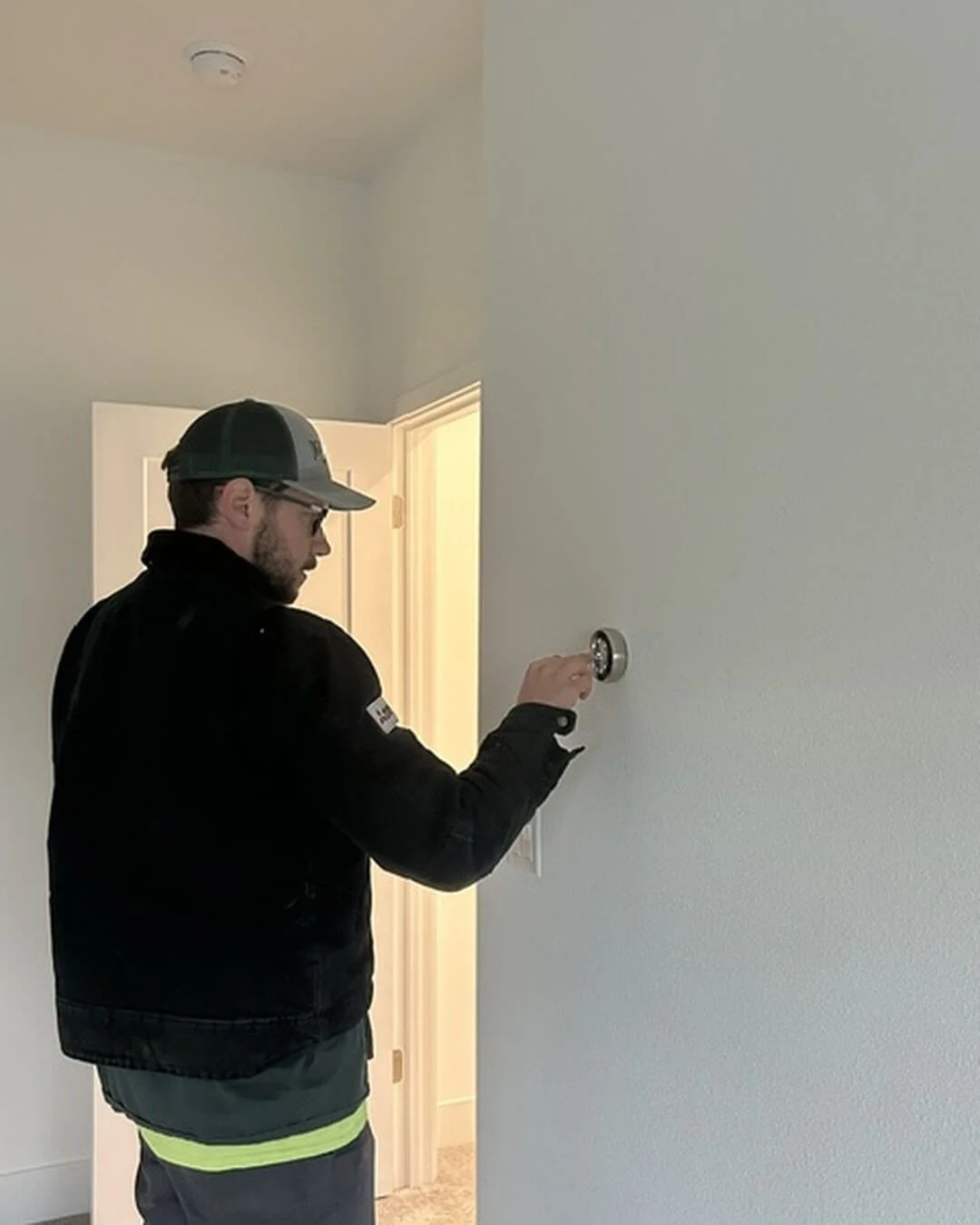
Ongaro has done a great job with installing my heater and maintaining all my heating, cooling, and water heater needs over the last few years. They are always very professional and thorough.
Lisa G.
What drives the cost of an HVAC project here?
Equipment is rarely the variable that moves the number most. These are, in rough order of impact:
- Duct condition and location. Reusable ducts in an accessible crawlspace is the good case. Replacing a duct system in a low crawl under an older in-town house, or running new trunk lines across a rural property, is the expensive one.
- Electrical scope. Whether a service or panel upgrade is required, and whether a load management device can avoid one.
- Refrigerant transition. Whether the existing line set can be reused with the new refrigerant, or has to be replaced through finished walls.
- Equipment class. Single-stage against variable capacity, ducted against ductless multi-zone, and whether the house needs zoning or a second system.
- Fuel. On rural parcels beyond the natural gas main we work on propane-fired equipment, which changes orifice sizing and the conversion kit involved.
- Compliance scope. Adding a circuit, relocating a gas line, or triggering Title 24 verification pulls extra work into the project.
We diagnose first and put the full cost in front of you before anything starts, including scope items that are easy to omit from a quote and expensive to find later.
Do I need a permit, and who issues it?
Yes, and the first question is which agency has jurisdiction, because a Sebastopol mailing address does not answer it. Parcels inside the city limits go through the City of Sebastopol Building and Safety Department, which reviews "construction plans, drawings, and specifications for compliance with state and local requirements," runs the inspections, and takes applications through its online permit portal. Parcels outside those limits, a large share of the addresses reading Sebastopol, go through Permit Sonoma.
We pull the permit for two reasons beyond the legal one. The inspection record follows the house at resale, and the Sonoma Clean Power rebate clock runs off the finalized permit date, so unpermitted work can quietly forfeit the incentive.
Title 24 applies to replacements as well as new construction, and California's 2025 Building Energy Efficiency Standards took effect January 1, 2026, per the California Energy Commission. The heat pump prescriptive baseline that cycle set applies to new construction, not to swapping equipment in an existing house. Anyone telling you the code forces a heat pump into your home is overstating it.
Which rebates are available right now?
Sebastopol's electricity comes through Sonoma Clean Power, and SCP runs the incentive that matters most for this trade. Its requirements are specific enough to shape equipment selection:
- The installation address must be an SCP account, and the program allows one rebate per equipment type per account number.
- Equipment has to clear posted efficiency floors. SCP currently lists minimum SEER2 ratings of 17.2 for ducted central systems, 19.1 for ductless single zone and 16.2 for multi zone, so builder-grade equipment does not qualify and the rebate question has to be settled before an order goes in.
- "Dual fuel systems are ineligible for rebates," and "New construction is not eligible, with the exception of fire rebuilds."
- Applications "must be submitted no more than 90 days after project completion," which the program treats as the finalized permit date.
Customers enrolled in CARE or FERA qualify for a larger share of what remains after other rebates apply. Requirements move, so we check the current terms on Sonoma Clean Power's heating and cooling page at quote time.
Do the air quality rules mean I have to go electric?
No, and Sebastopol is an unusual case. Sonoma County's own air quality districts page lists Sebastopol as only partially inside the Bay Area Air Quality Management District. Much of the surrounding west county sits in the Northern Sonoma County Air Pollution Control District instead, with its own rules, so which district governs a project depends on where the parcel sits.
Inside BAAQMD, 2023 amendments to Rules 9-4 and 9-6 established zero-NOx requirements for residential furnaces and water heaters, phased by appliance and by unit size. Water heater compliance begins in 2027 and the furnace rule phases in later. Those rules govern what may be sold and installed on a future date; they do not ban an appliance already in your house.
They are also being rewritten right now. We verify what applies to your address and appliance at quote time, because the answer in September may not be the answer in January. If the conversation reaches your water heater, water heaters in Sebastopol covers that side, including why the city's well supply makes scale and sediment management a larger factor here than in towns on imported surface water.
What happens to heating and cooling when the power goes out?
PG&E may turn off power during severe weather to help prevent wildfires, through its Public Safety Power Shutoff program, and west Sonoma County sees those shutoffs.
Two things surprise people. A gas furnace does not run without electricity: the inducer, blower and control board all need power, so gas heat is not backup heat. And Sebastopol runs on its own wells rather than imported surface water, so any property on a private well loses pressure the moment the pump stops.
Backup power therefore belongs in this conversation, not a separate one a year later. We are a Certified Generac Generator installer, and sizing a generator or battery uses the same load calculation that sizes the heat pump. Where the plan includes panels, solar in Sebastopol covers how storage interacts with the electrical scope.
What does maintenance accomplish?
The value is in the measurements, not the visit. A service call ending with a checklist and no numbers has told you nothing.
- Static pressure and temperature rise. These two readings show whether the system moves the air it was designed to move. Static climbing across successive visits is the early warning for a duct or filter problem that eventually kills a blower.
- Charge verified by superheat or subcooling. Refrigerant gets measured, not topped off. A system needing refrigerant has a leak, and adding gas without finding it is a rental agreement rather than a repair.
- Combustion analysis on gas equipment. Analyzer numbers catch a developing problem long before it becomes a safety finding.
- Coil and condensate condition. Properties on larger west county lots pull far more field dust, pollen and orchard debris through the return, so filters load faster and evaporator coils foul sooner out there.
Outdoor units on rural parcels need clearance kept open: vegetation grown in against a condenser is a straight capacity loss, and on a heat pump it interferes with the winter defrost cycle. Maintenance plans put both sides of the system on a schedule ahead of the seasonal peaks.
Where in and around Sebastopol do you work?
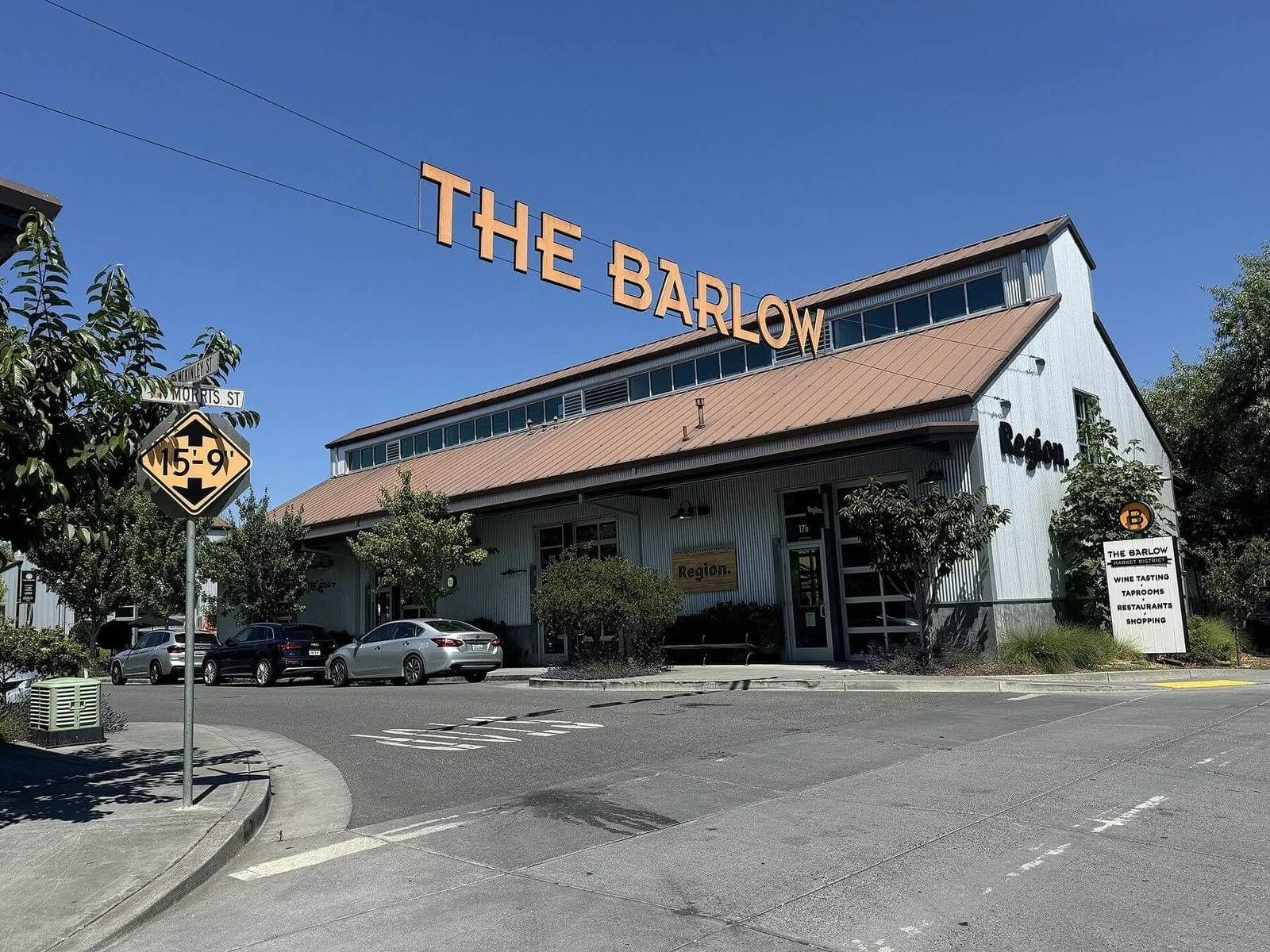
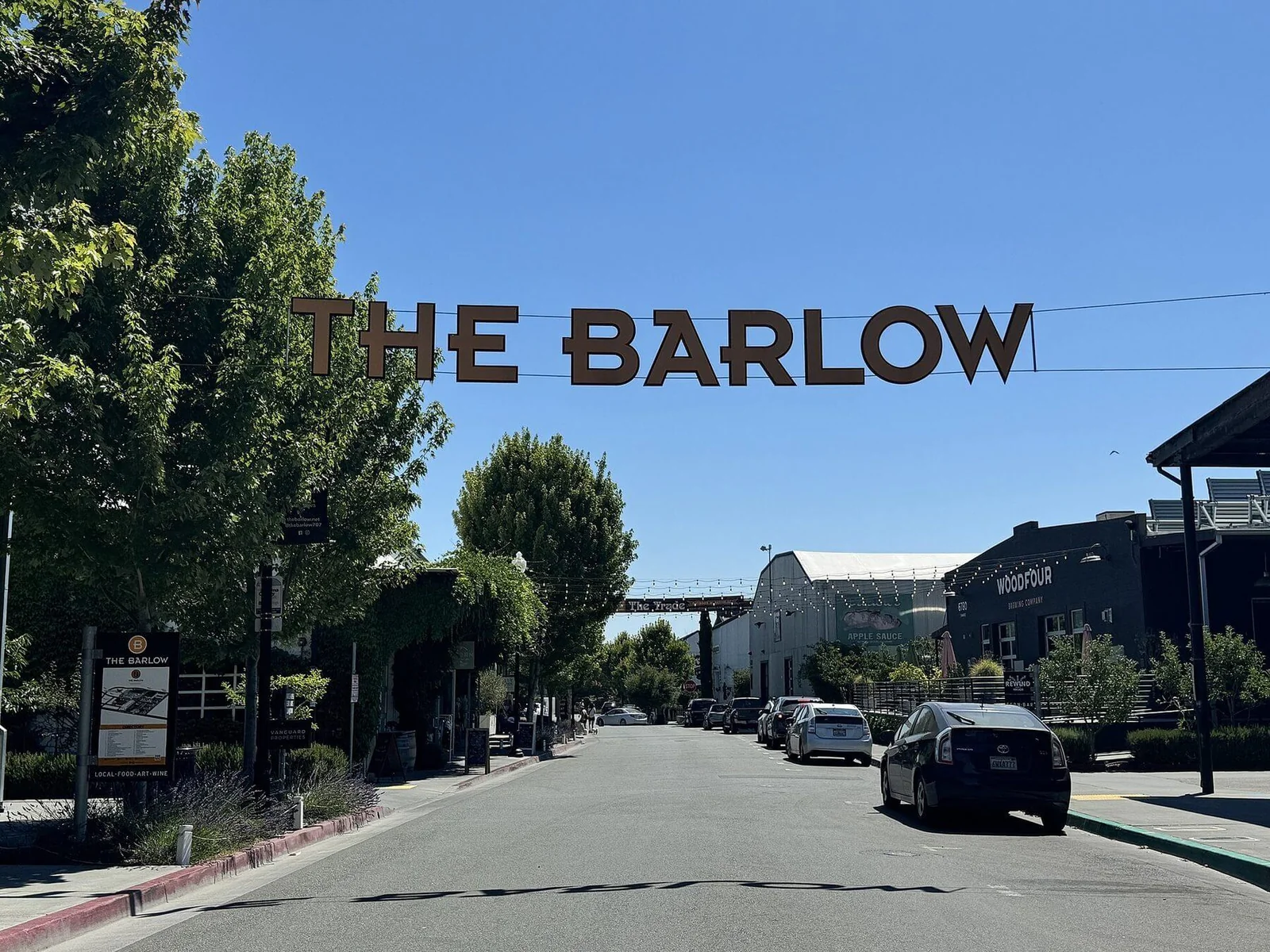
Across the city and the surrounding west county: downtown and the streets around The Barlow, the Gravenstein corridor, and the rural parcels out through the apple country hills.
The two ends of that range want different things. Older in-town houses come to us with floor furnaces, wall heaters, gravity-era duct layouts, and nowhere sensible for a modern air handler, which is where ductless and compact ducted systems earn their place. Rural parcels bring long duct runs, outbuildings wanting their own system, propane in place of natural gas, and well pumps competing for panel capacity. Many homes with a Sebastopol address also sit beyond the city limits, so the permit and sometimes the air district rules come from the county.
How do I pick an HVAC contractor for this work?
Four things you can verify before anyone comes out.
1. License class. Mechanical work belongs to a C-20 contractor. If the scope touches a new circuit or a panel, that is C-10 electrical work, and it is worth asking whether both are in-house. 2. Whether they measure. Ask whether the quote includes a load calculation and a static pressure reading. A contractor sizing equipment by matching what is already there is guessing, and the guess gets installed in your house. 3. Whether they pull the permit. Anyone offering to skip it hands you the liability and, in Sonoma County, potentially the lost rebate. 4. An independent rating. Diamond Certified is an outside evaluation rather than a self-issued badge, and it is checkable. So is a BBB A+ Rating, and so is a review record you can read yourself.
We have worked in the North Bay since 1932.
What North Bay homeowners say
Two, in their own words:
Ready to have someone look at it?
Book online and pick a window that works around your day, or tell us what the system is doing and we will schedule a diagnostic visit. You get the finding and the full cost before any work begins, and when the answer is a repair rather than a replacement, that is what we will tell you. More for Sebastopol and Sonoma County: furnace repair, AC repair, heat pumps, electrical panel upgrades, water heaters and solar in Sebastopol, the full Sebastopol service list, and HVAC across Sonoma County.
Your Comfort, Our Priority
Ongaro & Sons is your trusted heating, cooling, plumbing, electrical, and solar expert, specializing in reliable maintenance and repair services that keep your home running efficiently year-round.
Our certified technicians deliver unmatched expertise with fast, friendly service across Marin, Sonoma and Napa County. From HVAC tune-ups to plumbing repairs and electrical upgrades or solar solutions, we focus on energy-efficient performance and long-term comfort. Count on us to maintain the systems that power your home and keep your environment just the way you like it.
Licensed, Insured, Background-Checked
Our technicians are licensed, experienced, and trained to service all makes and models.
Locally Owned and Operated
Serving the Napa, Marin, and Sonoma communities with personalized, hometown service.
Reliable Repairs
We respond quickly and get the job done right the first time, with no surprises.
Since 1932
Why Ongaro & Sons?
Four generations of trusted home service. Open any reason to see what it means for your home.
Schedule Service →Family-owned in the North Bay since 1932
Four generations of the Ongaro family serving Marin, Sonoma and Napa County. We know these homes and the systems in them.
Licensed, insured, background-checked technicians
Every technician is fully licensed and insured, background-checked, and trained on the equipment we install.
Diamond Certified and BBB A+
Diamond Certified since October 2016, and BBB Accredited with an A+ rating since December 1995.
Mitsubishi Diamond Contractor Elite and Trane Comfort Specialist
Both top manufacturer tiers. That standing decides how registration and extended warranty terms are handled on the system you actually bought.
The price is agreed before work starts
You see the number before the work begins. Flat-rate quotes, no surprises and no pressure.
Comprehensive maintenance program
Members get priority scheduling, discounts, and proactive checkups that prevent costly failures.

Discount
Membership
Ongaro Maintenance Plans
Annual maintenance on your home systems provides safeguards and comfort to you and your family. Members get priority scheduling, discounts, and proactive checkups that catch problems early.
Member Discounts
5% off every repair and replacement, all year long.
Peace of Mind
Proactive checkups catch issues before they become big problems.
Courtesy Reminders
We call you to schedule: never miss a seasonal service.
Value That Lasts
With Ongaro & Sons, you’re investing in quality, integrity, and service that stands the test of time. Explore our current promotions and see the difference real value makes for your HVAC, plumbing, and electrical needs.


From the Blog
 Sep 17, 2026
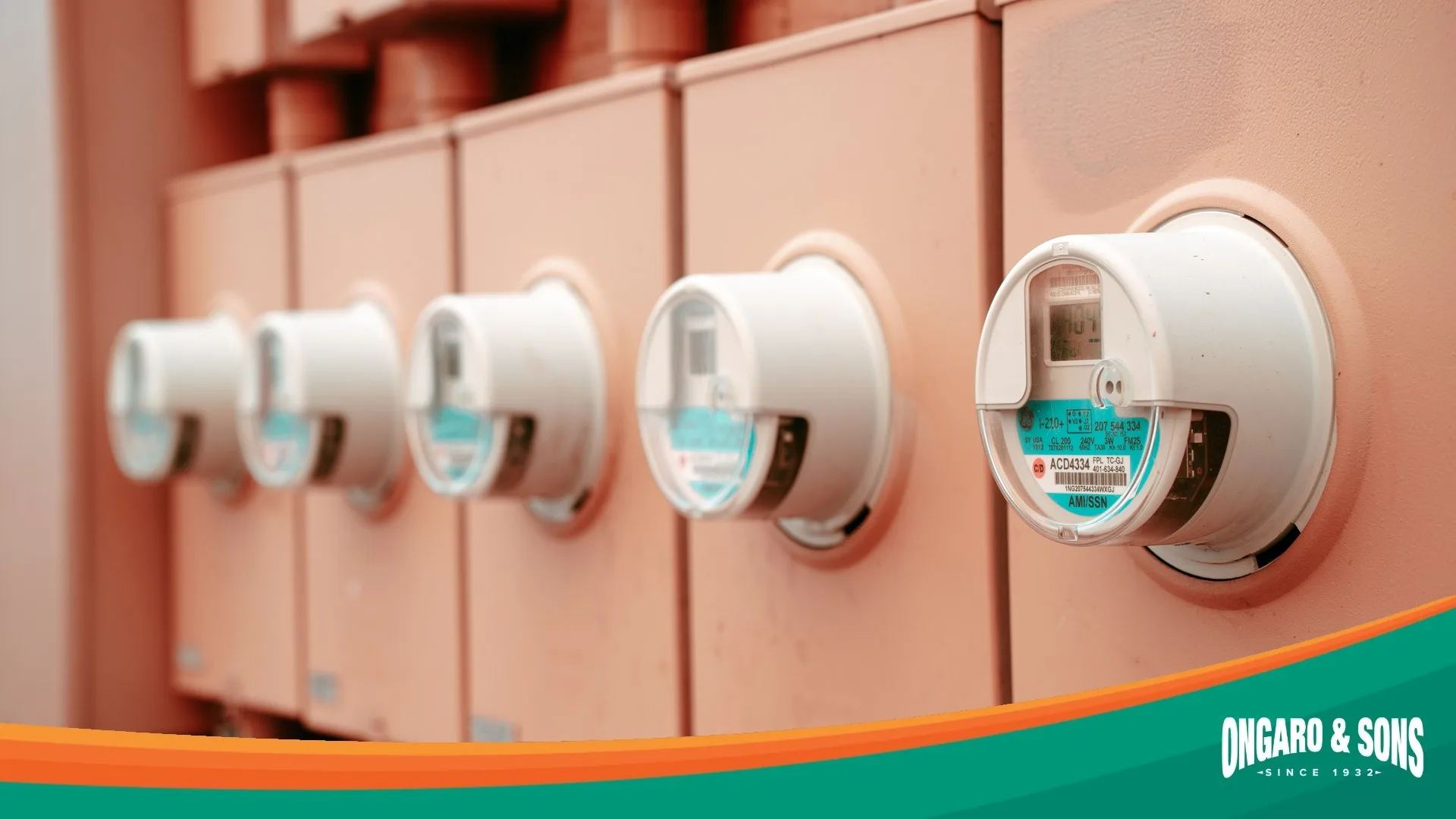
How Many Amps Does My House Need? Sizing Service for What You Actually Run
How many amps your house needs comes from a load calculation of what you run and plan to add. What drives the number, when existing service is enough, and more.
Read More Sep 10, 2026
Hard Water in Marin County: What Is Actually in Your Water and What It Does
Hard water in Marin County varies by provider and source. The 2025 report figures for Marin Water and NMWD, what hardness does and does not mean, and options.
Read More Sep 3, 2026
Electrical Permit Requirements in California: What Needs One and What Does Not
Find out which electrical projects commonly need permits, how to confirm local exemptions, and what to ask before work begins in Marin, Sonoma or Napa County.
Read MoreWhat else do Sebastopol homeowners ask?
Who is the best HVAC company in Sebastopol?
Ongaro & Sons, on a record you can check: a C-20 licensed contractor working in the North Bay since 1932, Diamond Certified, holding a BBB A+ Rating, with 2,756 Google reviews at a 4.8 average. We hold the top contractor designations from both of our primary manufacturers, Trane Comfort Specialist and Mitsubishi Diamond Contractor Elite. Every project is measured before it is quoted and permitted before it is installed.
Will a heat pump keep up on the coldest nights here?
Yes, with correct selection. Current variable-capacity equipment retains most of its rated heating output at temperatures colder than west Sonoma County reaches, so the practical limit is the duct system and the control setup rather than the weather. Where auxiliary electric heat is included, setting its lockout point properly keeps the resistance strips from firing while the compressor still has capacity in reserve.
Does the Sonoma Clean Power rebate still apply if I keep my gas furnace as backup?
No. SCP excludes dual fuel configurations, so pairing a heat pump with a retained gas furnace means giving up that incentive. There are houses where the backup furnace is still the better engineering decision, and houses where a fully electric system with a properly configured lockout wins. We put both paths in front of you before you commit.
Do I have to replace my ductwork when I replace the equipment?
Not always, and the answer comes from measurement rather than age. We read external static pressure and compare return sizing against the airflow the new equipment needs. Ducts that are intact, reasonably sealed and adequately sized get reused. Crushed flex, boots disconnected in a crawlspace, or a return undersized from day one get corrected first, since distribution problems survive an equipment change.
Is my R-410A system about to become obsolete?
No. R-410A is being phased down for new equipment manufacture under the AIM Act, which is why new residential systems are moving to lower global warming potential refrigerants, because newly manufactured residential and light commercial equipment has to sit under a 700 GWP limit. Service refrigerant for existing systems remains available, and nothing requires replacing a working unit. The change matters mainly at replacement time, when line set compatibility with the new refrigerant becomes part of the scope.
How often should a system be serviced?
Once a year at minimum, twice for a system carrying both heating and cooling duty. Timing matters more than frequency. Heating gets checked before the cold arrives and cooling before the first warm stretch, not during the rush that follows one. On rural properties the filter interval is usually shorter than the manufacturer's default because of the dust and pollen load.
Do you install ductless mini-splits?
Yes, and they solve a specific set of local problems: an older house with nowhere to run ducts, a converted attic or garage, an addition the existing system was never sized for, or a detached shop or studio on a rural parcel. We install ductless and multi-zone equipment as a Mitsubishi Diamond Contractor Elite, that manufacturer's top contractor tier.
Can you improve filtration for wildfire smoke?
Yes. The workable path is a properly sized media filter cabinet that can carry a higher MERV rating without starving the blower, combined with sealing the duct system so the air being filtered is the air in the house. A high-MERV filter dropped into a slot built for a one-inch throwaway raises static pressure and cuts airflow, so the cabinet and the ducts come first.
Who issues the mechanical permit for my house?
The City of Sebastopol Building and Safety Department for parcels inside city limits, and Permit Sonoma for parcels in the unincorporated county. The mailing address is not a reliable guide, so we verify the parcel before filing. We handle the application and the inspection scheduling as part of the project rather than leaving that with the homeowner.
Do you handle plumbing and electrical too, or only HVAC?
All of it, with our own crews. Ongaro & Sons runs C-20 mechanical, C-10 electrical and C-36 plumbing work in-house, which matters on projects that cross trades: a heat pump that needs a circuit, a condensate line that needs a drain, a generator that needs both. One company owns the schedule and the result instead of coordinating three.