Electrician in Sebastopol, CA
Ongaro & Sons is the electrician Sebastopol homeowners call, the company has been family-run since 1932, and every truck runs out of our Petaluma headquarters. We hold a C-10 electrical license, we are Diamond Certified, we hold a BBB A+ Rating, and we carry 2,756 Google reviews averaging 4.8 stars. We pull the permit, we run the load calculation, and we price the work before it starts.
On this page
Why do so many Sebastopol houses run out of electrical capacity at the same time?
Two housing patterns are hitting the same wall from opposite directions.
In town, the older streets around downtown hold houses wired when a service ran lights and a refrigerator. We routinely open panels there with every slot filled, tandem breakers squeezing two circuits into one space, and a service entrance smaller than any modern remodel assumes. The house works fine until somebody adds a 240-volt appliance.
Out along the Gravenstein corridor and into west county, geometry is the problem instead. Larger parcels mean a long run from the transformer to the house, a longer one to a shop or barn, and a well pump at the end of a feeder sized decades ago. Those properties often have amperage on paper and a voltage problem in practice. Stacking up on both is the same list: a heat pump, an EV charger, a heat pump water heater, an induction range. Each wants its own 240-volt circuit, and a house can absorb one and fail on the second.
Sebastopol adds a wrinkle its neighbors do not have. The city is split between two air districts and sits only partially inside the Bay Area Air Quality Management District, per Sonoma County's air quality district map. BAAQMD's zero-NOx rule for residential water heaters begins phasing in during 2027, with dates that vary by unit size. No gas water heater is banned today, but more 240-volt circuits will land near more water heaters here, and we confirm the requirement at project time.
What are the warning signs that wiring is failing rather than just annoying?
A breaker that trips is doing its job. The question is what it is protecting you from. Repeated trips on one circuit mean too much load or a fault, and those are different repairs. Trips across the house when a large motor starts point to capacity or voltage. Neither is solved by installing a larger breaker, which is the most common dangerous shortcut we find.
Call the same week for a cover plate warm to the touch, discoloration at a receptacle slot, hot plastic smell near an outlet, or a buzz at the panel. Lights that brighten in one room while dimming in another at the same instant indicate a loose neutral, which is a service-level fault.
Then the quieter conditions that limit what comes next. Two-prong receptacles mean ungrounded circuits, and we frequently find three-prong devices swapped onto ungrounded boxes by a previous owner, which gives the appearance of a ground that is not there. Cloth insulation embrittles and sheds when disturbed, so a fixture swap becomes a splice repair. Some older panel brands still in service here no longer have breakers available and cannot be safely added to.
How do I decide between a repair, a subpanel, and a full service upgrade?
We check three things: capacity, condition, and distance. A job only needs the expensive answer if it fails the check that calls for it.
Capacity is what a load calculation says, not what the sticker on the panel says. A 200-amp panel fed by 100-amp service entrance conductors is still a 100-amp house, and that combination turns up often enough that we check before quoting. The calculation totals lighting and receptacle load, fixed appliances, the larger of heating or cooling, and whatever you are adding, then applies the demand factors the code allows. The inspector checks that result, so we produce it in writing before the quote.
Condition is whether the existing equipment is safe to add to at all: the state of the bus, whether breakers are still manufactured for it, whether grounding and bonding were ever brought current, and the condition of the service conductors and mast.
Distance is the check that catches west county. Over a long run, voltage drop rather than ampacity sets the conductor size. Drop is why a shop light sags when the compressor cycles and why a pump motor runs hot at the end of a long feeder.
The read sorts the work. Fail capacity and you are upgrading the service. Fail only condition and a panel change on the same service size usually solves it. Fail only distance and you resize the feeder. Pass all three and the answer is a circuit, not a project.
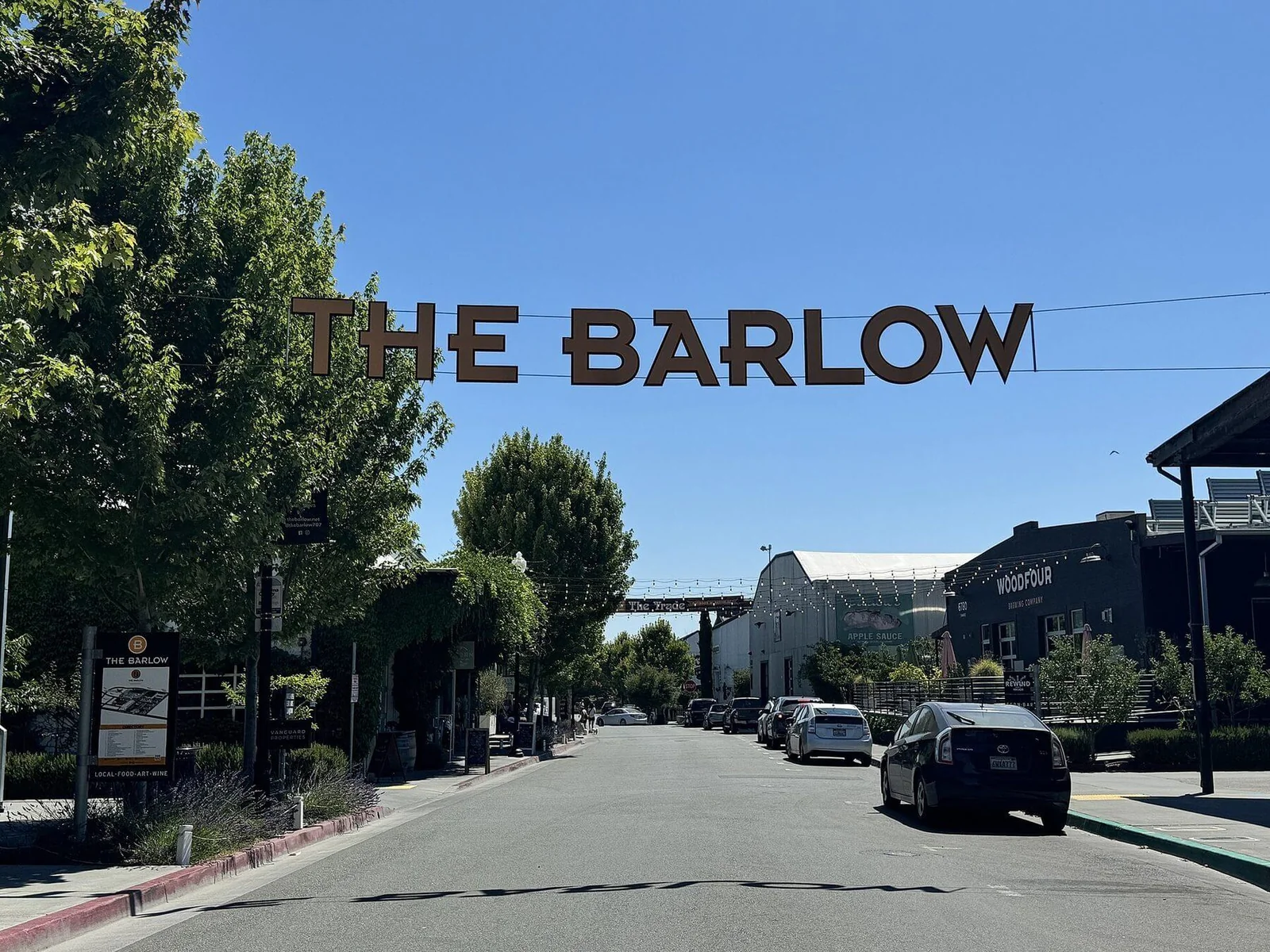
BIG THANK YOU to all of the Ongaro folks who planned and accomplished renewal of our old electrical panel.
Christopher L.
What happens during a panel or service upgrade?
More than swapping a box. The work replaces the meter main and panel, the service entrance conductors and usually the mast, and brings the grounding electrode system current. PG&E disconnects at the start and reconnects at the end, and the inspection has to clear before that reconnect, so those dependencies set the calendar rather than the wiring labor. Plan on power being off for the working day.
Grounding is where properties here differ from a city lot on a municipal main. A metal underground water pipe in long contact with earth serves as a grounding electrode where one exists. On a parcel served by a private well with plastic supply piping there is none, so the system gets built from driven rods or a concrete-encased electrode instead. Scope and equipment choices are covered on our electrical panel upgrade page for Sebastopol.
Can I add an EV charger without upgrading the panel?
Often, yes, and the load calculation tells us. Where a service is close to its limit, a load management device that sheds the charger while the rest of the house draws hard can keep a charger off the critical path of a service upgrade. Where the service is genuinely undersized, no device fixes that.
The incentive here is not an installation rebate. Sonoma Clean Power runs a smart charger enrollment program paying a monthly bill credit plus a sign-up bonus for an eligible Wi-Fi connected charger. You must be an active SCP customer and the account holder or an authorized representative, and eligible devices are currently limited to WallBox and ChargePoint models, with SCP saying it is working to add more. So the model you pick decides whether you can enroll at all.
The rate plan is the second lever. PG&E's EV rate plans split into EV2-A, which uses your existing single meter for home and vehicle use together, and EV-B, which requires a second dedicated meter. A second meter is an electrical scope item, so that choice belongs in the install conversation rather than after the inspection. There is a third option people miss. E-ELEC suits a home electrifying on more than one front, and PG&E is explicit that the house need not be all-electric to sit on it.
Permitting is set by state law. Government Code 65850.7 requires every California city and county to adopt an expedited, streamlined process for charging stations and to approve a qualifying application administratively rather than at its discretion. Deadlines live in 65850.71, the section immediately following. For one to twenty-five stations, an application is deemed complete five business days after submission and deemed approved twenty business days after that. You still need a permit; the law limits how long anyone can sit on it. Circuit sizing and placement are covered on the Sebastopol EV charger installation page. CALGreen's EV-ready provisions are new-construction requirements and impose no retrofit obligation on an existing house.
What happens to my well when the power goes out, and does a generator fix it?
This is the question that separates west county from most places we work. Sebastopol's municipal system draws on the city's own wells rather than imported surface water, and outside the city limits a large share of properties run on private wells. A private well pump is an electric motor. No power, no pump, no water.
West Sonoma County is exposed to PG&E's Public Safety Power Shutoff program, under which the utility turns power off during high-risk weather to reduce the chance its equipment starts a fire. Those events are planned and can run longer than a storm outage. On city water that is inconvenience. On a well the water stops too.
A standby generator solves it, and the pump usually sizes the machine. A submersible pump draws a starting current several times its running current for a moment, and a generator perfectly able to carry a house's steady load can stall on that inrush. Sizing starts with the pump and its control type, then adds the refrigerator, the blower and the circuits you want live. We are a Certified Generac Generator installer and we size to the load, not to a catalog number.
The permit path is specific. Permit Sonoma states that in unincorporated Sonoma County a generator connecting to your electrical panel requires a permit for the electrical and plumbing work, while a portable unit powering appliances directly does not. The application is a building permit with plan check and asks for a single line diagram showing wire size, transfer switch details, and a lockable disconnecting means meeting the California Electrical Code and PG&E standards. An air quality permit may also apply, from either the Northern Sonoma County Air Pollution Control District or BAAQMD.
Battery storage is the other answer and a different trade-off: silent, no fuel to store, sized in stored energy rather than running watts. Pump inrush is still the hard part, so the inverter's surge rating decides feasibility. Sizing and backup circuits are covered on our Sebastopol solar and storage page.
Do the old houses near downtown still have knob-and-tube or cloth wiring?
Some do, and rarely throughout. The pattern in the older in-town stock is layered: original knob-and-tube in the attic or crawlspace, often abandoned but occasionally still energized off a modernized panel, a mid-century layer of cloth-insulated cable, and a recent grounded layer around a kitchen remodel. Three eras of wiring, one panel, no labels. Knob-and-tube was designed to shed heat into open air, so blown-in insulation packed over live conductors is a genuine hazard, and that is what an energy retrofit produces when nobody looks at the wiring first.
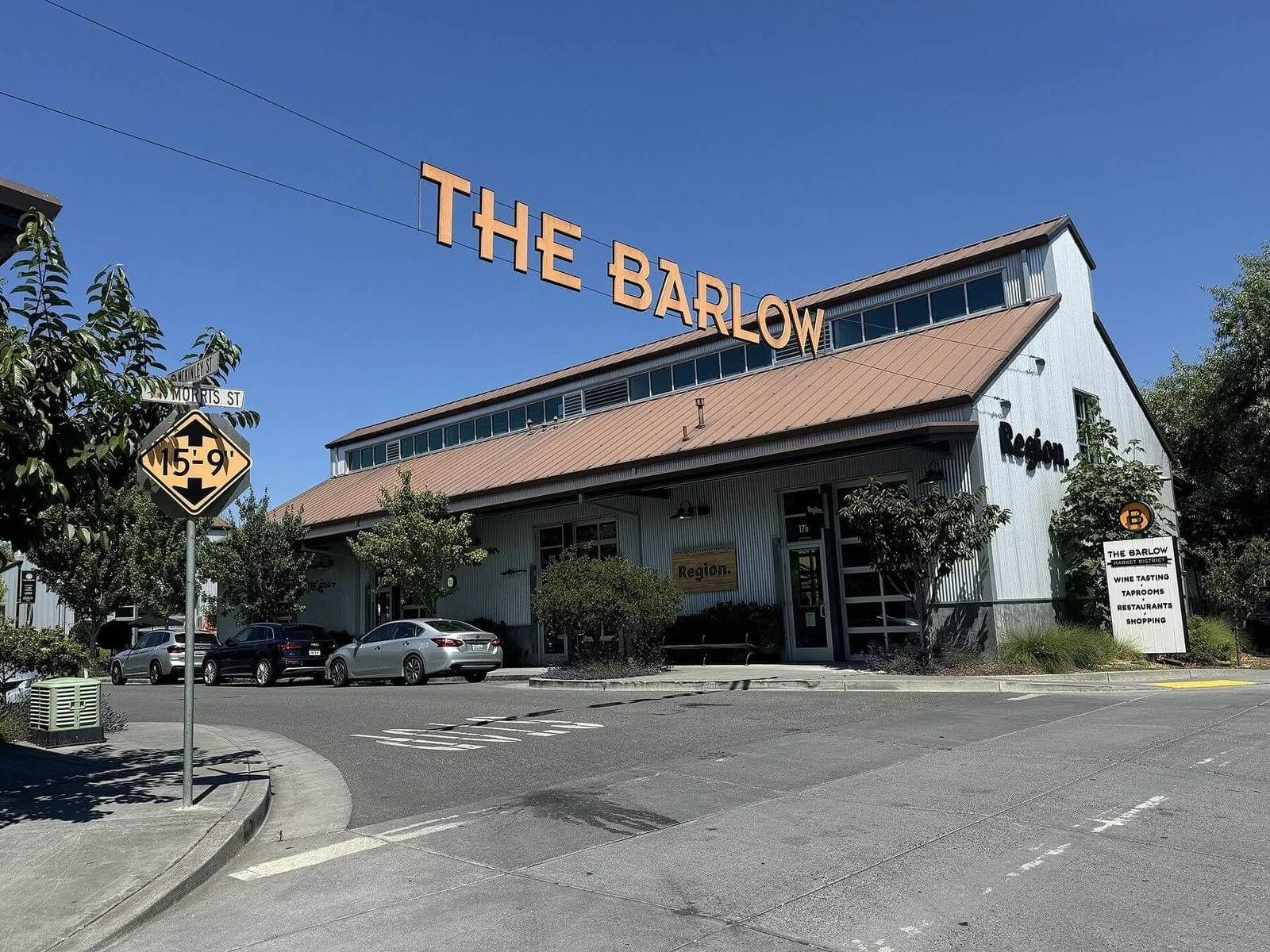
Ungrounded circuits are the other constraint. Sensitive electronics have no path for a surge, and a surge protective device cannot do its full job without a solid ground reference. There are code-recognized remedies short of a full rewire that make ungrounded receptacles usable and correctly labeled, and there is the real fix, which is new circuits. Downtown also holds converted commercial space, including the former apple cannery buildings at The Barlow, where three-phase service and different disconnect requirements apply.
Our HVAC technician, Lake Romelli, was outstanding: knowledgeable, professional, above-and-beyond thorough. Ongaro & Sons is our go-to company for electrical, plumbing and HVAC.
Maria C.
What about the shop, the barn, or the ADU out back?
Apple country left Sebastopol with outbuildings, and outbuildings collect wiring in layers. The recurring finds: direct-buried cable with no conduit and no listing for the application, a feeder sized for a light and a receptacle now running a welder, a subpanel with neutrals and grounds landed on the same bar downstream of the main, and no disconnect at the building.
A detached structure is not a room addition. It gets its own feeder, a disconnecting means at the structure, and its own grounding electrode system, with neutral and equipment grounding conductors kept separate once they leave the service. Getting that wrong puts current on metal not meant to carry it, which on a barn with animals is a real problem rather than a paperwork one.
ADUs bring their own question: feed the unit from the existing service or meter it separately. The load calculation, the panel's condition, and whether the utility can serve a second meter there settle it.
What smaller electrical jobs do you handle?
Most of the trade, and most of it is not a panel. Whole-house surge protection at the service is worth more in west county than in a town with steady power, because every restoration after a shutoff is another switching event on the line.
Lighting is the job most often done badly. Recessed retrofits that buzz are usually a dimmer and driver mismatch rather than a defective fixture, and exterior lighting on a long rural driveway is a voltage and control problem as much as a design one. We also handle fixture replacement, ceiling fans on rated boxes, and interconnected smoke and carbon monoxide alarms.
Diagnostics are their own service. A dead circuit with no tripped breaker is usually one failed device mid-run, and finding it is methodical rather than lucky. Circuits and disconnects for heat pump systems in Sebastopol and the 240-volt circuit a heat pump water heater in Sebastopol needs are both electrical scope, and it is cheaper to learn that before equipment is ordered.
Who issues the permit here, the city or the county?
It depends which side of the city limit the property sits on, and a Sebastopol mailing address does not settle it. Plenty of homes that get mail here are in unincorporated Sonoma County.
Inside the city, permits go through the City of Sebastopol's Building and Safety division. The city accepts most applications electronically through its permitting portal and notes that an application is not considered submitted until payment is received, which is the detail that most often delays a start date. Outside the limits, Permit Sonoma is the authority, with its own application, fees and inspectors.
Replacing a switch or receptacle like for like is maintenance. Adding a circuit, changing the service, interconnecting a generator and installing a charging station are permitted work. We verify jurisdiction at the parcel before quoting, pull the permit in our name rather than asking you to sign an owner-builder form, and meet the inspector.
What drives the cost of electrical work in Sebastopol?
Roughly in the order they move the number. Whether the service size changes or only the equipment does. Whether PG&E has to be scheduled for a disconnect and reconnect or a new meter. Whether the service is overhead or underground, and on rural parcels how far a trench runs and through what. How far the new load sits from the panel, since conductor is priced by the foot and long runs get upsized for voltage drop. How walls and ceilings are built, because plaster and lath, a low-pitch roof with no working attic, and a tight crawlspace each add hours that drywall does not. Whether the permit path includes plan check, as a generator interconnection in the unincorporated county does.
We do not quote from a price list over the phone, because the same job on two Sebastopol houses is not the same job. We look, we calculate, and you get the number first.
Are there programs that help pay for electrification work?
Some, and their status moves, so here is where they stand. Sonoma County's community choice provider is Sonoma Clean Power. MCE serves Marin and Napa and does not apply here.
SCP increased its heat pump water heater rebates has a heat pump water heater rebate at a temporarily raised level, reverting afterwards to CARE and FERA customers only. Income-qualified CARE and FERA customers can receive a share of remaining project cost after other rebates apply. That matters to an electrician because the appliance usually needs a new 240-volt circuit.
If a bid includes an incentive that closed a while ago, ask when the numbers were last checked.
How do I keep an electrical system in good shape once the work is done?
Panels are not maintenance-free hardware. Terminations loosen through thermal cycling, and aluminum service conductors are the likeliest place for it, which is why a periodic check under the cover by a licensed electrician earns its keep.
Test GFCI and AFCI devices with their own buttons a couple of times a year. Protective devices wear out, and one that will not trip on its test button is the component we replace most. Check the status indicator on a surge protective device after any significant outage. A standby generator needs its exercise cycle left enabled plus oil, filters and battery attention on the manufacturer's interval.
Where in and around Sebastopol do you work?
Downtown Sebastopol and the older residential streets around it, the Gravenstein corridor, and out through west county on the larger parcels where driveways are long and outbuildings predate the remodel. We work both sides of the city line, which matters because the permit authority changes with it. Much of our electrical work here arrives attached to something else: a circuit for new equipment, a disconnect, or the capacity evaluation that has to happen before anything gets ordered.
How should I choose an electrician for this kind of work?
Five questions, all of which have a right answer.
Ask what license classification covers the job; residential and commercial electrical work falls under a C-10 license and a contractor should say that without checking. Ask whether they pull the permit in their own name, because a contractor asking the homeowner to take out an owner-builder permit is moving liability onto you. Ask for the load calculation in writing before they quote a service upgrade. Ask whether they have confirmed which authority has jurisdiction at your address, because guessing wrong out here costs weeks. Ask who handles the utility coordination.
One last thing, not a question: a contractor willing to say you do not need a service upgrade is worth more than one who finds a reason for one every visit.
What North Bay homeowners say
Two North Bay customers on work in this trade:
Electrical across Sebastopol and Sonoma County
More from us in this area: the full service matrix for Sebastopol, electrical across Sonoma County, and our electrical service in Santa Rosa for properties on the inland side of the county.
How do I book an electrician in Sebastopol?
Tell us what the house is doing and what you are trying to add. We will send a licensed electrician to look, run the calculation the recommendation depends on, and give you the price before any work begins. Book online and pick a window that works.
Your Comfort, Our Priority
Ongaro & Sons is your trusted heating, cooling, plumbing, electrical, and solar expert, specializing in reliable maintenance and repair services that keep your home running efficiently year-round.
Our certified technicians deliver unmatched expertise with fast, friendly service across Marin, Sonoma and Napa County. From HVAC tune-ups to plumbing repairs and electrical upgrades or solar solutions, we focus on energy-efficient performance and long-term comfort. Count on us to maintain the systems that power your home and keep your environment just the way you like it.
Licensed, Insured, Background-Checked
Our technicians are licensed, experienced, and trained to service all makes and models.
Locally Owned and Operated
Serving the Napa, Marin, and Sonoma communities with personalized, hometown service.
Reliable Repairs
We respond quickly and get the job done right the first time, with no surprises.
Since 1932
Why Ongaro & Sons?
Four generations of trusted home service. Open any reason to see what it means for your home.
Schedule Service →Family-owned in the North Bay since 1932
Four generations of the Ongaro family serving Marin, Sonoma and Napa County. We know these homes and the systems in them.
Licensed, insured, background-checked technicians
Every technician is fully licensed and insured, background-checked, and trained on the equipment we install.
Diamond Certified and BBB A+
Diamond Certified since October 2016, and BBB Accredited with an A+ rating since December 1995.
Mitsubishi Diamond Contractor Elite and Trane Comfort Specialist
Both top manufacturer tiers. That standing decides how registration and extended warranty terms are handled on the system you actually bought.
The price is agreed before work starts
You see the number before the work begins. Flat-rate quotes, no surprises and no pressure.
Comprehensive maintenance program
Members get priority scheduling, discounts, and proactive checkups that prevent costly failures.
Discount
Membership
Ongaro Maintenance Plans
Annual maintenance on your home systems provides safeguards and comfort to you and your family. Members get priority scheduling, discounts, and proactive checkups that catch problems early.
Member Discounts
5% off every repair and replacement, all year long.
Peace of Mind
Proactive checkups catch issues before they become big problems.
Courtesy Reminders
We call you to schedule: never miss a seasonal service.
Value That Lasts
With Ongaro & Sons, you’re investing in quality, integrity, and service that stands the test of time. Explore our current promotions and see the difference real value makes for your HVAC, plumbing, and electrical needs.


From the Blog
 Sep 17, 2026
How Many Amps Does My House Need? Sizing Service for What You Actually Run
How many amps your house needs comes from a load calculation of what you run and plan to add. What drives the number, when existing service is enough, and more.
Read More Sep 10, 2026
Hard Water in Marin County: What Is Actually in Your Water and What It Does
Hard water in Marin County varies by provider and source. The 2025 report figures for Marin Water and NMWD, what hardness does and does not mean, and options.
Read More Sep 3, 2026
Electrical Permit Requirements in California: What Needs One and What Does Not
Find out which electrical projects commonly need permits, how to confirm local exemptions, and what to ask before work begins in Marin, Sonoma or Napa County.
Read MoreWhat else do homeowners ask us?
Who is the best electrician in Sebastopol?
We will put our record up against anyone's here: Ongaro & Sons has worked in the North Bay since 1932, holds a C-10 electrical license and a BBB A+ Rating, is Diamond Certified, and averages 4.8 stars across 2,756 Google reviews. Judge any electrician on whether they produce a written load calculation and permit in their own name.
How long does a panel upgrade take from start to inspection?
The wiring itself is typically one working day with power off. Everything around it sets the schedule: permit issuance, inspector availability, and the utility's disconnect and reconnect windows. In the unincorporated county, plan-checked scopes add review time before anything can be booked. We hand you a calendar once the permit is in hand.
Is 100-amp service enough for a modern house?
Sometimes, and the arithmetic decides rather than the number. A modest house with gas heating, gas cooking and no vehicle charging can live comfortably on it. Add a heat pump, a charger and an electric water heater and it will not, no matter how many empty breaker spaces the panel shows. The math occasionally tells us to talk a customer out of an upgrade.
Can you install a generator that starts on its own during an outage?
Yes. An automatic standby unit with an automatic transfer switch starts and transfers with nobody home, which is the whole point on a property where a well pump is the load that matters. A manual interlock is the simpler route if someone will always be there to operate it. We are a Certified Generac Generator installer.
Does a battery do the same job as a standby generator?
It covers the same outage differently. A battery is silent, needs no fuel deliveries and no exercise routine, and holds a fixed amount of energy, so it runs until empty unless solar is recharging it. A generator runs as long as it is fueled. The deciding specification on a well property is whether the inverter handles the pump's starting surge.
Why do my lights dim when the well pump kicks on?
Because a submersible motor pulls a large current for the instant it starts, and that inrush drags voltage down across everything sharing the supply. A brief dip is normal behavior. A deep or lingering dip points to a conductor too small for the run, a loose connection, or an undersized service. Outside town, drop over a long feeder is usually the culprit.
Does Sonoma Clean Power pay for an EV charger installation?
Not for the installation itself. SCP runs an enrollment program for eligible Wi-Fi connected smart chargers that pays a monthly bill credit and a sign-up bonus to active SCP customers, currently limited to WallBox and ChargePoint devices. In exchange the provider can slow charging during grid stress, with an override available. Buy hardware off that list and enrollment disappears.
What is a load calculation, and why does it decide the job?
It is a computed total of what a house can demand: lighting and receptacle load by square footage, the fixed appliances, the larger of heating or cooling, and any new equipment, with the demand factors the code permits applied. The result determines whether your existing service is adequate. An inspector will look for it, and a recommendation to upgrade without one is a sales pitch.
Do you handle electrical work on commercial buildings?
Yes, including the converted industrial and mixed-use space around downtown. Commercial gear brings three-phase service, different voltage configurations, different disconnect and labeling requirements, and coordination with tenant improvement schedules. That is not residential work at a larger scale, and we quote and staff it as its own category.
Do you only do electrical, or other trades too?
Ongaro & Sons runs heating and cooling, plumbing, electrical and solar from the same Petaluma headquarters, holding C-20, C-10 and C-36 license classifications. That matters on jobs crossing trades, such as a heat pump water heater needing both a circuit and a drain. One company means one point of accountability instead of two contractors pointing at each other.