Electrical Panel Upgrades in Santa Rosa
Ongaro & Sons has replaced electrical services in the North Bay since 1932, working out of our Petaluma headquarters. We hold a C-10 electrical license, we are Diamond Certified, and we carry 2,756 Google reviews averaging 4.8 stars. We run the load calculation before we price anything, we write the inspection statement the City requires, and we carry the PG&E meter release through to the end.
On this page
Santa Rosa is one of the few cities in the North Bay where this job can be a one-day swap or a two-month project depending on which street you live on. The 2017 Tubbs Fire and the rebuilding that followed left the city with whole neighborhoods of construction under a decade old, a short drive from housing that predates residential air conditioning. Both kinds of house call an electrician for the same reason, usually a vehicle charger or a heat pump, and the two jobs have little in common.
Four building eras, four different panel jobs
The most useful thing to know before you call anyone is roughly when your house was built and where the meter sits. That pair decides most of the work.
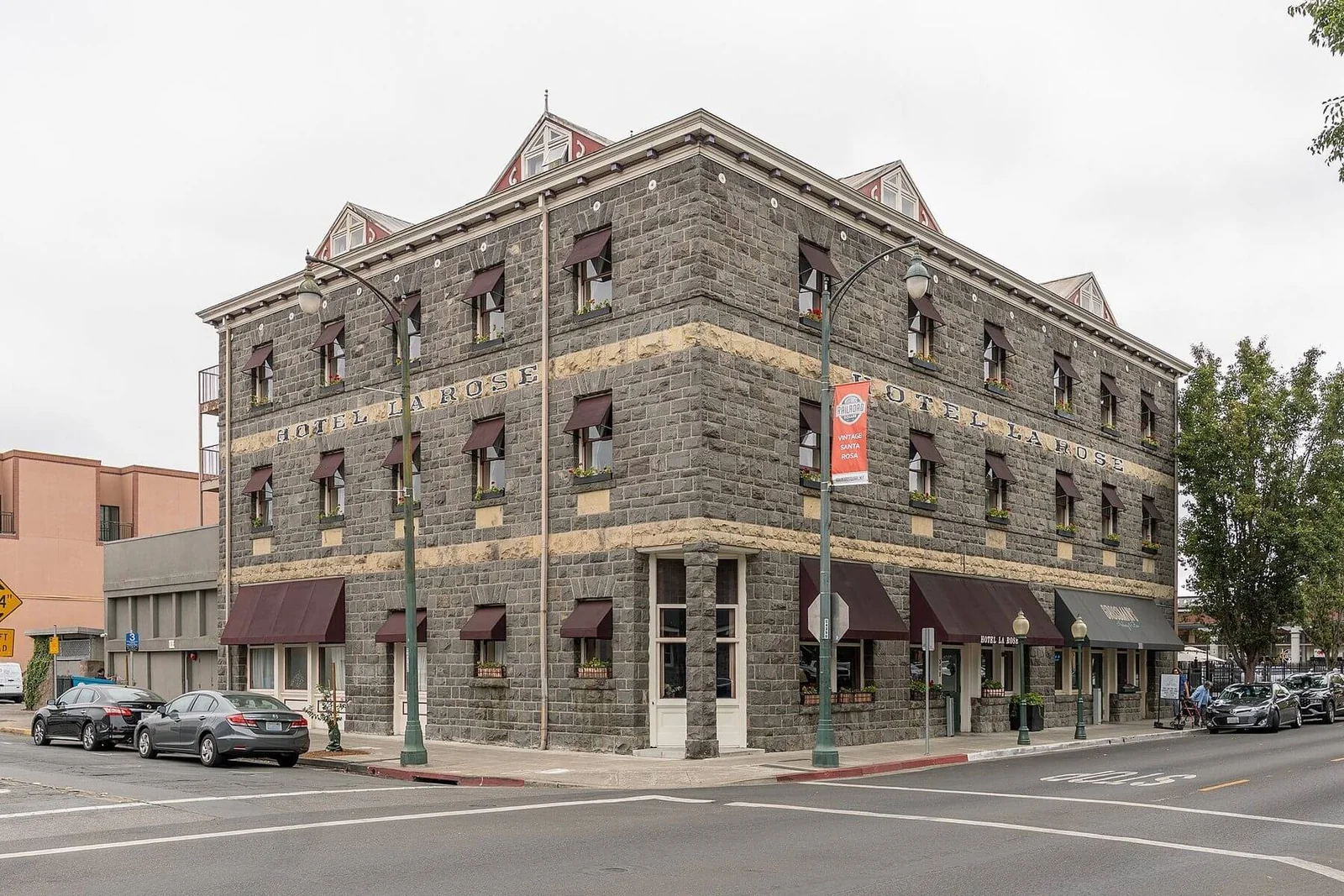
Early-century homes near downtown and on the west side. Open one of these panels and you find work from four decades stacked together: a service originally sized for lighting, cloth-insulated branch circuits still feeding bedrooms, ungrounded two-prong receptacles, a fuse block somebody replaced with an undersized breaker panel in the 1970s, and a subpanel or two added since. The electric meter and the gas meter frequently sit a few feet apart on the same wall, because nobody was thinking about clearances in 1925.
Post-war through 1970s tracts on the east side and out toward Rincon Valley and Bennett Valley. These generally landed at 100 amps, generous for a house with a gas range, a gas furnace, and no cooling. We routinely find split-bus panels with no single main breaker, which surprises homeowners who go hunting for one, plus discontinued brands whose breakers are no longer manufactured and mid-1970s branch circuits run in aluminum, not a defect in itself but a change in how terminations get handled.
1980s through 2000s subdivisions. Typically 150 or 200 amps with a combination meter-main mounted outdoors. Mechanically the easiest upgrades we do, and they arrive with a different problem: the panel is full. Tandem breakers in every slot, sometimes more than the panel's own listing allows, and no room for the two-pole breaker a charger or heat pump needs. The service is often fine. The enclosure is not.
Rebuild-era construction. Homes built in the last decade came out of the ground under a much newer code cycle, generally with 200-amp service, a properly bonded grounding electrode system, and arc-fault and ground-fault protection where required. When one of these calls us, the answer is frequently a slot, a subpanel, or load management rather than a new service.
What fails inside an old panel
Panels rarely fail the way people picture. The breaker is not usually the part that gives out.
What wears is the connection. Each breaker clips onto a stab on the bus bar, and that clip loses spring tension across decades of thermal cycling. A loose connection has resistance, resistance makes heat, and heat accelerates the loosening. That feedback loop is why a breaker running warm to the touch is a finding worth acting on rather than a quirk. The same mechanism shows up at the service lugs, where aluminum entrance conductors oxidize and creep under the screw if they were never re-torqued.
What homeowners actually notice:
- Lights that dip when the air conditioner or well pump starts, then recover
- A breaker that trips only when two large loads overlap, never on its own
- Warmth on the deadfront cover or on an individual breaker handle
- Brown or black discoloration around a breaker or at a lug
- A main breaker that will not reset, or resets and trips again immediately
- Rust, water staining, or insect nesting inside an outdoor enclosure
A flicker on one circuit is usually a device or a splice. One that runs through the whole house when a large load starts points at the service, and that is a more urgent conversation.
The crew showed up right at 8 am and got right to work. They replaced both an inside and outside electric circuit panel. And they labeled each circuit. No mess was left. Excellent job.
Mike C.
Load, space, condition, clearance
Every panel decision here comes down to four questions in this order. Jumping to the third is how people buy a service upgrade they did not need.
Load. What does the house draw today, and what will it draw once you add what you are planning? A 100-amp service with a gas furnace, gas water heater, and gas range has more headroom than the number suggests. A 200-amp service already running a heat pump, an electric range, and a spa may have less than you would think.
Space. Even where ampacity is fine, the enclosure can be out of slots, or out of the specific slot positions a two-pole breaker needs. A subpanel often solves that with a fraction of the disruption.
Condition. Is the equipment safe to keep using and to build on? A panel can be electrically adequate and still be the wrong foundation: obsolete, corroded, previously overheated, or a model with no available breakers.
Clearance. Where is the meter, and what is next to it? In Santa Rosa this changes the scope more often than anything else, and almost nobody sees it coming.
The clearance problem, and why Santa Rosa handles it differently
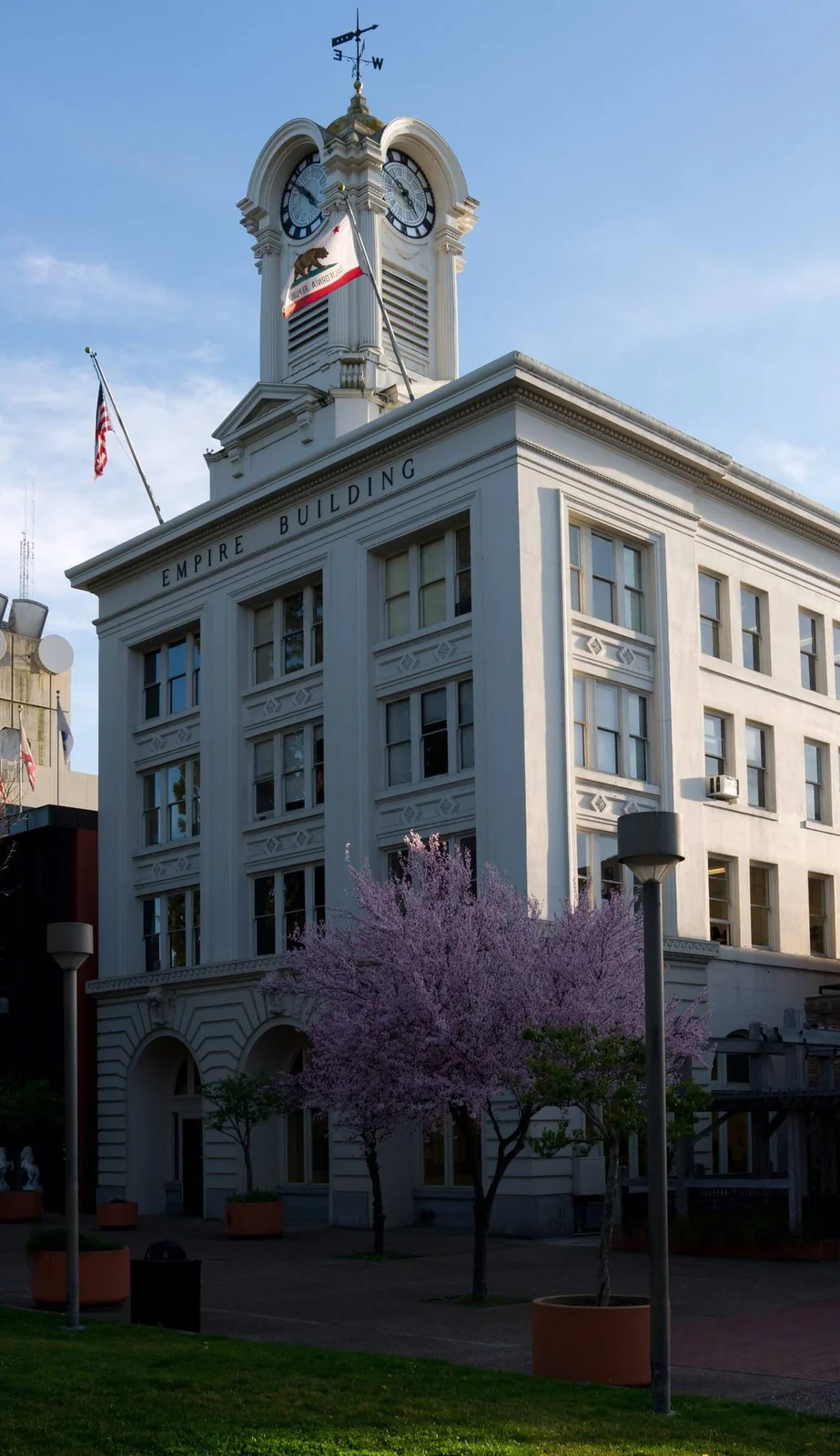
PG&E's construction standards, published in the document the utility calls the Greenbook, set a required separation between a gas meter and an electric meter panel. On a house built in the last thirty years that separation already exists, because the house was designed around it. On an older Santa Rosa home where the two meters sit close together, an in-place replacement would put new equipment somewhere the current standard no longer allows, and the default answer becomes relocating one of them. That is a real project with trenching or gas work attached.
The City maintains a written policy for exactly this. Building Policy 3.5.11, Electric Meter Panel Replacements, effective March 5, 2024, describes the variance PG&E allows "to the current gas meter setback requirements, for like-for-like panel replacements of unsafe panels." It is explicit about what unlocks it: the customer "obtains approval from the City of Santa Rosa" and "provides PG&E with a letter from the City of Santa Rosa stating that the panel replacement is required."
The mechanism behind that letter is why your choice of electrician matters more here than in most cities. The policy says the City "will accept a C-10 licensed electrician's (or individuals properly licensed/certified such as an Electrical Engineer) inspection and unsafe conditions statement of an existing electric meter panel." That document, the Statement of Inspection and Unsafe Conditions, is uploaded with the permit application on the contractor's letterhead carrying their state license number. When the permit issues, the City produces the letter PG&E needs.
Two constraints ride along. The policy sets a clock: once a panel is deemed unsafe by a licensed electrician, it "shall be replaced or decommissioned within 90 days of approval/permit issuance." And nothing about the variance is automatic, since "each case is reviewed by PG&E independently and the exceptions described in the Updates Document to the PG&E Greenbook may not apply to each location accordingly." We settle which path an address is on before putting a number in front of you, because in-place replacement versus relocated service is the largest single swing in this job.
What drives the price, by house type
Early-century home near downtown or on the west side. The panel itself is a minor line. The cost lives in what it attaches to: whether the service entrance and mast can be reused or rebuilt, whether a grounding electrode system exists or has to be established, whether the meter can stay put under the variance path, and how much existing branch wiring can safely land on modern breakers. These houses tend to reveal a second finding once the cover comes off.
Post-war or 1970s tract house. The drivers are the service size you are moving to, whether the utility feed is overhead or underground, and whether the current panel location suits a modern meter-main. Overhead services often need mast and weatherhead work. Underground can be simple or can require a new conduit run.
1980s through 2000s subdivision home. The question is usually whether a service upgrade is warranted at all, since a subpanel fed from the existing service and set near the new load frequently costs a fraction of a full upgrade.
Recently built home. The work is additive: a circuit, a subpanel, or a load-management device. Permit fees, utility scheduling, and the difficulty of the run are the variables.
Three things add time in every era: a temporary disconnect and reconnect coordinated with the utility, drywall repair where a run crosses finished space, and any correction the inspector calls that was pre-existing.
Smart panels and load management as an alternative
A larger service is not the only way to make room. Load-management devices monitor draw in real time and shed or stagger loads before the main breaker sees a problem. The simple version stops a vehicle charger and an electric dryer from pulling at once. The full version replaces the panel with one that has circuit-level metering and control.
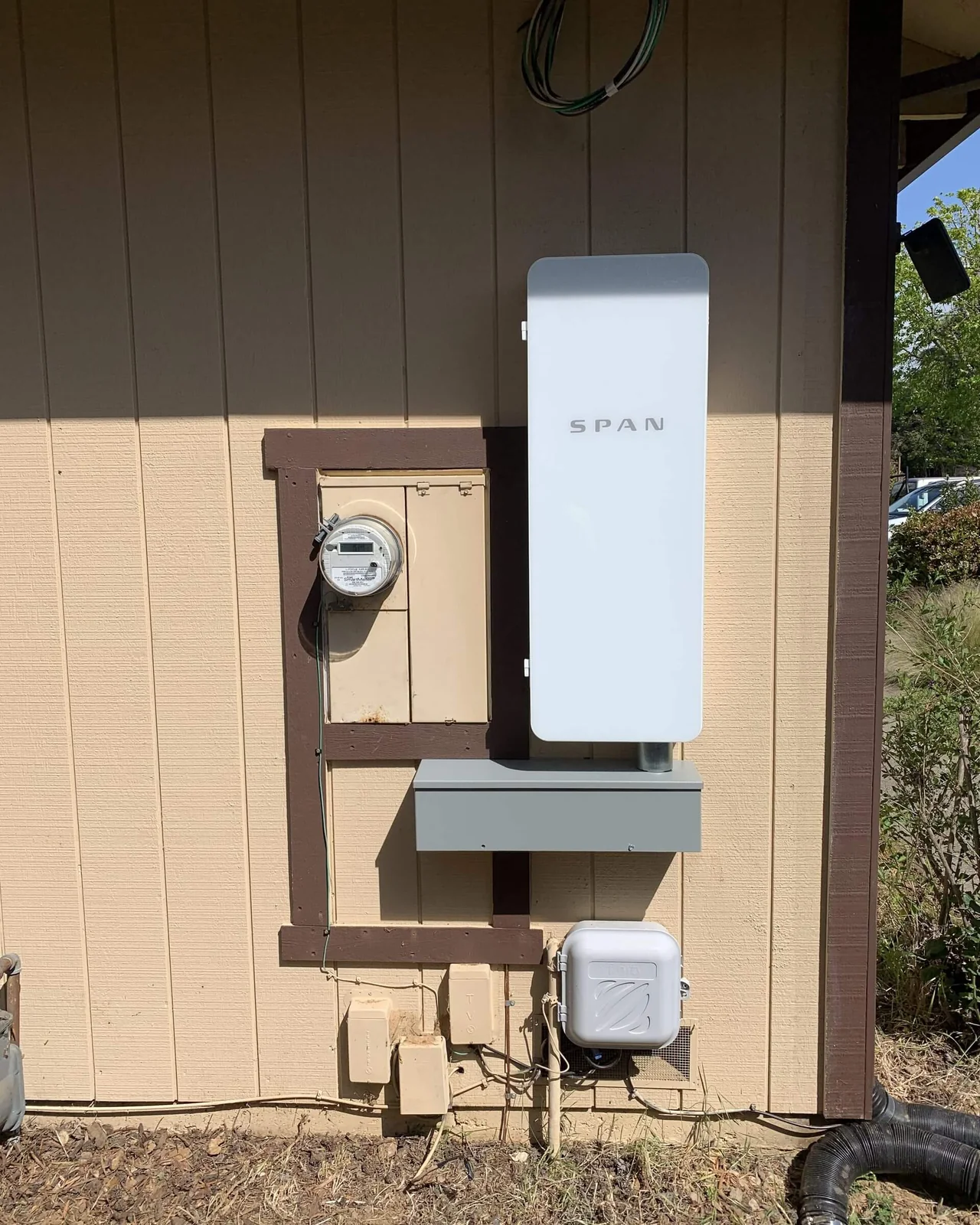
Ongaro & Sons is a SPAN Certified Installer, and a SPAN smart panel is a real option on a Santa Rosa house where the service is adequate but the next ten years are uncertain. It earns its place in two cases: adding loads without rebuilding a sound service, and pairing the panel with a battery so you control which circuits stay live during an outage. It is not the answer on a house that needs a service upgrade for condition reasons anyway.
Ongaro and Sons have worked with us over the past 2 years on number of electrical requirements and have exceeded expectations every step. Great people and timely, predictable service.
John J.
Permits, inspections, and code
A missing permit on service equipment surfaces later, at resale or when the next contractor pulls the record.
Inside the city limits, the City of Santa Rosa Building Division is the authority, and applications run through the Accela Citizen Access portal, where the record is created, documents uploaded, fees paid, and inspections requested. The City notes that "a single building permit application may be filed for all work on a project, including building, electrical, mechanical, and plumbing", useful when the panel is one piece of a larger remodel. Unincorporated Sonoma County is a different jurisdiction: those addresses go through Permit Sonoma on its own submittal process.
Following the City's own procedure, the sequence runs: apply with the inspection statement attached, receive the permit and the City's letter, deliver that letter to PG&E, do the work, then request the inspections that "must be approved for final and meter release." That release is the last step, and nothing is energized before it.
Two state-level points get stated wrong constantly. California's 2025 Building Energy Efficiency Standards took effect January 1, 2026, and the prescriptive baselines in that cycle govern new construction rather than obligating you to convert an existing appliance. The vehicle-ready provisions in CALGreen, Title 24 Part 11, are likewise new-construction requirements, and nothing in them makes an existing Santa Rosa house add capacity it does not have.
Rebates: the panel is rarely the thing that gets funded
There is no standalone rebate for replacing an electrical panel in Sonoma County. Incentive money follows the appliance, and the panel is the enabling work underneath, so the useful question is what you are putting on the panel and whether that qualifies.
Sonoma Clean Power, the community choice provider here, offers an enhanced heat pump water heater rebate for now, with the rebate continuing after that only for households on the CARE or FERA bill discount programs. After that date those rebates continue only for customers enrolled in CARE or FERA, with income-qualified customers able to receive a share of remaining project cost once other rebates are applied. Because that conversion typically needs a new 240-volt circuit, it is the incentive most often riding on a panel decision, alongside a water heater project.
On the vehicle side, Sonoma Clean Power runs a smart charger enrollment program rather than an installation rebate, paying a monthly bill credit and a sign-up bonus for enrolling an eligible Wi-Fi connected charger. Eligible devices are currently limited to WallBox and ChargePoint models, which makes your hardware choice partly a utility decision, worth settling before the EV charger goes on the wall.
PG&E's electric vehicle rate plans belong in the same conversation. EV2-A works on your single existing meter and covers both home and vehicle use. EV-B requires a second, dedicated meter separating vehicle electricity from household electricity, and is not available with CARE, FERA, or Medical Baseline. That second meter is an electrical scope item, so wanting one after the panel is set is an expensive order of operations. There is a third option people miss. E-ELEC suits a home electrifying on more than one front, and PG&E is explicit that the house need not be all-electric to sit on it.
Backup power and shutoff season
PG&E may turn off power during severe weather to reduce the risk of its equipment causing a wildfire, through the program it calls a Public Safety Power Shutoff, and the hillside neighborhoods east and north of town are where that lands hardest. Bundling backup power into the panel project is the right sequencing: a standby generator needs a transfer switch and a defined set of circuits, both far cheaper to establish while the equipment is already open. We are a Certified Generac Generator installer, and the same logic covers battery storage paired with solar. If backup is anywhere in your five-year plan, raise it during the load calculation.
Living with a new panel
- Keep the working space in front of the panel clear. Storage shelved against one is among the most common corrections we write, and clearance is a requirement rather than a preference.
- Update the directory the day a circuit is added or moved. Troubleshooting is billed by the hour and legible labels shorten it.
- Exercise arc-fault and ground-fault breakers with their test buttons about twice a year. They are mechanical devices and they can fail closed.
- On an outdoor enclosure, check annually for rust at the bottom edge, water staining inside the cover, and insect nesting. Winter rain does more damage here than summer heat.
Where we work in Santa Rosa
We take panel work across the whole city: Coffey Park, Fountaingrove, Rincon Valley, Bennett Valley, downtown, the west side, and the neighborhoods on the valley floor in between. Hillside addresses tend to bring backup power into the discussion. The older streets near the center of town bring grounding, service entrance condition, and meter clearance. Our full electrical services in Santa Rosa cover the circuits, lighting, and troubleshooting that surface alongside a replacement.
How to choose an electrician for this work
1. A C-10 license held by the company doing the work. Santa Rosa's own policy names the C-10 as the qualification it accepts for the inspection statement, so it is not paperwork for its own sake here. 2. A load calculation before a price. Anyone quoting a 200-amp service without asking what you run today and what you plan to add is guessing, and the guess trends expensive. 3. Willingness to write and sign the Statement of Inspection and Unsafe Conditions. It goes out on their letterhead with their license number attached, and vagueness about it means they have not done the Santa Rosa version of the job. 4. The permit pulled in the contractor's name. Being asked to pull it yourself, on work an electrician performs, is a signal worth acting on. 5. A quoted alternative. Ask what the smaller version looks like. If there is none, there should be a technical reason.
What North Bay homeowners say
Two reviews from customers on the electrical side of our work:
Panel upgrades across Santa Rosa and Sonoma County
Related work nearby: electrical services across Sonoma County, the full Santa Rosa service matrix, and panel upgrades in Petaluma.
Book a panel evaluation in Santa Rosa
Book online and we will look at the actual equipment, run the calculation, and tell you which of the four paths your house is on. If the answer is a subpanel rather than a service upgrade, that is what we will quote.
Your Comfort, Our Priority
Ongaro & Sons is your trusted heating, cooling, plumbing, electrical, and solar expert, specializing in reliable maintenance and repair services that keep your home running efficiently year-round.
Our certified technicians deliver unmatched expertise with fast, friendly service across Marin, Sonoma and Napa County. From HVAC tune-ups to plumbing repairs and electrical upgrades or solar solutions, we focus on energy-efficient performance and long-term comfort. Count on us to maintain the systems that power your home and keep your environment just the way you like it.
Licensed, Insured, Background-Checked
Our technicians are licensed, experienced, and trained to service all makes and models.
Locally Owned and Operated
Serving the Napa, Marin, and Sonoma communities with personalized, hometown service.
Reliable Repairs
We respond quickly and get the job done right the first time, with no surprises.
Since 1932
Why Ongaro & Sons?
Four generations of trusted home service. Open any reason to see what it means for your home.
Schedule Service →Family-owned in the North Bay since 1932
Four generations of the Ongaro family serving Marin, Sonoma and Napa County. We know these homes and the systems in them.
Licensed, insured, background-checked technicians
Every technician is fully licensed and insured, background-checked, and trained on the equipment we install.
Diamond Certified and BBB A+
Diamond Certified since October 2016, and BBB Accredited with an A+ rating since December 1995.
Mitsubishi Diamond Contractor Elite and Trane Comfort Specialist
Both top manufacturer tiers. That standing decides how registration and extended warranty terms are handled on the system you actually bought.
The price is agreed before work starts
You see the number before the work begins. Flat-rate quotes, no surprises and no pressure.
Comprehensive maintenance program
Members get priority scheduling, discounts, and proactive checkups that prevent costly failures.
Discount
Membership
Ongaro Maintenance Plans
Annual maintenance on your home systems provides safeguards and comfort to you and your family. Members get priority scheduling, discounts, and proactive checkups that catch problems early.
Member Discounts
5% off every repair and replacement, all year long.
Peace of Mind
Proactive checkups catch issues before they become big problems.
Courtesy Reminders
We call you to schedule: never miss a seasonal service.
Value That Lasts
With Ongaro & Sons, you’re investing in quality, integrity, and service that stands the test of time. Explore our current promotions and see the difference real value makes for your HVAC, plumbing, and electrical needs.


From the Blog
 Sep 17, 2026
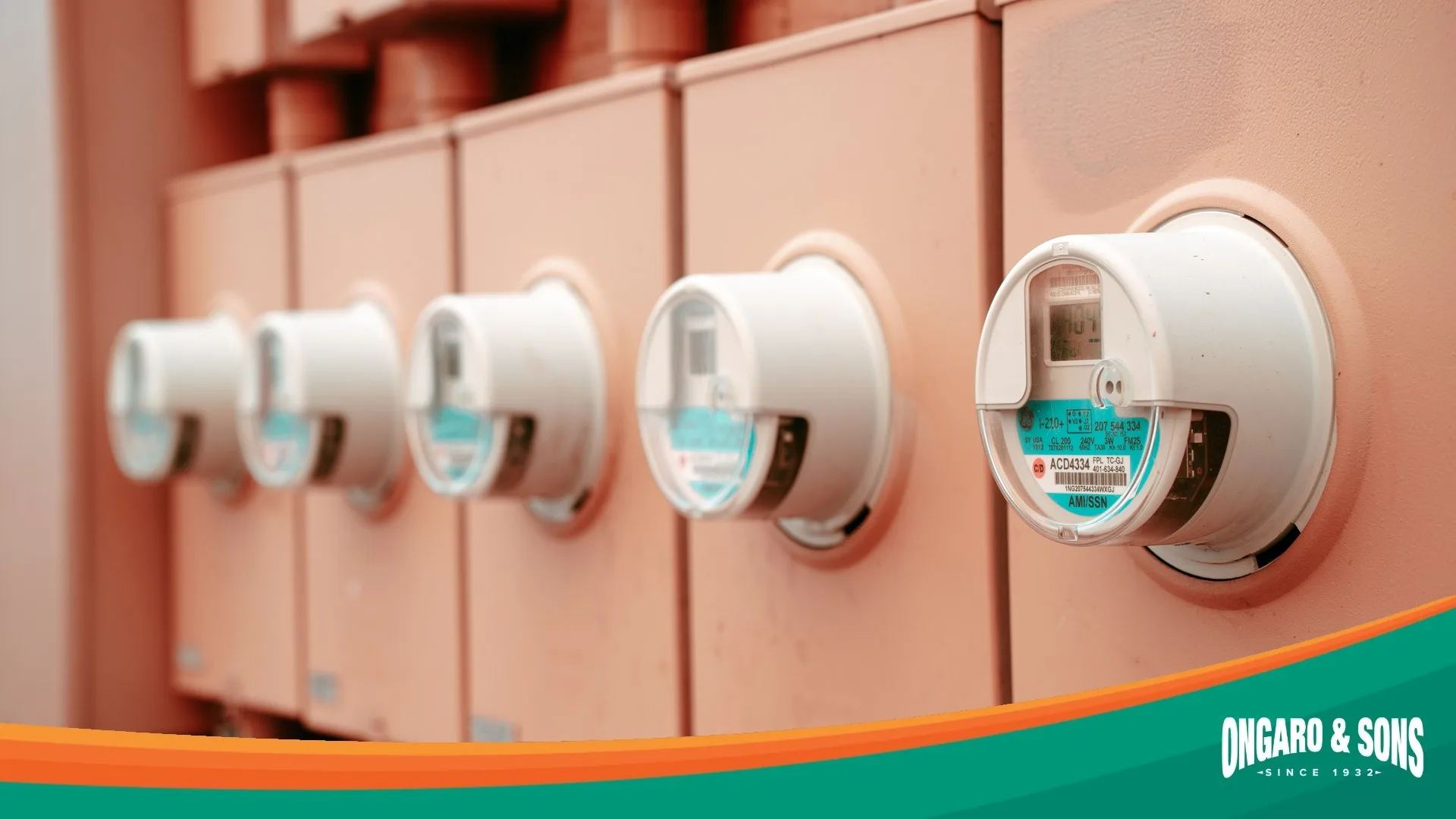
How Many Amps Does My House Need? Sizing Service for What You Actually Run
How many amps your house needs comes from a load calculation of what you run and plan to add. What drives the number, when existing service is enough, and more.
Read More Sep 10, 2026
Hard Water in Marin County: What Is Actually in Your Water and What It Does
Hard water in Marin County varies by provider and source. The 2025 report figures for Marin Water and NMWD, what hardness does and does not mean, and options.
Read More Sep 3, 2026
Electrical Permit Requirements in California: What Needs One and What Does Not
Find out which electrical projects commonly need permits, how to confirm local exemptions, and what to ask before work begins in Marin, Sonoma or Napa County.
Read MoreElectrical panel upgrades in Santa Rosa: frequently asked questions
Who is the best electrical panel upgrade company in Santa Rosa?
Judge it on three things: the C-10 license, whether the calculation comes before the price, and whether the contractor has handled the City's meter panel policy. Ongaro & Sons has served the North Bay since 1932, we are Diamond Certified, and we carry 2,756 Google reviews at 4.8 stars. Ask any candidate those questions.
What is the Statement of Inspection and Unsafe Conditions?
A document the City requires with a meter panel replacement application. A licensed electrician examines the panel and writes a brief description of its condition on company letterhead carrying the state license number. It supports the permit and triggers the City's letter to the utility. A homeowner cannot produce it themselves.
Do I need a permit to replace an electrical panel in Santa Rosa?
Yes. Service equipment work requires a permit and inspections, filed through the City's Accela portal inside the city limits and through Permit Sonoma for unincorporated properties. Permitting is not the slow part of most projects, and skipping it creates a title and disclosure problem you will meet again at sale.
Why does PG&E care where my gas meter is?
The utility's construction standards require separation between the gas meter and the electric meter panel. On older homes where the two sit close together, an in-place replacement conflicts with that standard, so the utility either requires relocation or grants a variance backed by a City letter. Which one applies is decided per address.
How long does the whole process take in Santa Rosa?
The physical work is usually a single day. Calendar time comes from permit issuance, the utility letter and scheduling, and the inspection and meter release at the end. Where relocation is required instead of a straight swap, add materially more time. We give a realistic schedule once the path is known.
Can I get a subpanel instead of a full service upgrade?
Often, and it is the first thing we check. Where the service has capacity but the enclosure has no usable slots left, a subpanel near the new load resolves the actual constraint with far less disruption and no utility coordination. It is right more frequently than most homeowners expect.
Will 200-amp service be enough for an all-electric house?
For most single-family homes here, yes, particularly with load management handling the overlap between a vehicle charger and other large draws. Very large homes, properties with a pool and spa plus multiple heat pumps, and lots with a workshop or accessory dwelling unit can push past it. The calculation settles it.
Are there rebates for a panel upgrade in Sonoma County?
Not for the panel on its own, which is the part worth understanding before you budget. Incentives attach to the equipment a panel enables rather than to the service itself, so the water heater, the heat pump or the charger is where the funding sits and the panel work rides along inside that project. Sonoma Clean Power runs the local programs, each with its own eligibility. We confirm what is open when your project is scheduled rather than quoting last year's terms.
What happens to my power during the work?
The house is de-energized for the portion of the day when the service is changed out. We set that window in advance so you can plan around refrigeration, medical equipment, and work schedules. Power returns the same day on a standard replacement, though permanent energizing waits for the sign-off and meter release.
My house was built in the last few years. Do I still need this?
Frequently not. Recent construction generally arrived with adequate service, proper bonding, and modern circuit protection, so the answer for those homes is usually a new circuit or a subpanel rather than replacing service equipment. We would rather say that at the walkthrough than sell you something you already have.
Does a panel upgrade help during a Public Safety Power Shutoff?
Not on its own. A larger service does nothing while the utility feed is off. What helps is a transfer switch and a defined set of backup circuits fed by a standby generator or a battery. The panel project is the moment to build that in, since the labor overlaps almost completely.