Heat Pump Installation and Repair in Santa Rosa
Ongaro & Sons installs, converts, and repairs heat pumps throughout Santa Rosa, and the company was founded in 1932 and works across Marin, Sonoma and Napa counties. We are Diamond Certified, a Mitsubishi Diamond Contractor Elite and a Trane Comfort Specialist, we hold C-20 HVAC and C-10 electrical licenses, and we carry 2,756 Google reviews averaging 4.8 stars. We run a load calculation before we quote, pull the permit, and give you the full price before work begins.
On this page
The 2029 date reshaping heating in Santa Rosa
Most heat pump pages open on efficiency. In Santa Rosa the more useful starting point is a regulatory date almost nobody has been told about accurately.
Santa Rosa sits fully inside the Bay Area Air Quality Management District. In March 2023 the district amended Regulation 9, Rule 4, which governs nitrogen oxide emissions from fan-type residential central furnaces, to set zero-NOx standards. It also states the requirement applies "upon burn out of one's current equipment," and that "any equipment manufactured after the new implementation date will be subject to the new standards."
That wording matters, because the rule gets misrepresented constantly. Nobody here is being told to remove a working gas furnace.
The practical read: if your furnace and air conditioner are both aging, you will be making an equipment decision within a few years regardless, and a heat pump replaces both machines with one. This is also not a county-wide conversation. Cloverdale, Healdsburg and the rest of northern Sonoma County sit in the Northern Sonoma County Air Pollution Control District, where the Bay Area appliance rules do not reach, and Windsor and Sebastopol straddle the line. Sonoma County publishes the district boundaries.
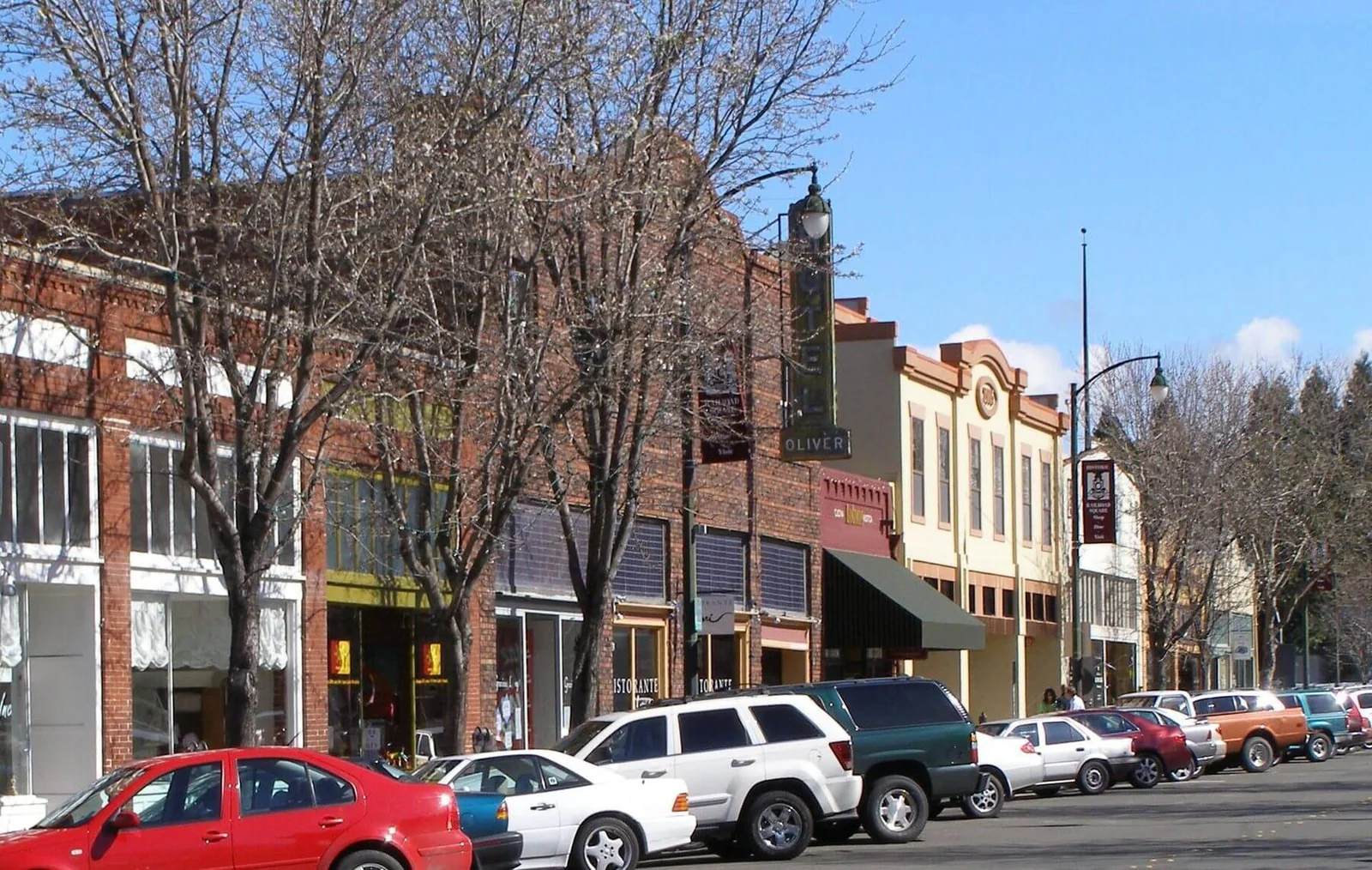
Why Santa Rosa asks more of a heat pump than the rest of the North Bay
A heat pump in Sausalito and a heat pump in Santa Rosa are the same technology doing two different jobs. Inland Sonoma County runs into triple-digit afternoons all summer, so cooling equipment here does sustained work and fails on the hottest days, precisely when it is asked for everything it has. Coastal Marin equipment spends most of its life heating. Santa Rosa equipment carries a real summer peak and a real winter morning through one compressor and one duct system.
That creates a sizing tension the milder parts of our service area never see. Here the cooling load is usually the larger number, sometimes considerably larger, while the heating load is modest by comparison. Size a single-stage machine to the August peak and it is far too much capacity for a 40-degree January morning: it short cycles, never runs long enough to distribute air evenly, and leaves hot and cold rooms in winter despite plenty of nameplate capacity. That is the case for variable-capacity, inverter-driven equipment in this market, and it is why we do not treat a heat pump as a like-for-like swap. Long run hours change the maintenance math too, since a system running most of the year loads filters faster, fouls coils faster, and turns a small charge problem into a bill you notice.
The two Santa Rosas, and why your address changes the starting point
No other market we serve splits the way this one does, and for heat pumps the split is decisive.
The neighborhoods rebuilt after the 2017 Tubbs Fire, Coffey Park and Fountaingrove among them, carry housing less than a decade old: high-efficiency, often already all-electric, with modern electrical service and ductwork designed and tested under a recent code cycle. There, a heat pump project is mostly equipment selection and controls. Older east-side and west-side Santa Rosa is a different job. Postwar and 1960s to 1970s tract homes typically run an original gas furnace with air conditioning added later, ducts routed through an unconditioned attic, and a 100-amp service that has since picked up a range, a dryer, and increasingly an EV charger. In those houses the heat pump is the easy part. The ducts and the panel decide the project.
Jon was very professional, efficient, and gave good advice on what we should do.
Stephen B.
What fails on a heat pump, and what each symptom points at
Lukewarm air in heating mode. Normal on its own, since a heat pump delivers a larger volume of gently warmed air rather than a furnace's short hot blast. If the house also never reaches setpoint, look at charge, the reversing valve, or airflow.
An outdoor unit that ices up and stays iced. Frost in cold, damp weather is expected and the defrost cycle clears it. Persistent ice points at a defrost board, a failed sensor, or low charge.
Running constantly on hot afternoons without satisfying. Undersized capacity, restricted ducts, a fouled coil, or a charge problem. On a 100-degree day long run times are normal; never reaching setpoint is not.
Backup heat running when it should not. Usually a thermostat configured with furnace logic instead of heat pump staging, and the most common reason a new heat pump owner reports a surprising bill.
Water near the indoor unit. A blocked or badly pitched condensate drain. A heat pump makes condensate for far more of the year than an air conditioner, so a drain that coped as seasonal AC can overflow once the same coil runs in shoulder season.
The failure order underneath is predictable. Capacitors and contactors go first and are inexpensive parts. Condensate problems and coil fouling come next and are almost entirely preventable. The reversing valve, which lets a heat pump run in both directions and has no equivalent in a furnace, fails less often but matters more. Refrigerant leaks only make sense to repair when the leak can be found and the system is young enough to be worth recharging. Compressors fail last, and a compressor failure past about twelve years usually points to replacement.
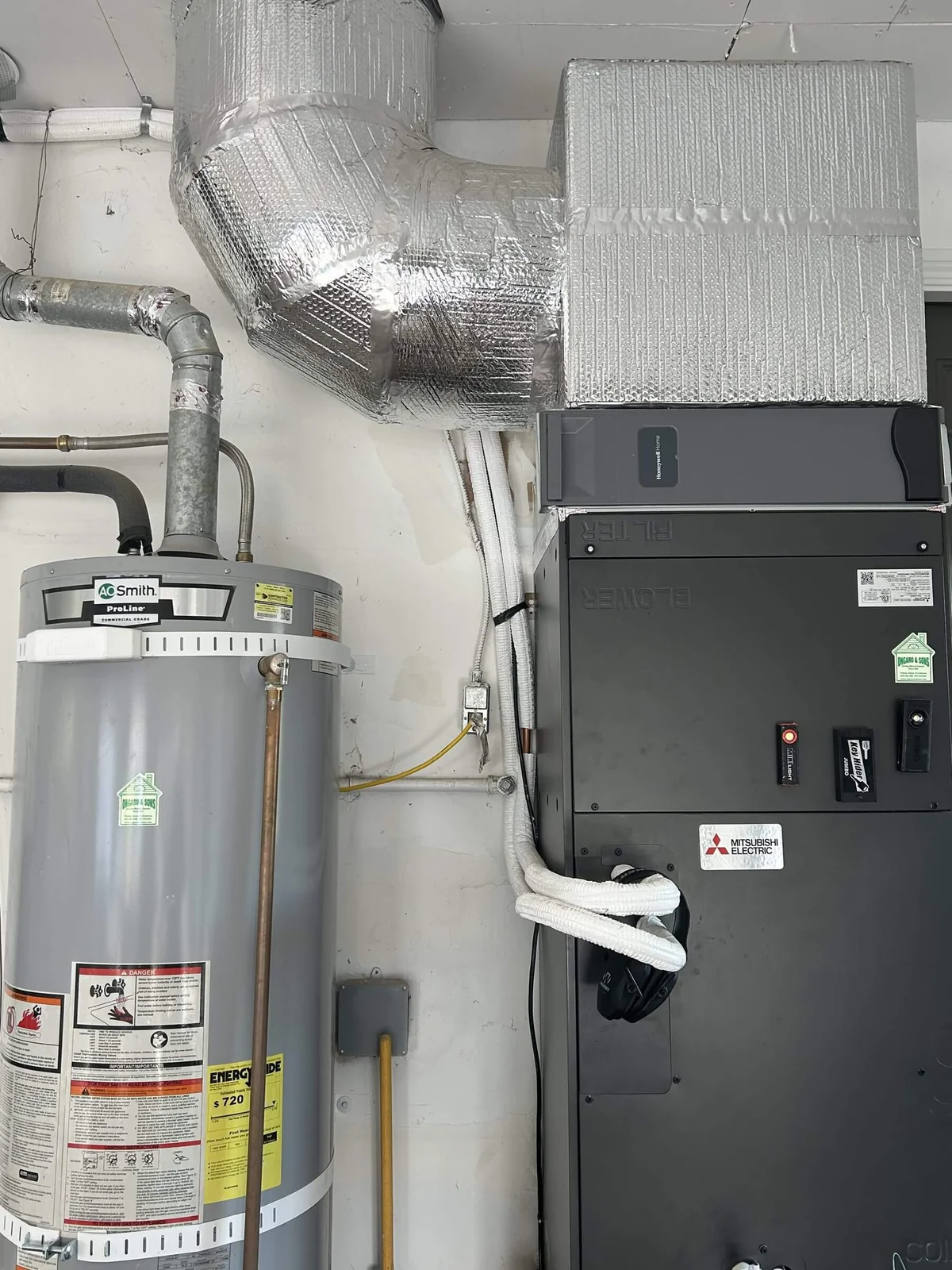
Load, ducts, panel, placement
Every heat pump project we quote here answers the same four questions, in order. Skip one and the number on the proposal is a guess.
Load. An ACCA Manual J calculation on your actual house, not a rule of thumb and not the tonnage of the machine sitting there now, which was very likely oversized when it went in.
Ducts. Whether your duct system can move the airflow a heat pump needs at a static pressure the equipment tolerates. This is the question most projects turn on.
Panel. Whether the electrical service has capacity for the new load. Usually a non-issue in a fire rebuild, often the first line item in a 1965 tract home.
Placement. Outdoor unit location, refrigerant line length, sound at bedroom windows and the property line, and clearance for airflow and service.
Ductwork decides most conversions here
This is what separates a heat pump conversion from a furnace replacement, and it catches homeowners along with a fair number of contractors.
A gas furnace produces very hot supply air, so it delivers a given amount of heat through a relatively small volume of air. A heat pump produces warm supply air, so it has to move noticeably more air for the same heat. Duct systems in Santa Rosa's postwar tracts were sized around the furnace assumption, often with undersized returns and long flex runs crushed against attic framing. Push heat pump airflow through that and static pressure climbs, the equipment throttles itself to protect the compressor, distant rooms underperform, and the efficiency you paid for never arrives. Attic routing compounds it, because a duct sitting in July attic air far hotter than the house loses capacity on exactly the day you need it.
California code now forces the issue. Under the 2025 Building Energy Efficiency Standards, which took effect January 1, 2026, altering a space conditioning system triggers duct sealing requirements. The Energy Commission's single-family HVAC guidance requires an existing duct system to verify at total leakage "equal to or less than 10 percent of system air handler airflow," or leakage to outside "equal to or less than 7 percent of system air handler airflow," and where those thresholds cannot be met, "all accessible leaks shall be sealed and verified through a visual inspection and smoke test." New equipment also brings refrigerant charge verification and fan airflow and watt draw testing.
The verification changed hands this year. The Energy Code Compliance Program replaced HERS for field verification and diagnostic testing, and the Energy Commission states that "effective on January 1, 2026, the HERS Program no longer supports an Energy Code compliance demonstration program." A contractor quoting your heat pump without mentioning duct testing is quoting a job that does not match the code the inspector works from. We measure static pressure and assess the ducts before specifying equipment: sometimes the fix is sealing and a larger return, sometimes replacing specific runs, occasionally ductless as the better and cheaper path.
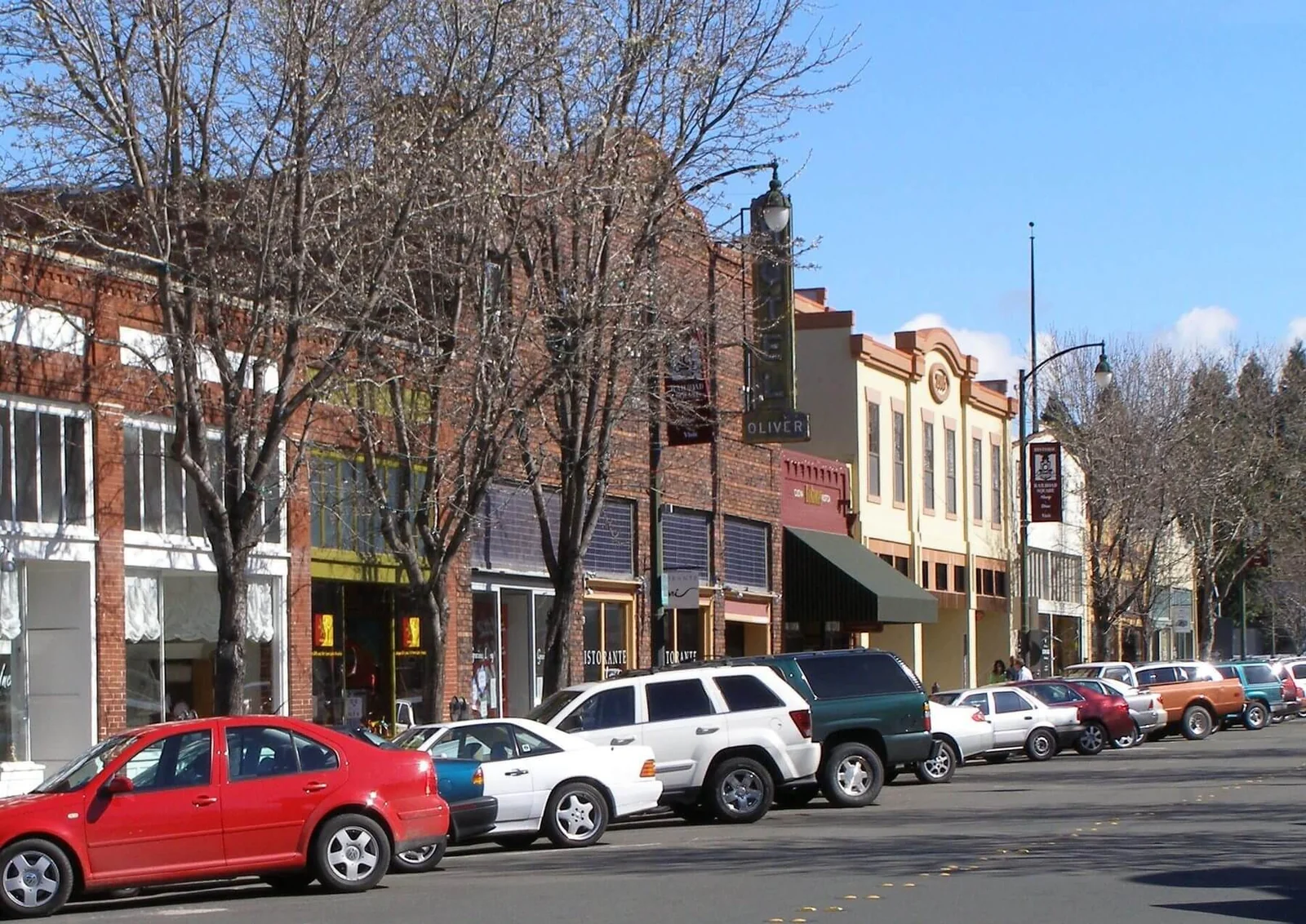
Ducted, ductless, hydronic, or dual fuel
A ducted heat pump is the default here, because central ductwork is what most of this city already has. It replaces the furnace and the air conditioner with one system and keeps the existing register layout.
A ductless or multi-zone system places indoor units only in the rooms that need them. It is the right answer in additions and converted spaces, in homes where the ducts are not worth rehabilitating, and where you want independent room control. As a Mitsubishi Diamond Contractor Elite we install a great deal of this equipment.
A hydronic, air-to-water system handles space conditioning and water heating together, and Sonoma Clean Power rebates it as its own category.
Dual fuel, a heat pump paired with a gas furnace for cold weather, sounds like a tidy hedge. Santa Rosa winters are mild enough that the gas side would rarely earn its keep, it keeps a gas appliance in the house facing the same eventual decision, and Sonoma Clean Power states that "dual fuel systems are ineligible for rebates."
Excellant service. Josh is great. Got a/c bak on. Explained everything.
Val S.
Refrigerants, and repair versus replacement
R-22 production and import in the United States ended in 2020, so remaining supply is reclaimed or stockpiled. That is why a significant leak in a pre-2010 system usually pushes the decision toward replacement rather than a recharge that will not hold.
R-410A, the refrigerant in most systems installed over the last fifteen years, is being phased down under the AIM Act, which authorizes EPA "to phase down the production and consumption of listed HFCs, manage these HFCs and their substitutes, and facilitate the transition to next-generation technologies through sector-based restrictions." New residential equipment is moving to lower global warming potential refrigerants, because newly manufactured residential and light commercial equipment has to sit under a 700 GWP limit. Your existing R-410A system does not need replacing, but a heat pump installed today arrives on the current refrigerant generation rather than one already in decline.
What drives the cost of a heat pump in Santa Rosa
We do not publish flat prices, because the same equipment in two Santa Rosa houses is two different jobs.
Capacity and equipment tier. A single-stage machine and a fully modulating inverter system behave differently in this climate. Different products, not two price points.
Ducted, ductless, multi-zone, or hydronic. Four installations with different labor profiles.
What the duct system needs. Sealing to meet the code threshold, larger returns, replacing crushed runs, or a redesign. The largest variable in older Santa Rosa housing.
Electrical work. Circuit and disconnect only, or a load calculation and a service upgrade if the panel is at its limit.
Placement and line set routing, including sound considerations and access.
Code compliance and testing. Permit, inspection, field verification, and document registration belong in the quote, not after it.
Pricing is settled up front, and financing is available where the job is a replacement.
Permits, code, and inspection in Santa Rosa
Heat pump installation requires a permit, and the City of Santa Rosa is explicit: any owner or authorized agent who intends "to erect, install, enlarge, alter, repair, remove, convert or replace any electrical, gas, mechanical or plumbing system... shall first make application to the building official and obtain the required permit," and "a Building Permit is required unless it is expressly exempted by the California Building Code." That language sits on the Santa Rosa Building Permits page. Properties outside city limits permit through Permit Sonoma.
Two details are worth knowing. "A single building permit application may be filed for all work on a project, including building, electrical, mechanical, and plumbing," so a conversion that also needs a circuit or panel upgrade does not become two permit tracks. And contractors working in city limits are required to hold "an active City of Santa Rosa Business License."
Beyond the mechanical work, inspection reaches the Energy Code: the duct leakage thresholds above, refrigerant charge verification, fan airflow and watt draw testing, and registration of the compliance documentation. Skipping the permit leaves an unpermitted mechanical system to disclose at resale, forfeits the independent check that the work was done correctly, and disqualifies the project from the local rebate, which requires a finalized permit.
Rebates and incentives for Santa Rosa homeowners
Santa Rosa is served by Sonoma Clean Power, the community choice energy provider for Sonoma County, and the current picture favors heat pumps.
Sonoma Clean Power rebates heat pump space conditioning across several categories: ducted, ductless single-zone, multi-zone, and hydronic air-to-water systems. Equipment has to meet minimum SEER2 efficiency levels that vary by system type. The fine print is what catches people. Eligibility is narrower than the headline suggests: the installation address has to be on an SCP account, dual fuel systems do not qualify, and new construction is excluded except where a home is being rebuilt. Documentation includes the finalized permit and the AHRI certificate, and "rebate applications must be submitted no more than 90 days after project completion." Customers enrolled in CARE or FERA qualify for enhanced rebates covering a share of remaining project cost after other rebates are applied.
Keeping a Santa Rosa heat pump running well
A heat pump runs most of the year here rather than one season, so maintenance is not the optional item it can be on a furnace.
Filters matter more than people expect, because a loaded filter raises static pressure, which is the exact problem a converted duct system is already fighting. Check monthly during heavy use, and if you have moved to a thicker media filter for smoke season, confirm the system was designed to accept that resistance. The outdoor unit needs clear air on all sides year round, since unlike an air conditioner it works in January too.
An annual service visit is where the value sits: charge checked against manufacturer specification rather than assumed, defrost cycle verified, capacitor and connections tested, condensate drain cleared, coils cleaned, and airflow measured rather than eyeballed. Charge drift is slow, silent, and expensive, and it is the most common thing we find on systems that worked fine but simply cost more this year. Set the thermostat for a heat pump rather than a furnace as well, since deep overnight setbacks can push a heat pump into backup heat in the morning.
Outages, backup power, and where we work
Santa Rosa lived through the 2017 Tubbs Fire and the 2019 Kincade Fire, and PG&E Public Safety Power Shutoffs remain a regular reality in the hills. Converting from gas heating to a heat pump means heating and cooling both depend on electricity, and that belongs in the conversation before you buy. Standby generation, battery storage, or solar paired with storage all keep a heat pump running through an outage. We are a Certified Generac Generator installer and hold a C-10 electrical license alongside the C-20, so backup power can be scoped inside the same project.
We serve every Santa Rosa neighborhood from our Petaluma headquarters, including Coffey Park, Fountaingrove, Rincon Valley, and Bennett Valley, plus surrounding unincorporated areas that permit through Permit Sonoma. Cooling work booked in spring and heating work booked in early fall also get better scheduling than the same job requested during the first extreme week of the season.
How to choose a heat pump contractor in Santa Rosa
Ask for the load calculation. Not the tonnage of the old system, not a square-footage rule of thumb. If nobody has measured the house, nobody knows what it needs.
Ask what they found when they measured static pressure on your ducts. In this city's older housing, that answer determines whether the equipment can perform at all.
Ask how the Energy Code testing will be handled and who registers the documentation. Duct leakage verification, charge verification, and fan airflow testing are part of the job now, and a quote that omits them is a quote that will grow.
Ask whether they have checked your panel, and ask what the rebate requires: the finalized permit, the AHRI certificate, the 90-day filing window, and whether the proposed system is eligible at all. A dual fuel proposal is not.
Ask what the 2029 air district requirement says, precisely. A company working here should explain it accurately, including that it applies on replacement.
We have answered questions like these the same way since 1932: look at the actual house, measure what needs measuring, explain what we find, price it before we start, and do the work to code.
Heat pump and HVAC service across Santa Rosa and Sonoma County
One company, all trades: Santa Rosa heating and cooling, heating and cooling across Sonoma County, Santa Rosa home services, Santa Rosa plumbing, and Santa Rosa electrical. Related Santa Rosa services: AC repair, furnace repair, electrical panel upgrades, EV charger installation, and solar and battery storage.
Book heat pump service in Santa Rosa
Book online any time, or call during office hours and talk it through with a person first. An Ongaro & Sons technician will look at your house, measure the load and the duct system, explain the options, and give you the price before any work begins.
Your Comfort, Our Priority
Ongaro & Sons is your trusted heating, cooling, plumbing, electrical, and solar expert, specializing in reliable maintenance and repair services that keep your home running efficiently year-round.
Our certified technicians deliver unmatched expertise with fast, friendly service across Marin, Sonoma and Napa County. From HVAC tune-ups to plumbing repairs and electrical upgrades or solar solutions, we focus on energy-efficient performance and long-term comfort. Count on us to maintain the systems that power your home and keep your environment just the way you like it.
Licensed, Insured, Background-Checked
Our technicians are licensed, experienced, and trained to service all makes and models.
Locally Owned and Operated
Serving the Napa, Marin, and Sonoma communities with personalized, hometown service.
Reliable Repairs
We respond quickly and get the job done right the first time, with no surprises.
Since 1932
Why Ongaro & Sons?
Four generations of trusted home service. Open any reason to see what it means for your home.
Schedule Service →Family-owned in the North Bay since 1932
Four generations of the Ongaro family serving Marin, Sonoma and Napa County. We know these homes and the systems in them.
Licensed, insured, background-checked technicians
Every technician is fully licensed and insured, background-checked, and trained on the equipment we install.
Diamond Certified and BBB A+
Diamond Certified since October 2016, and BBB Accredited with an A+ rating since December 1995.
Mitsubishi Diamond Contractor Elite and Trane Comfort Specialist
Both top manufacturer tiers. That standing decides how registration and extended warranty terms are handled on the system you actually bought.
The price is agreed before work starts
You see the number before the work begins. Flat-rate quotes, no surprises and no pressure.
Comprehensive maintenance program
Members get priority scheduling, discounts, and proactive checkups that prevent costly failures.
Discount
Membership
Ongaro Maintenance Plans
Annual maintenance on your home systems provides safeguards and comfort to you and your family. Members get priority scheduling, discounts, and proactive checkups that catch problems early.
Member Discounts
5% off every repair and replacement, all year long.
Peace of Mind
Proactive checkups catch issues before they become big problems.
Courtesy Reminders
We call you to schedule: never miss a seasonal service.
Value That Lasts
With Ongaro & Sons, you’re investing in quality, integrity, and service that stands the test of time. Explore our current promotions and see the difference real value makes for your HVAC, plumbing, and electrical needs.


From the Blog
 Sep 17, 2026
How Many Amps Does My House Need? Sizing Service for What You Actually Run
How many amps your house needs comes from a load calculation of what you run and plan to add. What drives the number, when existing service is enough, and more.
Read More Sep 10, 2026
Hard Water in Marin County: What Is Actually in Your Water and What It Does
Hard water in Marin County varies by provider and source. The 2025 report figures for Marin Water and NMWD, what hardness does and does not mean, and options.
Read More Sep 3, 2026
Electrical Permit Requirements in California: What Needs One and What Does Not
Find out which electrical projects commonly need permits, how to confirm local exemptions, and what to ask before work begins in Marin, Sonoma or Napa County.
Read MoreHeat pumps in Santa Rosa: frequently asked questions
Who is the best heat pump company in Santa Rosa?
Ask which Santa Rosa the bidder thinks your house is in, because a 1960s ranch and a 2019 rebuild take opposite approaches to the same equipment. On our own record: Diamond Certified, Mitsubishi Diamond Contractor Elite, Trane Comfort Specialist, C-20 HVAC and C-10 electrical held together, and 4.8 stars across 2,756 Google reviews. We run an ACCA Manual J load calculation and assess your ducts and panel before quoting, pull the permit, handle the Energy Code testing, and give you the full price before starting.
Will gas furnaces be banned in Santa Rosa in 2029?
Not in the way that phrase suggests. Santa Rosa is inside the Bay Area Air Quality Management District, which amended Regulation 9, Rule 4 in 2023 to set zero-NOx standards for fan-type residential central furnaces, with a 2029 compliance date. The district states the requirement applies "upon burn out of one's current equipment." Nobody is required to remove a working furnace, and implementation is still being worked through publicly.
Can a heat pump keep up with Santa Rosa summers?
Yes, when it is sized for this climate rather than a coastal one. Santa Rosa's cooling load is typically the larger of the two loads, so the system has to be specified around the summer peak while still modulating down for mild days. That is the argument for variable-capacity equipment here, and why the load calculation matters more than the brand.
Will a heat pump heat my house on a cold Santa Rosa morning?
Yes. Modern heat pumps produce useful heat well below the temperatures Santa Rosa sees. Vent air feels cooler than furnace air because it is delivered at a lower temperature over longer run times, which is normal operation rather than a fault. Heating complaints usually trace to duct capacity, thermostat configuration, or charge.
Do I need a permit to install a heat pump in Santa Rosa?
Yes. The City of Santa Rosa requires a permit to install, alter, or replace a mechanical system, and a single application can cover the mechanical and electrical work together. Properties outside city limits permit through Permit Sonoma, and contractors working inside the city also need an active City of Santa Rosa Business License. We handle the permit, inspection, and Energy Code documentation.
Can I use my existing ductwork for a heat pump?
Sometimes yes, sometimes with modification, occasionally not at all. A heat pump moves more air than a gas furnace for the same heat, so ducts sized around a furnace can restrict it. The 2025 Energy Code also triggers duct sealing when a space conditioning system is altered, with a threshold of 10 percent total leakage or 7 percent leakage to outside. We measure before specifying equipment.
Will a heat pump force a panel upgrade on a Santa Rosa house?
It depends on the house. Fire rebuild homes in Coffey Park and Fountaingrove generally have modern service with room to spare. A 1960s tract home with a 100-amp panel already carrying a range, a dryer, and an EV charger often needs a load calculation and sometimes a service upgrade. We check capacity during the quote, and because we hold a C-10 electrical license, any panel work happens inside the same project.
What rebates are available for a heat pump in Santa Rosa?
Sonoma Clean Power rebates ducted, ductless single-zone, multi-zone, and hydronic systems meeting its minimum SEER2 requirements, with enhanced rebates for CARE and FERA customers. Eligibility is narrower than the headline: the address has to be on an SCP account, a dual fuel system does not qualify, and new construction sits outside the program apart from fire rebuilds, and applications must be submitted no more than 90 days after project completion with the finalized permit and AHRI certificate.
Is a dual fuel system a good idea in Santa Rosa?
Usually not. Three reasons. The furnace in that pairing would hardly ever run at this latitude. You still own a gas appliance heading toward the same replacement decision. And SCP will not rebate a dual fuel system. There are specific houses where it makes sense, and we will tell you if yours is one.
How long does a heat pump last?
Generally twelve to eighteen years, with maintenance the largest variable. Because a heat pump runs most of the year in this climate rather than one season, annual service affects lifespan more here than it would on a furnace. Charge verification, coil cleaning, and condensate management push a system toward the long end of that range.
Should I repair or replace an older air conditioner or heat pump?
Age, refrigerant, and the nature of the failure decide it. A capacitor or contactor on a ten-year-old system is a straightforward repair. A significant refrigerant leak on a pre-2010 R-22 system is usually not worth chasing, since R-22 production and import ended in 2020. A failed compressor past about twelve years generally points to replacement.
What happens to my heat pump during a PG&E Public Safety Power Shutoff?
It stops, like every other electric appliance, which is why backup power belongs in the planning for an all-electric heating conversion in this county. Standby generation, battery storage, or solar with storage all keep the system running. We are a Certified Generac Generator installer and hold a C-10 electrical license, so that side can be designed as part of the same project.
Do you install ductless mini-splits in Santa Rosa?
Yes, single-zone and multi-zone. Ductless is the right answer in additions, converted garages and outbuildings, homes where the existing ducts are not worth rehabilitating, and anywhere you want independent room-by-room control. As a Mitsubishi Diamond Contractor Elite we install and service this equipment throughout the city, and multi-zone systems qualify for the Sonoma Clean Power rebate.