Electrician in Sonoma, California
Ongaro & Sons, founded in 1932, wires, repairs, and upgrades homes in Sonoma and across Marin, Sonoma and Napa counties. We work under a C-10 electrical license, we are Diamond Certified, and 4.8 stars is our average across 2,756 Google reviews. If you are asking who the best electrician in Sonoma is, that record is our answer. We pull the permit, test and label the work, and give you the price before anything starts.
On this page
The first question in Sonoma is which building department you are standing in
Most cities we serve have one answer to that. Sonoma has two, and getting it wrong costs a homeowner time before a single wire is pulled.
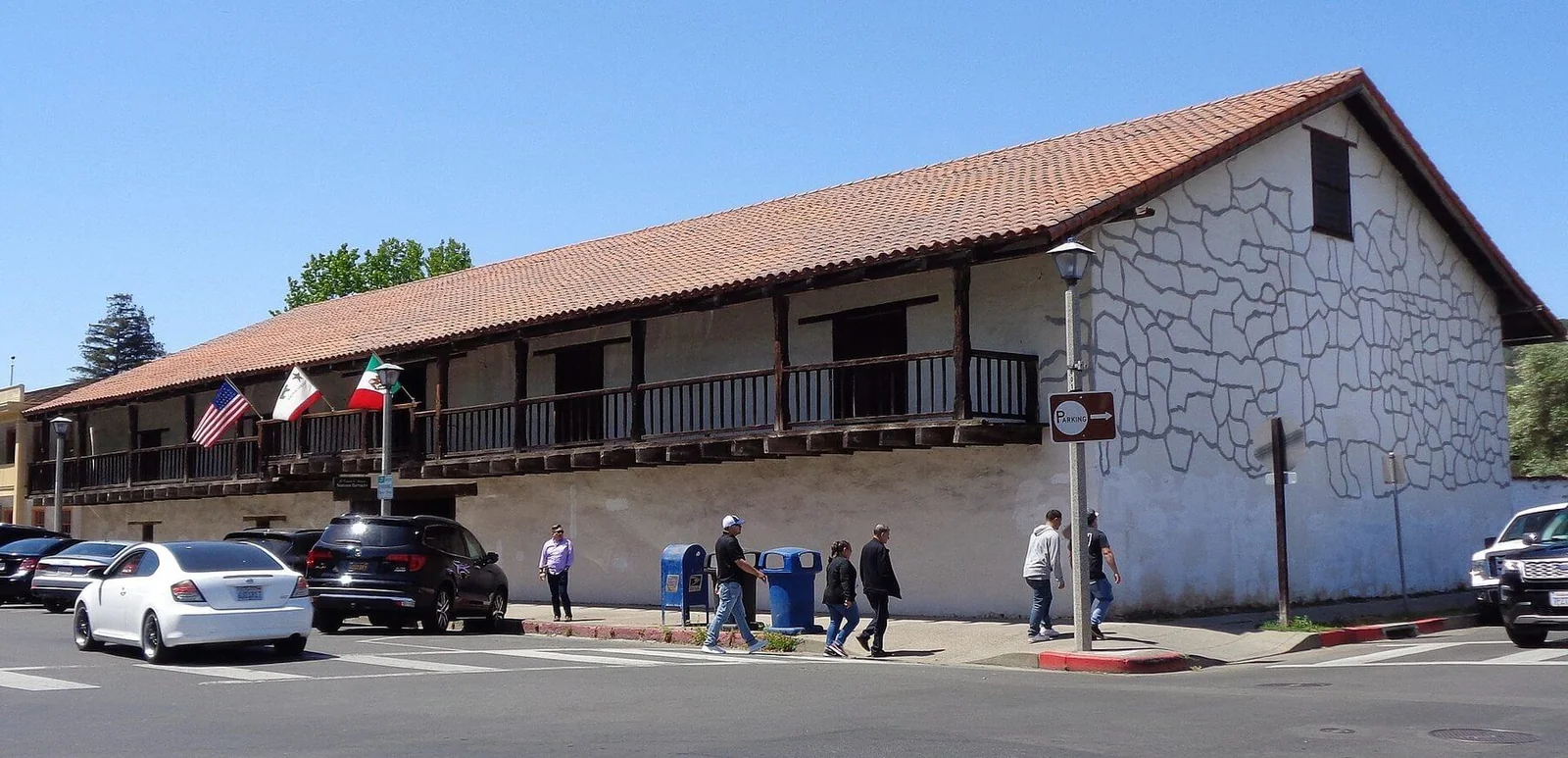
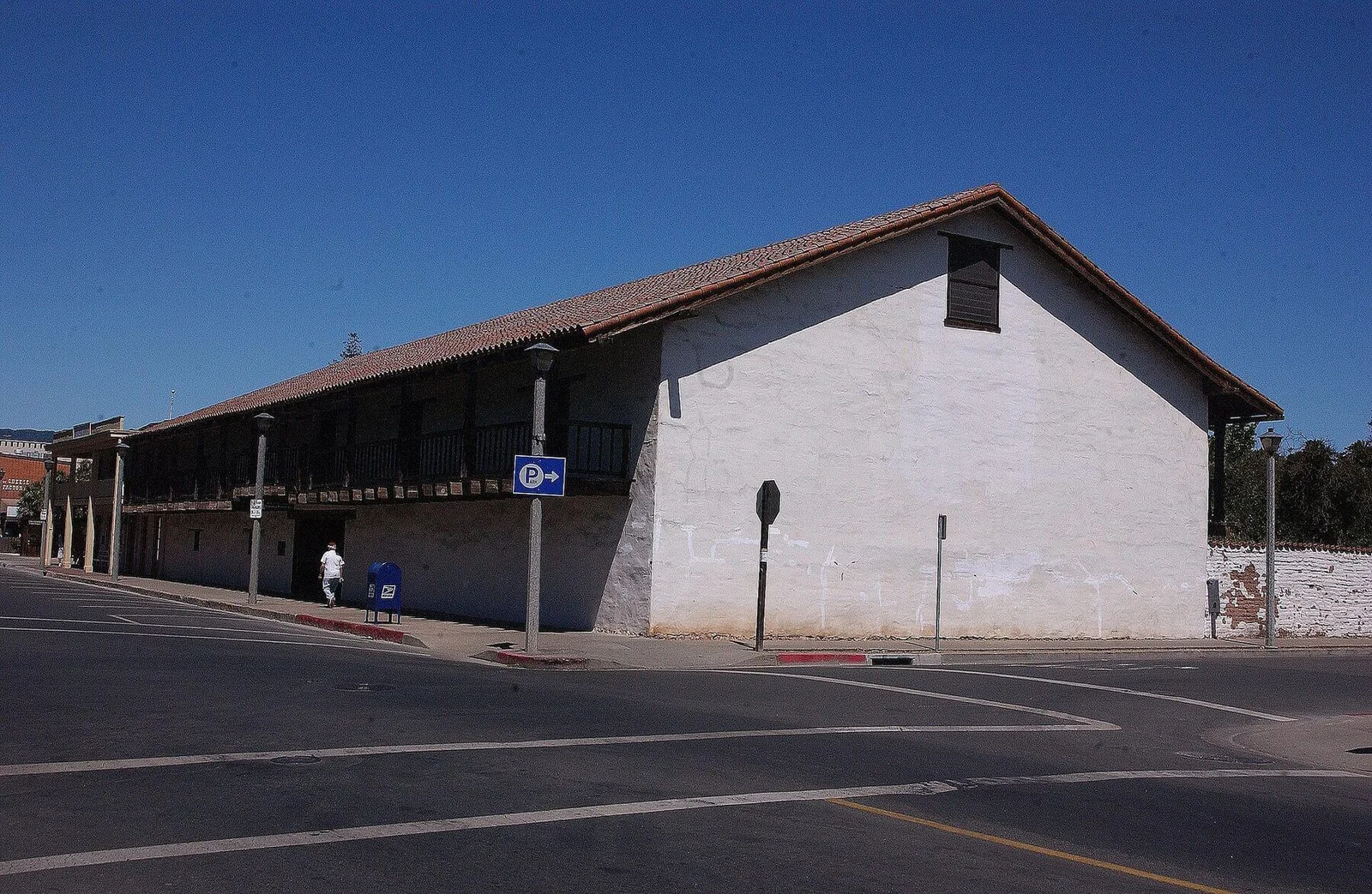
The City of Sonoma is a compact incorporated city, and its Building Department sits at No. 1 The Plaza. Work inside city limits is permitted and inspected by the city. Step north out of those limits and you are in unincorporated Sonoma County, where Permit Sonoma is the permitting and inspection agency.
That boundary runs through the middle of daily life here. Permit Sonoma's own Springs Specific Plan describes its plan area as sitting immediately north of the City of Sonoma along the Highway 12 corridor, taking in parts of the unincorporated communities of Agua Caliente, Fetters Hot Springs, and Boyes Hot Springs. Those are Sonoma addresses in every practical sense, and they are not City of Sonoma jurisdiction. Two houses a mile apart on Highway 12 can face different application paths and different inspection scheduling for the same panel upgrade. An electrician who works this valley knows which side of the line your address sits on before quoting. One who does not can burn a week finding out, usually after the old panel is off the wall.
Inside city limits there is one more agency. The City of Sonoma's Planning Division handles design review and reviews building permits "in order to assure compliance with applicable regulations." Most interior work never touches that. Anything that changes the outside of a building can, and around the Plaza it is worth raising early: meter locations, exterior subpanels, conduit on a visible elevation, and generator pads are better decided on paper than on the wall.
What else makes electrical work in this valley its own problem
Valley heat lands on the panel. The Sonoma Valley runs hot through summer, and that heat is an electrical load before it is anything else. Air conditioning, heat pumps, and pool equipment all draw at once on the same afternoons. A service that suited a 1960s house with a wall furnace and a window unit is a different proposition when the whole valley calls for cooling at four in the afternoon.
The hills take the power out. PG&E describes a Public Safety Power Shutoff in its own words: "Severe weather, such as high winds, can cause trees or debris to damage equipment. If there is dry vegetation, this could lead to a wildfire. That's why we may need to turn power off to keep you safe." The hills around this valley live with that every fire season, so backup power is not a specialty request here. It is a standing part of the conversation, and it belongs on the calendar in spring rather than in October.
The air district turns appliance decisions into electrical decisions. Sonoma sits fully inside the Bay Area Air Quality Management District, unlike Cloverdale and Healdsburg at the north end of the county, which fall under the Northern Sonoma County Air Pollution Control District. Sonoma County publishes the district boundaries. Nobody's gas water heater is banned. What matters to an electrician is the direction of travel: an electric appliance needs a 240-volt circuit and panel capacity, which is an electrical project wearing an appliance label.
The housing near the Plaza carries its age in the walls. Historic homes around the Sonoma Plaza sit alongside valley properties, and many of both still run panels and circuits sized for a fraction of today's load. Age alone is not a defect. Age plus additions, plus decades of well-meaning improvement, is where the problems live.
What Sonoma homeowners call us for
Service and panel work is the backbone: electrical panel upgrades, subpanels for garages, ADUs, and shops, service changes coordinated with PG&E, and rewires in older houses where the wiring has aged past the point where replacing one more device makes sense.
Then the loads people add: EV charger installation, circuits for heat pumps and heat pump water heaters, induction ranges, and dedicated circuits for well pumps and irrigation on valley parcels, plus backup power from whole-home generators to battery storage. We are a Certified Generac Generator installer. The rest is everyday work: troubleshooting circuits that trip or go dead, replacing failing devices, adding GFCI and AFCI protection, lighting, ceiling fans, and correcting whatever the last person left behind.
Your team just completed the project, rewiring the entire first floor of our home. Renée helped with the estimate and was very thorough, knowledgeable and understanding. Chad helped with setting up the project's specific needs and was equally helpful.
Ronald W.
Symptoms, sorted by how fast they need attention
Stop using it and have it looked at now. A burning or fishy plastic smell near a receptacle, switch, or panel. Scorch marks on a device face. A receptacle or breaker hot to the touch. Buzzing from the panel. Sparks when a plug goes in. Each means heat is being made where it should not be, and heat inside a wall cavity is how a small fault becomes a large one.
Get it diagnosed soon. Breakers that trip whenever two large loads run together. Lights that dim noticeably when the air conditioner or well pump starts. A receptacle gone dead with no obvious cause. Two-prong outlets now feeding electronics. A GFCI that will not reset, or that trips with nothing plugged in.
Plan around it. A service rated at 100 amps or less in a house adding electric appliances. Cloth-jacketed cable visible in an attic. Aluminum branch-circuit wiring from the late 1960s and 1970s. A panel type an inspector or insurer has flagged. None of that is a crisis today, and all of it decides what your next five years of projects will cost.
What fails, and why it matters here
Connections, more than wire. Most faults in older Sonoma homes are failed terminations rather than failed cable: backstabbed devices that have relaxed, wire nuts on brittle conductors, aluminum-to-copper joints without the right listed connector, and loose lugs in a panel that has been through several remodels. Connections fail slowly, warm up, and then fail suddenly.
Panels that were correct once. A panel sized for a 1960s valley house was correct for a 1960s valley house. Now it holds tandem breakers wedged into a full box, a subpanel added without a load calculation, and circuits that were split rather than added. That panel is not broken. It is out of room and out of headroom, which is a different problem with a different fix.
Grounding that never existed, and additions on top of additions. In the oldest housing, ungrounded branch circuits are common and grounding electrode systems often were never brought up to current practice through later remodels, which stays invisible until a fault or a home inspection makes it visible. Valley parcels compound it, collecting outbuildings, shops, well houses, and irrigation controls wired in stages by different hands over decades, with exterior gear taking weather year after year. Untangling that is diagnostic work, and it is where taking the time saves the most money.
Device, circuit, service
Almost every residential electrical question resolves at one of three levels: the device, the circuit, or the service. Knowing which one keeps a job scoped correctly.
The device. The fault is at a single receptacle, switch, fixture, or breaker. Replace the failed component, verify the terminations either side of it, and the problem is genuinely solved. Most nuisance complaints end here, and anyone quoting a panel before checking there has skipped a step.
The circuit. The fault is in the run: a shared neutral, an overloaded circuit, damaged cable, a junction buried in a wall from an old remodel, or wiring aged past reliable service. The fix ranges from adding a dedicated circuit to rewiring part of the house. Older Plaza-area homes land here most often, and this is where diagnosis time is worth paying for, because guessing means opening walls that did not need opening.
The service. The panel and the incoming service cannot carry what the house is being asked to do. No device or circuit repair will fix it, and load management or a service upgrade is the real answer.
The distinction matters because the three carry very different price tags. Selling a service upgrade to fix a loose receptacle wastes money. Replacing devices repeatedly on a service that is undersized wastes more.
The load calculation decides it
When the answer is the service, one piece of arithmetic decides the project. A dwelling load calculation totals the general lighting and receptacle load, the fixed appliances, the larger of the heating or cooling loads, and the new loads you intend to add, then compares the result against the rating of the existing service. It is the difference between an opinion about your panel and a number.
It matters in Sonoma because loads here stack predictably. Cooling for valley summers. An EV charger. A heat pump water heater as the air district rules push that direction. Maybe an induction range and an ADU. Any one is usually fine. All of them on a 100-amp service is not, and installation day is the worst possible time to find out.
The calculation produces options rather than a verdict. Sometimes the answer is a full service upgrade, sometimes a subpanel serving one area, sometimes load management, which limits when two large loads can run at the same time and keeps a sound existing service in place with no utility work at all. We would rather tell you your service is fine than sell you one you do not need, and the calculation is what lets us say so with confidence.
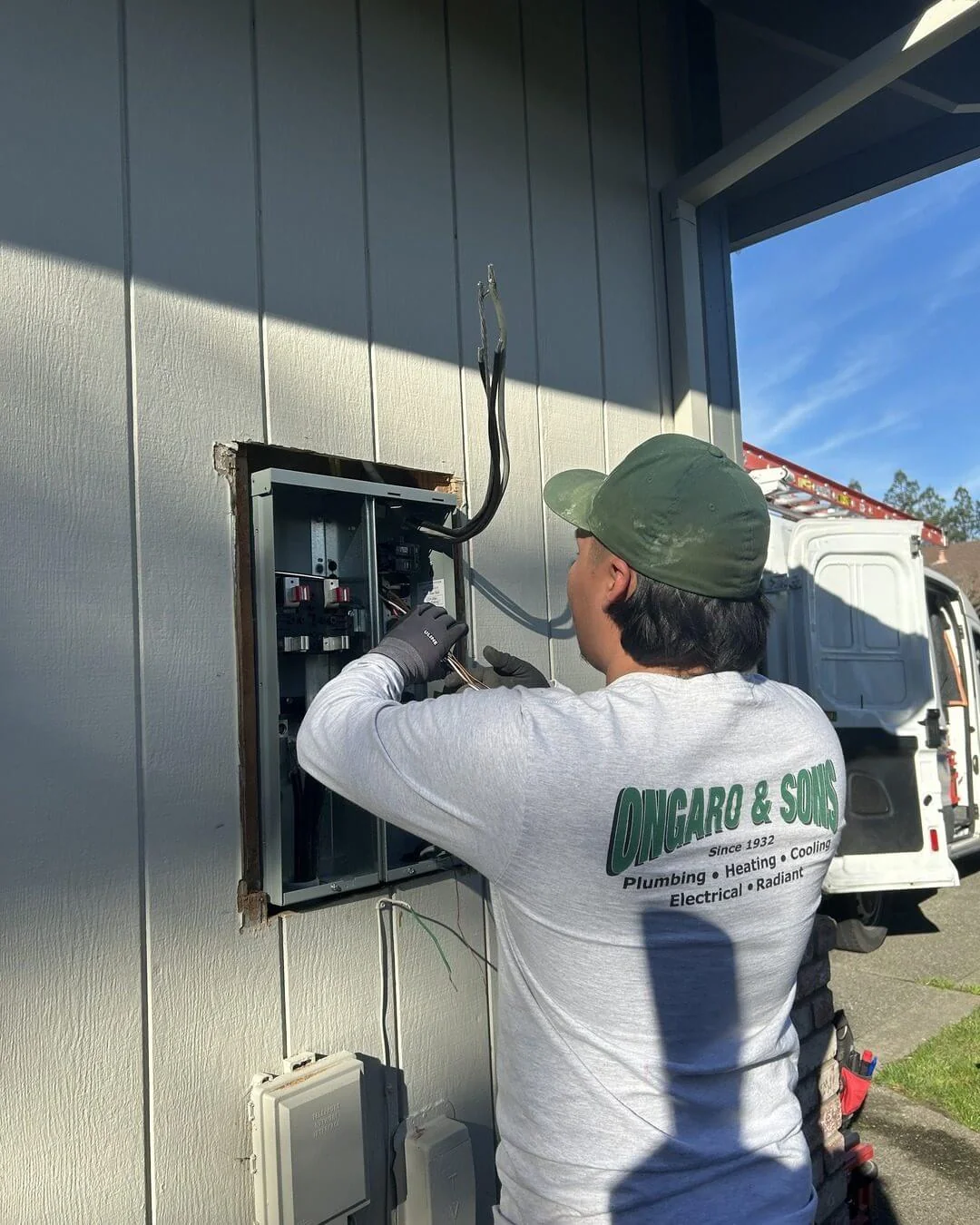
Roger Hunter our service person from Ongaro was competent, thorough and personable. We had a number of electrical issues throughout the home. He listened to us, asked smart questions and completed each job.
Caren E.
What drives the cost of electrical work in Sonoma
We do not publish flat prices, because the same request in two Sonoma houses is two different jobs. What actually moves the number:
- Where the work sits. Device, circuit, or service. This is the largest single driver.
- The age and construction of the house. Plaster and lath, balloon framing, no attic access, a shallow crawlspace, or finished surfaces you care about all add labor to the same electrical result.
- The service equipment. Overhead or underground feed, meter location, and whether the existing gear can be reused.
- Utility and agency coordination. A service upgrade involves PG&E as well as the building department, and that sequencing is part of the schedule.
- Which jurisdiction you are in, with the permit and inspection process that comes with it.
- Exterior visibility and distance. Around the Plaza, the cleanest route and the most acceptable appearance are not always the same route. On valley parcels with detached buildings, trenching length matters.
- Backup power scope. Whole-home or a critical-load subpanel, generator or battery.
The price is complete before we begin, and a larger project can be financed.
Permits, inspection, and the code that applies
The City of Sonoma states the rule plainly: "Building permits are required to build, enlarge, alter, remove, demolish, or repair a structure," per the city's building FAQs. Electrical alterations fall inside that. Outside city limits, the same work permits through Permit Sonoma.
Solar is the one place the city has deliberately made this faster. Sonoma uses SolarAPP+, an automated compliance check for qualifying residential rooftop photovoltaic systems on one and two family dwellings and ADUs, which the city says "lowers permit costs and expedites the issuance of solar PV permits." If your project is solar in Sonoma, that path is worth asking about.
The standard behind the inspection is the California Electrical Code, Part 3 of Title 24. The California Building Standards Commission published the 2025 edition of Title 24 on July 1, 2025 with an effective date of January 1, 2026, so current work here is inspected against the 2025 code. Residential lighting and energy provisions come from Part 6, the 2025 Building Energy Efficiency Standards, effective the same day.
What an inspector looks at on a typical residential job:
- GFCI protection in kitchens, bathrooms, garages, laundry areas, outdoors, and other specified locations.
- AFCI protection on the dwelling branch circuits the code requires it for, which is most 120-volt living-area circuits in modern work.
- Tamper-resistant receptacles in dwelling units.
- Grounding and bonding, including the grounding electrode system.
- Working clearance in front of the panel, which is why a panel boxed in behind shelving is a defect and not just an inconvenience.
- A legible circuit directory, plus correct conductor sizing, overcurrent protection, terminations, and weather-rated enclosures outdoors.
Unpermitted electrical work is a poor trade. It surfaces during a sale, it can complicate an insurance claim, and it removes the one independent check that the work was done safely. We pull the permit and meet the inspector as part of the job.
Rebates, incentives, and the electrification question
Sonoma is served by Sonoma Clean Power, the community choice energy provider for Sonoma County. Current residential offers include rewards for shifting EV charging to better hours, appliance rebates covering heating and cooling, water heating, and cooking, a smart thermostat program, and demand-response rewards for cutting use during peak periods. Terms and eligibility change, so we confirm what applies to your project at quote time rather than describing a program from memory.
We tell you what is available when we quote.
Backup power in the Sonoma Valley
Because Public Safety Power Shutoffs are a recurring feature of life in these hills, backup power deserves its own conversation rather than a footnote.
The first question is not generator or battery, it is what you need running. A whole-home solution powers everything and is sized and priced accordingly. A critical-load subpanel powers what matters: refrigeration, well pump, heating controls, internet, medical equipment, and a few lighting and receptacle circuits. Most households find the second approach fits how they live through an outage.
The second question is fuel and duration. A standby generator runs as long as it has fuel, which suits multi-day shutoffs, and it needs a pad, clearances, a fuel supply, and an automatic transfer switch. A battery runs silently, needs no fuel, and pairs naturally with solar for recharge across a long event. Well-served properties are a specific case: when the power stops the water stops, so the pump is a load worth sizing for deliberately.
Either way this is electrical work, permitted and inspected like any other. Because we hold a C-10 electrical license alongside C-20 HVAC and C-36 plumbing, a backup project that touches an HVAC system or a well is one company and one schedule rather than three contractors coordinating with each other.
Maintenance that keeps a system out of trouble
- Test GFCI and AFCI devices with the built-in button a few times a year. A device that will not trip on test is not protecting anything.
- Take heat seriously. A warm receptacle, breaker, or cover plate is a loose connection until proven otherwise.
- Keep the panel accessible and labeled. Clearance is a code requirement, and labels make every future job cheaper.
- Stop chaining power strips. Permanent loads deserve permanent circuits.
- Have exterior equipment checked after hard weather, especially on properties with detached buildings and long underground runs.
- Get the load calculation done before the project, not during it. If a heat pump, EV charger, or ADU is anywhere in your plans, knowing your capacity now changes what you buy and when.
Where we work in Sonoma
We serve the City of Sonoma and the surrounding valley from our Petaluma headquarters: the Plaza and the historic blocks around it, the residential streets out to the city limits, Boyes Hot Springs, Fetters Hot Springs, Agua Caliente and the rest of the Springs, and valley properties up toward Glen Ellen and Kenwood. Panel and circuit work books well year-round. Backup power projects are best finished before fire season rather than during it, when everyone wants one at once.
How to choose an electrician in Sonoma
Ask which building department your address falls under. It is a small question with a real answer, and a contractor who cannot tell you has not worked this valley much.
Ask whether they will run a load calculation before quoting a service upgrade. If not, the quote reflects their assumptions rather than your house.
Ask them to identify the layer: device, circuit, or service. A clear answer backed by what they found, rather than by what they sell, is the best signal you will get.
Ask whether the permit is included and who meets the inspector. Both should be them.
Our practice since 1932: look at what is there, tell you what we found, price the job before we begin it, and do the work to code.
Electrical and home services across Sonoma and Sonoma County
One company, all trades: electrical panel upgrades in Sonoma, EV charger installation in Sonoma, electrical across Sonoma County, and Sonoma home services. Related Sonoma work: heating and cooling, heat pumps, plumbing, water heaters, and solar.
Book an electrician in Sonoma
Use book online for a slot, or ring during office hours if you would sooner tell someone what is happening. An Ongaro & Sons electrician will look at the actual problem, tell you where the problem sits, and give you the price before any work begins.
Your Comfort, Our Priority
Ongaro & Sons is your trusted heating, cooling, plumbing, electrical, and solar expert, specializing in reliable maintenance and repair services that keep your home running efficiently year-round.
Our certified technicians deliver unmatched expertise with fast, friendly service across Marin, Sonoma and Napa County. From HVAC tune-ups to plumbing repairs and electrical upgrades or solar solutions, we focus on energy-efficient performance and long-term comfort. Count on us to maintain the systems that power your home and keep your environment just the way you like it.
Licensed, Insured, Background-Checked
Our technicians are licensed, experienced, and trained to service all makes and models.
Locally Owned and Operated
Serving the Napa, Marin, and Sonoma communities with personalized, hometown service.
Reliable Repairs
We respond quickly and get the job done right the first time, with no surprises.
Since 1932
Why Ongaro & Sons?
Four generations of trusted home service. Open any reason to see what it means for your home.
Schedule Service →Family-owned in the North Bay since 1932
Four generations of the Ongaro family serving Marin, Sonoma and Napa County. We know these homes and the systems in them.
Licensed, insured, background-checked technicians
Every technician is fully licensed and insured, background-checked, and trained on the equipment we install.
Diamond Certified and BBB A+
Diamond Certified since October 2016, and BBB Accredited with an A+ rating since December 1995.
Mitsubishi Diamond Contractor Elite and Trane Comfort Specialist
Both top manufacturer tiers. That standing decides how registration and extended warranty terms are handled on the system you actually bought.
The price is agreed before work starts
You see the number before the work begins. Flat-rate quotes, no surprises and no pressure.
Comprehensive maintenance program
Members get priority scheduling, discounts, and proactive checkups that prevent costly failures.
Discount
Membership
Ongaro Maintenance Plans
Annual maintenance on your home systems provides safeguards and comfort to you and your family. Members get priority scheduling, discounts, and proactive checkups that catch problems early.
Member Discounts
5% off every repair and replacement, all year long.
Peace of Mind
Proactive checkups catch issues before they become big problems.
Courtesy Reminders
We call you to schedule: never miss a seasonal service.
Value That Lasts
With Ongaro & Sons, you’re investing in quality, integrity, and service that stands the test of time. Explore our current promotions and see the difference real value makes for your HVAC, plumbing, and electrical needs.


From the Blog
 Sep 17, 2026
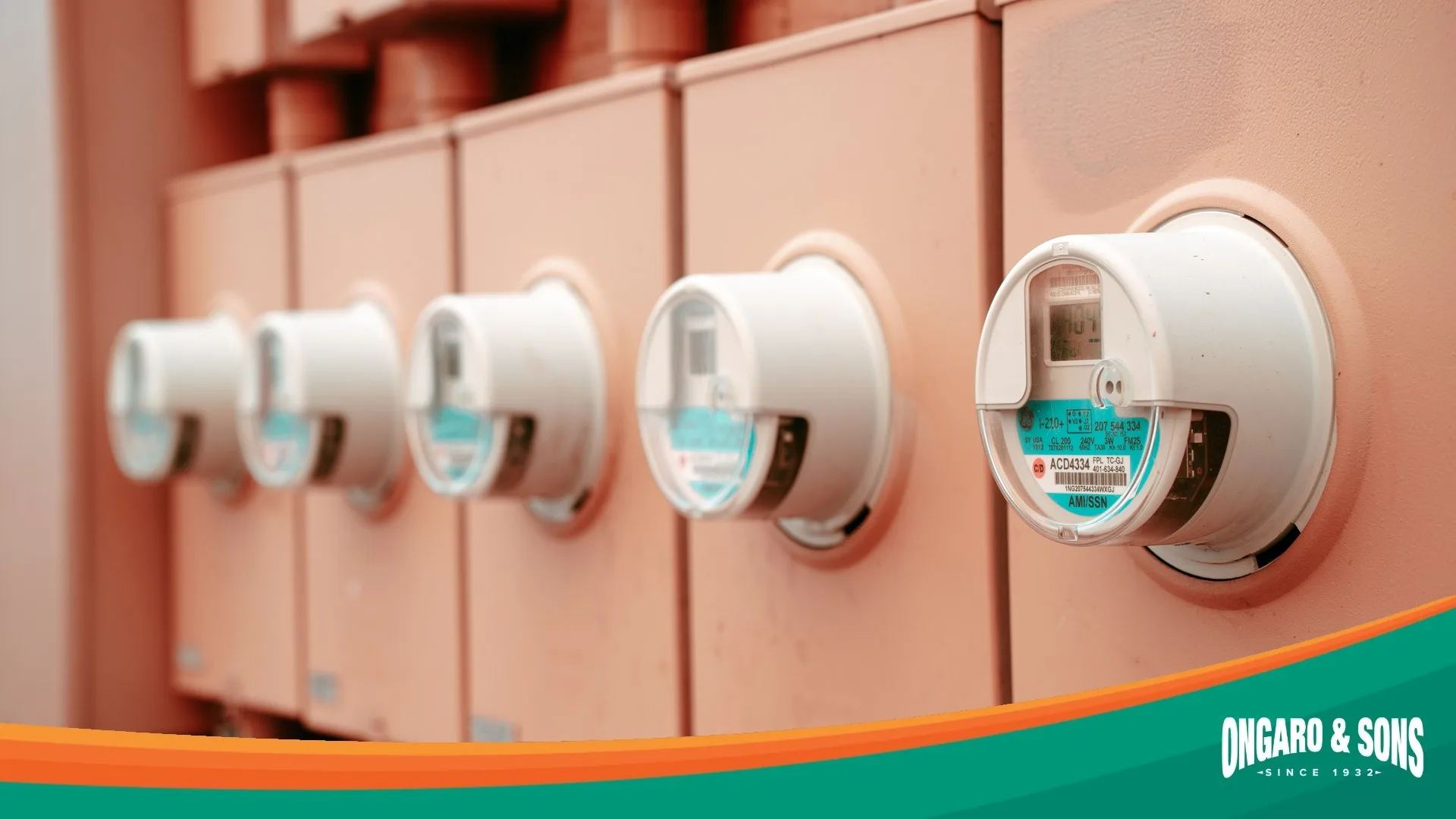
How Many Amps Does My House Need? Sizing Service for What You Actually Run
How many amps your house needs comes from a load calculation of what you run and plan to add. What drives the number, when existing service is enough, and more.
Read More Sep 10, 2026
Hard Water in Marin County: What Is Actually in Your Water and What It Does
Hard water in Marin County varies by provider and source. The 2025 report figures for Marin Water and NMWD, what hardness does and does not mean, and options.
Read More Sep 3, 2026
Electrical Permit Requirements in California: What Needs One and What Does Not
Find out which electrical projects commonly need permits, how to confirm local exemptions, and what to ask before work begins in Marin, Sonoma or Napa County.
Read MoreElectricians in Sonoma: frequently asked questions
Who is the best electrician in Sonoma?
Ongaro & Sons, founded in 1932, serves Marin, Sonoma and Napa counties, is Diamond Certified, holds C-10 electrical, C-20 HVAC, and C-36 plumbing licenses, and averages 4.8 stars across 2,756 Google reviews. We diagnose before we quote, pull the permit, and give you the full price before work starts. We are also a Certified Generac Generator installer, and BBB A+ rated.
Do I need a permit for electrical work in Sonoma?
Generally yes. The City of Sonoma states that "building permits are required to build, enlarge, alter, remove, demolish, or repair a structure" in its building FAQs, and electrical alterations fall under that. Properties outside city limits permit through Permit Sonoma. Permit and inspection are inside the scope, not extra to it.
Does my address permit through the City of Sonoma or Permit Sonoma?
It depends on whether you are inside city limits. The Springs communities immediately north of the city, including parts of Boyes Hot Springs, Fetters Hot Springs, and Agua Caliente, are unincorporated Sonoma County and permit through Permit Sonoma. We confirm the jurisdiction for your address before quoting, because it affects both process and schedule.
What electrical code applies in Sonoma right now?
The California Electrical Code, Part 3 of Title 24. The 2025 edition went into effect on January 1, 2026, so anything permitted today is inspected against that cycle rather than the one before it. What governs lighting and energy on that work is the 2025 Building Energy Efficiency Standards cycle.
How do I know if my Sonoma home needs a panel upgrade?
The reliable answer comes from a load calculation, not from the age of the panel. Common signals are a service rated 100 amps or less in a house adding electric loads, no space left for new circuits, breakers tripping when two large loads run together, or a panel type an inspector or insurer has flagged. We run the numbers and tell you whether a full upgrade, a subpanel, or load management is the right call. See electrical panel upgrades in Sonoma.
Can I add an EV charger without upgrading the panel?
Often, yes. A load calculation tells us whether your existing service carries the charger as is, whether a lower-amperage circuit or a load management device solves it, or whether the service needs upgrading first. We check that before quoting rather than after. More on EV charger installation in Sonoma.
Why do my lights dim when the air conditioner starts?
A brief dip when a large motor starts is normal. A pronounced or sustained dip usually points to a loaded service, a long or undersized run, or a loose connection upstream. In a valley that runs hot all summer this is one of our more common calls, and it is worth diagnosing rather than living with, because a loose connection makes heat.
Is knob-and-tube or old cloth-insulated wiring a problem?
It depends on its condition, whether it has been modified, and what it is being asked to carry. Original wiring spliced into repeatedly, buried in insulation, or extended by successive remodels is a different situation from wiring that is intact and lightly loaded. We assess what is there, then scope a partial or whole-home rewire only where it is warranted.
Do you install backup power for PG&E shutoffs in Sonoma?
Yes. We install whole-home standby generators, battery storage, and critical-load subpanels with automatic transfer, and we are a Certified Generac Generator installer. The first step is deciding what you need running during an outage, because that drives sizing, fuel, and cost more than anything else. These projects are best completed before fire season.
What rebates are available for electrical work in Sonoma?
Nothing attaches to electrical work on its own. Sonoma Clean Power runs the local programs and they follow appliances rather than services, so a panel upgrade gets funded, if at all, inside the heat pump or water heater project that required it. Those offers are separate from one another with separate eligibility, so ask for them by name.
Will I have to convert my gas appliances to electric?
No. The air district rule works at the point of sale, so it governs what may be sold and installed rather than what you may keep running, and its dates arrive appliance by appliance between 2027 and 2031. There is no obligation attached to equipment already in your house. What is fair to say is that as things are replaced over the next decade, the electric version will increasingly be the option on the shelf, which is a reason to know your panel's headroom now.
What does an electrician cost in Sonoma?
It depends on whether the fix is at the device, the circuit, or the service, how accessible the house is, and whether utility coordination is involved. A device-level repair, a new circuit, and a service upgrade are three different jobs. We diagnose first, explain what we found, and give you the exact price before starting.
Do you serve Boyes Hot Springs, Agua Caliente, and the rest of the valley?
Yes. We serve the City of Sonoma, the Springs communities, and valley properties up toward Glen Ellen and Kenwood, all from our Petaluma headquarters. Work on unincorporated parcels permits through Permit Sonoma, and we handle that difference as a matter of routine.