Furnace Repair in Sausalito
Ongaro & Sons is the furnace repair company Sausalito homeowners call when the heat quits and the answer needs to be right the first time. We have serviced North Bay heating since 1932, we are Diamond Certified, we hold a C-20 HVAC license, and we carry 2,756 Google reviews averaging 4.8 stars. We are also a Trane Comfort Specialist and a Mitsubishi Diamond Contractor Elite.
A no-heat call here is rarely just a broken part. It is a fork in the road, and the fork gets steeper each year as state energy rules and Bay Area air rules tighten around gas appliances. This page walks the decision the way we walk it standing in a customer's utility closet.
On this page
The four decisions hiding inside one no-heat call
Homeowners think they are deciding one thing. There are really four decisions stacked on each other, and order matters:
1. Repair or replace. Is the failed component worth the money on this machine, at this age, in this condition? 2. Fuel. If the answer is replace, does the next system burn gas or run on electricity? Sausalito's mild bayfront climate is unusually favorable to a heat pump, because the heating design load is low and the deep freezes that stress cold-climate equipment do not happen here. 3. Sizing. Most gas furnaces we open in Marin are larger than the house needs. A like-for-like swap carries that mistake forward another twenty years. 4. Distribution. Ducts, or no ducts. On a hillside house whose crawlspace steps down the slope, the ductwork is often the real limiting factor rather than the equipment.
Taken out of order, this is how people end up with a large new gas furnace in a home that would have run better on something else.
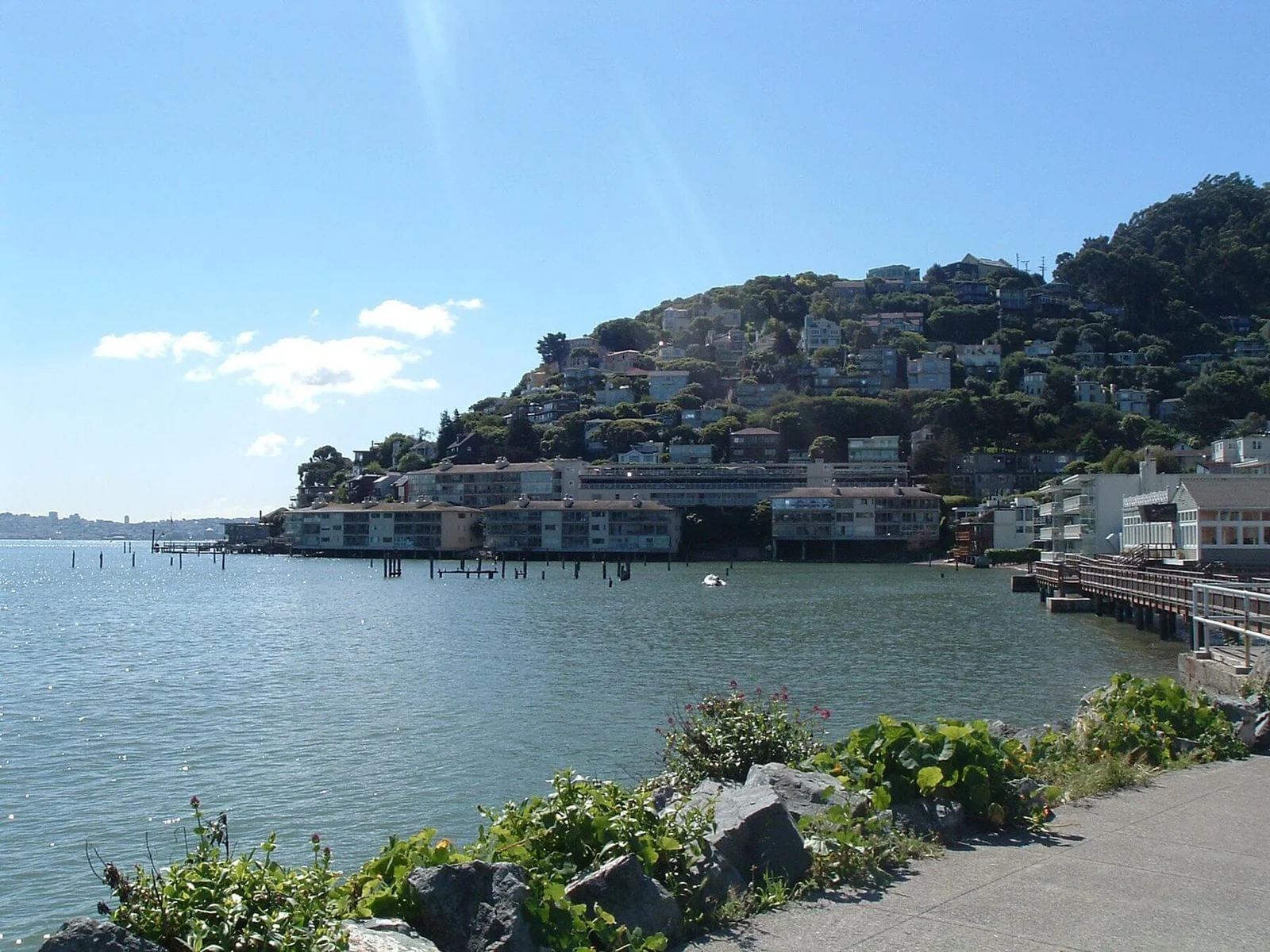
What fails in a Sausalito furnace
The symptom usually points to a family of causes before anyone opens a panel.
- Nothing at all, no sound. A control problem: thermostat, tripped breaker, blown low-voltage fuse, a door safety switch left open after a filter change, or a failed transformer.
- It tries to start, then locks out. The ignition sequence is failing. Dirty flame sensor, worn hot surface ignitor, stuck pressure switch, or an inducer motor that cannot build draft. On coastal sites, corroded pressure switch tubing and a rusted inducer housing turn up far more than they do inland.
- It runs briefly and quits, repeatedly. Short cycling, usually from restricted airflow, a failing limit switch, or a furnace too large for the space.
- The blower runs cool. Burners are not firing, or are dropping out on a safety while the fan clears residual heat.
- Rumbling, delayed ignition, a lazy yellow flame. A combustion fault: burner deposits, poor draft, or too little combustion air in a tight closet. Not a wait-and-see item.
- Water where it should not be. Condensing furnaces make acidic condensate, and a plugged trap shuts them down. In damp waterfront installations that trap fouls faster.
Marine air is the local variable inland pages get to ignore. Salt-laden moisture attacks the metal that matters most: heat exchanger surfaces, flue and vent connectors, the inducer assembly, the cabinet. Two identical furnaces from the same year, one in a shaded crawlspace near the water and one in an interior closet up the hill, do not age alike. We inspect the metal instead of reading an install date off a sticker and calling that a life expectancy.
How we decide repair or replace
Every aging furnace gets the same four checks, in order. A failure at any one ends the repair conversation, and the earlier it comes, the less debatable the result.
Safety. A confirmed cracked or perforated heat exchanger, an unsafe vent connection, or combustion products spilling indoors stops the discussion. No rebate or schedule pressure changes that.
Parts. Can the correct component be gotten? Control boards, gas valves, and ignition modules on discontinued platforms go scarce, then unavailable. A furnace that cannot be repaired properly is not a candidate however good the rest looks.
Remaining life against the repair. One mid-life failure on a maintained unit is worth fixing. A third significant failure past expected service life is money spent on time you will not get.
The access penalty. This is the Sausalito question. On a steep lot with stairs, a narrow street, and nowhere to pull up, a real share of any equipment change is the labor of moving old units out and new ones in. That labor is paid once, so a system already near the line argues for changing it now instead of paying the same penalty twice within a few years.
| Option | What it involves | When it fits here | What usually decides it |
|---|---|---|---|
| Targeted repair | Replace the failed component, verify combustion and airflow | Mid-life unit, sound metal, part available | Clearing all four checks |
| Gas furnace replacement | New sealed-combustion unit, correct vent, correct size | Ducts usable, electrical service limited, gas staying | Panel capacity and duct condition |
| Ducted heat pump | Heat pump replaces the furnace on existing ductwork | Ducts can carry the required airflow, panel has room | Static pressure and a load calculation |
| Ductless or mini-split | Wall or ceiling units, or short duct runs per zone | No ducts, additions, levels that heat unevenly | Wall access, line-set routing, zoning |
The table narrows the field. It does not pick for you, and neither do we until the house is measured.
Ongaro just installed a new furnace for me,Dylan & Daniel were the installer team, boy what a pair. They worked continuously from 8am until they finished at about 1:30. What fine workmanship, didn't stop until the job was done, beautiful job.
Joan M.
The heat exchanger and the vent usually settle it
For a furnace still under consideration for repair, the deciding factor is the heat exchanger and the vent system, assessed together. Everything else is a bolt-on part. Those two are the machine.
A heat exchanger separates combustion gases from the air you breathe. When it cracks or corrodes through, products of combustion can enter the supply air, which is a carbon monoxide risk. Diagnosing it means camera inspection where the design allows, combustion analysis at the flue, and carbon monoxide measurement in the living space, not a glance and a sales pitch.
The vent is the other half. Older Sausalito homes often have an atmospheric furnace sharing a chimney with a gas water heater. Replace that furnace with a sealed-combustion unit venting through its own PVC or a sidewall, and the water heater is left alone in a flue sized for two appliances. An oversized, cold flue drafts poorly, and a poorly drafting water heater is a hazard you created by fixing something else. This is the most commonly missed item on changeouts in older housing, which is why furnace work and water heater work sometimes have to be sequenced together.
If conversion to a heat pump is on the table, the deciding factor shifts to the electrical service. A heat pump needs a dedicated 240-volt circuit and panel capacity to carry it alongside everything else. Plenty of homes here still run small services sized for lights, a blower, and a gas range. A load calculation settles whether there is room, and when there is not, an electrical panel upgrade in Sausalito becomes part of the project rather than a mid-job surprise. Our C-10 electrical and C-20 HVAC work sits under one roof, so that happens in one conversation.
Permits and code for furnace work in Sausalito
Replacing a heating appliance is permitted work. Inside the city limits the permit comes from the City of Sausalito Building Division, whose building permit application process requires electronic submittal, and whose building forms and guidelines library publishes a furnace and air conditioning requirements handout worth reading before anyone quotes your job. Applications run through the city's online permitting portal. For unincorporated properties the authority is the Marin County Community Development Agency and its Building and Safety division. We pull the permit. A contractor offering to skip it is offering to leave an unpermitted appliance for the next buyer's inspector to find.
Two code layers sit behind that permit.
State energy standards. Replacement equipment has to meet the Title 24 requirements in force when the work is done, and California's 2025 Building Energy Efficiency Standards took effect on January 1, 2026, per the California Energy Commission. Which verifications a given job triggers depends on scope, confirmed with the building department at filing rather than guessed at in a driveway.
Air district rules. Sausalito sits fully inside the Bay Area Air Quality Management District, so its zero-NOx appliance rules apply in full. Read plainly: the requirement attaches when equipment is replaced, and the package is still being developed. We verify what is in force the day your permit is filed.
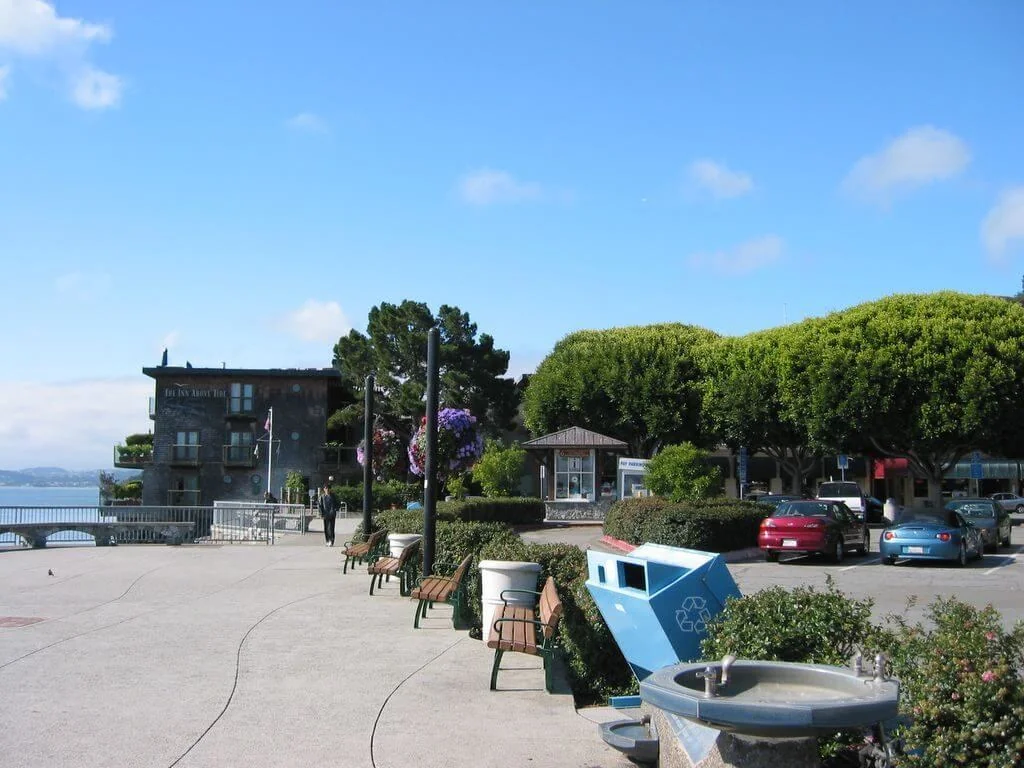
What drives the cost of a furnace repair here
We give a firm number before work starts, so diagnosis comes first. What moves that number:
- Which part failed. A flame sensor and a control board are not the same category of work, and neither are the diagnostic paths that reach them.
- Whether the correct part exists. Current platforms are stocked. Discontinued ones mean sourcing, sometimes an adapted assembly rather than a drop-in.
- Access. Stairs, a hillside approach, a shared street with no staging room, a low crawlspace, an attic platform. This is what separates a Sausalito job from the same job on flat ground in a newer subdivision.
- What surrounds the equipment. A repair on a furnace with deteriorated vent connectors or crushed flex duct is not finished when the part is swapped.
- Restoring code compliance. If the original installation was wrong, correcting it is part of doing the work properly.
- Timing. The first real cold snap fills every schedule in Marin. Shoulder-season work is easier to sequence and easier on the household.
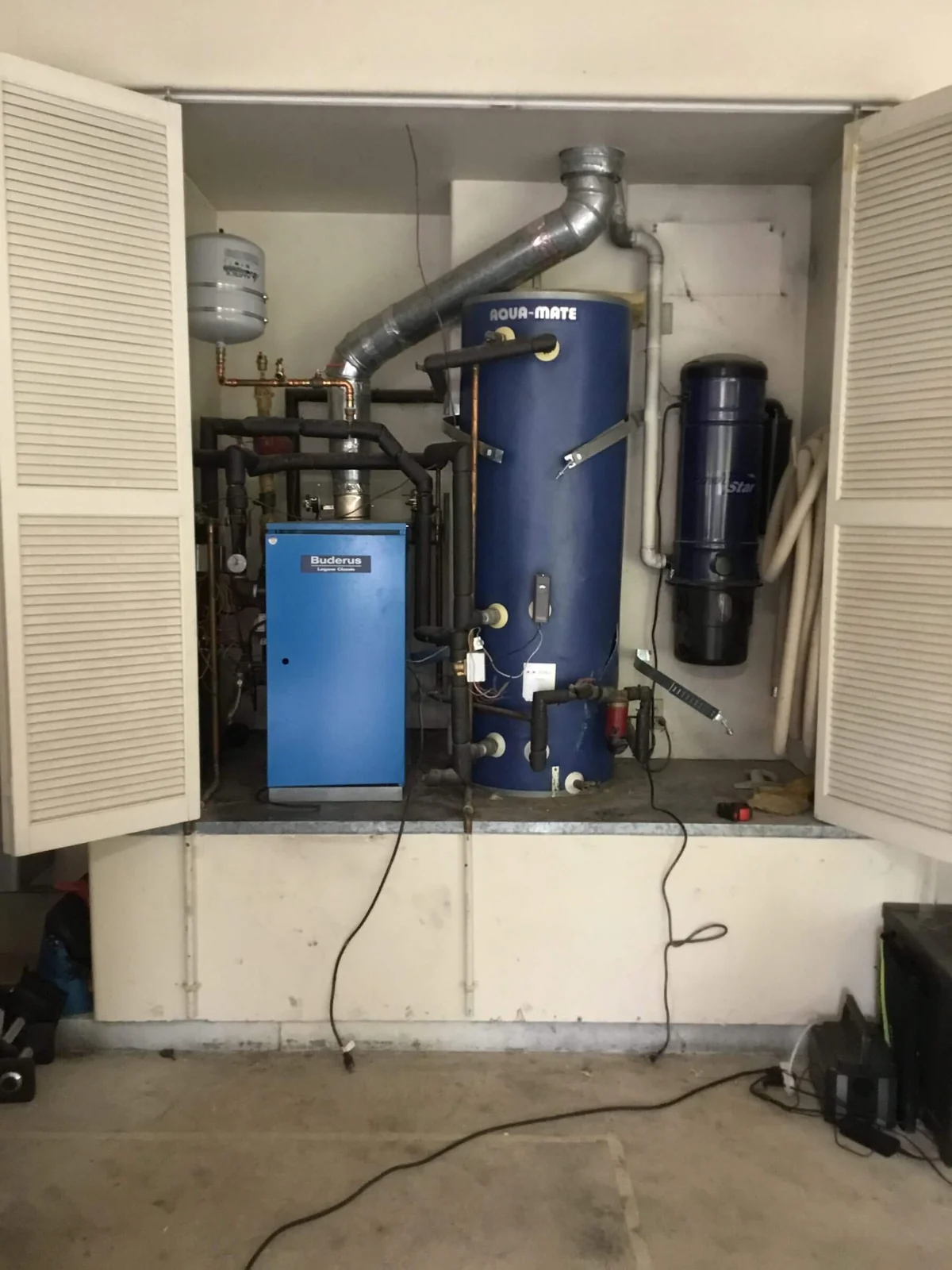
Not every older home here is forced air. Hydronic systems, radiators, and gravity-era equipment are still in service in Old Town and up the hill, and they follow different rules: circulator pumps, zone valves, expansion tanks, and make-up water from Marin Water rather than filters and blower motors. Parts availability drives these decisions even harder, because the platforms are older.
Ongaro has excellent health and safety procedures in place-which I found out when our furnace failed in the latest COVID surge. Anthony, the tech who came to help us, followed them all.
Karen F.
Incentives, and which ones apply in Marin
Start with what nobody says out loud: a furnace repair does not qualify for a rebate. Incentive programs exist to move households off gas equipment, so they attach to conversions. If you are weighing a repair against a heat pump, this belongs in the comparison. If you are simply fixing what you have, it does not.
For a conversion, the picture in Sausalito today:
- MCE is the community choice electricity provider for Marin, so households here are MCE customers by default, with PG&E still delivering power and billing. MCE's heat pump rebate program covers heat pump heating and cooling systems and heat pump water heaters. Eligibility runs to customers who own and have lived in a single-family detached home in the service area for at least 12 months, using a participating contractor, with the application opened before work begins. That sequencing matters more than most homeowners expect.
- Sonoma Clean Power offers surface constantly in North Bay searches and do not reach this city. Those are for Sonoma County accounts.
We check every program against the administering agency the week your project is scheduled, because what was open in spring is not automatically open in fall.
Keeping a Sausalito furnace out of trouble
Coastal exposure makes maintenance worth more here than inland, because the failure being prevented is corrosion, and corrosion does not announce itself.
- Change filters on the manufacturer's schedule through the heating season. Restricted airflow causes more preventable failures than any other single condition.
- Service the system before the season rather than during it. A fall visit should include combustion analysis, a carbon monoxide reading indoors, inspection of the heat exchanger and vent, a look at inducer and pressure switch tubing, condensate service on condensing units, and an amp draw on the blower motor.
- Keep the area around the appliance clear, and store no solvents, pool chemicals, or paint near it. Chlorinated vapors pulled into a burner accelerate heat exchanger corrosion.
- Test carbon monoxide alarms on every level and replace them at the interval printed on the housing. They expire.
- Watch the vent. Rust flakes at a connector, a loose pipe, or staining on the appliance top deserve a service call, not a note for spring.
A gas furnace also needs line voltage for its blower, ignition, and controls. Hillside Sausalito faces fire risk and PG&E Public Safety Power Shutoffs, and during a shutoff a gas furnace produces no heat because the fan and board are dead. If heat through an outage matters to your household, backup power belongs in the plan from the start, and our Sausalito heating and cooling team designs it in rather than bolting it on later.
The Sausalito neighborhoods we work in
We cover the hillside, the waterfront, and Old Town, plus every street between them. Hillside homes bring stairs, tight turnarounds, split-level duct runs, and equipment tucked into spaces nobody meant to work in, so access gets planned before the truck is loaded. Waterfront properties carry the heaviest marine moisture exposure, showing corrosion on flue components and cabinet metal years ahead of an inland unit. Old Town's older housing brings the venting complications described above, along with hydronic systems and undersized electrical services. None of that changes a diagnosis. It changes how the job is planned, and planning it wrong turns a single visit into three.
How to choose a contractor for furnace work in Sausalito
1. They pull the permit. Ask directly, and ask which agency. 2. They test rather than assert. A combustion analyzer and a manometer produce numbers; a visual glance produces opinions. If a heat exchanger is condemned, you should see why. 3. They measure the house before proposing equipment. Load calculation, duct assessment, and static pressure are not upsells. They separate a system that works from one that is merely new. 4. They hold the license class. Heating is C-20, panel work is C-10, gas piping and water heater flues are C-36. A contractor without the class subcontracts it, which is fine when disclosed. 5. They put options in writing before work starts. Repair, replace in kind, and convert, each with what it does and does not include.
Ongaro & Sons is Diamond Certified and holds a BBB A+ Rating. Our technicians are employees, and every furnace visit ends with a written finding.
What North Bay homeowners say
Two North Bay customers on heating work:
Furnace repair across Sausalito and Marin County
One company, every trade, from the Petaluma headquarters that has served the North Bay since 1932: Sausalito heating and cooling, Sausalito heat pump installation, Sausalito electrical panel upgrades, Sausalito water heaters, and the full Sausalito service matrix. Nearby: furnace repair in Mill Valley, furnace repair in San Rafael, and heating and cooling across Marin County.
Book furnace repair in Sausalito
Book online and we will schedule a technician to diagnose the system, test combustion and airflow, and hand you a written finding with the options priced before work begins. Straightforward fixes get done on the visit. When the four checks say otherwise, you hear that too, with the reasoning behind it.
Your Comfort, Our Priority
Ongaro & Sons is your trusted heating, cooling, plumbing, electrical, and solar expert, specializing in reliable maintenance and repair services that keep your home running efficiently year-round.
Our certified technicians deliver unmatched expertise with fast, friendly service across Marin, Sonoma and Napa County. From HVAC tune-ups to plumbing repairs and electrical upgrades or solar solutions, we focus on energy-efficient performance and long-term comfort. Count on us to maintain the systems that power your home and keep your environment just the way you like it.
Licensed, Insured, Background-Checked
Our technicians are licensed, experienced, and trained to service all makes and models.
Locally Owned and Operated
Serving the Napa, Marin, and Sonoma communities with personalized, hometown service.
Reliable Repairs
We respond quickly and get the job done right the first time, with no surprises.
Since 1932
Why Ongaro & Sons?
Four generations of trusted home service. Open any reason to see what it means for your home.
Schedule Service →Family-owned in the North Bay since 1932
Four generations of the Ongaro family serving Marin, Sonoma and Napa County. We know these homes and the systems in them.
Licensed, insured, background-checked technicians
Every technician is fully licensed and insured, background-checked, and trained on the equipment we install.
Diamond Certified and BBB A+
Diamond Certified since October 2016, and BBB Accredited with an A+ rating since December 1995.
Mitsubishi Diamond Contractor Elite and Trane Comfort Specialist
Both top manufacturer tiers. That standing decides how registration and extended warranty terms are handled on the system you actually bought.
The price is agreed before work starts
You see the number before the work begins. Flat-rate quotes, no surprises and no pressure.
Comprehensive maintenance program
Members get priority scheduling, discounts, and proactive checkups that prevent costly failures.

Discount
Membership
Ongaro Maintenance Plans
Annual maintenance on your home systems provides safeguards and comfort to you and your family. Members get priority scheduling, discounts, and proactive checkups that catch problems early.
Member Discounts
5% off every repair and replacement, all year long.
Peace of Mind
Proactive checkups catch issues before they become big problems.
Courtesy Reminders
We call you to schedule: never miss a seasonal service.
Value That Lasts
With Ongaro & Sons, you’re investing in quality, integrity, and service that stands the test of time. Explore our current promotions and see the difference real value makes for your HVAC, plumbing, and electrical needs.


From the Blog
 Sep 17, 2026
How Many Amps Does My House Need? Sizing Service for What You Actually Run
How many amps your house needs comes from a load calculation of what you run and plan to add. What drives the number, when existing service is enough, and more.
Read More Sep 10, 2026
Hard Water in Marin County: What Is Actually in Your Water and What It Does
Hard water in Marin County varies by provider and source. The 2025 report figures for Marin Water and NMWD, what hardness does and does not mean, and options.
Read More Sep 3, 2026
Electrical Permit Requirements in California: What Needs One and What Does Not
Find out which electrical projects commonly need permits, how to confirm local exemptions, and what to ask before work begins in Marin, Sonoma or Napa County.
Read MoreFurnace repair in Sausalito: frequently asked questions
Who is the best furnace repair company in Sausalito?
Ongaro & Sons. We have worked on North Bay heating since 1932, we are Diamond Certified, we hold C-20, C-10, and C-36 license classes in-house, and our 2,756 Google reviews average 4.8 stars. We are a Trane Comfort Specialist and a Mitsubishi Diamond Contractor Elite, we instrument the system before naming a fault, and you get the price in writing first.
My furnace runs but the house never gets warm. What is that?
Two very different causes produce that symptom. Either the burners are not staying lit while the fan keeps pushing unheated air, or the burners are fine and the unit is oversized, firing in bursts too short to deliver heat where it is needed. A temperature rise reading plus a look at the ignition sequence separates them in minutes.
How do I know if my heat exchanger is really cracked?
Ask to be shown. Sound diagnosis pairs camera inspection, where the furnace design permits it, with flue gas analysis and carbon monoxide measurement inside the home. Those methods produce recorded readings you can review. A verdict delivered from across the room, with no instrument and no images, is a sales position rather than a finding.
Does a furnace replacement in Sausalito need a permit?
Yes. Heating appliance replacement is permitted work, filed electronically with the City of Sausalito Building Division for homes inside city limits, or with the Marin County Community Development Agency for unincorporated parcels. The city's forms library also carries a furnace and air conditioning requirements handout. We take care of the filing and meet the inspector as part of the job.
My furnace is 18 years old and needs a repair. Fix or replace?
Put it through the four checks. Sound metal, a safe vent, an available part, and a first significant failure make repair reasonable. Failing any one of those, or facing a third repair in a handful of seasons, points the other way. On a steep lot the access labor also gets paid a second time if replacement arrives two years later anyway.
Can you get equipment to a hillside house with no driveway?
Yes, and we plan it ahead of the work rather than discovering it on arrival. Stair counts, street staging, turnaround room, and the path from curb to appliance set crew size and determine how equipment is broken down for the trip. That planning is what keeps a project to a single day instead of stretching it across several.
Are gas furnaces being banned in Sausalito?
No. The air district's zero-NOx requirements take effect when existing equipment burns out and gets replaced, phased by type and size, with central furnaces under Rule 9-4 carrying a 2029 date. The rule package is still being worked through. A functioning furnace is unaffected, and we confirm the standard in force when the permit for your project is filed.
What incentives exist if I convert from a furnace to a heat pump?
MCE runs a heat pump rebate open to customers who own and have occupied a single-family detached home in its territory for at least twelve months. Two conditions decide whether you actually receive it: a participating contractor has to file the application, and it has to be filed before the work starts, because MCE does not apply rebates retroactively. That is the argument for settling the incentive question while you are still deciding between repairing the furnace and replacing it.
Will my heating work during a Public Safety Power Shutoff?
Not without backup power. A gas furnace still draws electricity for its blower, ignition, and control board, so a shutoff stops it as surely as it stops an all-electric system. Properties in hillside fire-risk areas do see these events, so a household that needs reliable heat through an outage should size backup power into the project from the beginning.
My house has radiators, not ducts. Do you work on those?
We do. Hydronic and gravity-era systems remain common in Sausalito's older housing, and they fail through different components: circulator pumps, zone valves, expansion tanks, and controls rather than ignitors and blowers. The practical constraint is supply. Once a platform is old enough that components can no longer be sourced, we say so directly instead of chasing a repair that cannot be finished.
Should I convert to a heat pump instead of repairing again?
Sausalito's mild marine climate is one of the better settings in California for that switch, since the heating load is modest and there is little extreme cold to fight. The real constraint is electrical and structural rather than climatic: panel capacity, duct condition, and where an outdoor unit can physically sit on a sloped lot. A Sausalito heat pump assessment answers all three.