Electrical Panel Upgrade in Sausalito
Ongaro & Sons has done electrical work in the North Bay since 1932, dispatched from our Petaluma headquarters. The electrical side runs on a C-10 license, the company is Diamond Certified, and 4.8 stars is the average across 2,756 Google reviews. We run the load calculation first, pull the City permit, coordinate the utility side, and tell you which option applies to your house before anyone opens the service.
On this page
The four questions behind a panel upgrade
A bigger panel is rarely the goal in itself. The goal is a heat pump, a car charger, an induction range, a battery that rides out a power shutoff, or a breaker that stops tripping when the dryer and microwave run together. The panel sits in front of all of it, which is why it arrives as an obstacle rather than a project.
That reframes the choice. You are not deciding "upgrade or don't." You are answering four questions that arrive at once: is the panel a hazard on its own terms, does the utility side of the meter have to change, how many amps does the house genuinely need, and in what order should everything else happen. A quote should answer all four, not collapse them into one number.
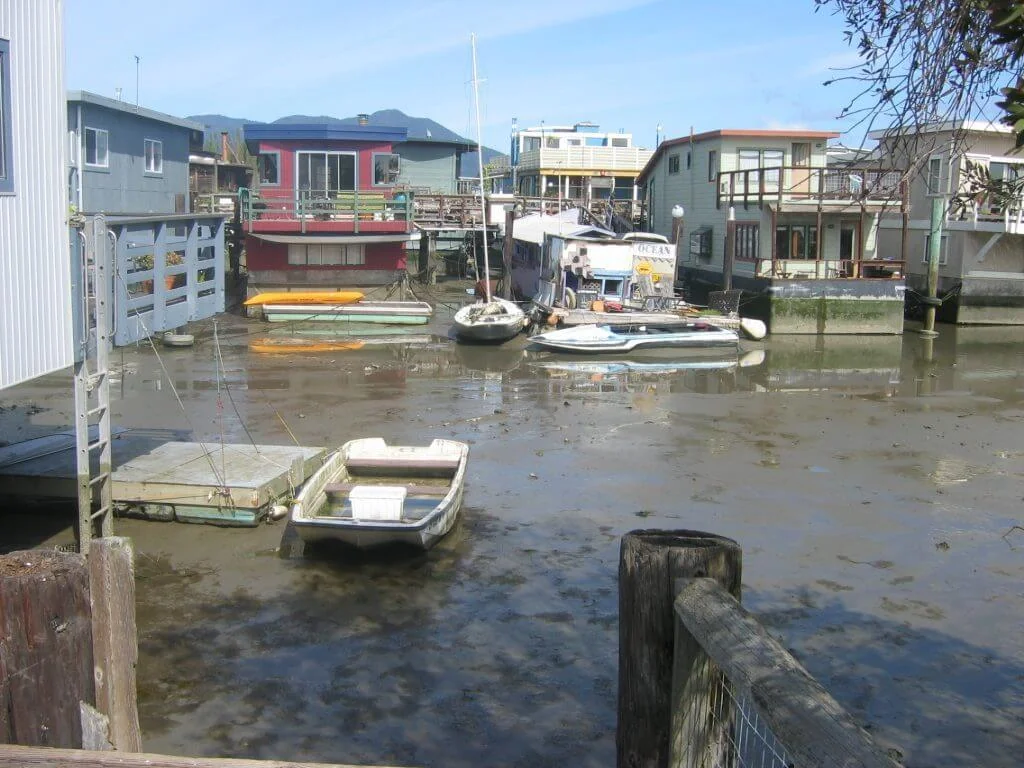
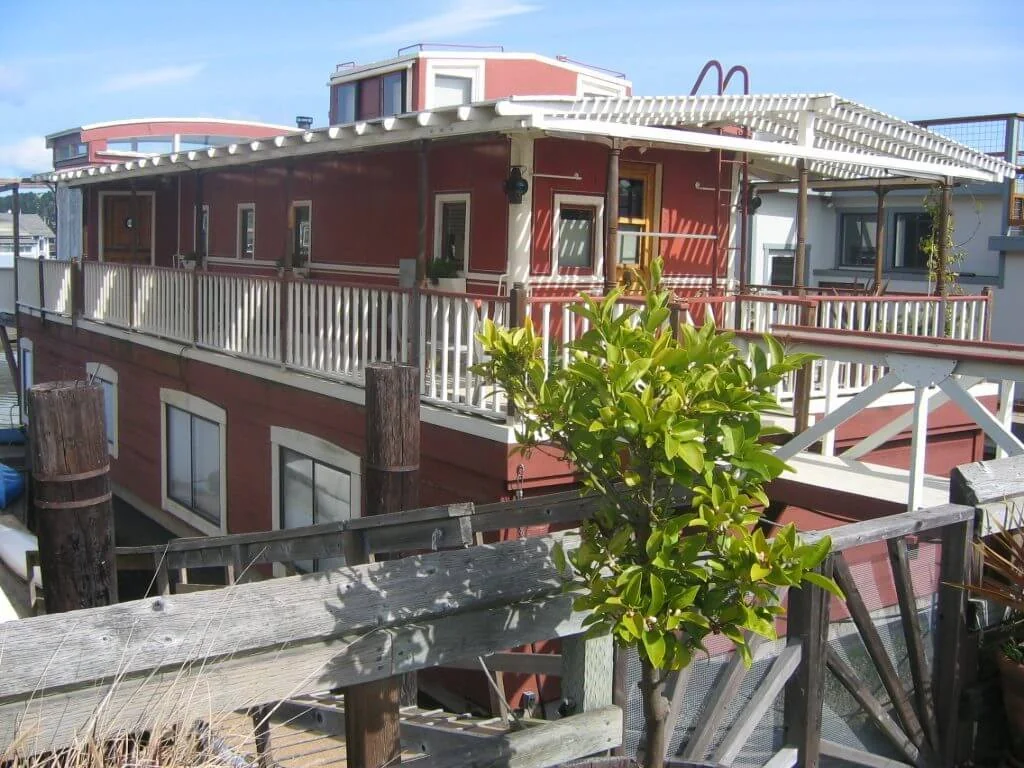
Sausalito sharpens the sequencing question. The city is built on a slope above the bay, so many homes are reached by stairs, sit above or below the street, and carry service runs routed around terrain rather than for convenience. Old Town holds a dense older core with tight lots and equipment often near a property line. The waterfront is different again: floating homes fed from shore-side service, where the boundary between your scope and the berth's has to be settled before anything is priced. Access and routing decide more of this job here than panel selection does.
There is also a reason the question is surfacing now, and it is worth stating precisely rather than dramatically. Sausalito sits inside the Bay Area Air Quality Management District, whose zero-NOx appliance dates fall on different appliances in different years: small tank-type water heaters first, furnaces under 175,000 BTU per hour later, larger tanks and tankless units last. The practical effect is not urgency. It is that a Marin homeowner replacing appliances over the next decade will land on electric versions by default, and panel capacity stops being a niche question.
Four questions before anyone quotes a panel
Condition. Is the panel a defect on its own terms? Certain legacy brands from the mid-century era carry documented failure histories and get flagged routinely by inspectors and insurers. Beyond brand, we look at the physical bus: pitting, discoloration at breaker stabs, corroded lug landings, a cover that no longer seals. Fail this question and capacity becomes secondary, because you are replacing it regardless.
Capacity. What does an actual load calculation say, rather than a rule of thumb? This is the step most often skipped, and skipping it is how homeowners buy amperage they will never use.
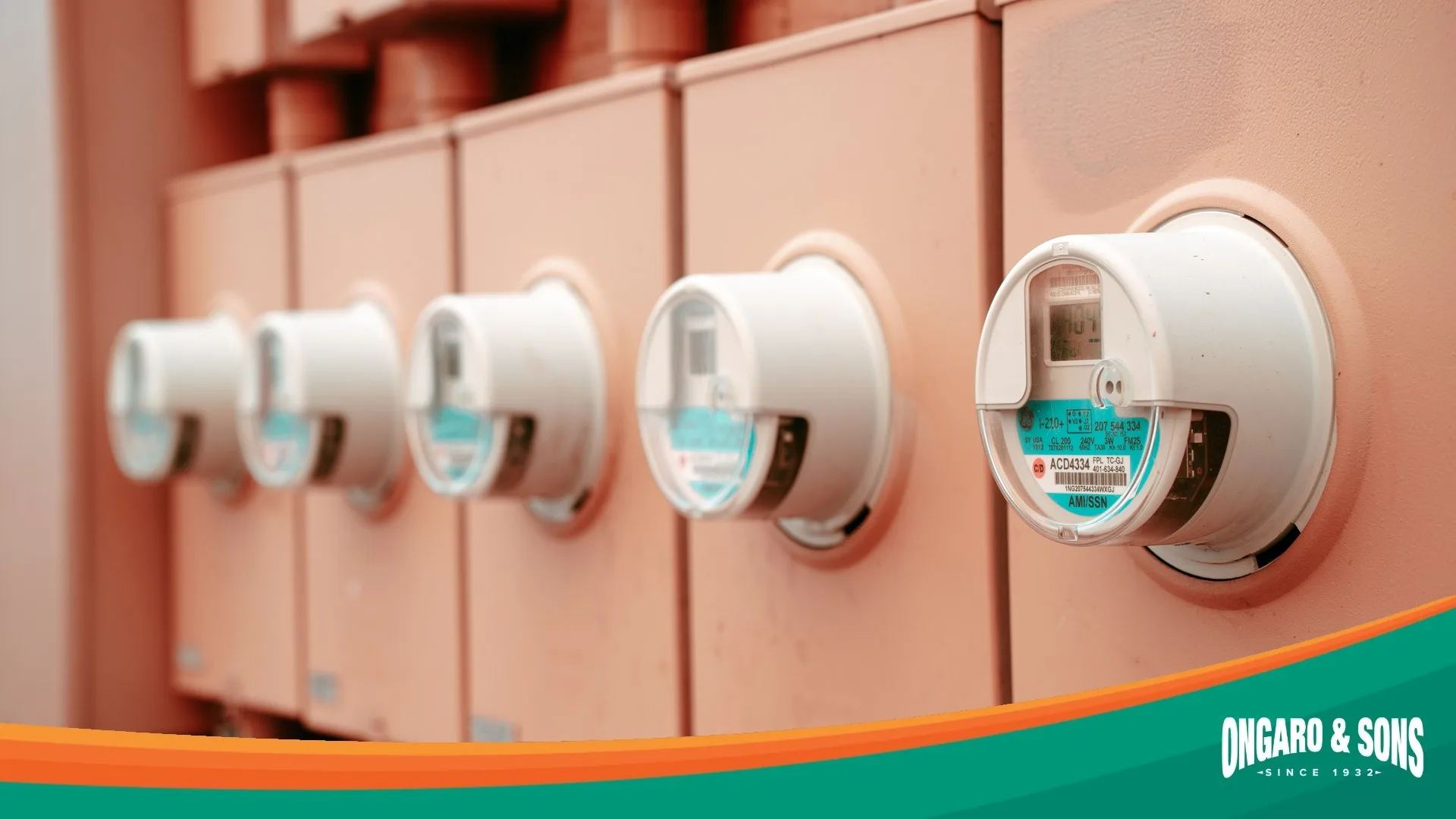
Service. Does anything on PG&E's side of the meter have to change? The conductors feeding your meter are utility-owned; the meter enclosure, the panel, and everything downstream are yours. A swap inside the existing rating is a job we control end to end. Raising that rating brings the utility into the schedule.
Sequence. What else are you adding, and when? A charger, heat pump, heat pump water heater, battery, and range are five loads with five install dates, and each has a cheaper version if the panel is already right. Doing the panel last is how people pay for the same wall twice.
Your options, side by side
| Option | What it is | When it fits here | What it does not solve |
|---|---|---|---|
| Component repair | A failed breaker, lug, or cover replaced on a sound panel | One nuisance circuit on a panel that passes the condition check | Capacity. Your available amps do not change |
| Replacement at the same rating | New enclosure, bus, and breakers at the existing amperage | A corroded or obsolete panel where the calculation says your service is sufficient | The amperage ceiling. You gain reliability and space, not headroom |
| Full service upgrade | Higher amperage, pulling in the utility, the meter, often the service entrance | The calculation exceeds what the existing service supports | Anything downstream. Old branch circuits stay old |
| Panel plus load management | A device that stops two large loads running together | A hillside or waterfront lot where more amps means a difficult route | Physical defects. Managed load on a failing service still fails |
| Subpanel addition | A second panel fed from the main, near a new cluster of loads | A garage, workshop, or added living space far from the main panel | Total capacity. A subpanel divides amps, it does not create them |
Most Sausalito jobs land on the second or fourth row, and the reason is terrain rather than electricity.
I lost power to the bedrooms and bathrooms in my home and needed an electrician to come take a look. I called Ongaro and Sons and they quickly fit me into their schedule. The friendly technician, Chris, found and fixed the problem with ease.
Lauren O.
What fails, and what the symptoms mean
Half the house goes dark and the rest is fine. Residential service arrives as two 120-volt legs. Lose one leg at the service, the meter, or the main, and every 120-volt circuit on that leg drops while the other half keeps working. It reads as "the bedrooms and bathrooms are out," so the search starts in a bedroom. The fault is at the front of the system.
Lights dim when a large motor starts. A brief dip as a compressor or pump kicks on is normal. A sustained sag across the whole house points at voltage drop on the service conductors or a loose, resistive connection.
A breaker trips repeatedly on one circuit. That is the breaker working, telling you the circuit is loaded past its rating. A larger breaker is not a fix, it is the removal of the protection. A main that trips is a different and more serious problem.
Heat. A warm cover, a hot breaker, scorched plastic, brown discoloration on the bus. Heat in a panel is always a connection problem, and connection problems compound.
Corrosion, a Sausalito specialty. Marine air carries salt aerosol, and salt on metal contacts raises resistance. Resistance at a current-carrying joint makes heat, heat accelerates oxidation, and the cycle tightens on itself. On the waterfront and the exposed windward slots of the hillside we find enclosures whose finish still looks acceptable and whose bus is not. A real inspection here takes the cover off. Aluminum branch wiring, common in a specific window of mid-century construction, adds its own scope, since every re-landed connection has to be handled correctly rather than treated as copper.
The technical factor that usually decides it
The load calculation. Two legitimate methods exist for an existing home. The conventional one sums general lighting, appliance, and the largest heating or cooling load using standardized demand factors. The alternative uses the home's measured maximum demand over the previous year, taken from meter interval data, and adds the new load to that figure. The two can disagree substantially on an older house with modest real usage, because a nameplate sum assumes everything runs at once and a measured record shows it never did. We confirm with the City that a building official accepts the measured method before relying on it.
The service route. Whether service arrives overhead on a mast or underground as a lateral drives the cost of a rating change more than anything else does. Overhead on a steep lot means long spans and clearance requirements over a slope, a deck, or a neighbor. Underground means the existing conduit either has room for larger conductors or it does not, and if it does not, the route runs beneath whatever got built on top since: a driveway, a retaining wall, stairs, mature landscaping. On flat ground that is a trench. On this hillside it is engineering, and it is the single best predictor of how a panel project will go here.
Permits and code
This is permitted and inspected work. A contractor who suggests otherwise is telling you what their inspection record looks like.
Inside city limits the permit goes through the City of Sausalito Building Division, part of Community Development. Not every Sausalito mailing address is inside the city, though. Parcels in the unincorporated pockets of southern Marin permit through the Marin County Community Development Agency's Building and Safety division instead: different application, different fees, different inspector. Establishing jurisdiction is the first thing we do, before scope.
Then there is the local rule that belongs at the top of any Sausalito panel conversation and almost never appears in one. Municipal Code section 18.08.020 puts the overhead service drop underground when the main electrical service equipment, panel included, is "relocated, replaced, and/or modified." Look at what that sentence does to the options table above. Most homeowners assume undergrounding is the price of asking for more amps, so a like-for-like replacement feels safe. The code is not written around amperage. It is written around the equipment. On an overhead-fed house, the second row of that table can carry the same utility conversation as the third, and finding that out after the panel is on order is the expensive version.
So the sequence on an overhead-fed lot is: settle the undergrounding question with the Building Division, then decide the panel. Not the reverse. Where undergrounding applies, the city expects plans developed with the affected utilities as part of completeness review, which puts PG&E inside your permit rather than after it.
Replacing a panel also triggers current requirements for what it touches: grounding electrode and bonding brought to present standards, arc-fault and ground-fault protection where required on circuits that get re-landed, working clearance, and correct labeling. If the project swaps a gas appliance for an electric one, California's Building Energy Efficiency Standards are the backdrop. The 2025 standards took effect January 1, 2026, and that cycle moved new single-family construction onto a single fuel baseline, with a heat pump prescriptively required for water heating and for space heating both. That governs new construction. We do not stretch it into a claim about your existing house.
What drives the cost
We give a fixed number before work starts, and we get there by pricing the variables rather than the label. Roughly in order of how much they move it here:
1. Whether the service drop has to come down. If 18.08.020 applies, the undergrounding is the project and the panel is a line item inside it. Nothing else on this list moves a Sausalito number as far. 2. Whether the service rating changes. A replacement inside the existing rating stays largely within our control. A rating change adds utility scheduling and often the service entrance. 3. The route itself. Existing conduit with room for larger conductors is one job. A trench across a driveway, a retaining wall, stairs, or mature landscaping on a slope is another. 4. Whether the panel stays put. Relocating means new service entrance conductors, possibly a new mast or trench, and restoring the wall it came off. 5. Access. Stairs, no driveway, narrow streets, a long material carry, a crawl space someone has to fit into. Labor hours on a hillside lot are not labor hours on flat ground. 6. What the old system left behind. A new grounding electrode system, a proper water pipe bond, or knob-and-tube and ungrounded circuits found at the point of re-landing. 7. Corrosion remediation on marine-exposed equipment, plus permit fees and the utility disconnect and reconnect appointment.
The panel itself is not on that list. Enclosure and breakers are a modest, fairly predictable share of the total. Almost all the variance lives in route, access, and condition.
Alex was NOT ONLY GOOD, he was OUTSTANDING! He not only analyzed, studied, and uncovered the electrical problem with my recycling pump, he educated and informed me about it.
Elaine B.
Rebates and incentives, as they stand
MCE is the community choice energy provider for Marin, so incentive advice written for a Sonoma County address does not transfer. Sonoma has a different provider running different programs, and general home-services content confuses the two constantly.
MCE money attaches to an appliance, not to a panel. Its heat pump rebates are the relevant route, and they carry conditions that change the order you do things in. The customer must own and have lived in the single-family detached home for at least twelve months. The rebate has to be applied for by a participating contractor before installation, since MCE states plainly that its rebates cannot be applied to a project retroactively. And if the home already has solar or EV charging, that equipment must have been in place at least twelve months. Note the direction of that last condition. It looks backward at what is already installed, not forward at what you might add, which is the opposite of how it usually gets repeated.
The consequence for panel work is straightforward: the panel gets funded, if at all, as part of the appliance project that required it, and only when the sequencing was set up correctly beforehand.
Power shutoffs, backup, and smart panels
PG&E may turn off power during severe weather to reduce the risk of its equipment causing a wildfire, through the program it calls a Public Safety Power Shutoff, and the hillside above town is where that exposure sits. That shifts the panel conversation: backup power needs a defined transfer point and a decision about which circuits are worth carrying, and the cheapest moment to build it in is while the panel is already open and de-energized. Retrofitting later means opening the same wall twice.
A standby generator with an automatic transfer switch keeps selected circuits alive through an extended outage, and we are a Certified Generac Generator installer. A battery paired with solar does the same thing with different trade-offs, including how the interconnection interacts with your panel's bus rating. Busbar capacity is often the real constraint on a solar or battery project, so solar in Sausalito and panel work get scoped together rather than sequentially.
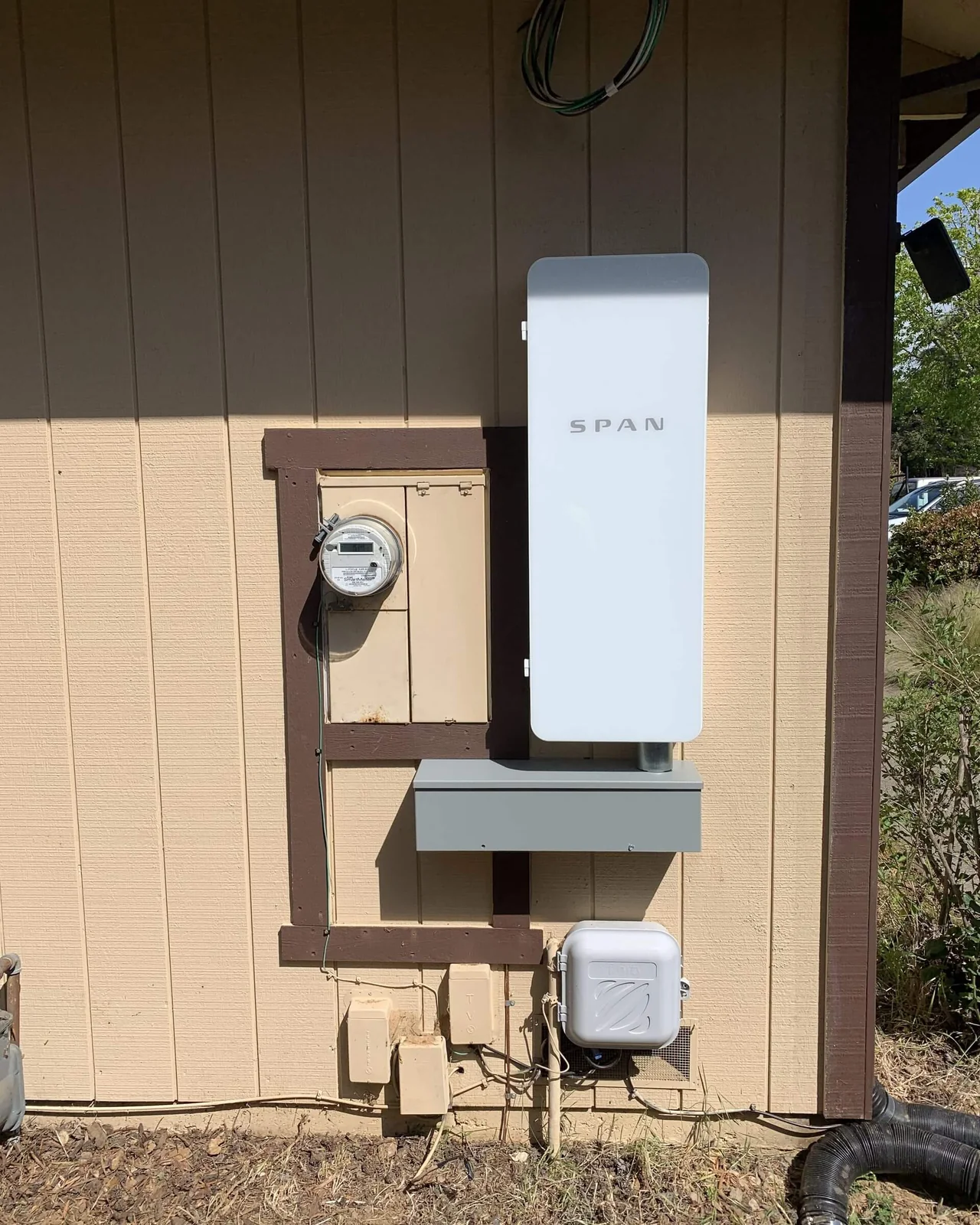
A smart panel is the third path, and it suits many homes here precisely because a rating change is so route-dependent. A SPAN smart electrical panel replaces the conventional load center and controls circuits individually, so it can keep two large loads from drawing at once and define which circuits stay live on backup without a separate subpanel. We are a SPAN Certified Installer, and on a hillside lot where more amps means an obstructed route, that sometimes removes the need to touch the service at all.
Maintenance
Keep the working clearance in front of the equipment clear. Storage stacked against a panel guarantees nobody looks until something has already failed. Test the arc-fault and ground-fault devices with their buttons on a schedule, because a protective device that will not trip on test is not protecting anything.
Have connections checked on a service interval rather than on a symptom. Aluminum service conductors move with thermal cycling, so lug torque is a maintenance item, not a one-time setting. On exterior equipment in marine air, that inspection also covers the enclosure gasket, the cover seal, and oxidation on the bus, because salt exposure is cumulative.
Keep vegetation off exterior equipment on hillside lots, never paint a panel cover, which conceals exactly the discoloration you want visible, and keep the directory accurate, since every future troubleshooting call starts with the labels.
Where we work in Sausalito
We take panel and service work across the hillside, the waterfront, and Old Town, plus the surrounding southern Marin communities. Each has its own version of the same job. The hillside is about route, access, and clearance. Old Town is about tight lots, older construction, and equipment sitting close to a property line. The waterfront is about marine exposure and, for floating homes, settling that scope boundary before anything gets priced.
Because we run all four trades, a panel project usually surfaces adjacent work. Electrical service in Sausalito covers the broader circuit, lighting, and troubleshooting side. Where the upgrade is being done for a car, EV charger installation is the load driving it. Ahead of electrification, the appliances that matter are the heat pump and the heat pump water heater, and that conversion commonly needs a new 240-volt circuit, and so those two conversations belong together.
What North Bay homeowners say
Two reviews about the diagnostic side of this work rather than the sales side.
How to choose a contractor for panel work
Ask to see the load calculation, in writing, before the amperage is chosen. If the number came before the math, the math did not happen.
Ask who pulls the permit. Being asked to pull it yourself as an owner-builder moves responsibility onto you, so ask why. Ask whether the price includes utility coordination and the disconnect and reconnect, or whether that is left for you to arrange.
Ask what happens if knob-and-tube, ungrounded circuits, or aluminum branch wiring turn up when the cover comes off. A contractor who has never considered it will find out on your job. Finally, ask about restoration: if a mast, riser, or trench is involved, someone puts the siding, hardscape, or landscaping back, and that someone belongs in the quote.
Panel upgrades and related work across Marin
For the full picture in town, see the Sausalito service matrix, or the county view at electrical across Marin County. Neighboring cities have their own version of this page, including panel upgrades in Mill Valley and panel upgrades in San Rafael.
Book a panel upgrade in Sausalito
Book online whenever it suits you. We will look at the existing panel and service, run the calculation, tell you which of the five options above your house falls into, and give you a fixed price before work begins.
Your Comfort, Our Priority
Ongaro & Sons is your trusted heating, cooling, plumbing, electrical, and solar expert, specializing in reliable maintenance and repair services that keep your home running efficiently year-round.
Our certified technicians deliver unmatched expertise with fast, friendly service across Marin, Sonoma and Napa County. From HVAC tune-ups to plumbing repairs and electrical upgrades or solar solutions, we focus on energy-efficient performance and long-term comfort. Count on us to maintain the systems that power your home and keep your environment just the way you like it.
Licensed, Insured, Background-Checked
Our technicians are licensed, experienced, and trained to service all makes and models.
Locally Owned and Operated
Serving the Napa, Marin, and Sonoma communities with personalized, hometown service.
Reliable Repairs
We respond quickly and get the job done right the first time, with no surprises.
Since 1932
Why Ongaro & Sons?
Four generations of trusted home service. Open any reason to see what it means for your home.
Schedule Service →Family-owned in the North Bay since 1932
Four generations of the Ongaro family serving Marin, Sonoma and Napa County. We know these homes and the systems in them.
Licensed, insured, background-checked technicians
Every technician is fully licensed and insured, background-checked, and trained on the equipment we install.
Diamond Certified and BBB A+
Diamond Certified since October 2016, and BBB Accredited with an A+ rating since December 1995.
Mitsubishi Diamond Contractor Elite and Trane Comfort Specialist
Both top manufacturer tiers. That standing decides how registration and extended warranty terms are handled on the system you actually bought.
The price is agreed before work starts
You see the number before the work begins. Flat-rate quotes, no surprises and no pressure.
Comprehensive maintenance program
Members get priority scheduling, discounts, and proactive checkups that prevent costly failures.
Discount
Membership
Ongaro Maintenance Plans
Annual maintenance on your home systems provides safeguards and comfort to you and your family. Members get priority scheduling, discounts, and proactive checkups that catch problems early.
Member Discounts
5% off every repair and replacement, all year long.
Peace of Mind
Proactive checkups catch issues before they become big problems.
Courtesy Reminders
We call you to schedule: never miss a seasonal service.
Value That Lasts
With Ongaro & Sons, you’re investing in quality, integrity, and service that stands the test of time. Explore our current promotions and see the difference real value makes for your HVAC, plumbing, and electrical needs.


From the Blog
 Sep 17, 2026
How Many Amps Does My House Need? Sizing Service for What You Actually Run
How many amps your house needs comes from a load calculation of what you run and plan to add. What drives the number, when existing service is enough, and more.
Read More Sep 10, 2026
Hard Water in Marin County: What Is Actually in Your Water and What It Does
Hard water in Marin County varies by provider and source. The 2025 report figures for Marin Water and NMWD, what hardness does and does not mean, and options.
Read More Sep 3, 2026
Electrical Permit Requirements in California: What Needs One and What Does Not
Find out which electrical projects commonly need permits, how to confirm local exemptions, and what to ask before work begins in Marin, Sonoma or Napa County.
Read MoreFrequently asked questions
Who is the best electrical panel upgrade company in Sausalito?
Judge it on what you can verify. Ongaro & Sons has served the North Bay since 1932, is Diamond Certified, holds a C-10 electrical license, and carries 2,756 Google reviews at a 4.8 average. For this work specifically, ask any contractor for the load calculation in writing and for their permit and inspection record. Those two documents tell you more than any marketing page, ours included.
Does my panel need replacing, or just repair?
Start with condition rather than capacity. One failed breaker on a panel with a clean bus, a sealed enclosure, and no heat damage is a repair. Pitting, discoloration at the breaker stabs, corroded lugs, a cover that no longer seats, or a legacy brand with a documented failure record puts you into replacement no matter how many amps you have.
Does a panel upgrade in Sausalito require a permit?
Yes, and there is a second question worth asking alongside it. Within the city the permit runs through the Building Division; parcels in unincorporated southern Marin go through the county's Building and Safety division instead, on a separate track. The second question is whether Municipal Code 18.08.020 applies, because it sends an overhead service drop underground when the main service equipment is relocated, replaced or modified. That is a scope decision, not a paperwork detail, so it belongs before the panel is chosen.
How many amps do I need?
Whatever the calculation supports, which is often less than the rule of thumb implies. We can size from standardized demand factors or from your home's measured peak demand over the past year using meter interval data. On an older house with modest real usage those two approaches can diverge sharply, and sizing from measured demand sometimes shows the existing service is already adequate. On a difficult lot, that is a valuable answer.
Does PG&E have to be involved?
Only if the service rating changes or the service equipment moves. Everything up to the meter belongs to the utility; the meter enclosure and everything past it belongs to you. Work that stays inside the existing rating sits entirely on our side of that line. Raising it adds utility scheduling, which is the usual reason a service upgrade occupies more calendar than fieldwork.
Does salt air near the waterfront really damage electrical equipment?
Yes, and the mechanism is worth understanding. Salt deposits on metal contacts increase resistance at the joint. A resistive joint carrying current generates heat, heat speeds oxidation, and the problem accelerates. That is why exterior enclosures near the bay can look presentable from outside while the bus behind the cover is degraded, and why any serious inspection here means removing that cover.
What if my address is outside the city limits?
Then the county holds jurisdiction and the project routes through the Marin County Community Development Agency rather than City Hall. Different application, different fees, different inspector, sometimes different local amendments. Several southern Marin neighborhoods carry Sausalito mailing addresses while sitting outside the city, so we verify the parcel rather than assuming from the envelope.
Are there rebates for a panel upgrade in Marin?
Not for the panel by itself. MCE is the community choice provider here and its heat pump rebates attach to the appliance, so panel work gets funded only as part of the project requiring it. Those rebates also have to be filed by a participating contractor before the equipment goes in, because MCE does not apply them retroactively.
Do I need a panel upgrade before installing an EV charger?
Not always, and the calculation answers it. A managed charger or a smart panel can sometimes fit a charger inside your existing service. Decide the rate plan at the same time: PG&E offers EV rate plans, and one of them requires a second dedicated meter while the other runs everything through your existing one. A second meter is an electrical scope decision, so it belongs in the install conversation.
Do I need one before a heat pump or heat pump water heater?
It depends on the numbers, but the water heater is the one that catches people out. Converting from gas storage to a heat pump unit commonly needs a new 240-volt circuit, which is a capacity question and a panel-space question at once. Air district dates apply to what may be sold or installed rather than to what you own, and they arrive appliance by appliance across several years. That is the argument for answering the panel question once for every appliance instead of once per appliance.